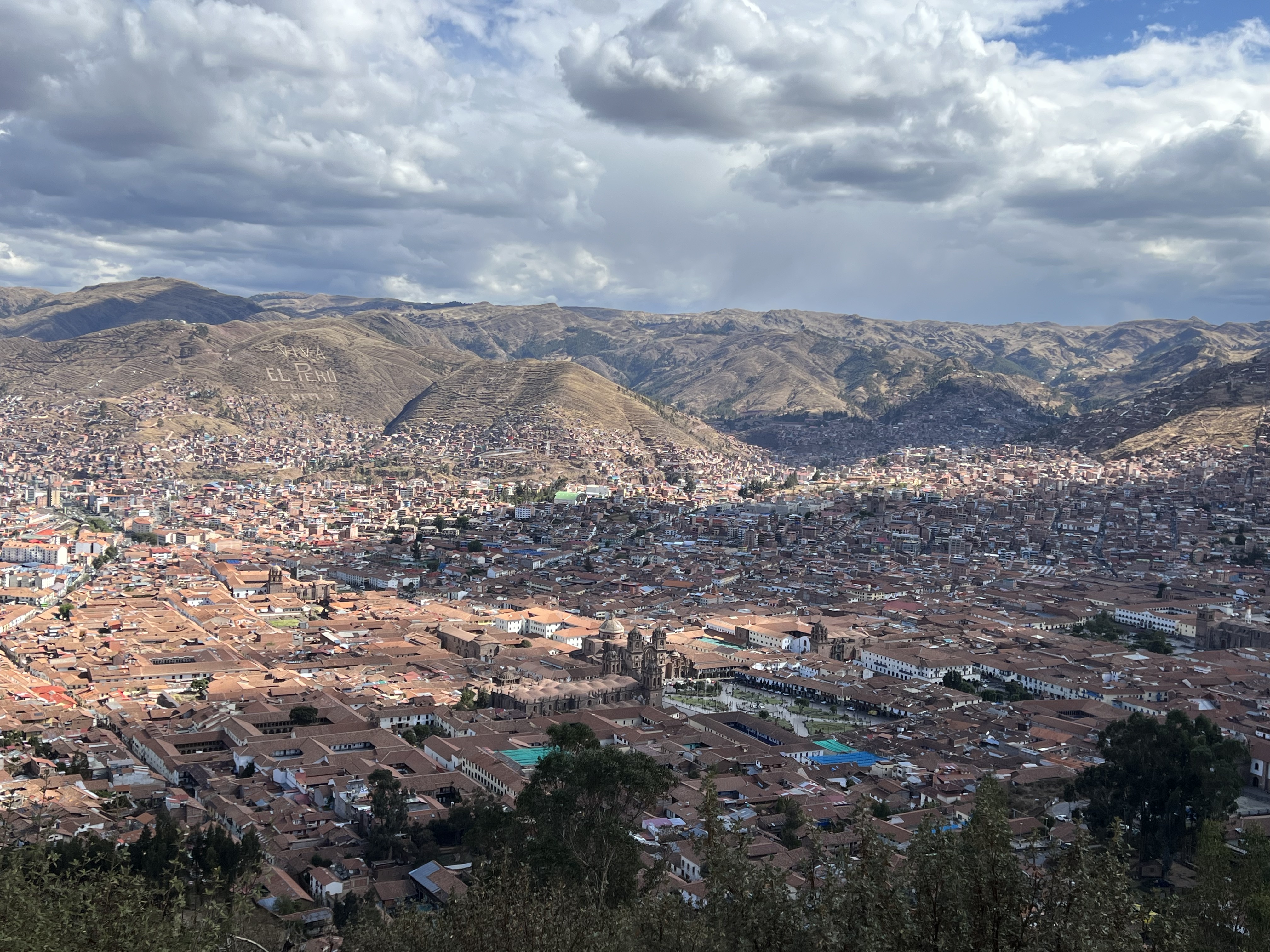
I returned to Cusco after a hiatus of about 25 years to find that the city has mushroomed up all the surrounding hills and down through the valley. The Centro Historico has luckily not changed too much other than there are many more souvenir shops, more international brand stores (Starbucks, Merrill, Patagonia, etc.) and women peddling massages throughout the area around the Plaza de Armas.
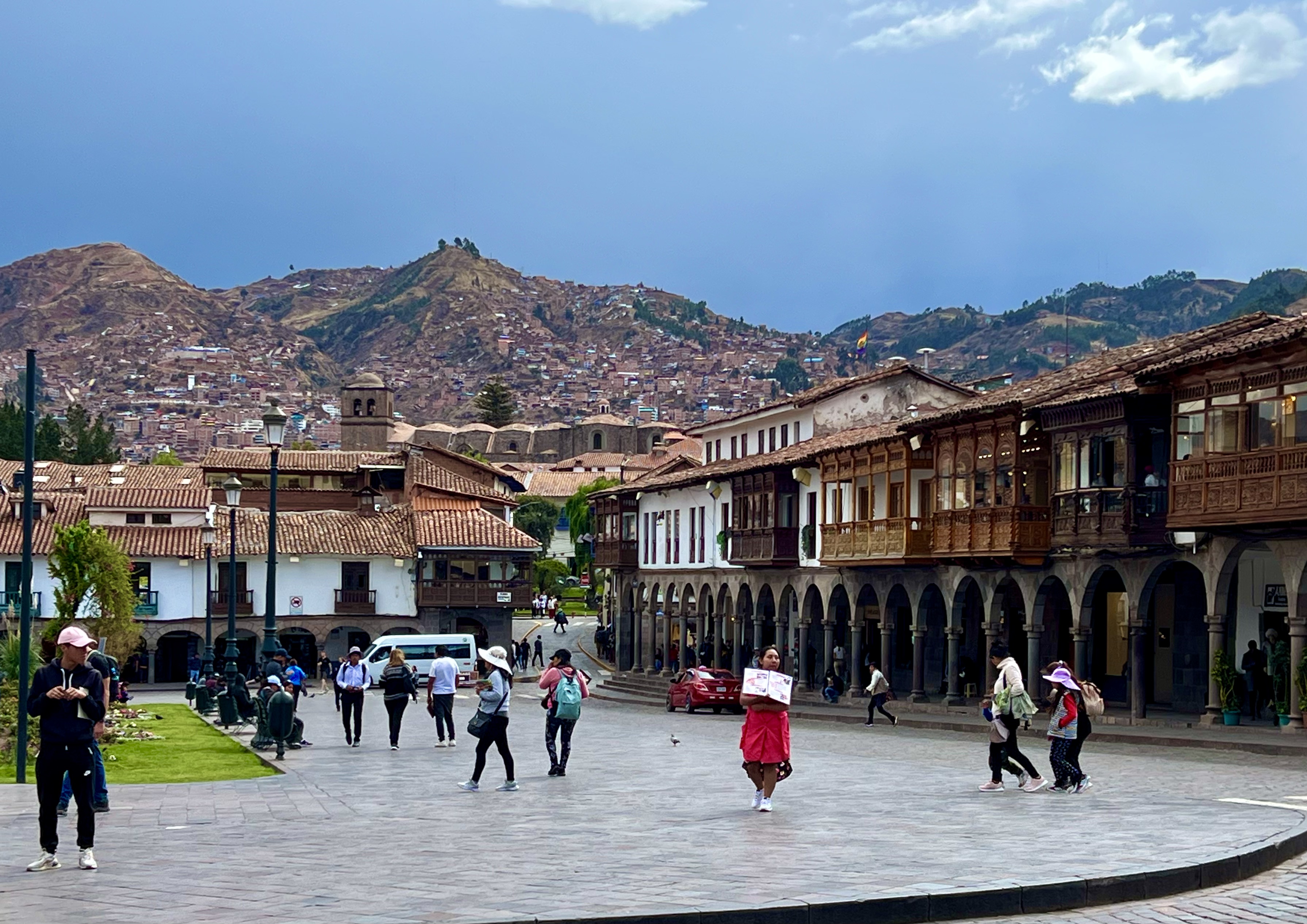
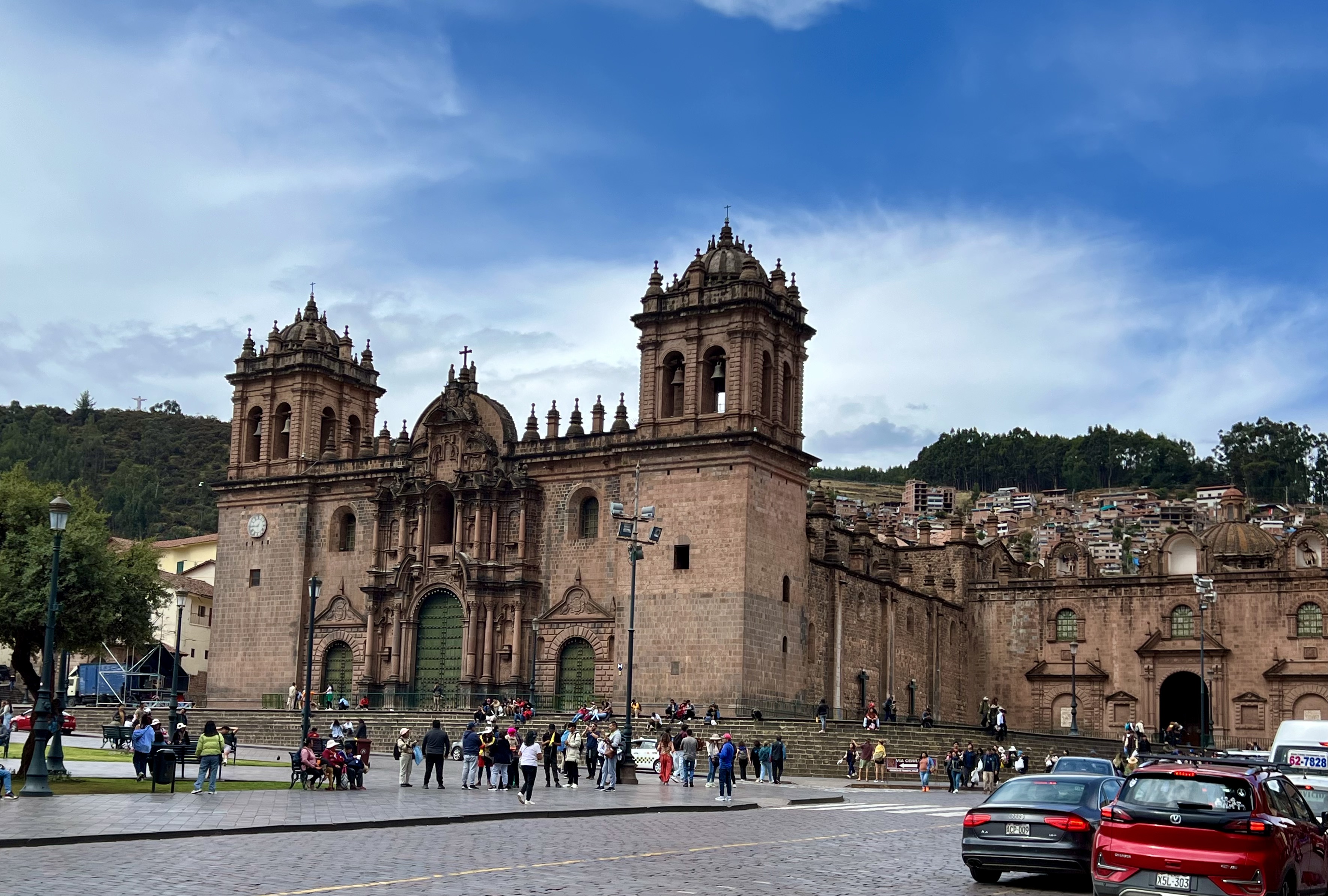
Mass tourism has hit Cusco as it has in many places around the globe. It is understandable because Cusco, the former capital of the Incan Empire, is the starting point for visiting Machu Picchu. Twenty-five years ago, my daughter and I went to the archeological site and had it pretty much to ourselves and the llamas; today one has to purchase a time slot to visit. I chose not to ruin a beautiful memory and did not return this trip. Instead, I visited some places that I had missed before, including sites in the south valley, as well as Pisac, Palccoyo and Waqrapukara. My main reason for visiting Cusco this trip, however, was to spend two weeks at a language school to improve my Spanish before continuing throughout Peru and Patagonia.
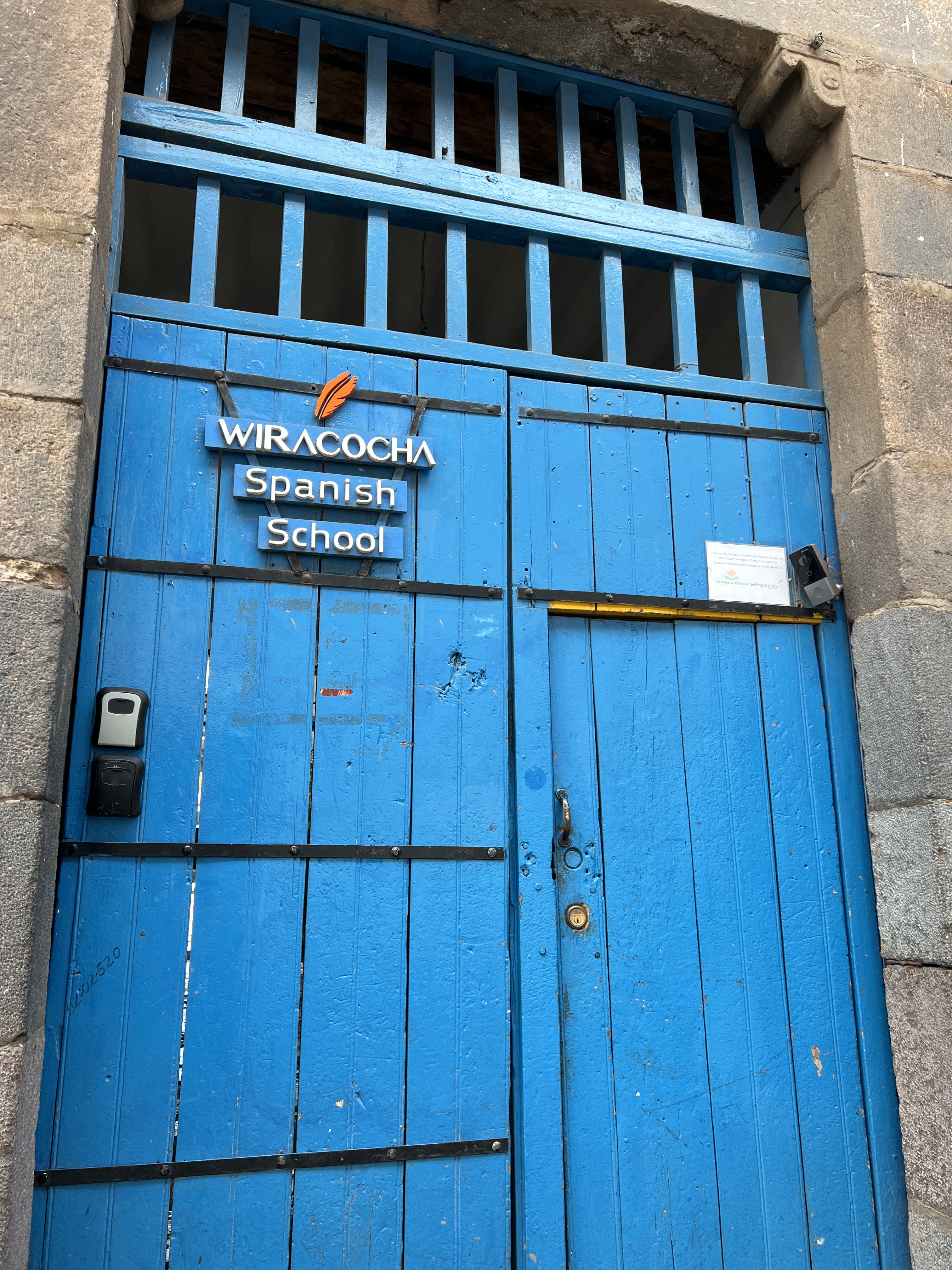
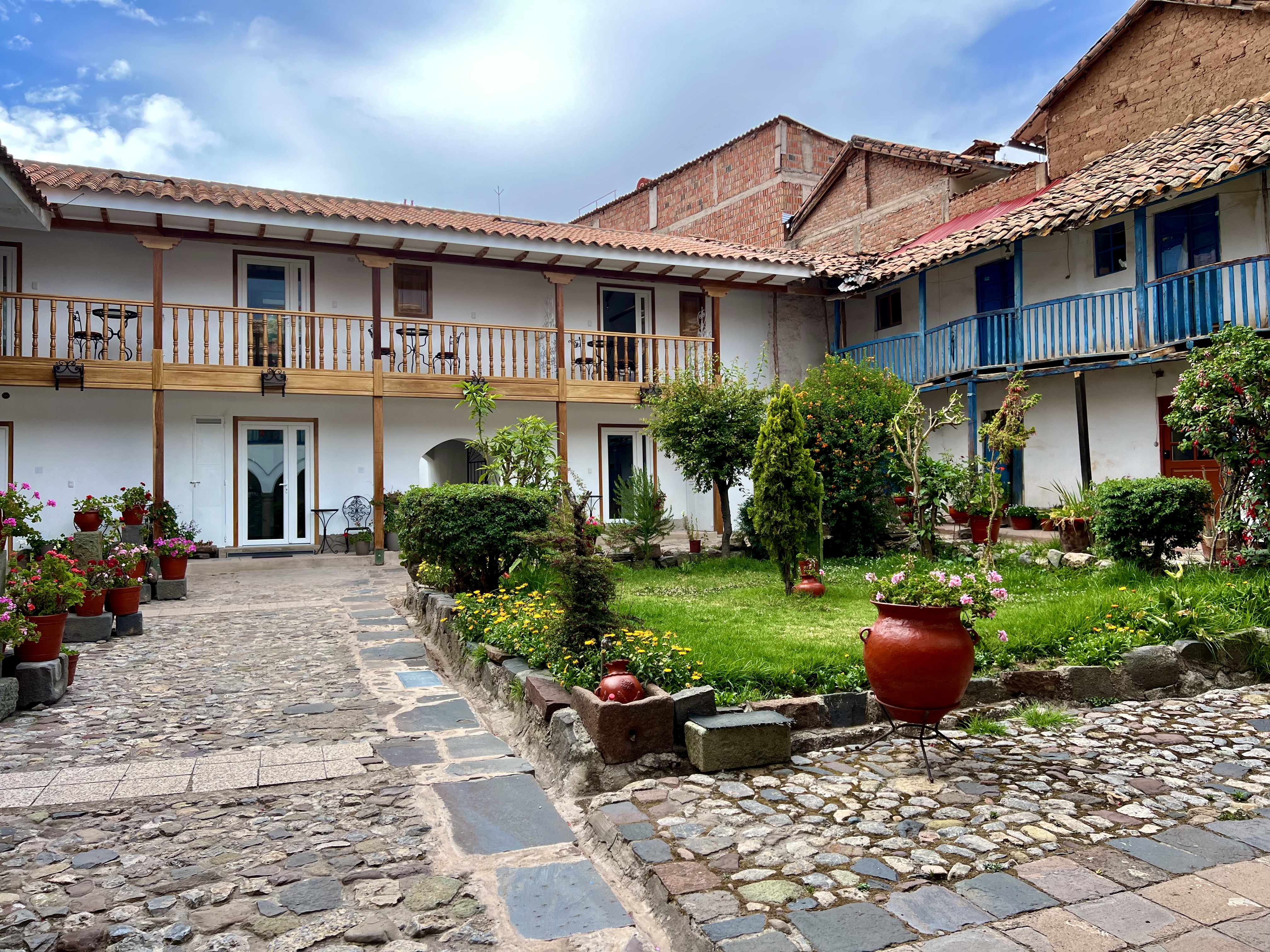
The school I chose was Mundo Antiguo, (formerly Wiracocha) and I was very pleased with them. I had private lessons for 2-3 hours a day, but even those who were doing regular classes only had 2-4 people in them. The instructors were all well prepared and were good language teachers. The school has events every night during the week that fosters interaction among the students and locals and even has a salsa class on Tuesday nights. The class was quite amusing as we had to switch partners with each new step, so that everyone in the room had a chance to dance with at least half of the participants. The school itself is about two and a half blocks behind Plaza de Armas, i.e., directly in the center of town on the way up to the San Blas district, which is one of the artisan areas. The school offers rooms with families if one chooses that option. I decided to go with an Airbnb as I prefer my privacy and a private bathroom, but those who were with families seemed to have a great time. If anyone is interested in learning Spanish or improving their Spanish skills, I can highly recommend this school. Cusco is also a lot safer (and less expensive) than many other places in Latin America and has a wealth of history and culture.
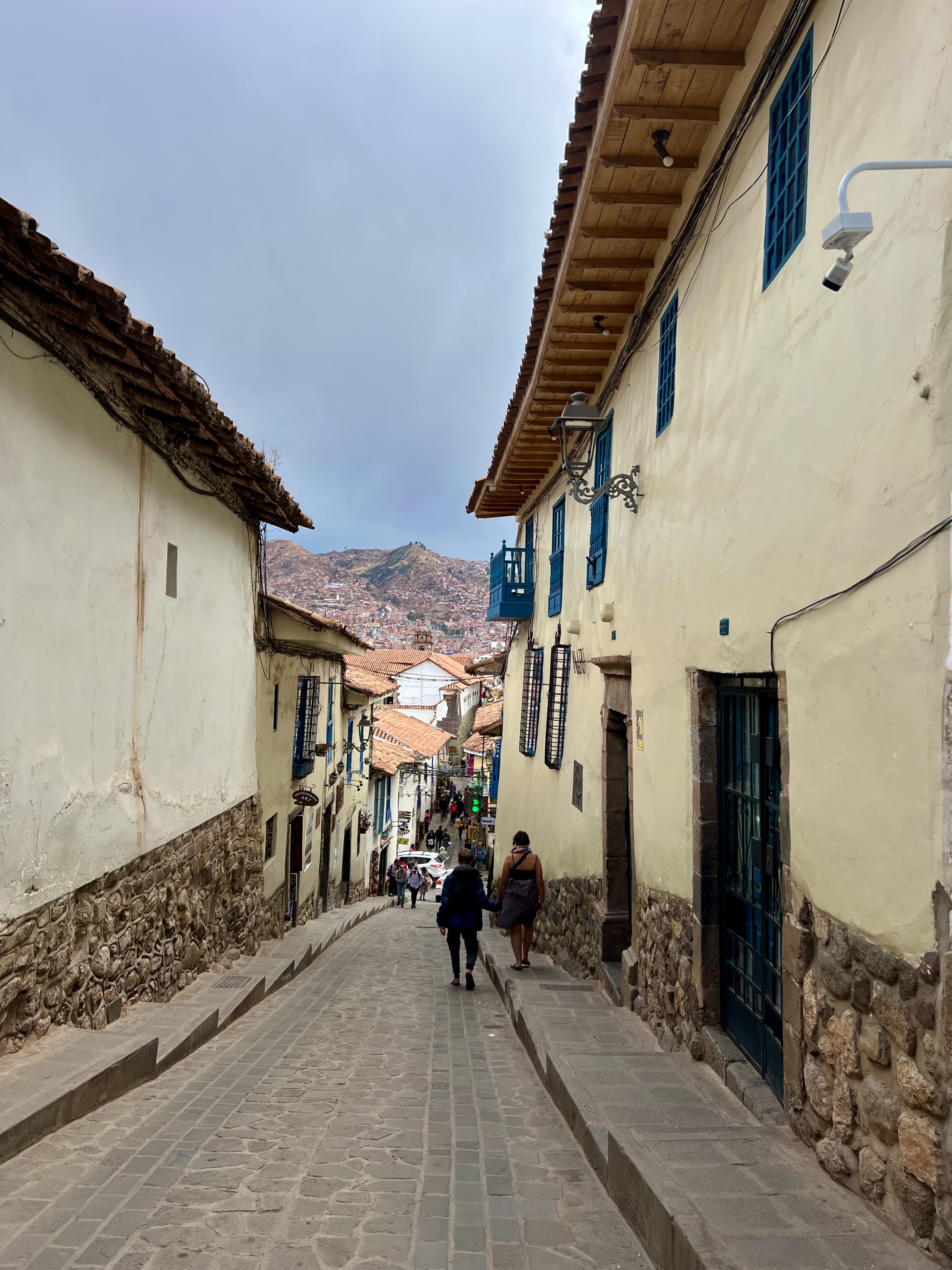
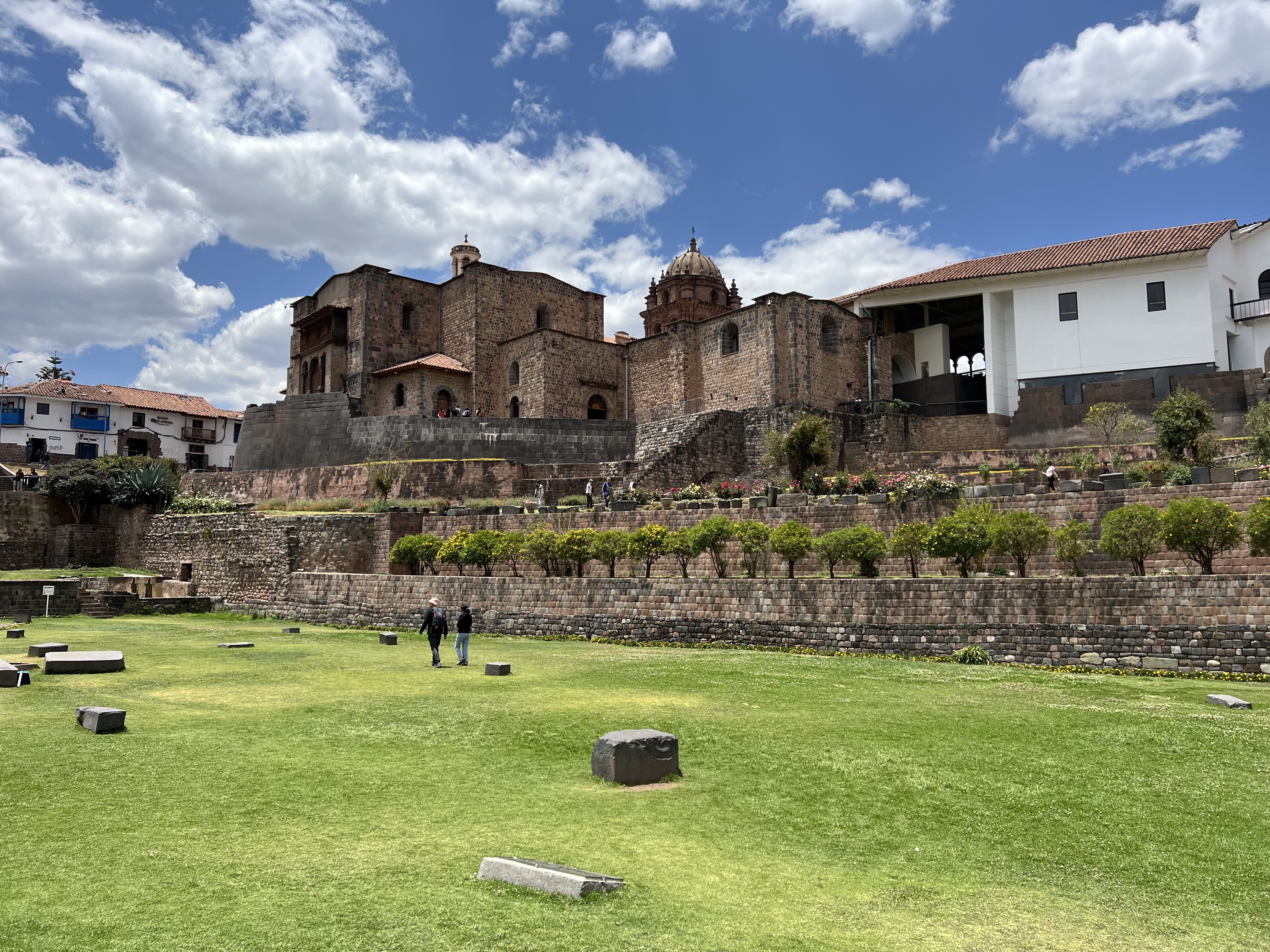
As it was the center of the Incan Empire and the remnants of Incan buildings are visible beneath the Spanish additions, Cusco’s streets reference Andean history since at the latest the 14th C. The empire’s capital was constructed on previous settlements, but developed in the shape of a puma, with the head in the hills and the body stretching along the valley. Saqsaywaman is the fortress and religious site overlooking the city and was near the former head. According to traditional Andean belief there are three worlds with deities governing each. Some of the Incan beliefs incorporated earlier traditions from their conquered territories including the Huari and Wari. The former’s three gods for the three realms were: Hanan Pacha, who rules over the world above and is represented by condors and birds; Uku Pacha, who rules over the world below and is represented by snakes and serpents. In the Incan tradition, this is the world of Pacha Mama, Mother Earth. The here and now of our world is overseen by Kay Pancha, who oversees all the natural elements and is represented by a puma or jaguar. Throughout these worlds there is the principal of duality. All aspects have their opposite: male/female, earth/sky, fire/water etc. In the Incan world temples dotted the landscape and the four temples above Cusco are related to the four elements. Saqsaywaman is the closest to the city and represents earth, above the earth is Qenco, which is related to fire, above that Puka Pukara, which is for air and above that Tambomachay for water.
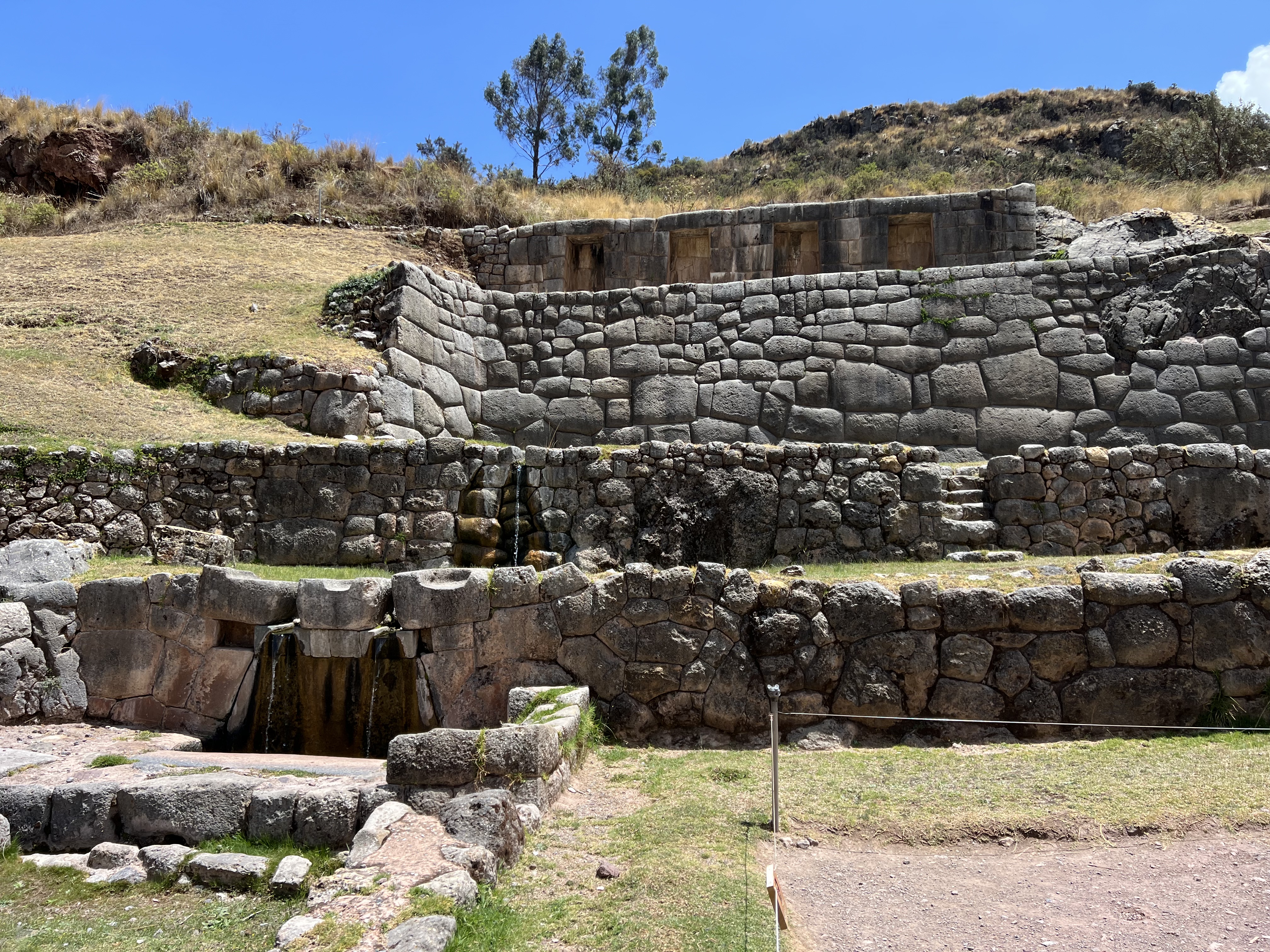
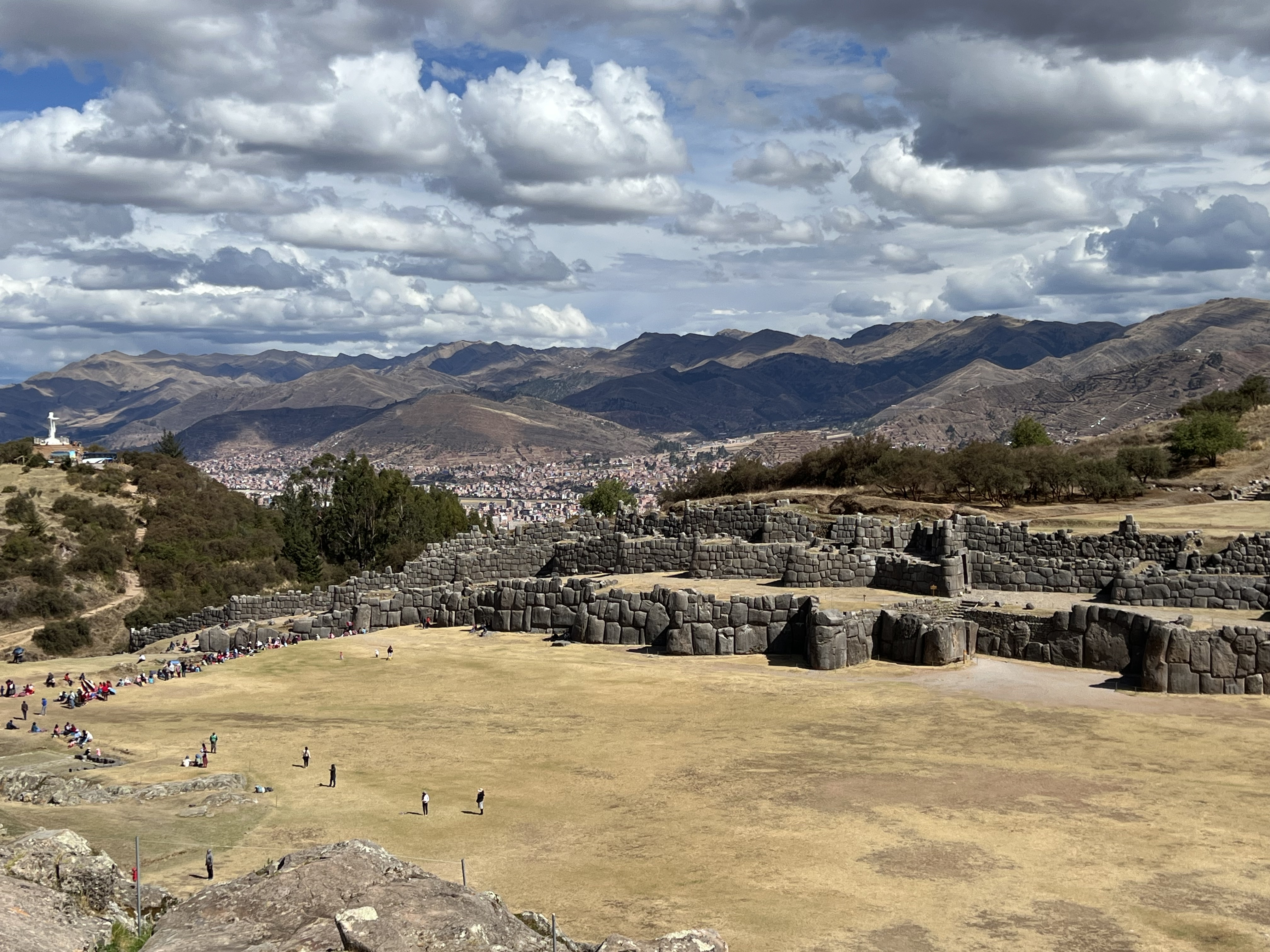
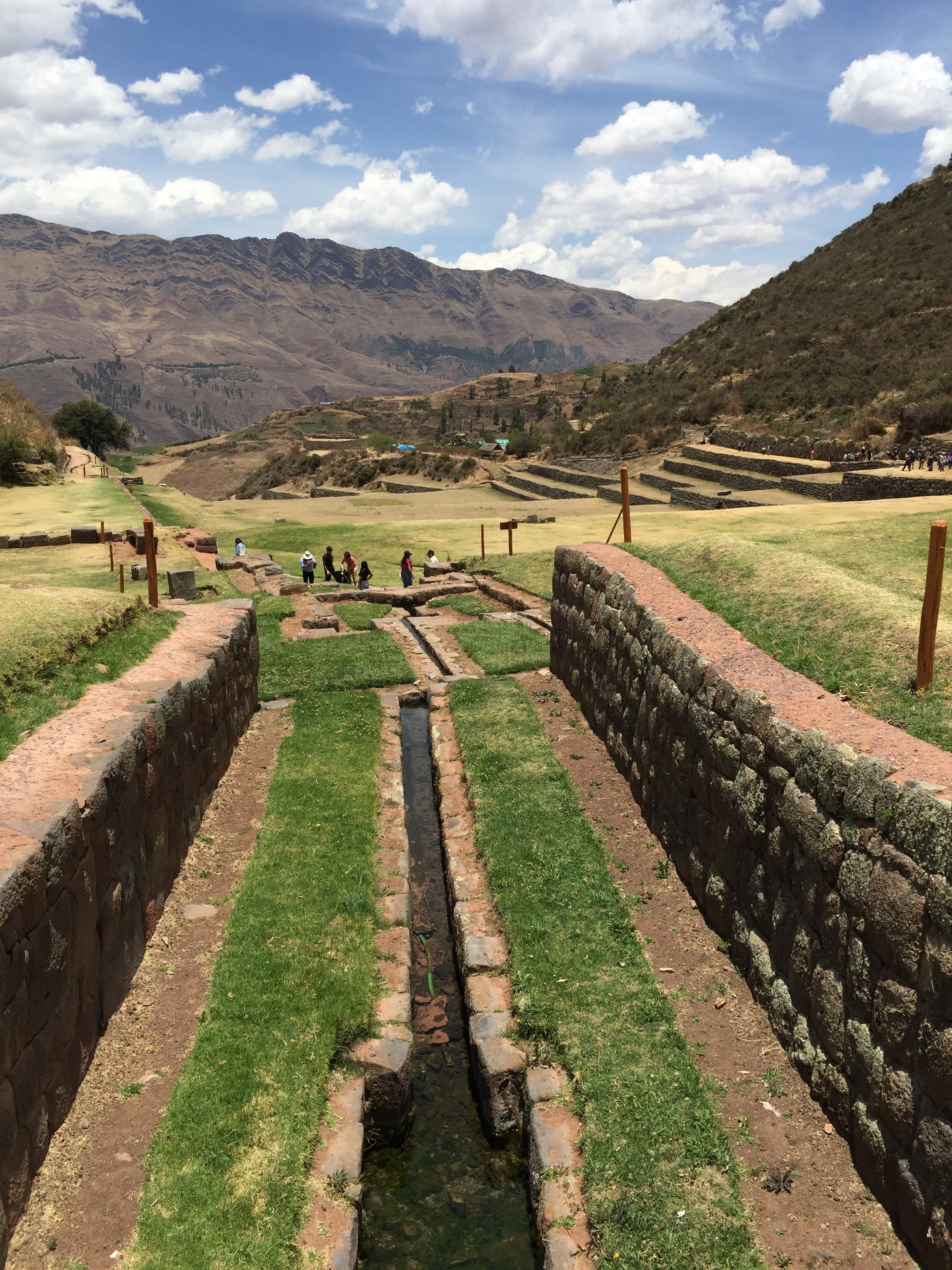
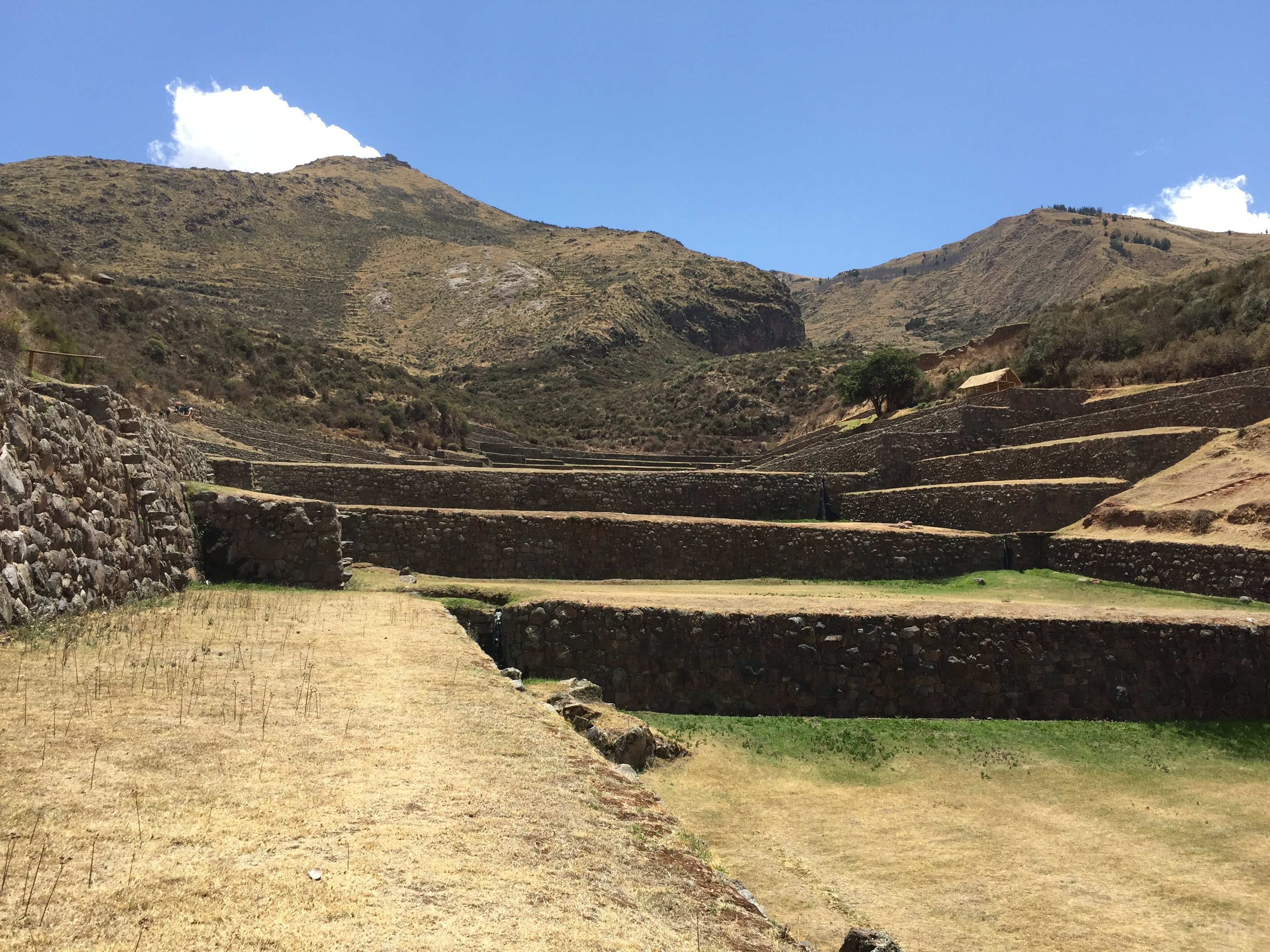
According to Gary Urton in his book El Cosmos Andino, Cusco was considered the center of the universe with a direct radial connection to the middle of the Milky Way. As the stars spread out in the sky, so too do the rays spread out across the landscape from the central axis, Cusco. Here, instead of all roads leading to Rome, they lead to and from the Incan capital. The Incans were amazing engineers, astronomers, artists and agriculturalists and they learned from the way the natural environment flowed. For the terraces that they used for agriculture, they ingeniously laid out canals fed from spring waters that surrounded the various terrace levels but placed so that there was never too much flow to cause damage. Tipón is a site in the south valley that highlights this principle. It was both a religious site for water and used for agricultural purposes. At the origin spring there is a larger stone in the wall above what will become a singular canal that flows for a couple of meters before it separates into two canals, that then separate into three by way of two triangular stones before flowing down to the first terrace where the waters are directed both right and left. The angle of the canals between each level is mathematically calculated to keep a steady flow. The engineering system, while amazing in itself, is also symbolic of the belief system. From one major source, comes duality, which flows into the three worlds, which again are subject to duality.
Ollantaytambo is another very well-known site as it is one of the oldest continuously populated Incan sites and is also the beginning of the train to Agua Calientes and Machu Picchu. The terraces here lead up to a major Sun Temple, which was constructed sometime between 1438-1470 by Pachacutec, one of the great rulers of the Incan Empire.
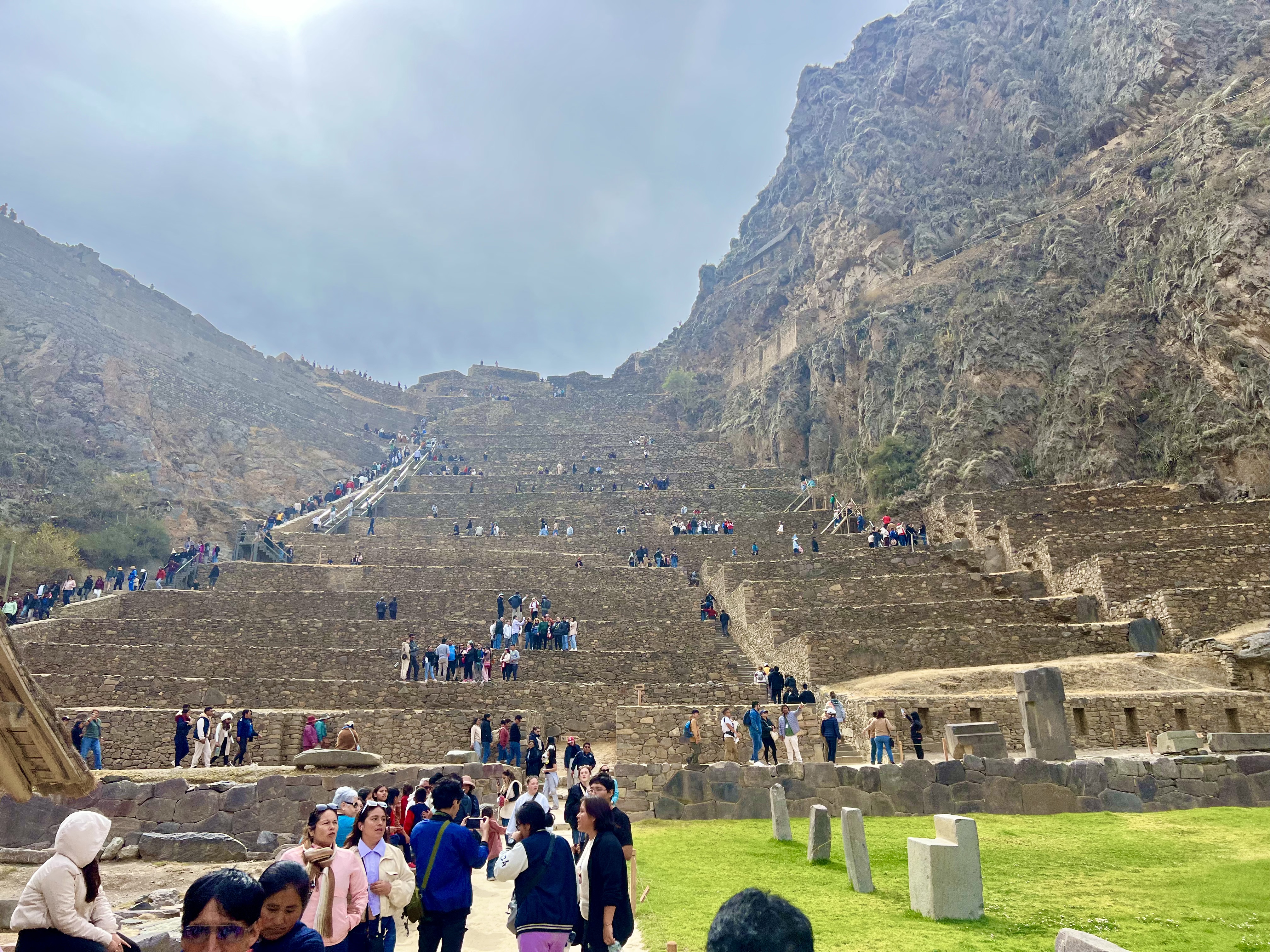
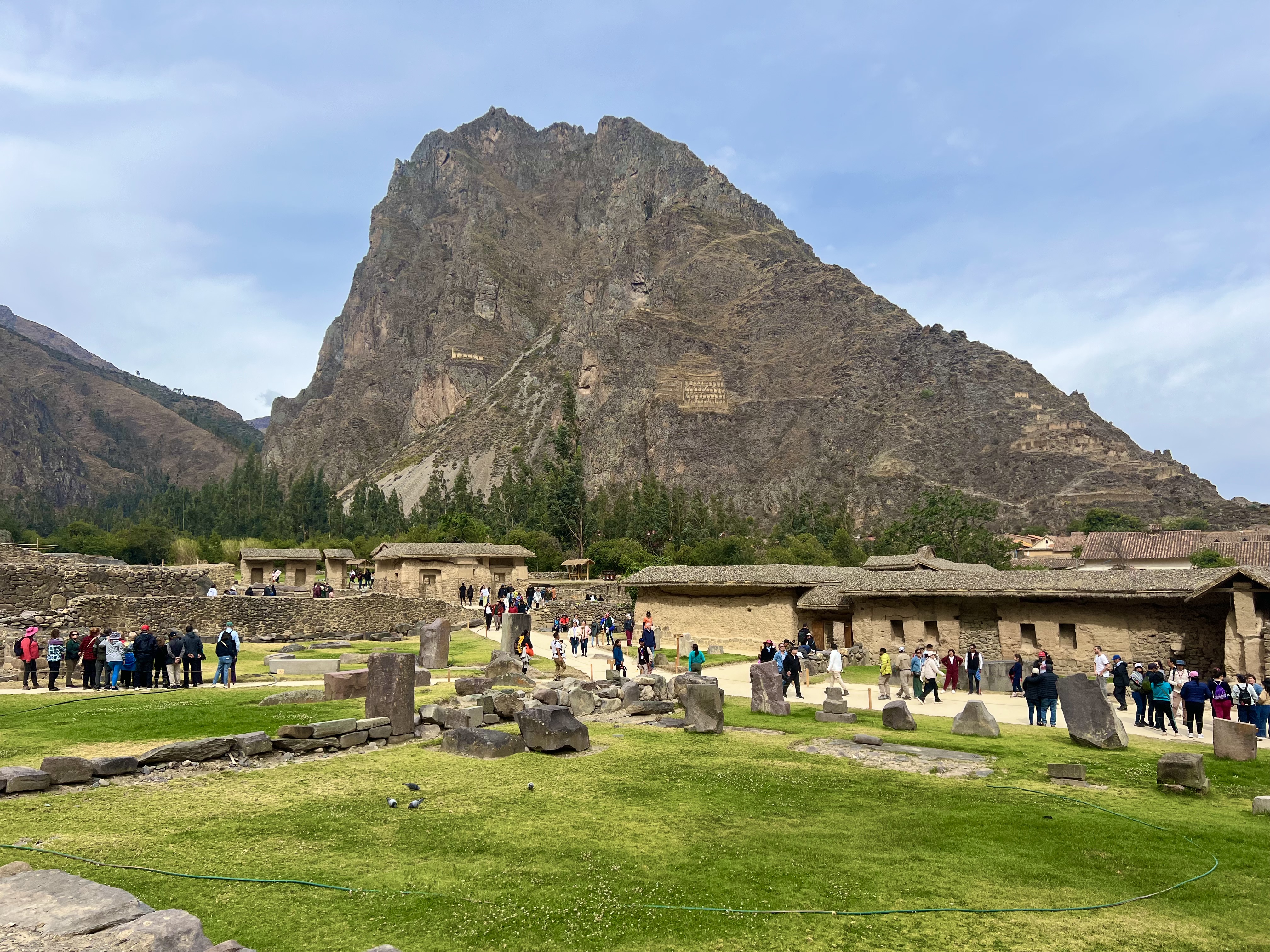
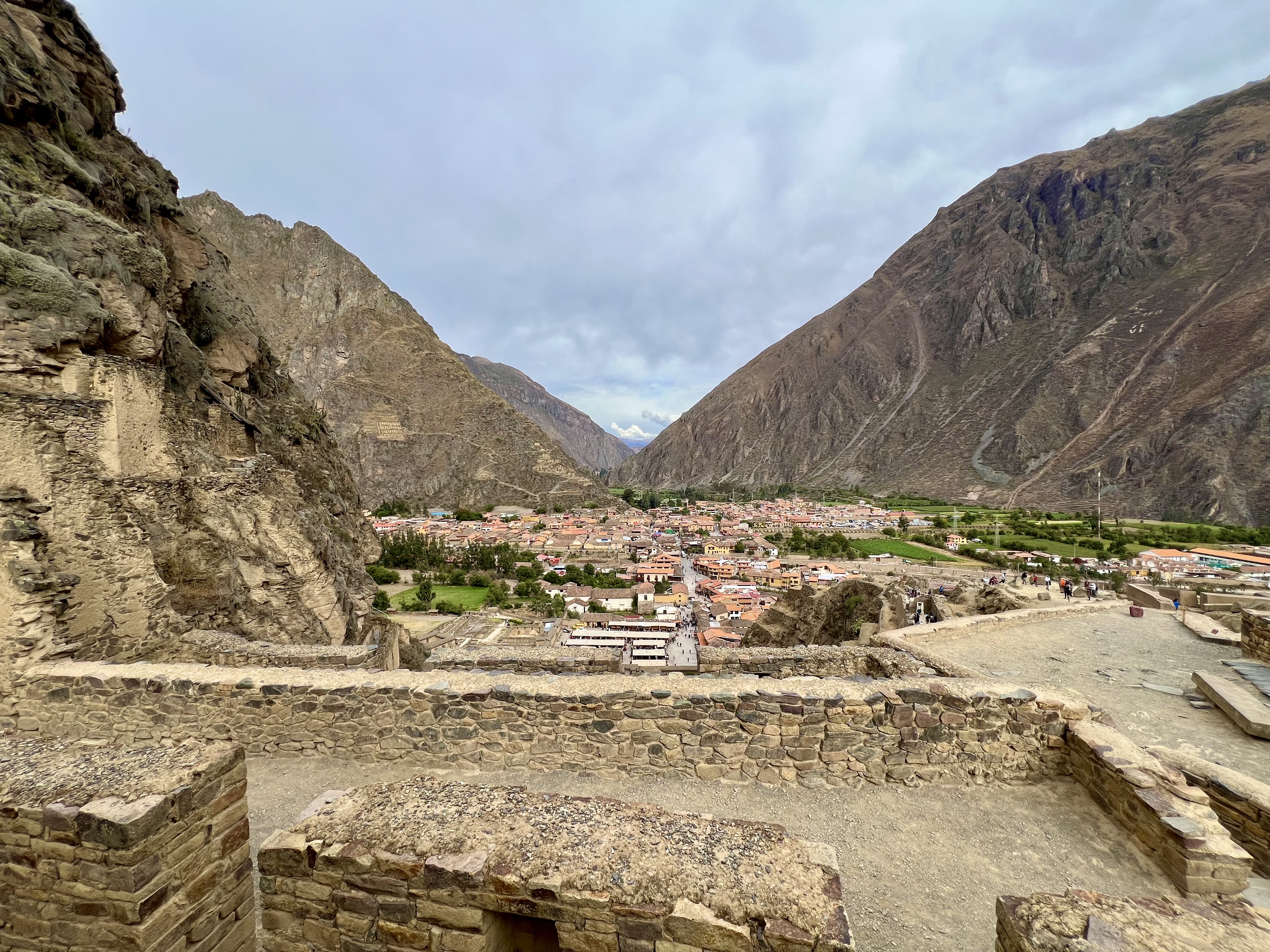
In the Sun Temple, as elsewhere in the Incan sites, there are niches in many of the rooms where gold and silver votive figures would be placed. Gold represents the sun god, while silver the moon goddess. In the granaries this was to protect the food. On the hill across from the main site, there are a series of granaries/storehouses. The Incans had a sense about changing climatic patterns and were smart enough to build storage units high on the hills that would preserve food for up to seven years. Due to the way they managed the terraces, they were also able to plant and harvest foods that were not native to the area, along with the essential multiple corn and potato varieties. The construction of the Sun Temple is a perfect example of how the Incan’s built seismically resistant buildings, by having a slight inward angle rather than the perfectly straight right angles of the earlier Wari civilization buildings. Naturally, the Sun Temple and other Incan edifices didn’t survive until now, but that was due to the destruction caused by the Spanish who felt the need to eradicate Incan beliefs and convert everyone to Christianity. Even Pachamama became sometimes known as “Pachamama Sancta Tierra”.
The archeological site at Pisac was also constructed by Pachacutec at about the same time as Ollantaytambo. It is the first of the archeological sites in the Sacred Valley. The name “Pisac” means partridge in Quechua, the language of the Incan people and still today the main language of the local rural peoples, and the site follows the form of the bird. The archeological site is divided into two areas surrounded by cascading rounded terraces. At the top where all the tours go there is a viewpoint, which was supposedly part of the old palace. Off to the side, there is a path that undulates up and down to another viewpoint that is somewhat higher, ca. 3500m, offering undisturbed views of the surrounding hills and town below. On one side of the mountain, away from the terraces, are little caves scattered across the mountain face. These are burial caves and there is actually a white skull that can be seen from the path. The Incans didn’t believe in death as a finality; they buried their kin in a fetal position for rebirth, not the same as a Hindu or Buddhist reincarnation, but not a final death. They also placed small votive figures called canopas in the gravesites and the fields after they had been blessed to ensure Pachamama’s protection.

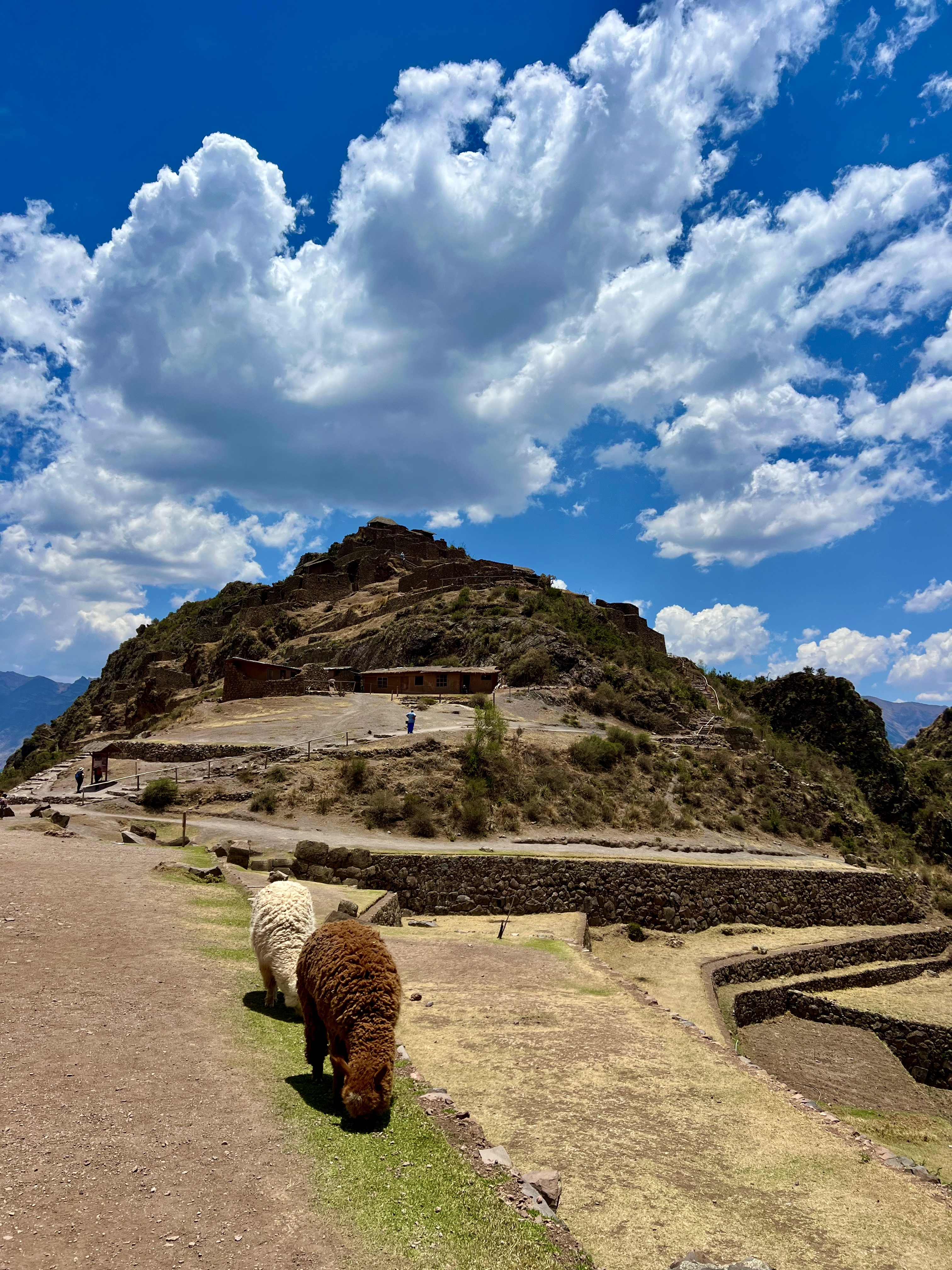
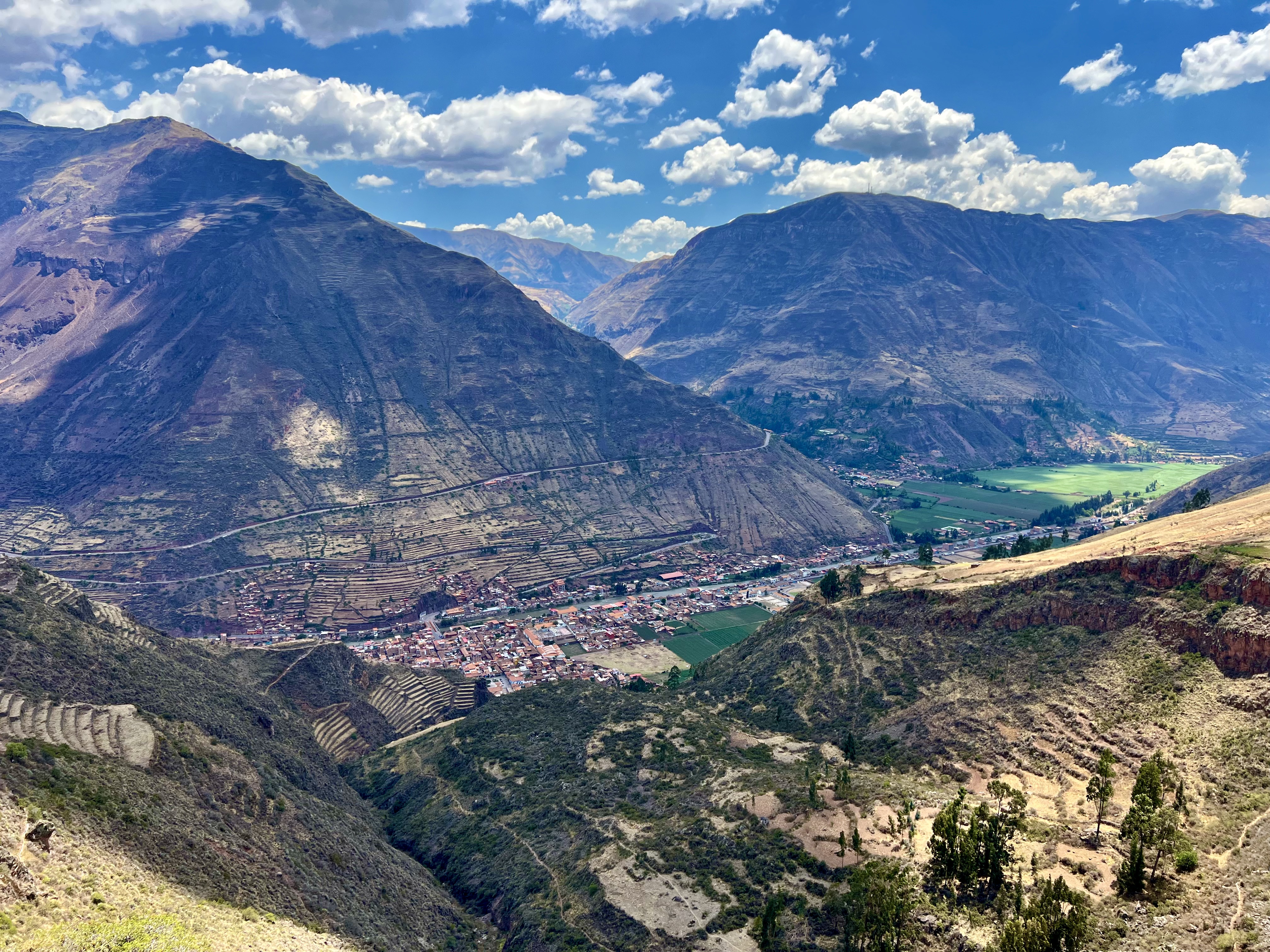
The archeological site is up a steep hill from the town, where the famous Pisac artisan market is. On the map there is a regular Artisan Market designated as well as a new one. The old one no longer exists. The new one offers all the regular tourist souvenirs, but I found that the alpaca sweaters were of a better quality and less expensive here than in Cusco. Bargaining is naturally a must throughout the country.
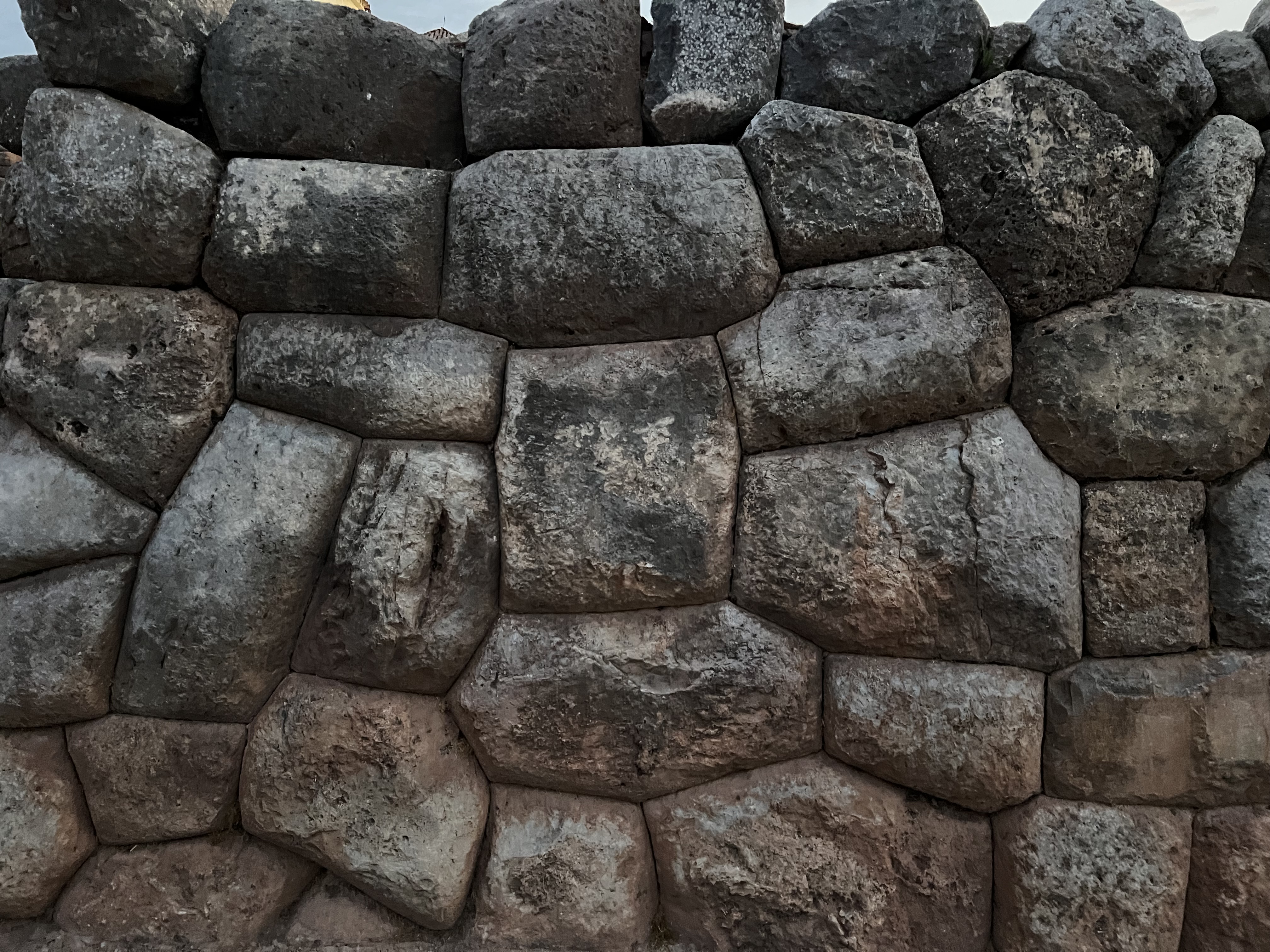
One of the pre-Incan sites I was able to visit was Pikillaqta, an ancient Wari settlement. The Waris were active between 900 CE until conquered by the Incans ca. 1400CE. The Incas often built their structures with reference animals that related to their belief system; the Waris were more strait-laced. Their fortified town was in the form of a square, with the religious sites in the center. The walls were up to 12m high with narrow paths connecting the various areas. To build their walls they used a form of cement, unlike the Incas who used no adhesive whatsoever, allowing the stones to naturally fit with one another, thereby allowing for movement in case of an earthquake. The Andes have always been seismically active.

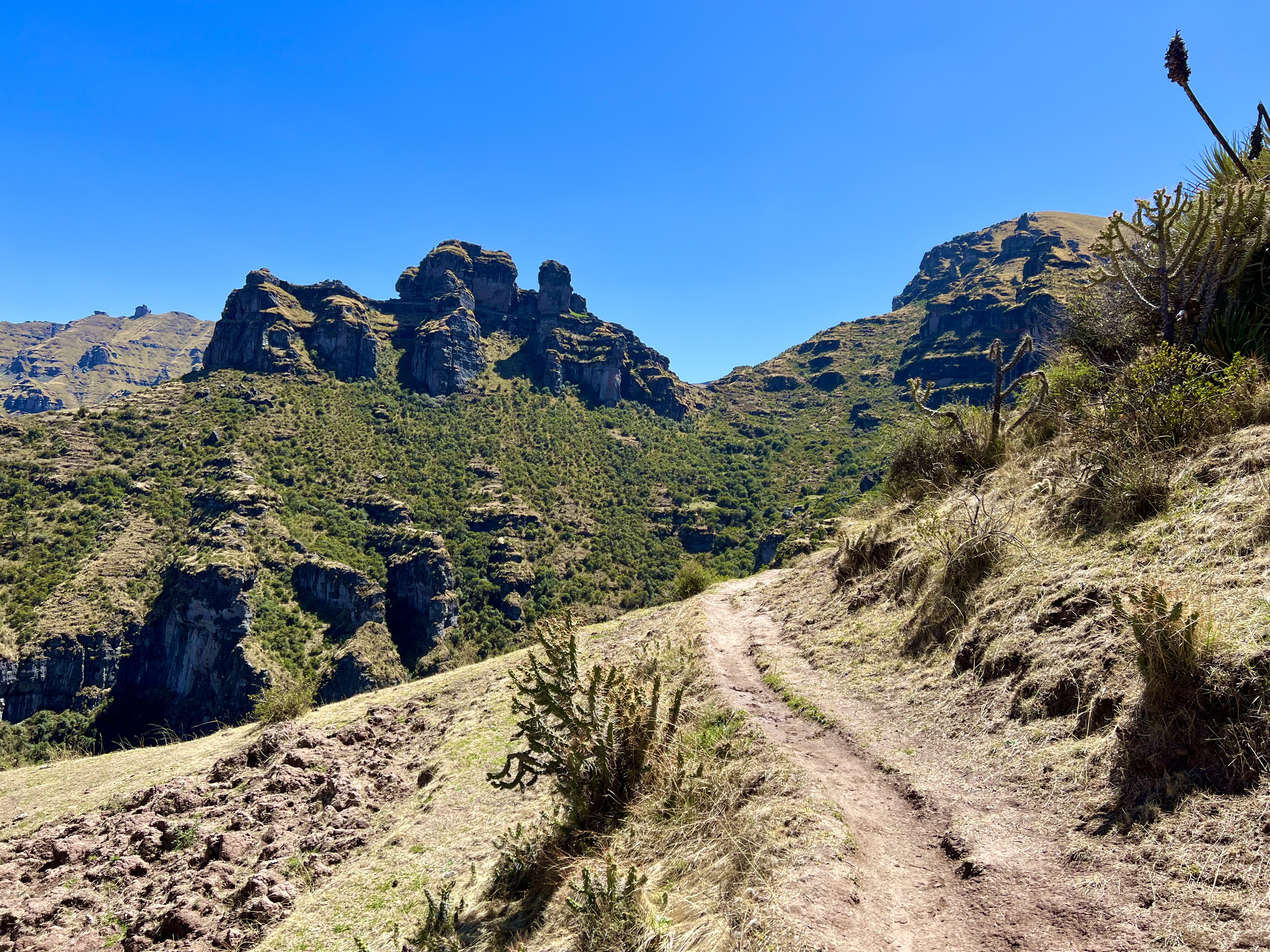
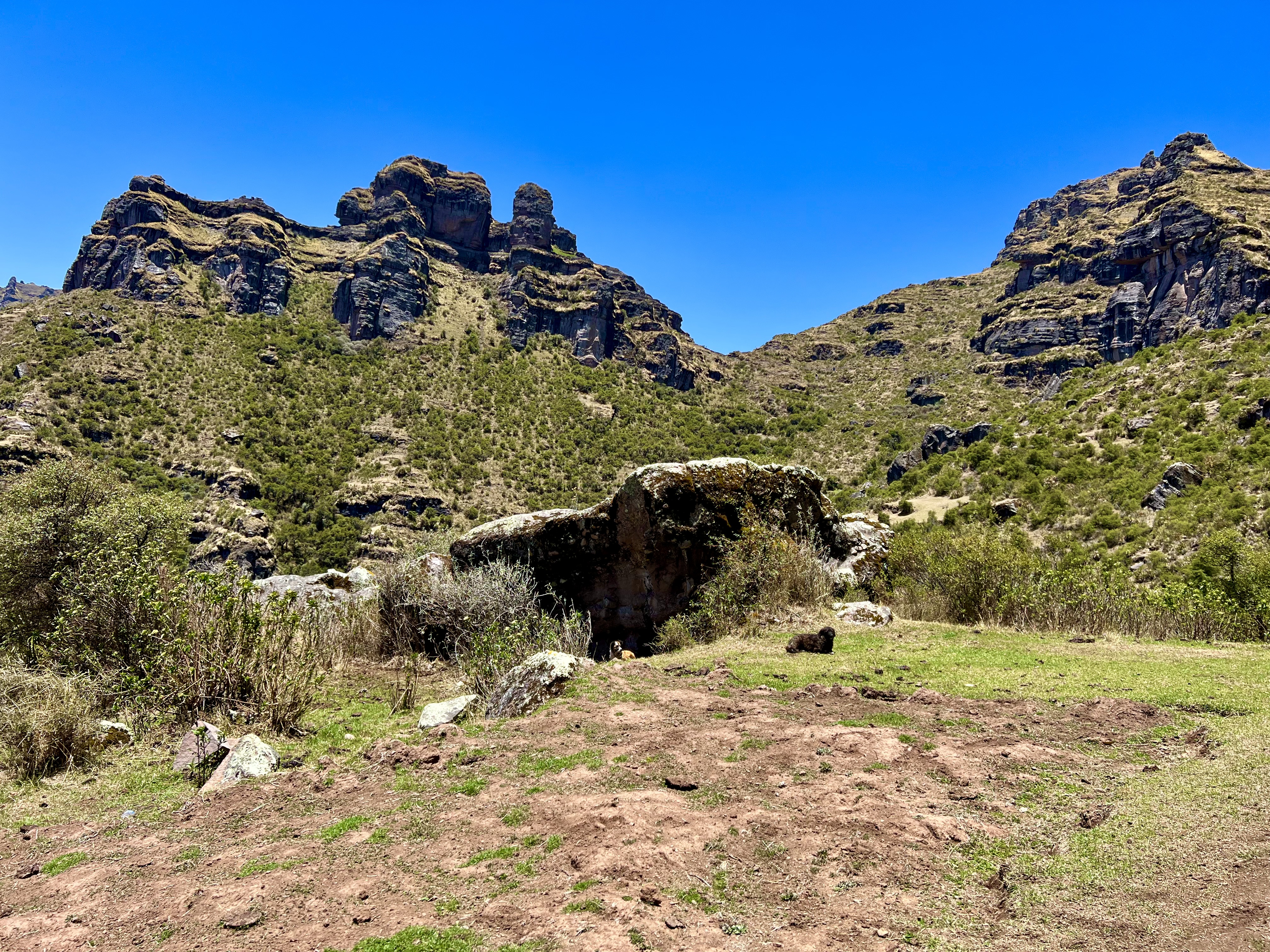
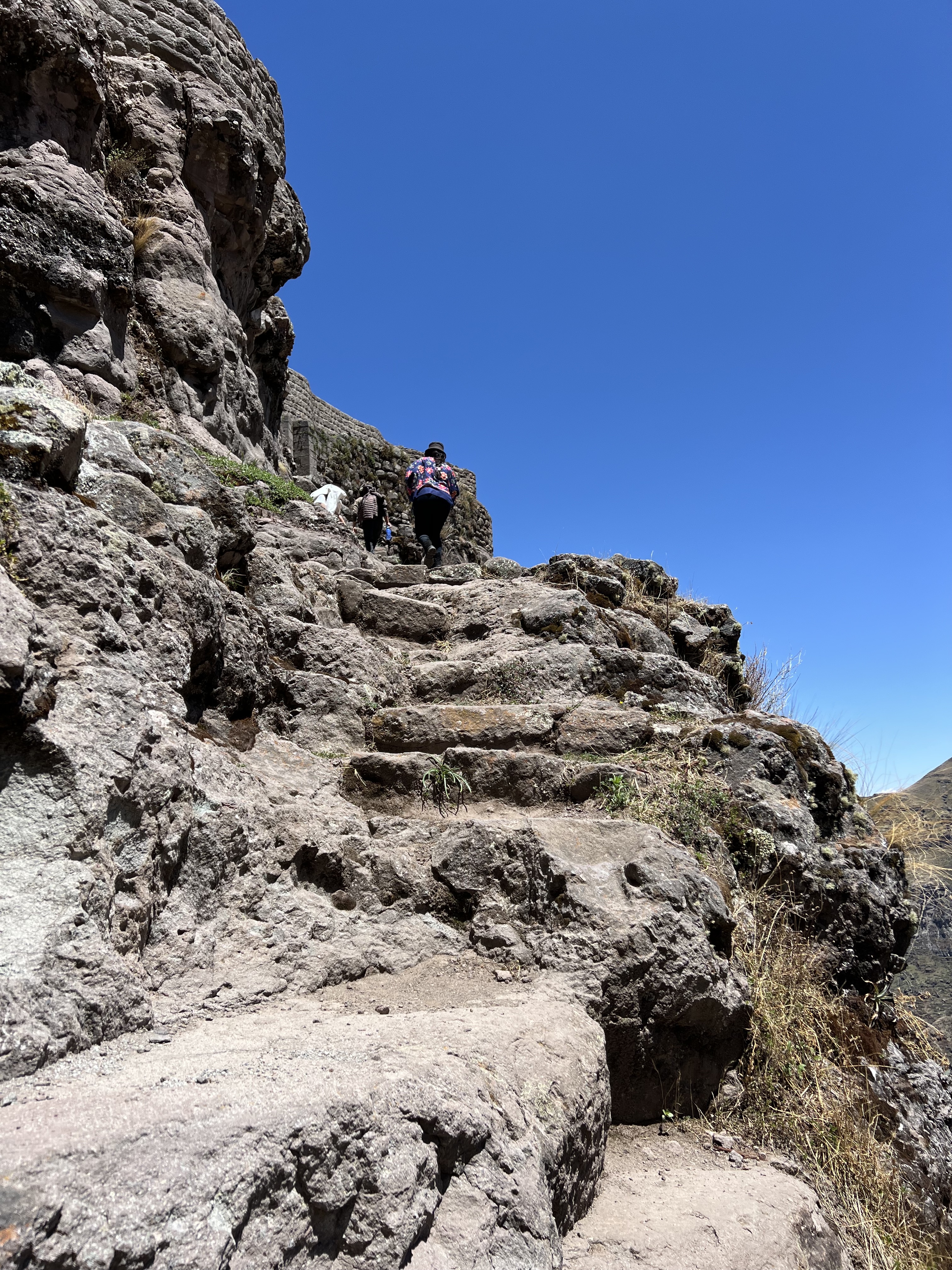
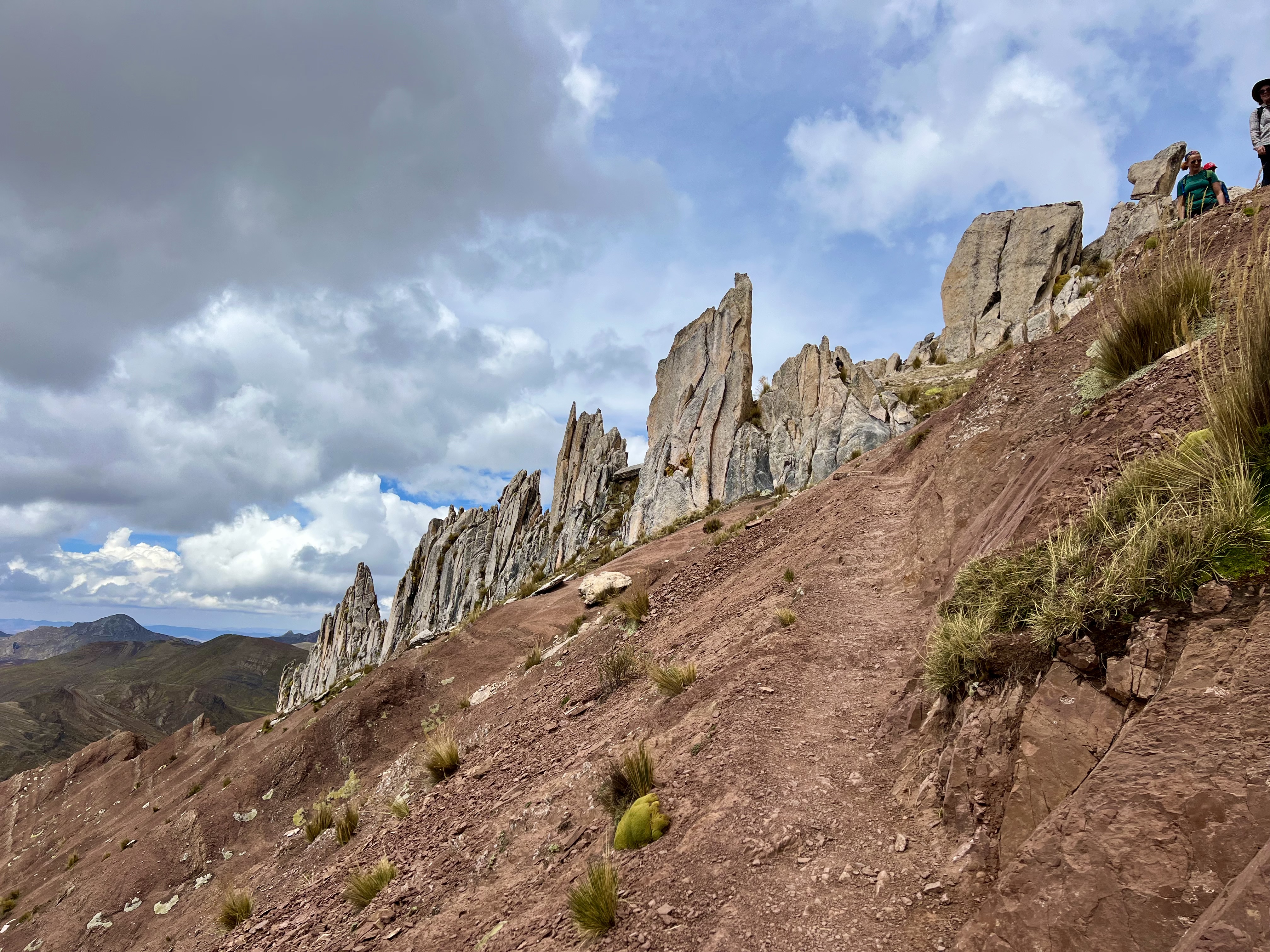
Even though I did not want to go back to Machu Picchu, I did want to visit an undisturbed Incan cult site in the mountains. Waqrapukara opened up to tourism fairly recently and is only a day trip from Cusco, unlike Choquequirao, which is a three to four day trek. Waqrapukara was called by two names, the horned mountain or the ears of the llama mountain. The name comes from the two hills that shoot up from the plateau like horns or ears depending on the perspective. This site is amazing. It was used as a religious as well as astronomical observatory as the sun falls directly in the middle of the platform on the equinoxes. The horns/ears also create a tunnel between surrounding mountains. The walls were formed directly from the rock face in an incredible feat of engineering prowess. There are a few different paths to get to the site, and it is recommended to take a tour rather than try to figure out the paths by oneself. The tour I took had a total of eight people, mostly from Peru, and took off from the small village of Santa Lucia. This entailed about an hour and a half winding gravel road up the mountain and at least one person did get carsick. (Not me!) This route, however, had the shortest trail. The first part was relatively flat until it went quite steeply up for about 20-25 minutes to get to the bottom of the site. Then there are very steep small stone stairs to get to the three levels of the complex. Some of the stairs and paths at the top require good footing and no fear of heights. The views from the top, and our group was alone there, were breathtaking. The steep canyon below could have been a slightly more vegetated Grand Canyon, with many kinds of cacti. It is amazing to me how people construct such sites on the tops of mountains.
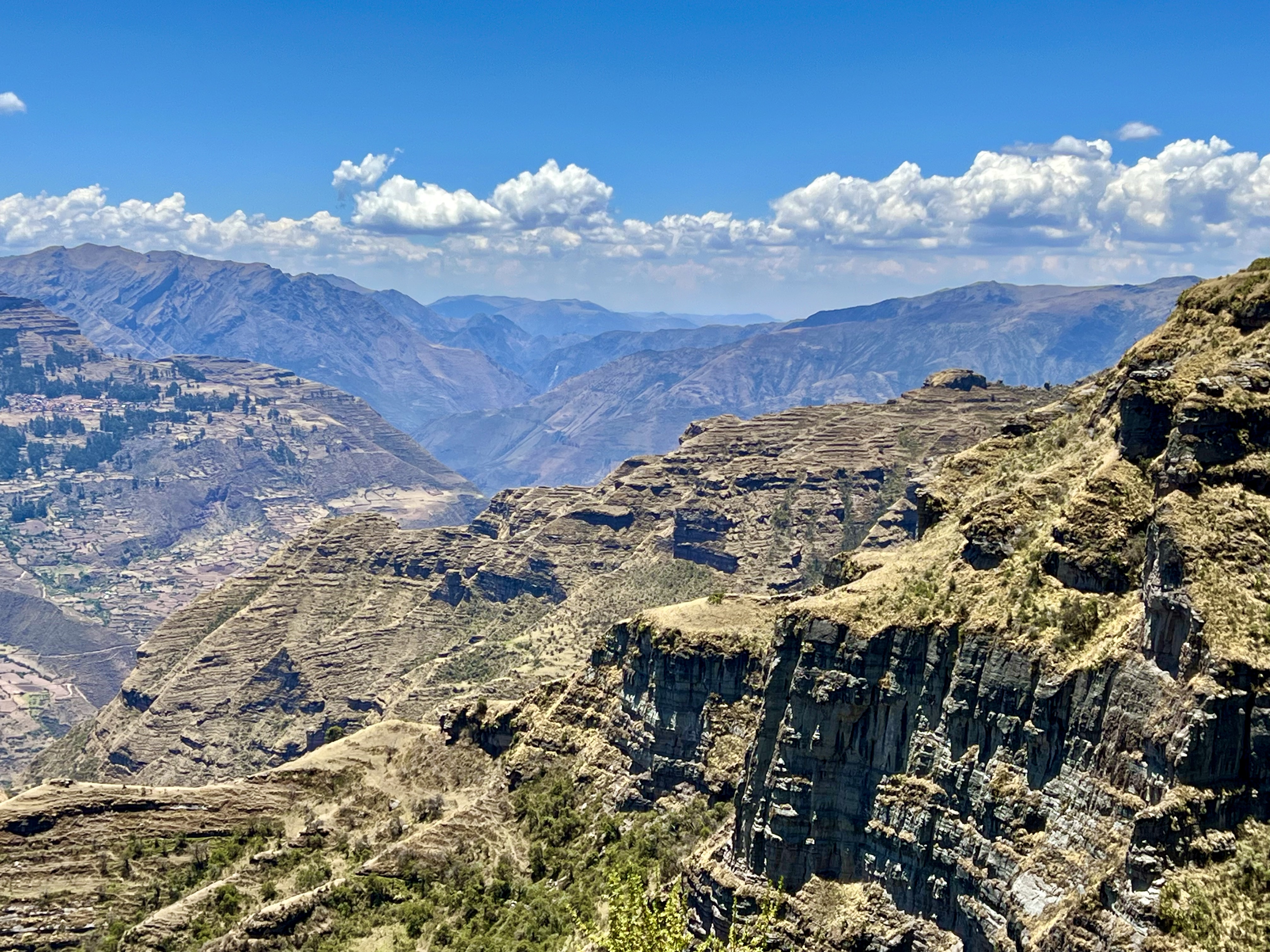


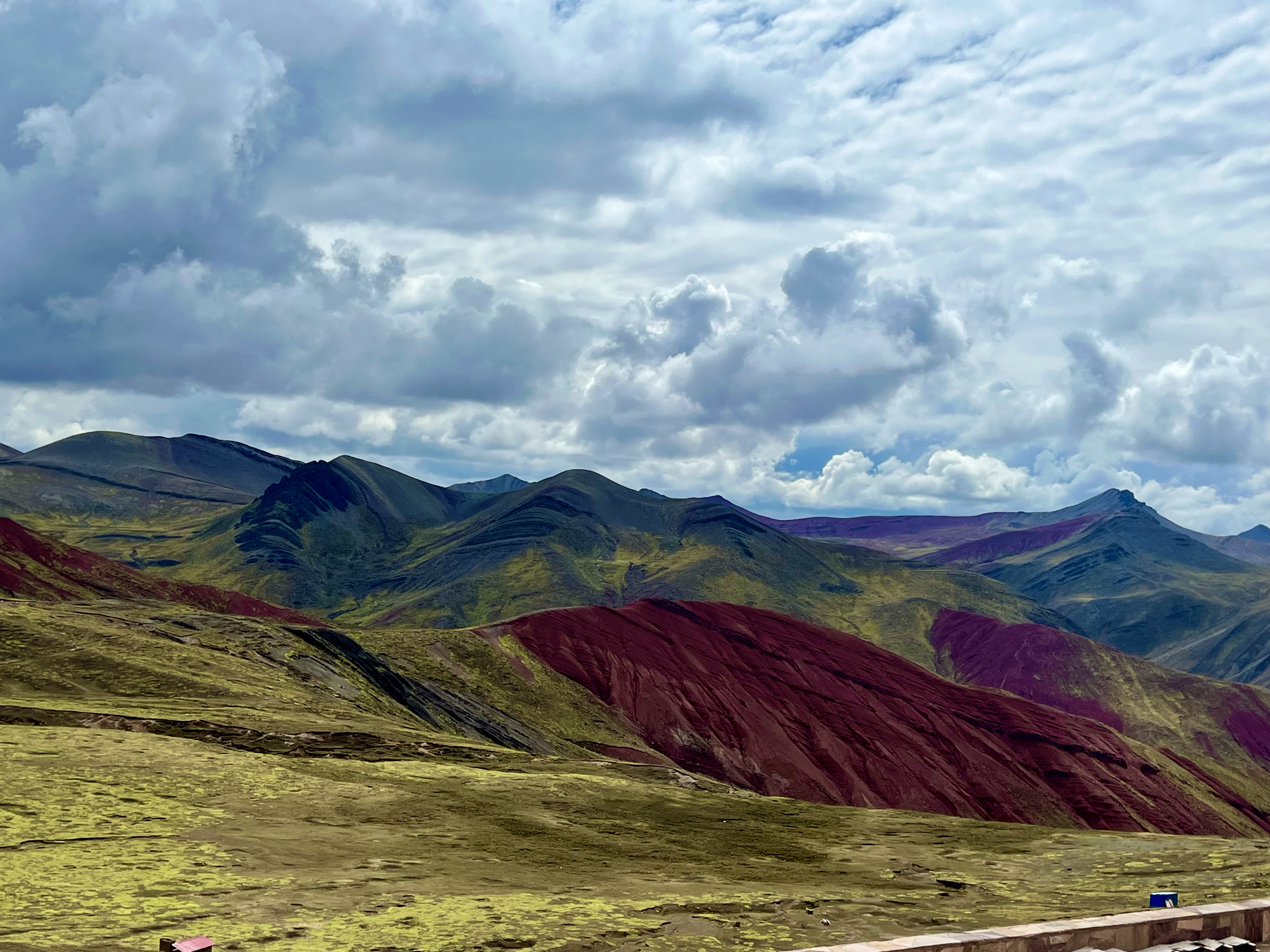
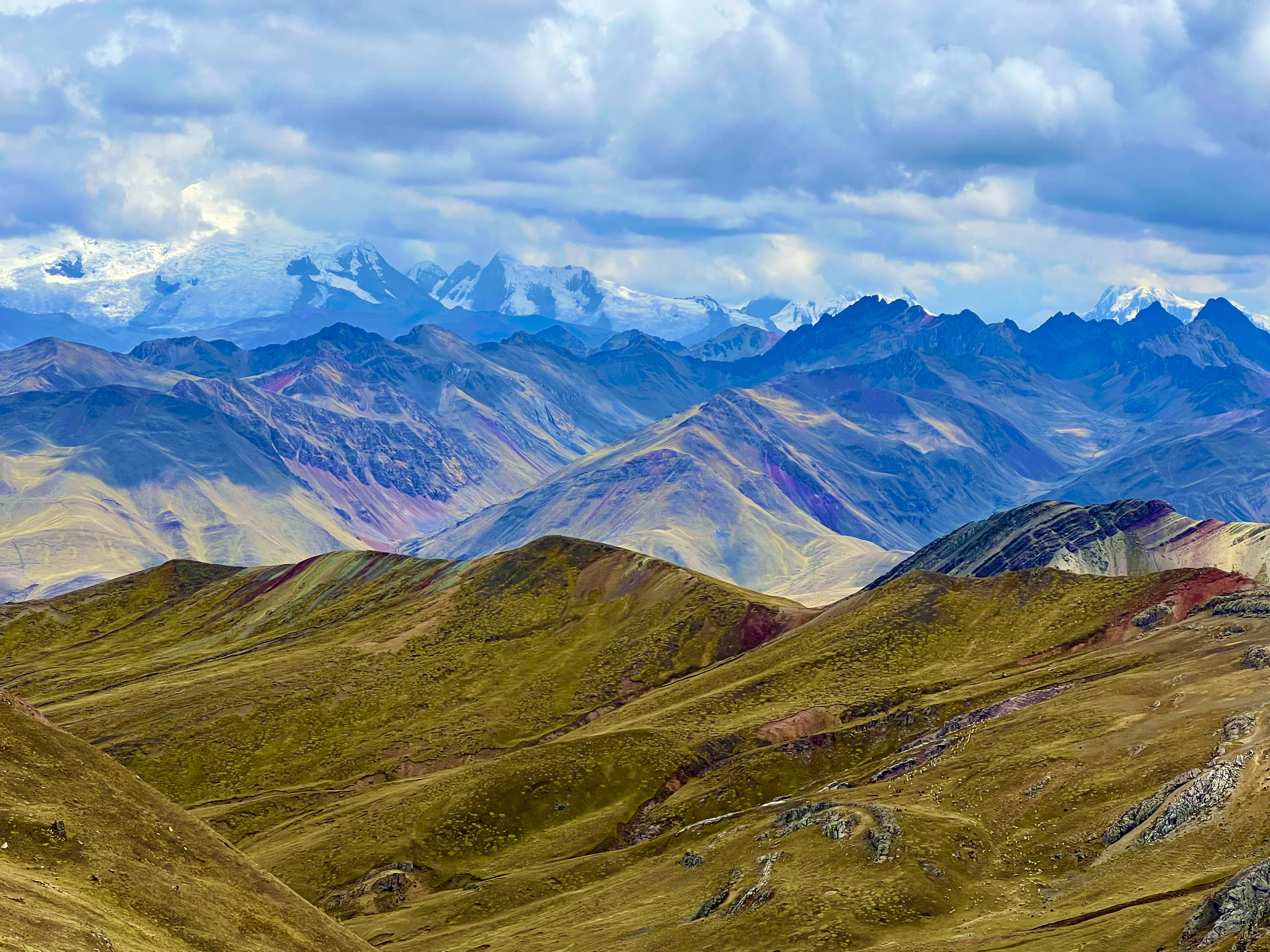
The tour that got me to Waqrapukara was my second attempt to get there. The first time, a week before the successful event, we were unable to go up the gravel section of the road as it was closed for a rally. The tour guide suggested we go to another place across the valley as no one in the group had been there. There are three ‘rainbow mountain’ tours in the Cusco area. The main one, has thousands of people and is almost as popular as Machu Picchu. One of the other ones, Palccoyo, has much less traffic, and this is the one we went to. It was a beautiful walk/short hike (1 ½-2 hrs) with amazing views of the different colors from the earth’s minerals shining through. In the distance from the top, Ausungate, the sacred glaciated mountain, peaked through the clouds. The Andes around Cusco are truly beautiful.
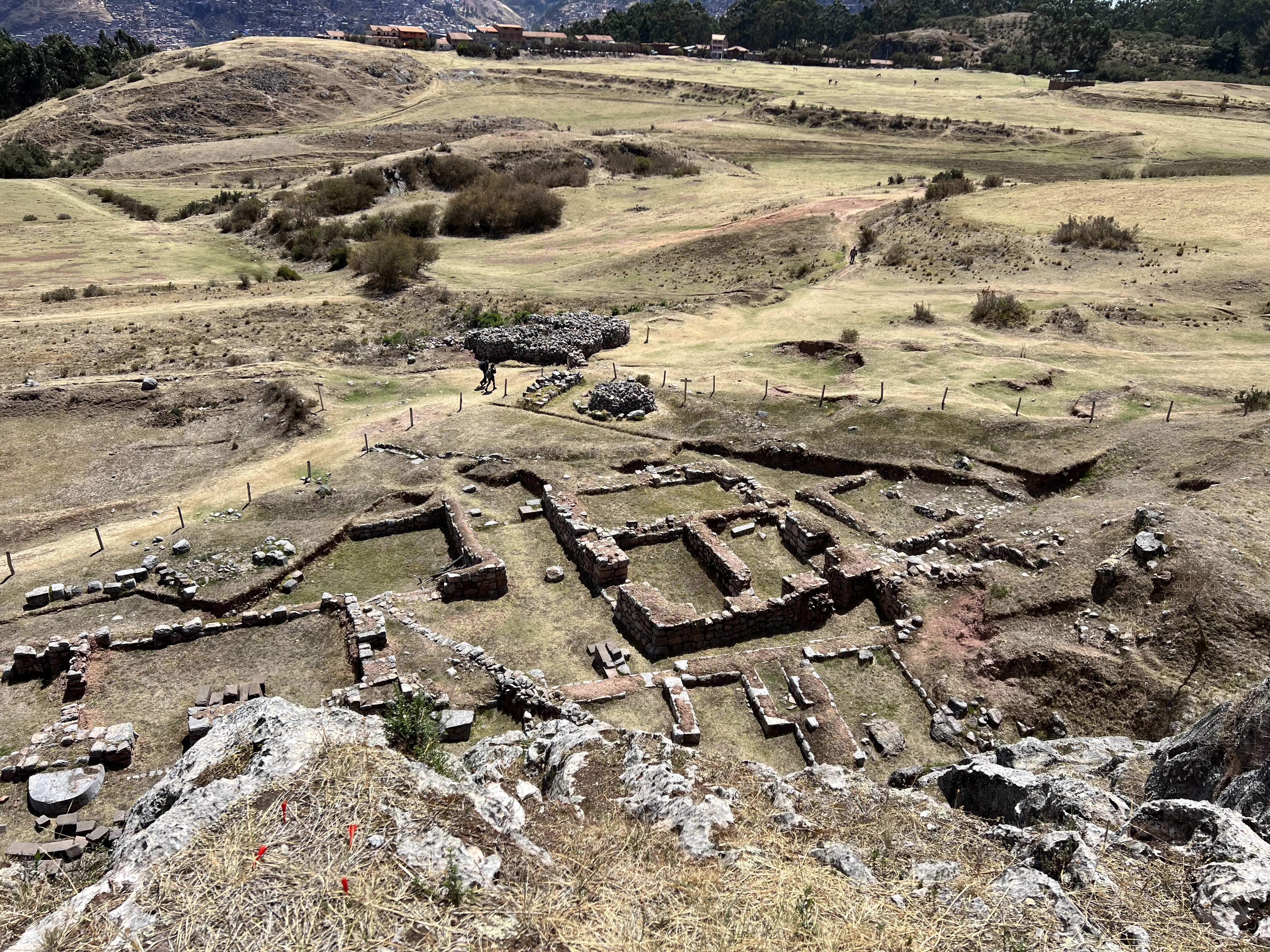
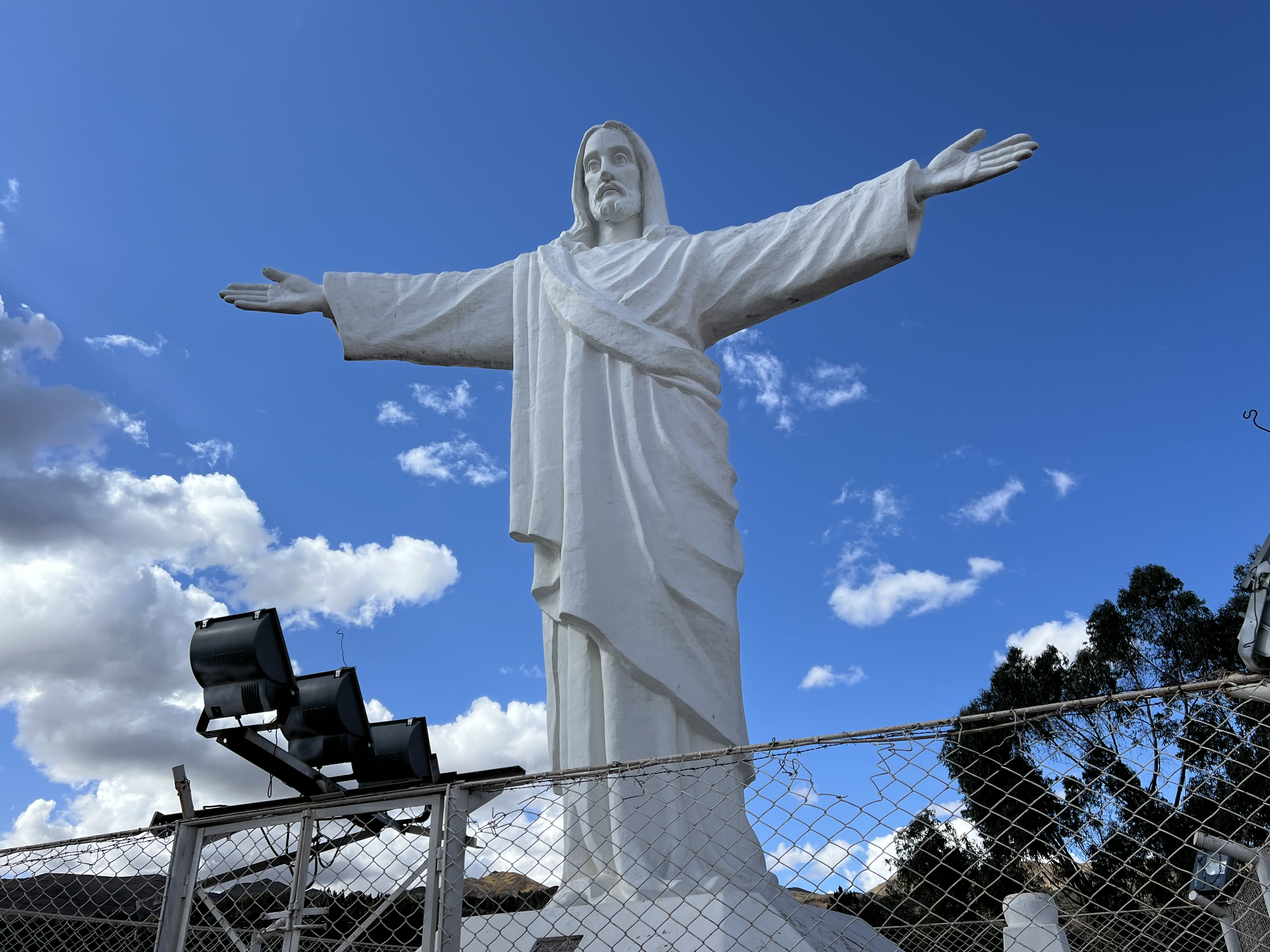
On days when I had time between classes and wanted to get up in the hills, I took a taxi up past Sacsaywaman to wander around the various sites that aren’t part of the tourist ticket. The Tourist Ticket is required for a few museums in town, the sites in the Sacred Valley and the four major sites starting from Sacsaywaman up the mountain. There are other sites in this area, though that are just as interesting including Temple of the Moon and Zone X with its labyrinthian caves. It is easy to take Colectivo for 1-2 Soles back to town or to hike down via Cristo Blanco, the large white Jesus statue on the hill below Saqsaywaman and above the town.
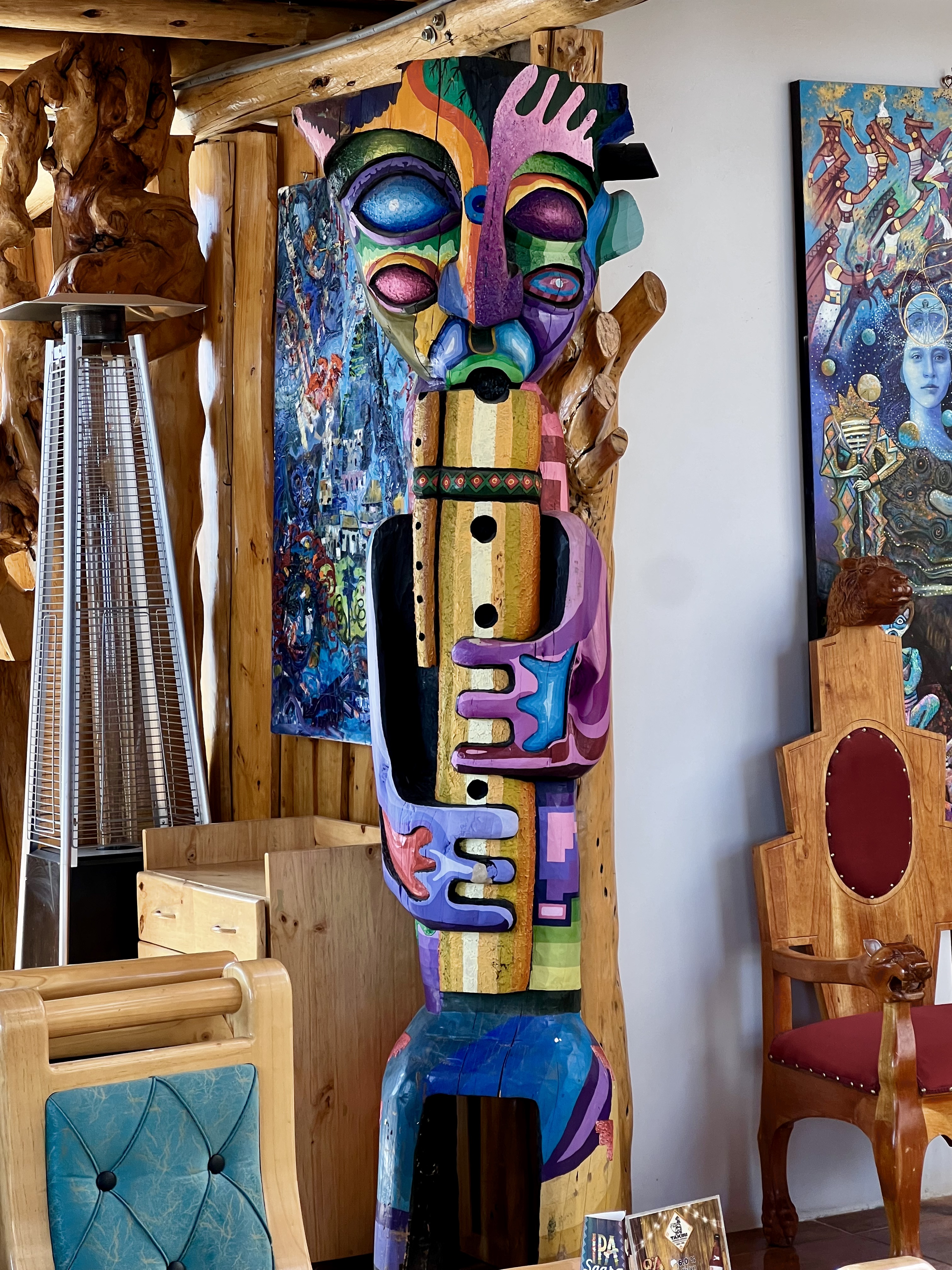
One place that did require a taxi ride was the La Morada de los Dioses/ Apukunao Tianan. A local artist, Michael de Titan, has created huge relief sculptures of various gods and goddesses out of the mountainside. The artwork is amazing and the views from the various platforms incredible. The café is made from intricately carved wood and is a work of art in itself. I was there on a Sunday and, while there were quite a few people, I was the only foreigner


Tapay Capac (pre-incan warrior), Wiracocha (main deity), Mama Sara (goddess of corn and fertility) and the Puma (oversees Kay Pancha, this world)
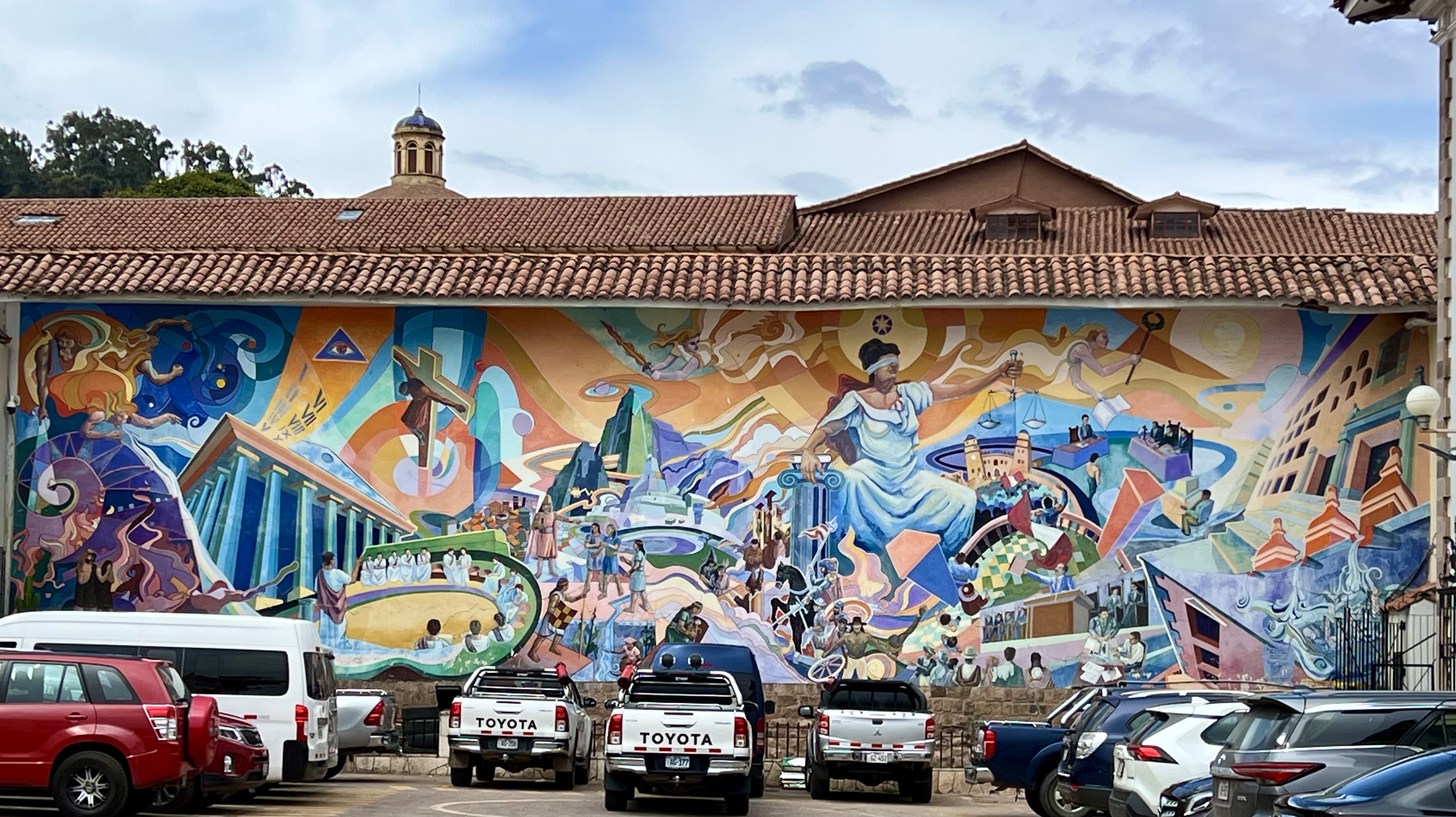
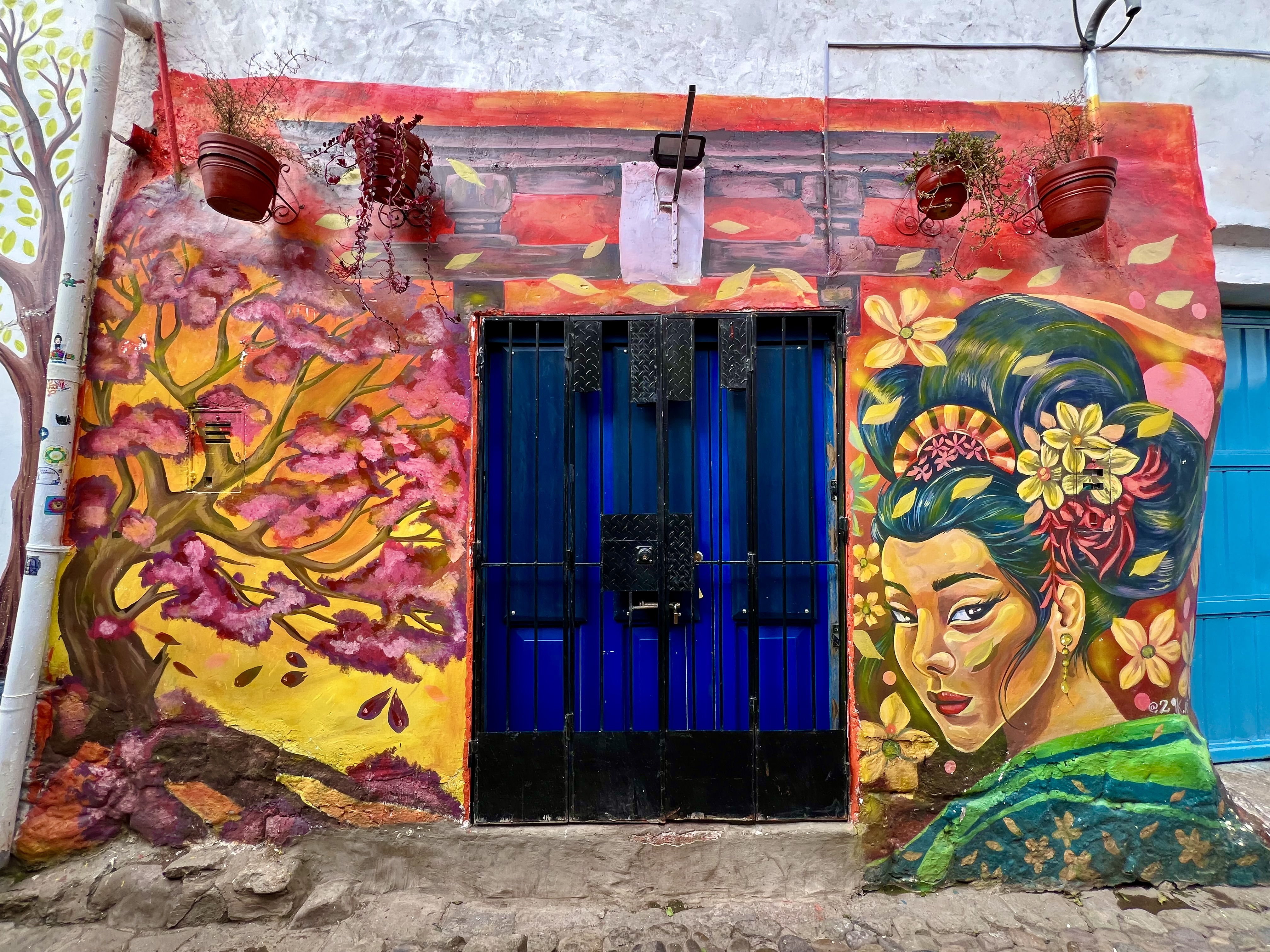
Art is part of the soul of the city and is apparent not only in the architecture and the many galleries in town, but also on the wall murals. Many of the murals are quite intricate; some convey both the history and beliefs of the people while others are simply beautiful paintings.
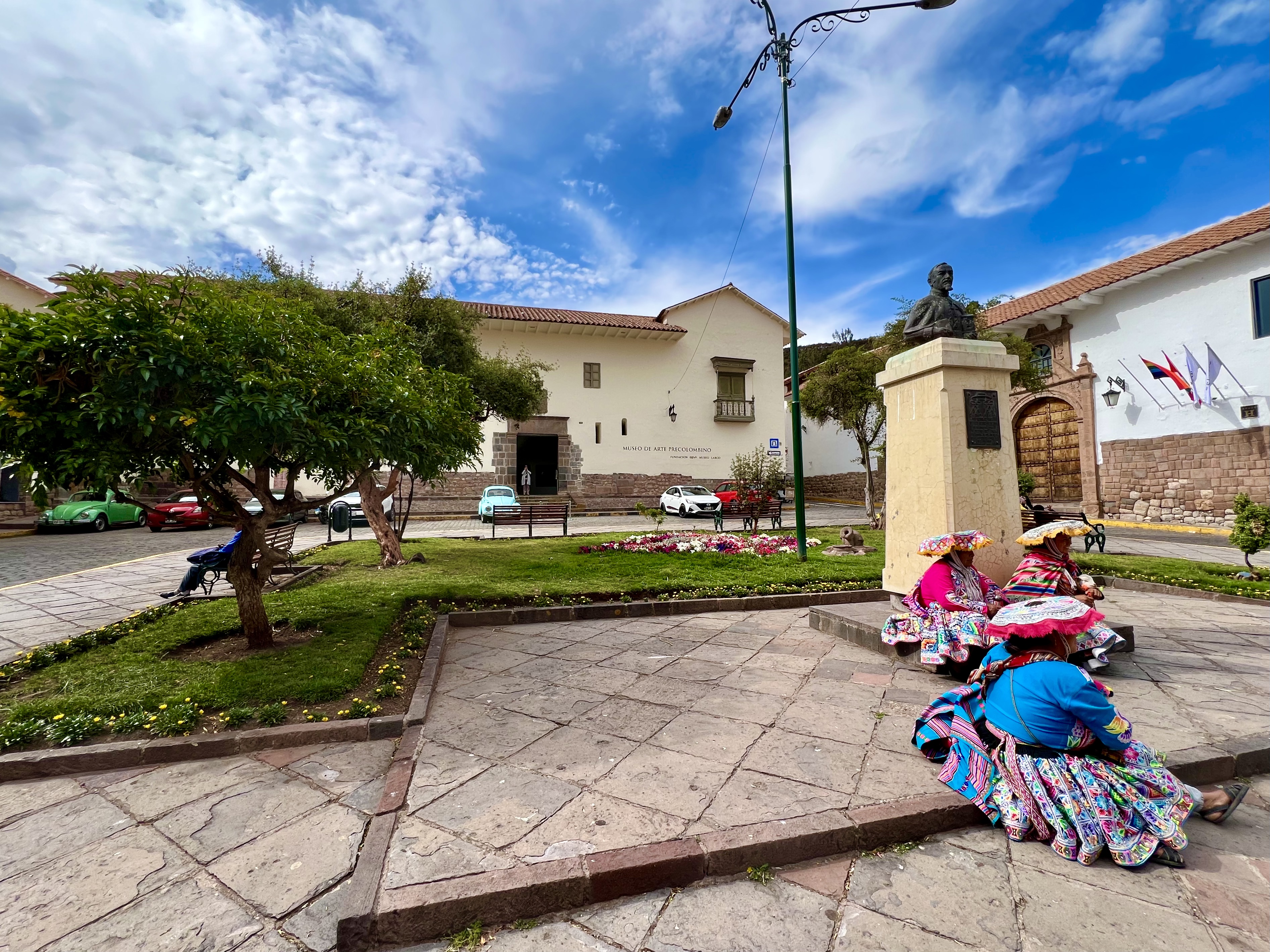
I should say a word about a few of the many museums in town. My favorites were the Pre-Columbian and Incan Museums. Both had excellent signage that explained the pre-Incan as well as Incan cultures. The Museum of Popular Culture has lots of cult dolls that gave me the creeps, but they also had a very good video explaining the history of Cusco from its earliest habitants. The Incan and Popular Museum were part of the Tourist Ticket. It costs Soles 130 and is good for 10 days.
For those who are curious about food and drink, roasted guinea pig and alpaca are traditional dishes – neither of which I tried as I had guinea pigs as pets when I was a kid, and I like alpacas. Chicheron, a pork dish is a local favorite and is quite tasty. There are two drinks that are traditional to the area, Pisco Sour, which is actually from Arequipa, and Chicha, a fermented purple corn beverage. Chicha was considered to be a sacred drink, but now it is available almost everywhere. It too is quite good.
My time in Cusco has come to an end. I wish my brain was somewhat more agile and that the time in the school had made me fluent, but although I can read everything, I still cannot get this language to come out of my mouth correctly. Hopefully, over the next couple of months this will improve.
Tomorrow it is on to Lima and the Lorca Museum before heading to Huaraz and the Cordilla Blanca for a few days of hiking and ancient archeological sites, including Huantar de Chavin.
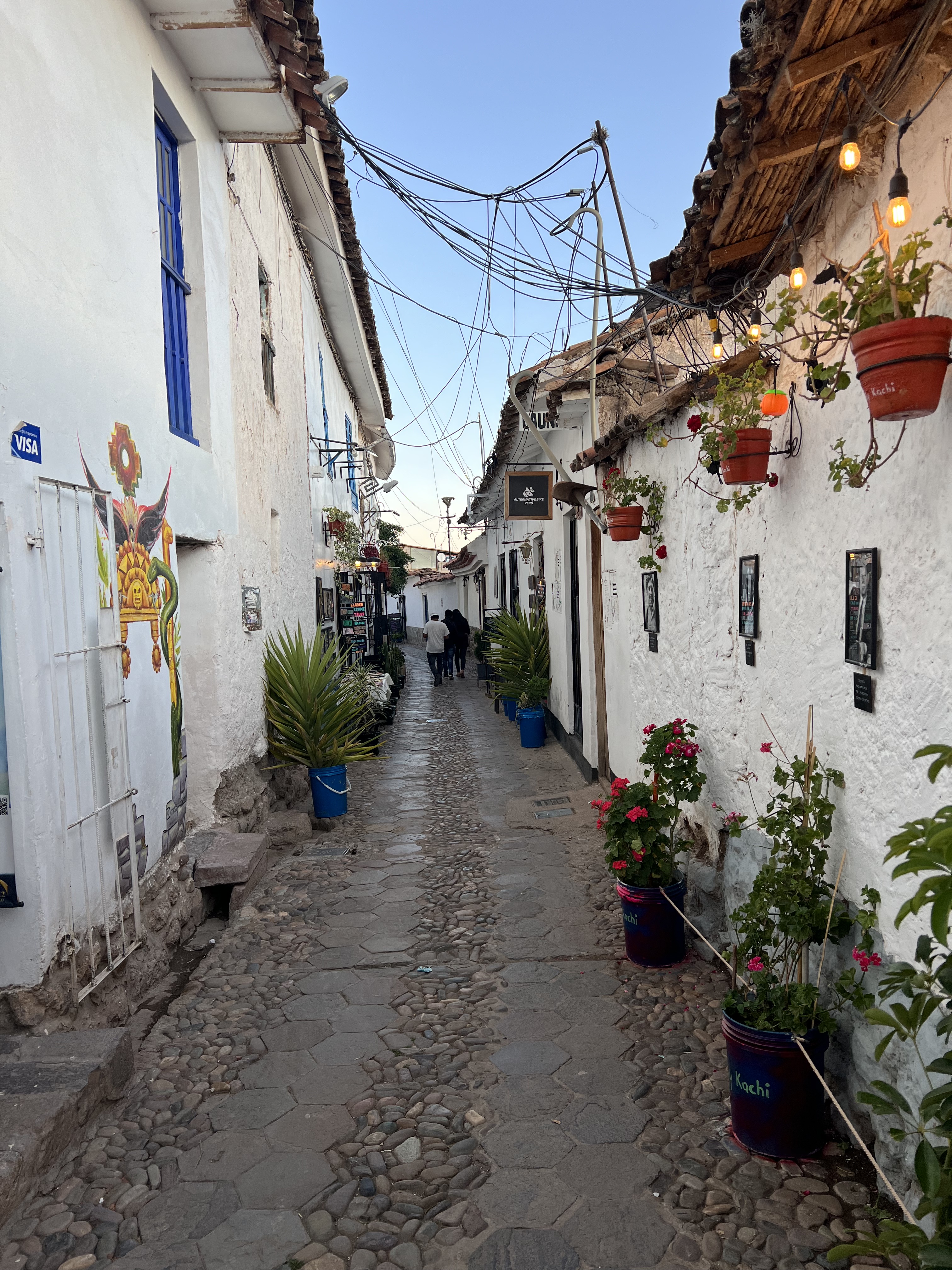
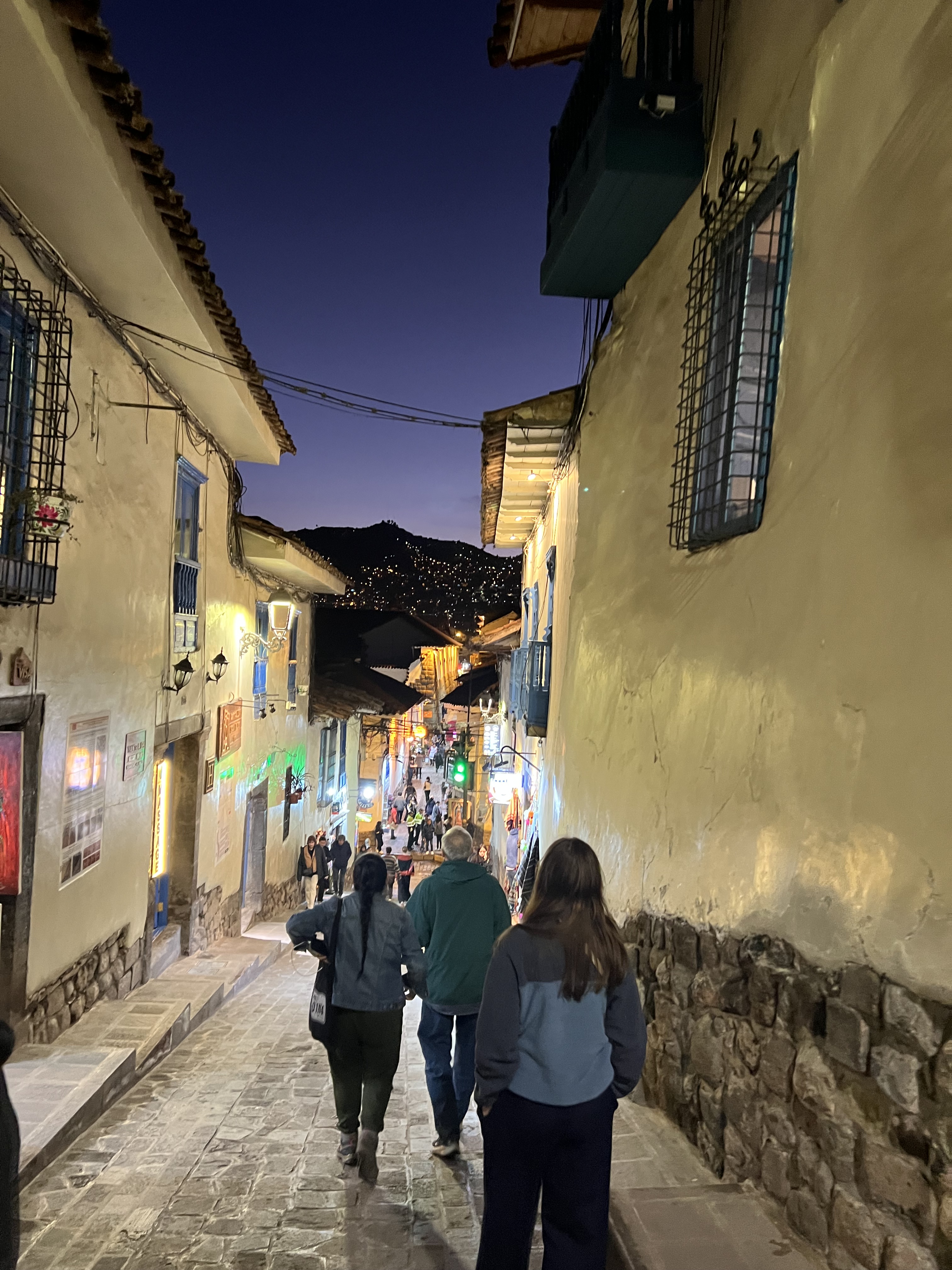
Just a few more photos:



 omegoodyssey