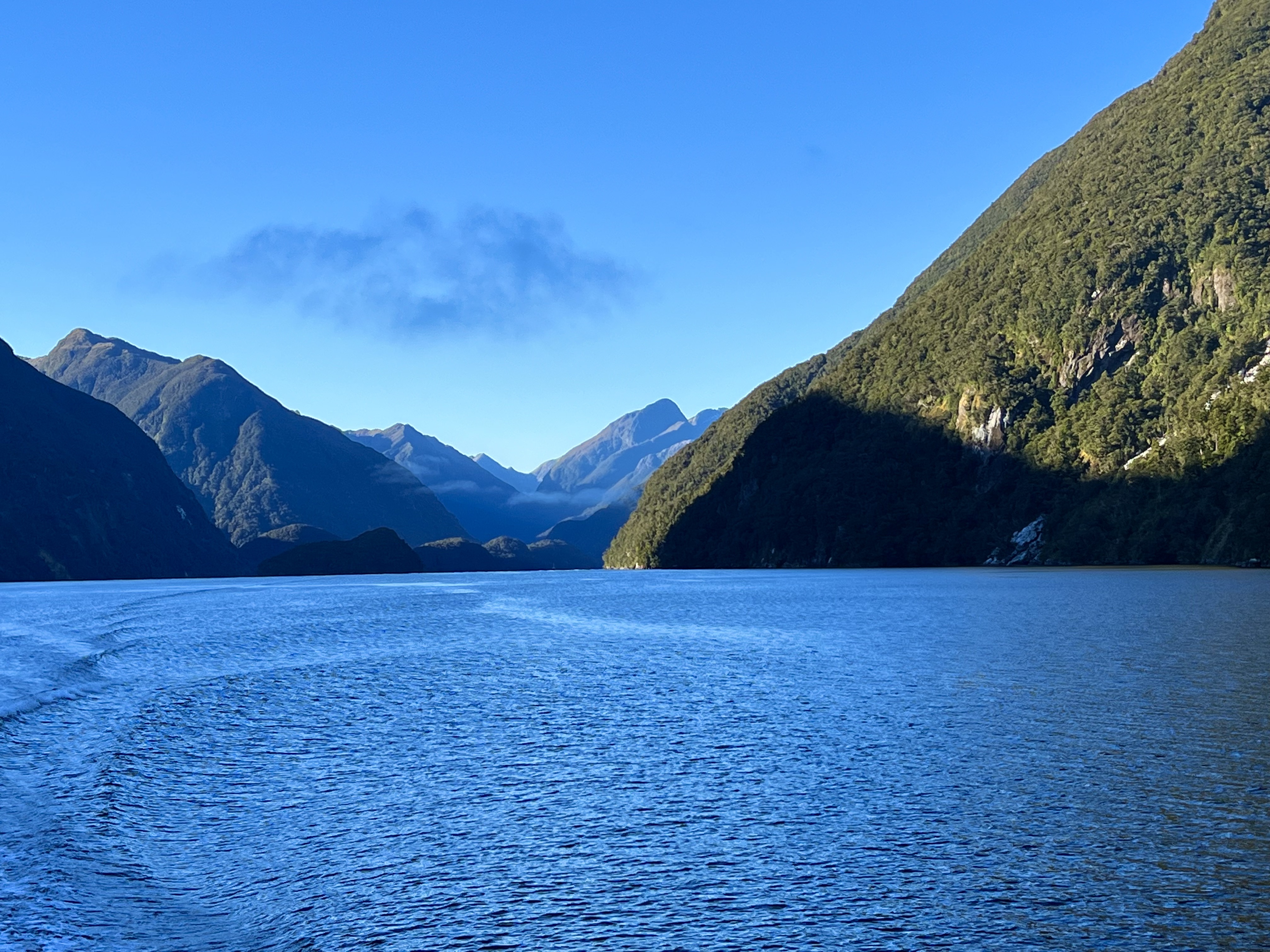
Doubtful Sound
There are two major fiord cruises through the sounds/fjords in Fiordland on the South Island of New Zealand. The most popular and famous is the Milford Sound excursion. Boats regularly leave from the top of the Sound on one- or two-hour tours. The other is the Doubtful Sound tour, which is an all-day event as it has three parts to it. The first is a little over an hour boat ride across Lake Manapouri, from where the excursion starts, then a 50-minute bus ride over a pass to the actual fiord ferry boat. The best place to leave for either tour is Te Anau as it is only 20 minutes from Lake Manapouri and, although it is still 1 ½ to 2 hours away, it is the last town before Milford Sound, which isn’t really a town, just a boat dock, with a café and lodge. Te Anau sits on a lake of the same name and is quite beautiful as the lake is surrounded by the mountains of the Southern Alps. Accommodations here are also less expensive than they are in Queenstown, about 2 hours away. For the New Zealand leg of my trip, I met up with friends from Utah, and we will be traveling together for the next three weeks.
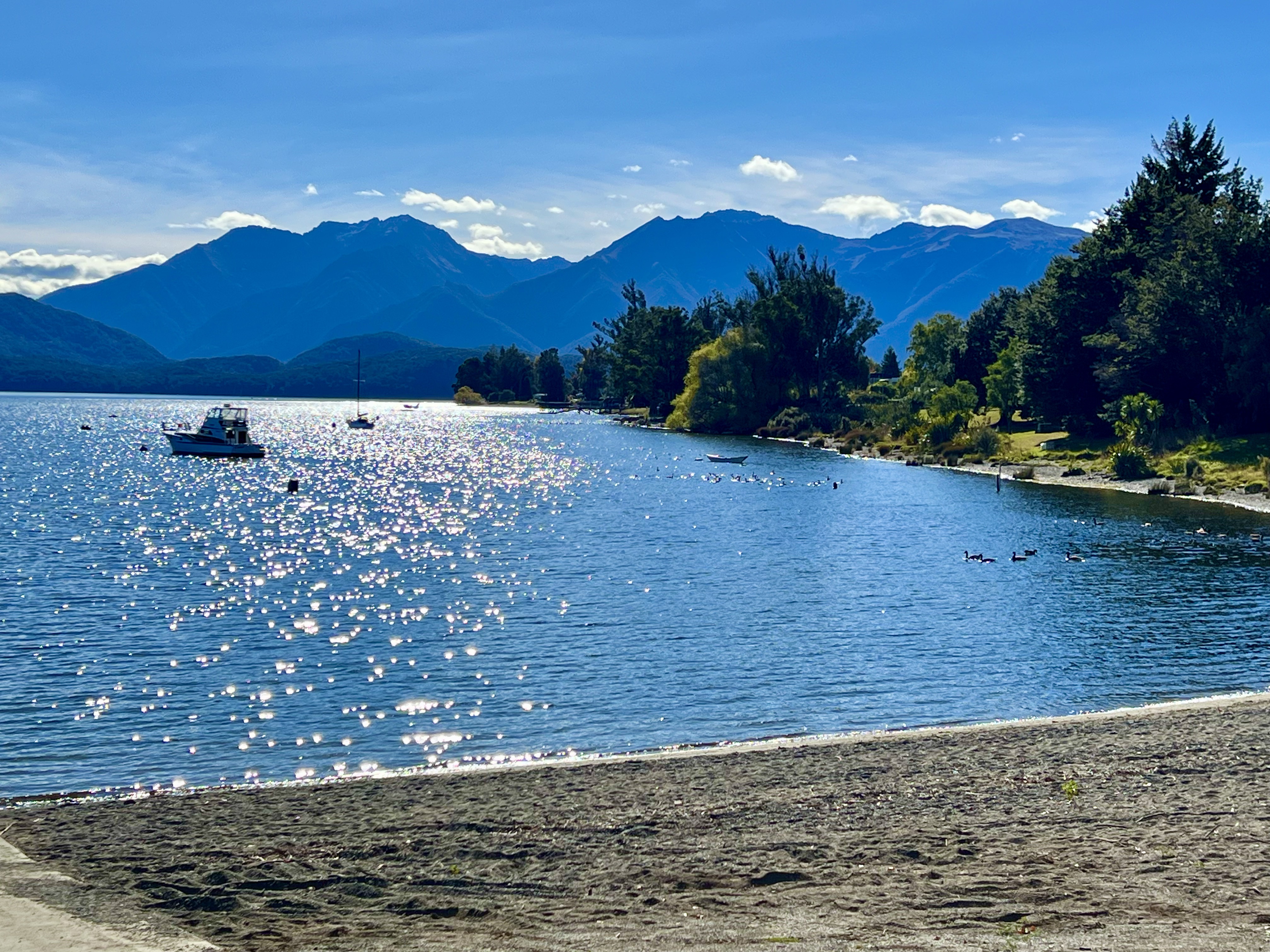
Te Anau Shoreline
I had booked the Doubtful Sound excursion for us months ago as I had read that the Milford Sound tours are packed with people on bus tours and the Doubtful Sound trip has less mass tourism. It is always a gamble with the weather on the west coast of the South Island, and I was hoping that on April 2nd it wouldn’t rain or be too windy and ideally that the weather would be good. The weather gods were incredibly kind, and April 2nd was the first sunny and relatively calm day in the last nine months! This made the trip even more special as the mountains were clearly visible, and we could actually leave the Sound and go out into the Tasman Sea. We could also get a closer look at the fur seals that hang out on a rocky island at the end of the Sound bordering the Sea. The trip began before sunrise; after about 30 minutes the sun started to come up over the water yet under high hanging clouds. As it crept higher and the morning mist receded, ever more of the mountain slopes came out from the dark shadows of night into daylight. As the sides were often cliff-like, it wasn’t until almost noon that the entire mountainous region was clearly visible.
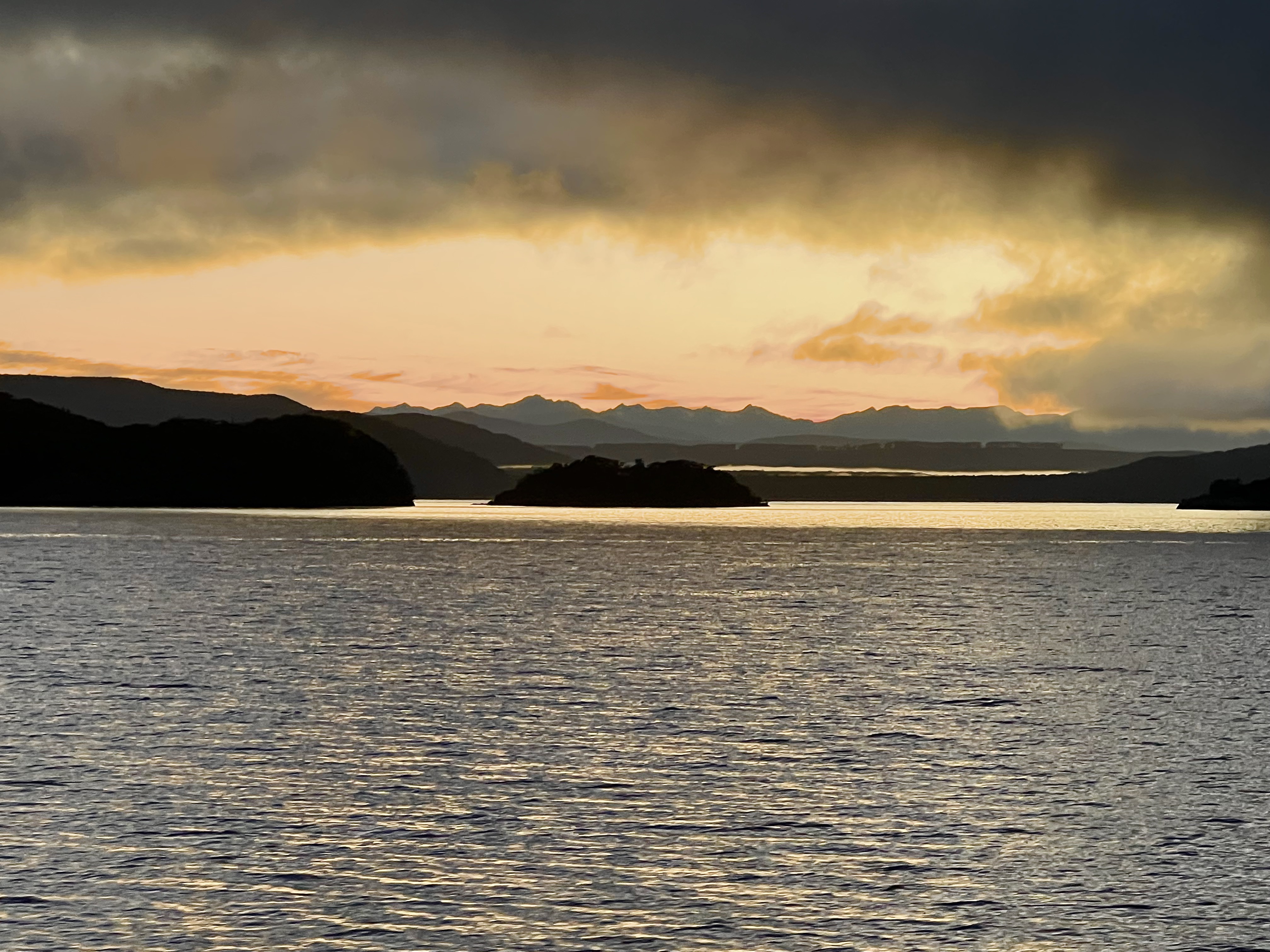
Daybreak on Lake Manapouri
There were naturalists and guides on each leg of the trip. Across the lake the captain explained the difference between a sound and a fjord and why New Zealanders spell the waterway with an i rather a j. It turns out that the first European to visit the region was Captain Cook, who only knew sounds, not fjords. When later explorers came, they recognized that a sound is formed by glacial waters flowing from rivers into the sea, whereas a fjord is formed from underwater glacial valleys that filled with sea water and that the sounds in SW New Zealand are really fjords, but the earlier names stuck. In order to sort of correct the mistake, the entire region was named Fiordland, with an i to differentiate from other places. He also explained that this is the second most rainy place on earth; only Kauai in Hawai’i is more inundated. On average there are over 200 rainy days per year and many of the remaining are windy and cloud covered. We were especially lucky to have a clear day.
On the bus, the driver explained how and why the road over the pass was built. In the 1960s the government realized that they needed a hydroelectrical plant to meet the needs of the South Island. The location at the far end of Lake Manapouri was chosen as the site, but there was no way to get from the sea to the power station, so they had to build a road. According to what we were told, the project remains the most expensive public works expenditure in New Zealand, costing in the end over NZ$200 pr. centimeter, and it is over 20 kilometers long. Nonetheless, the waterpower produced from this plant supplies the entire South Island with clean and sustainable electricity.
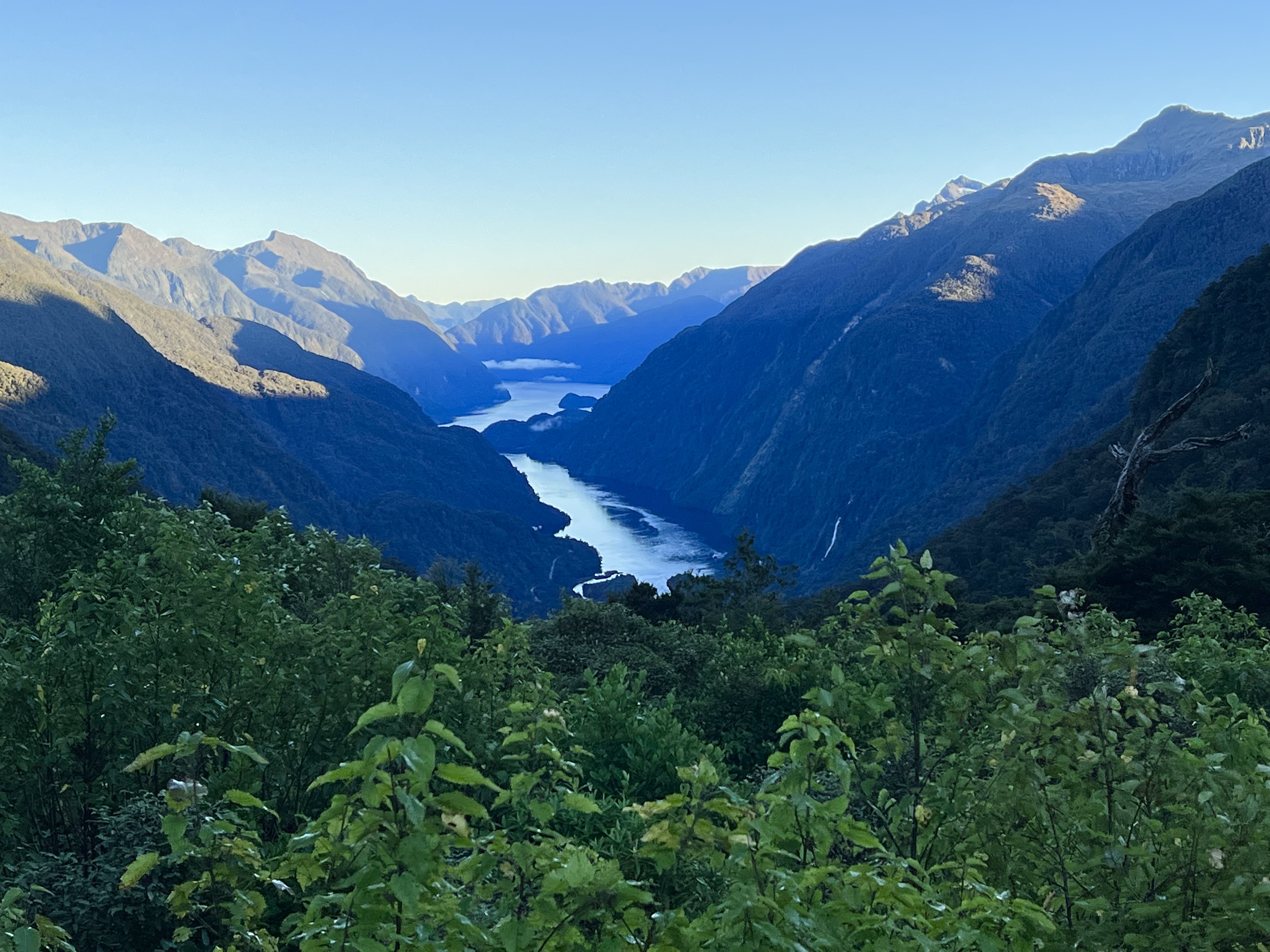
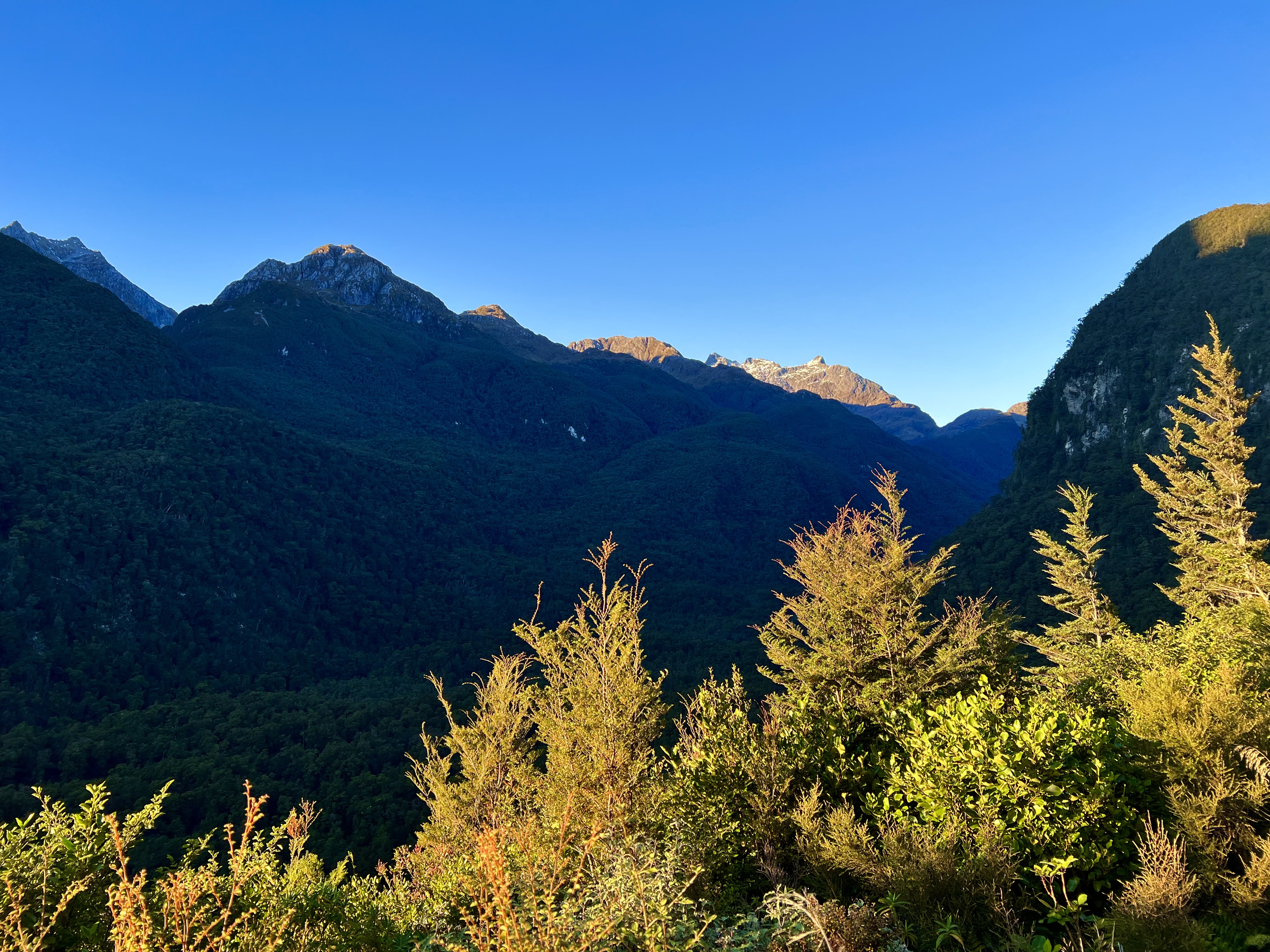
View from top of the pass overlooking Doubtful Sound
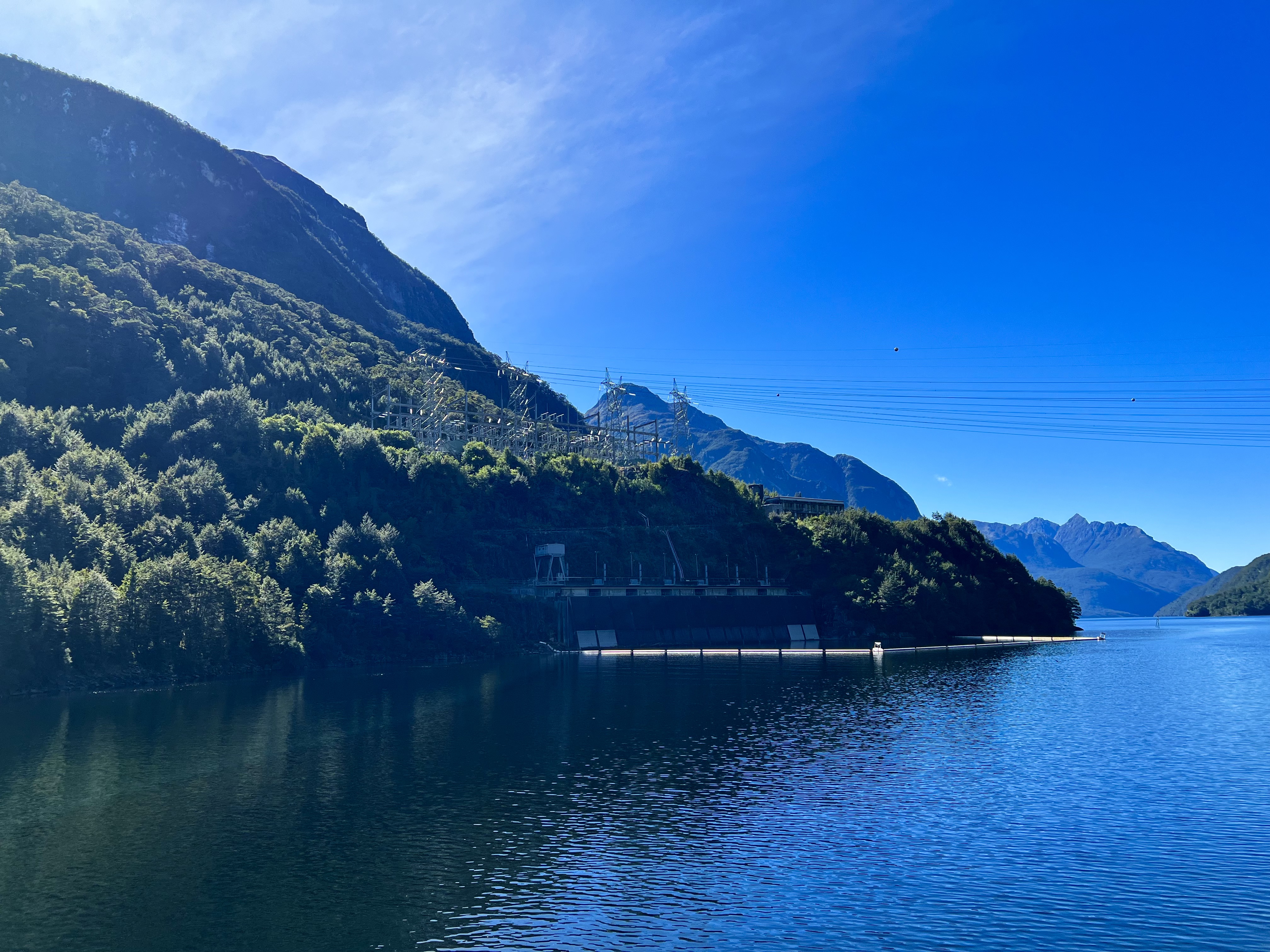
Power Plant on Lake Manapouri
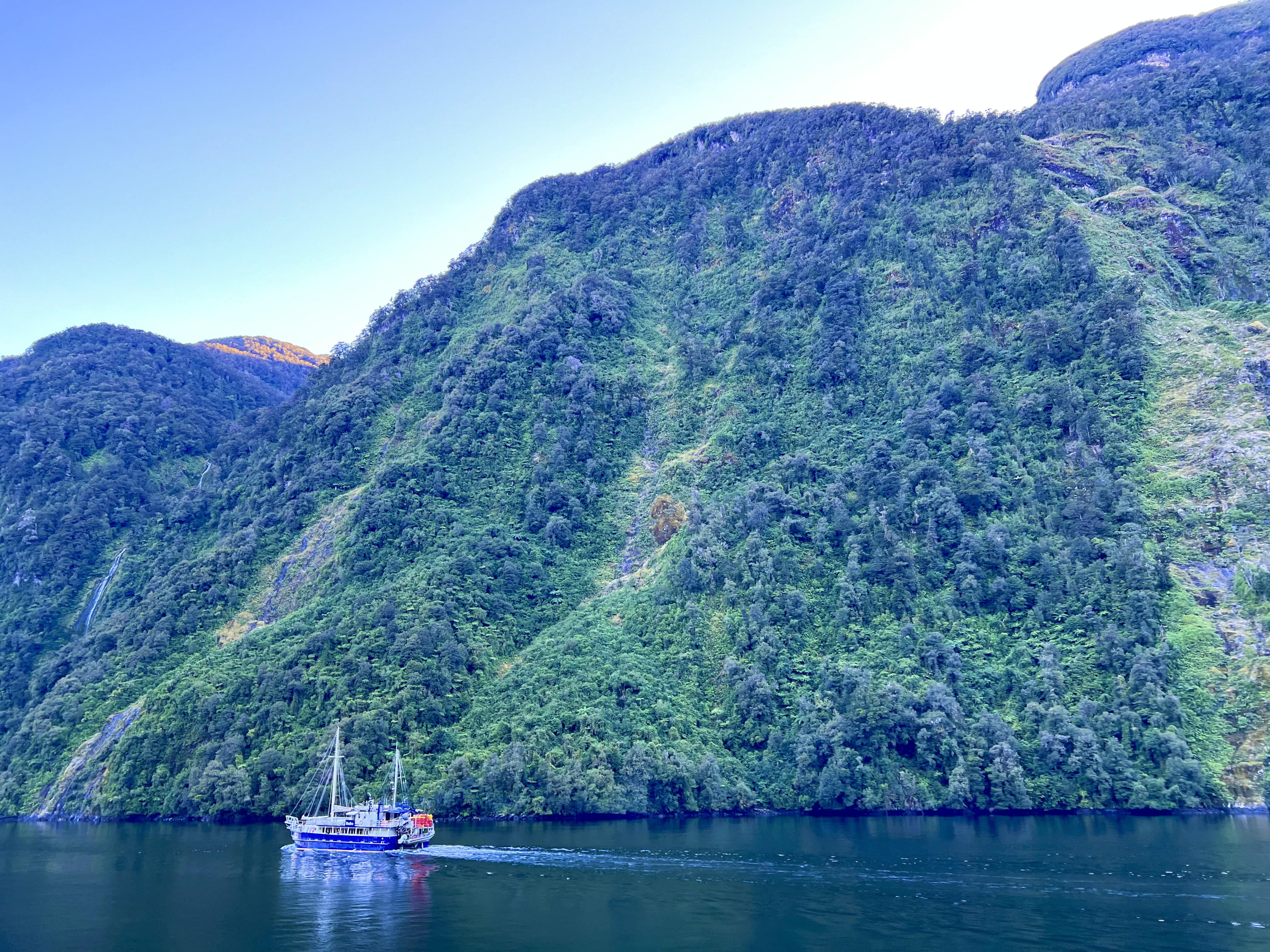
The naturalist on the last ferry explained how the sides of the rocky slopes are constantly changing, and how lichen provide a base for grasses that in turn provides a base for shrubs and later trees with spreading rather than deep roots. The mountain sides are incredibly green with lush vegetation and intermittent streaks of bare rock. The bare rock is where wind and rain have swept the vegetation away and the process starts all over again.
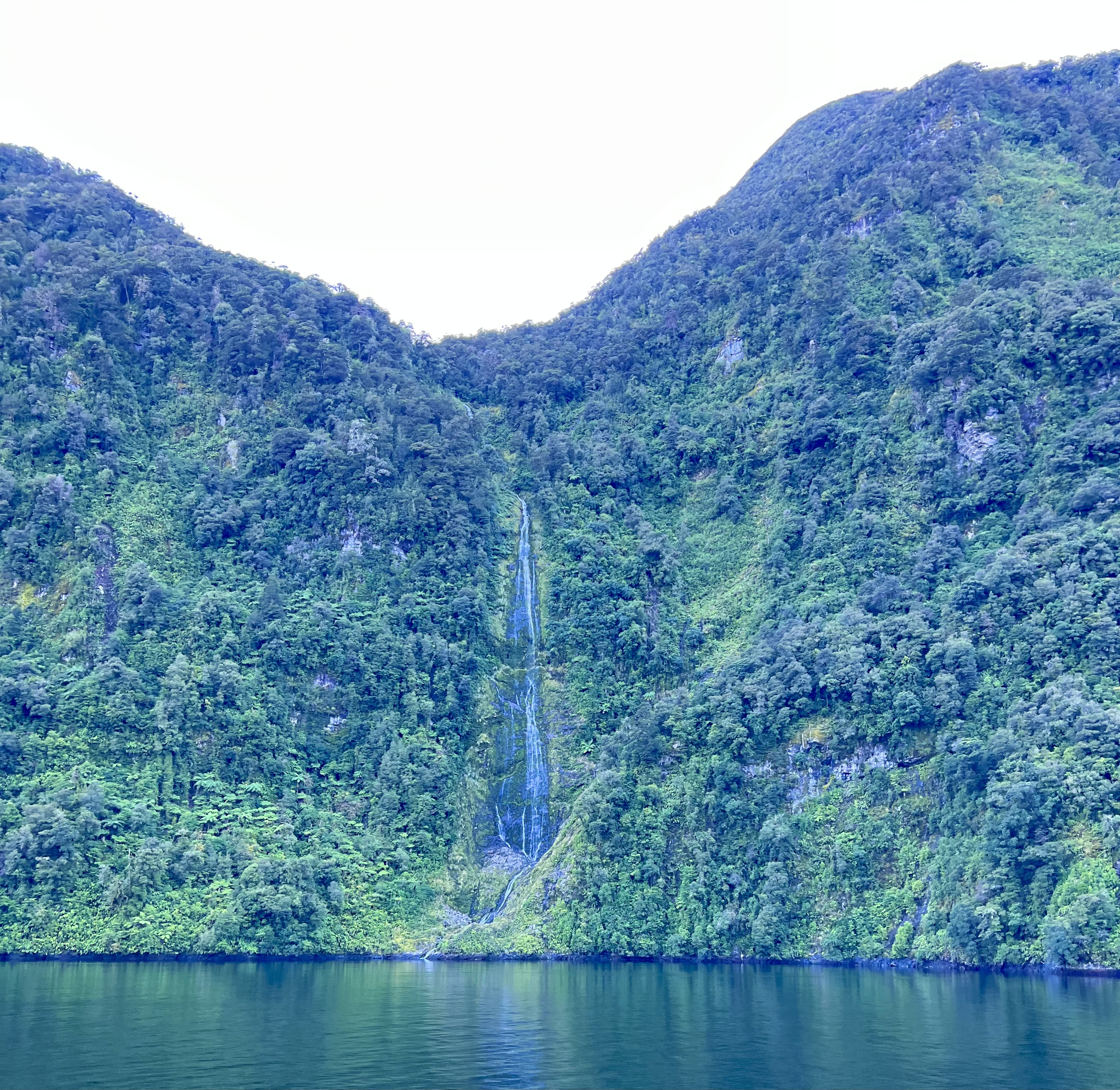
Waterfalls on the sides of the cliffs
As it was relatively calm, it was the first time in awhile that the crew had been able to get near the fur seal colony. I’m not sure who was more excited- if we were or the staff – as we watched the pups scamper up the golden rocky slope of the island where momma seals watched over their young. The naturalist explained how the seal fur trade of the 19th and 20th centuries had almost decimated the fur seal population and how the laws against it and commercial fishing in the Sounds has brought both the seal and fish populations back to more sustainable levels.
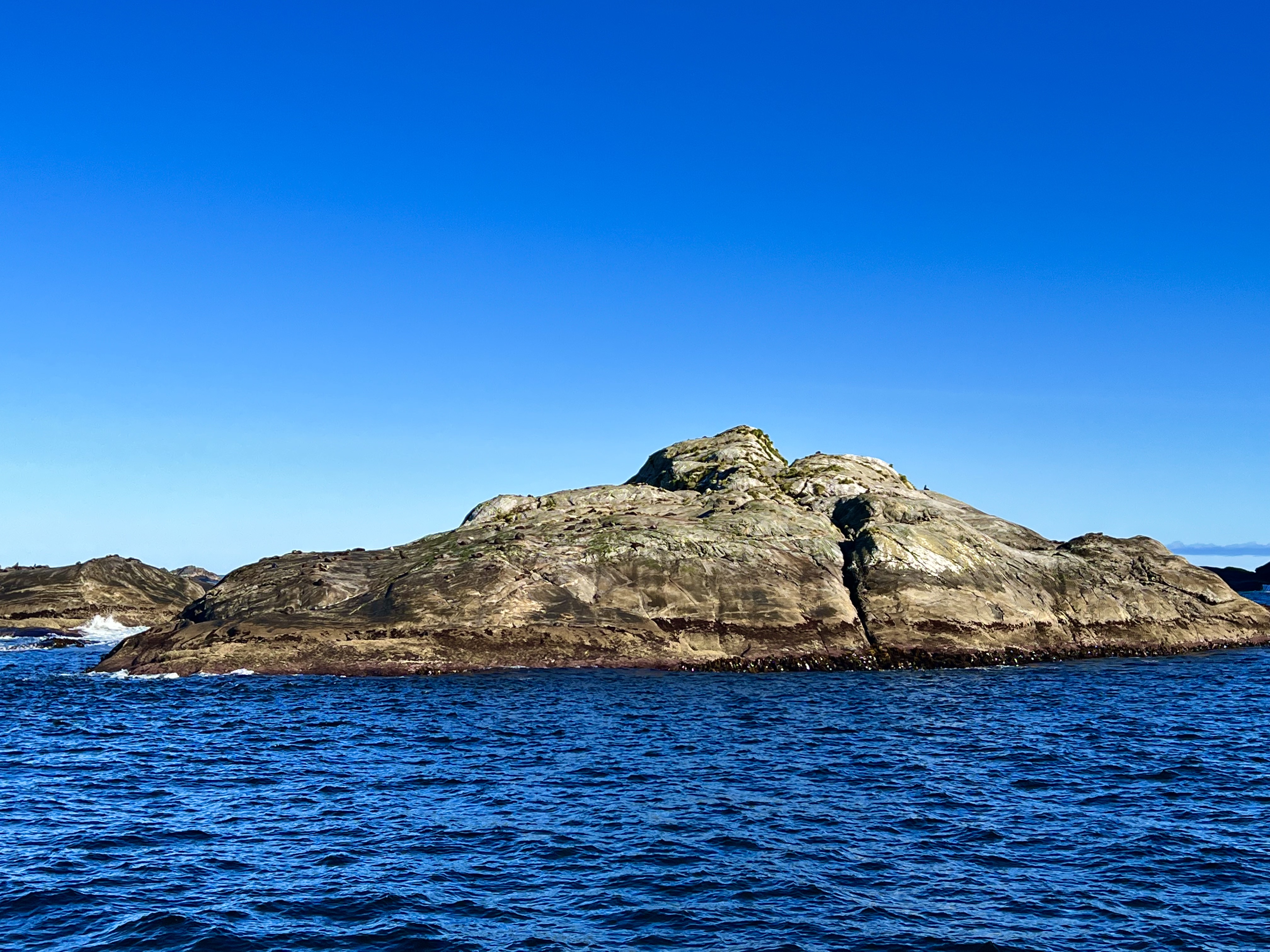
Seal colony at the end of the Sound on the Tasman Sea
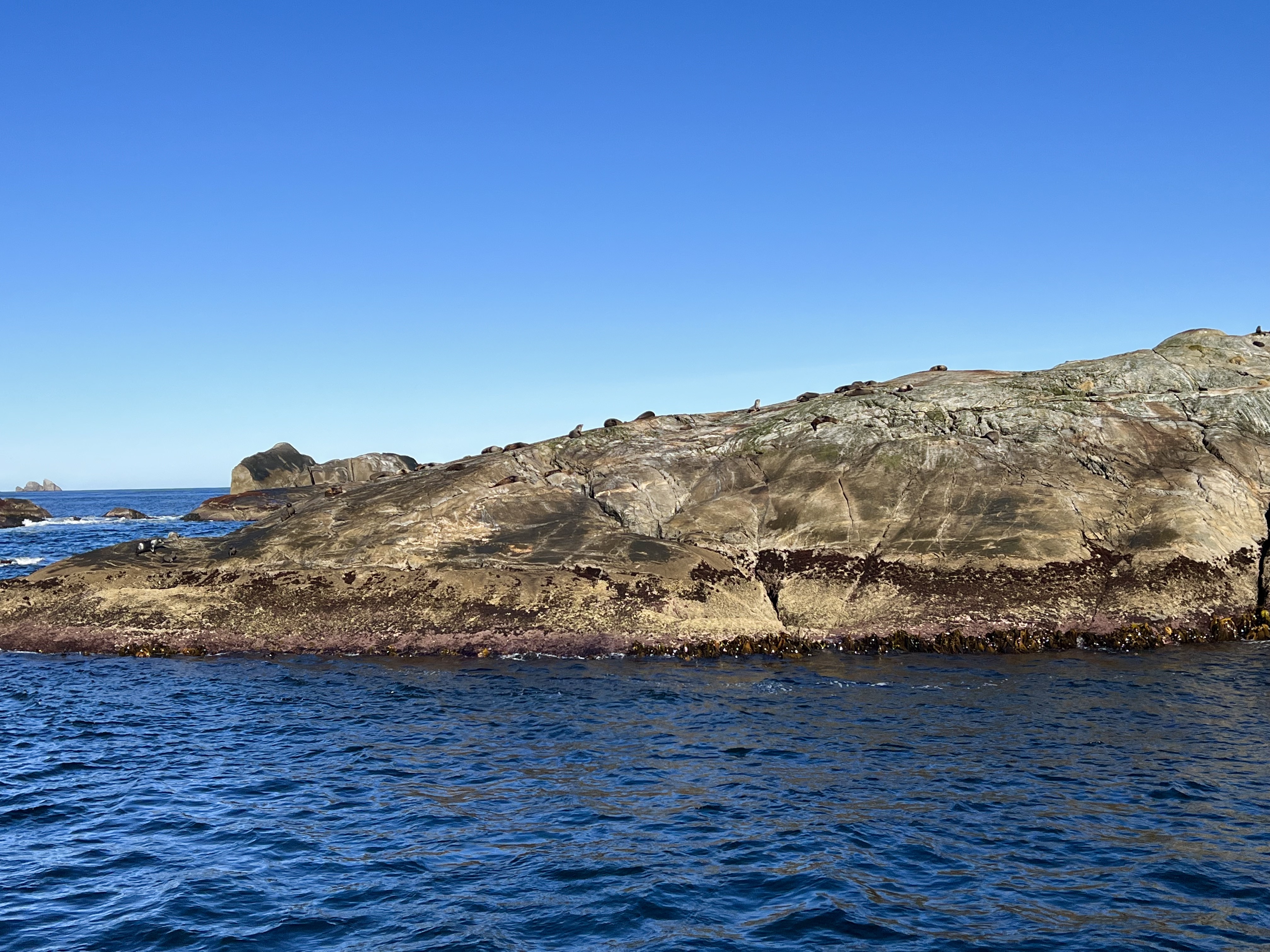
The skipper was so thrilled with the beautifully sunny day, that she took the boat out of the Sound and into the Tasman Sea so that we could see the entire coastline. It was stunning. When we were on our return journey back into the Sound, the naturalist explained the name of this place. According to local lore, when Captain Cook first saw the waterway inland, he wasn’t sure he would be able to get his ship out again; hence the name Doubtful. And in England, there are only Sounds, so the name stuck. Milford Sound is named after the first pioneer to build a homestead and business there.
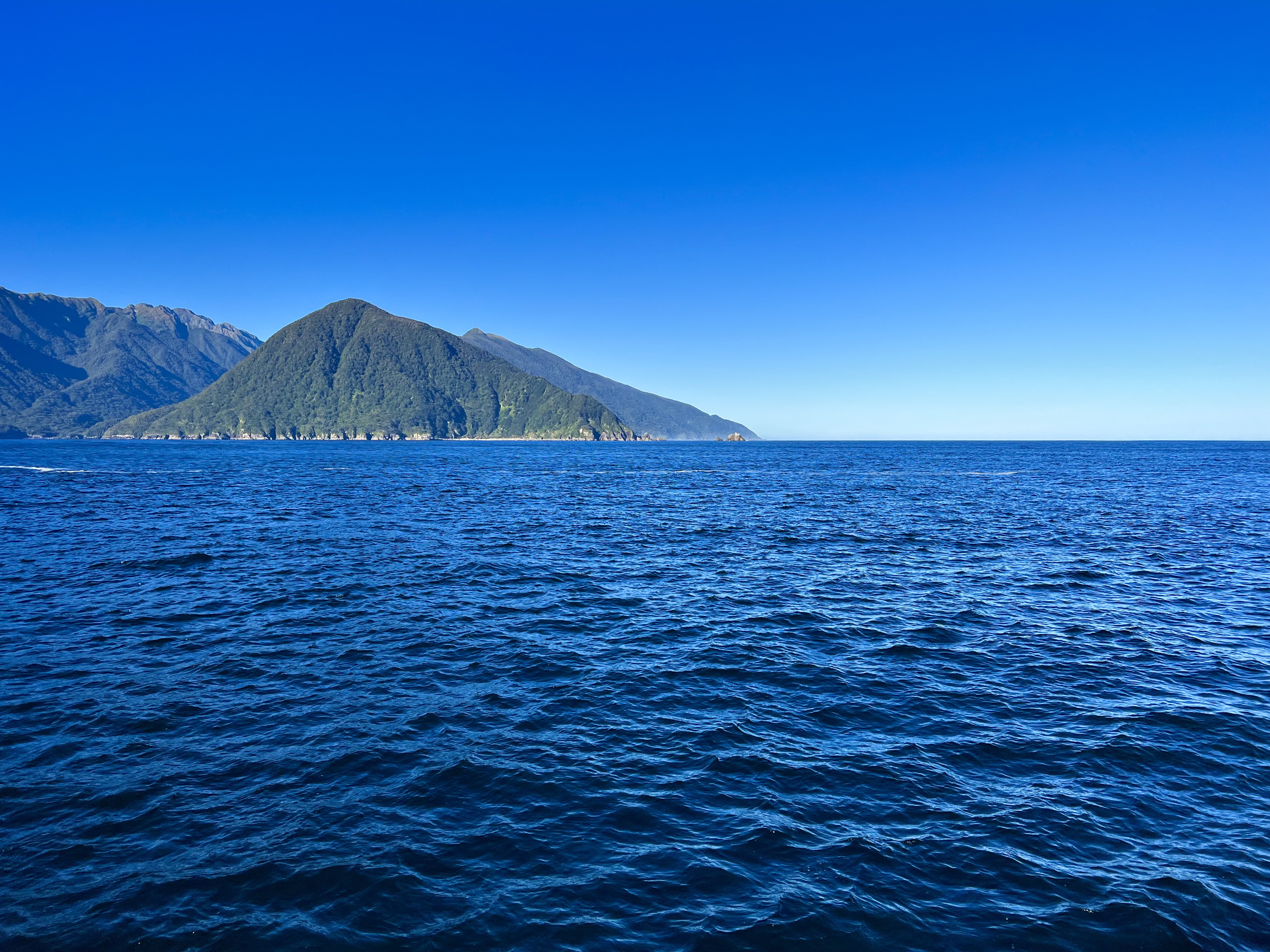
View down the coastline
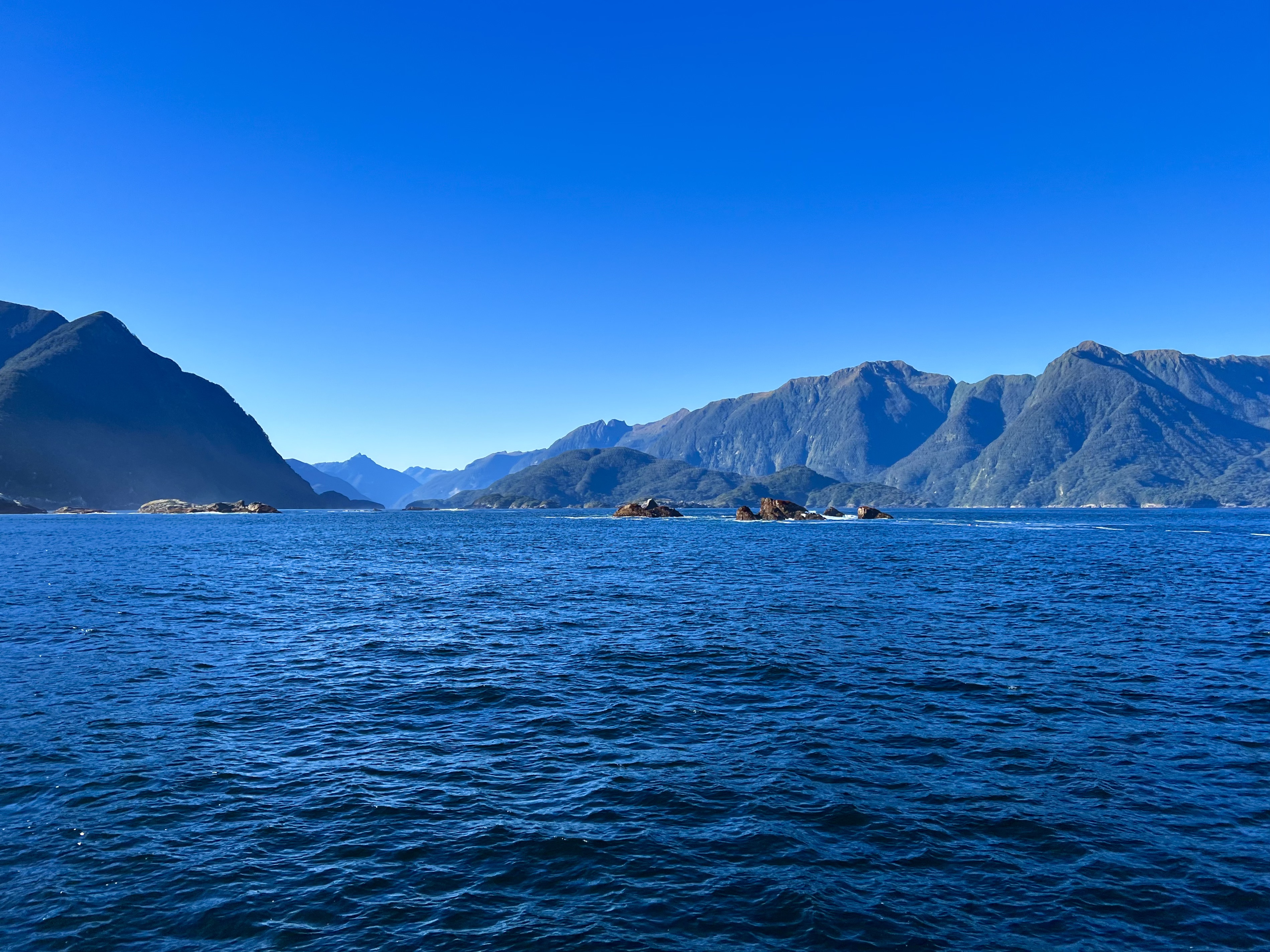
View of Doubtful Sound from the Tasman Sea
All three guides explained how the Māori were in the region well before the Europeans arrived, and that there is no definitive reason for their leaving when the Europeans settled here. A few researchers believe the Māori were annually only temporarily here to fish and hunt, others believe that it is possible a disease like smallpox brought by the European sailors killed the population the way it did in South America. There are no written accounts, so every explanation is simply a guess. What is certain, however, is that with the arrival of the Europeans, rats, ferrets, deer, and other non-native species arrived, which led to the extinction of many of the flightless and small bird populations as well as native plant species. There are now recovery efforts being made with breeding places for some of the flightless birds that are on the endangered list so that they do not become extinct. One such sanctuary is in Te Anau.
Near the end of our time in the Sound, the skipper pulled into a large bay and cut the engine. She had everyone shut off their phones, not move around, and simply be quiet and listen to the sounds of the fiord for a few minutes. It was magical – the birds that previously couldn’t be heard were in full symphonic form harmonizing with the wind and lapping water. It was easy to imagine what this region was like before people/tourists. On the other hand, tourist dollars help cover the costs of protecting the flora and fauna of the region.
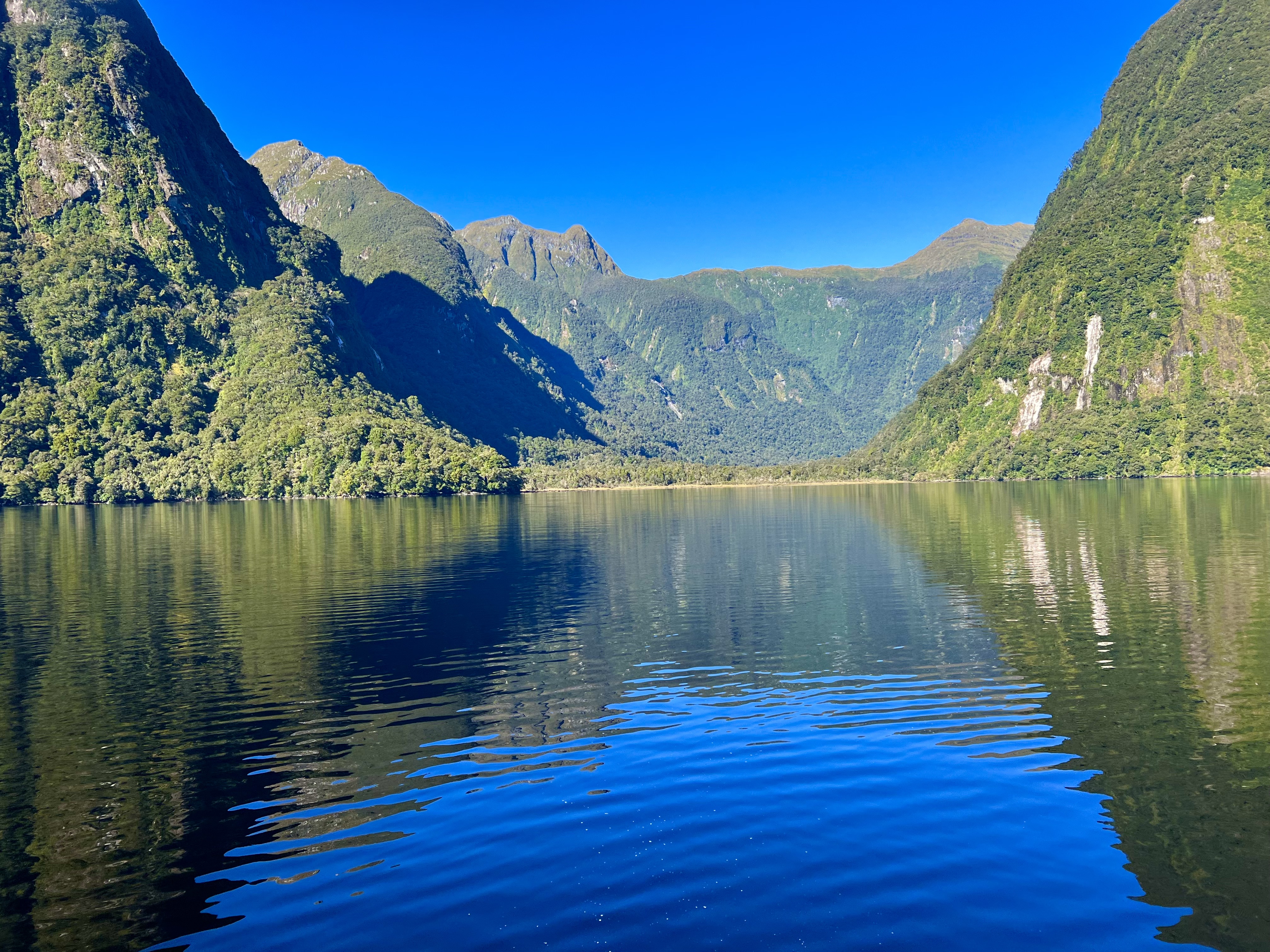
The Doubtful Sound excursion on this amazingly sunny and calm day was simply perfect.
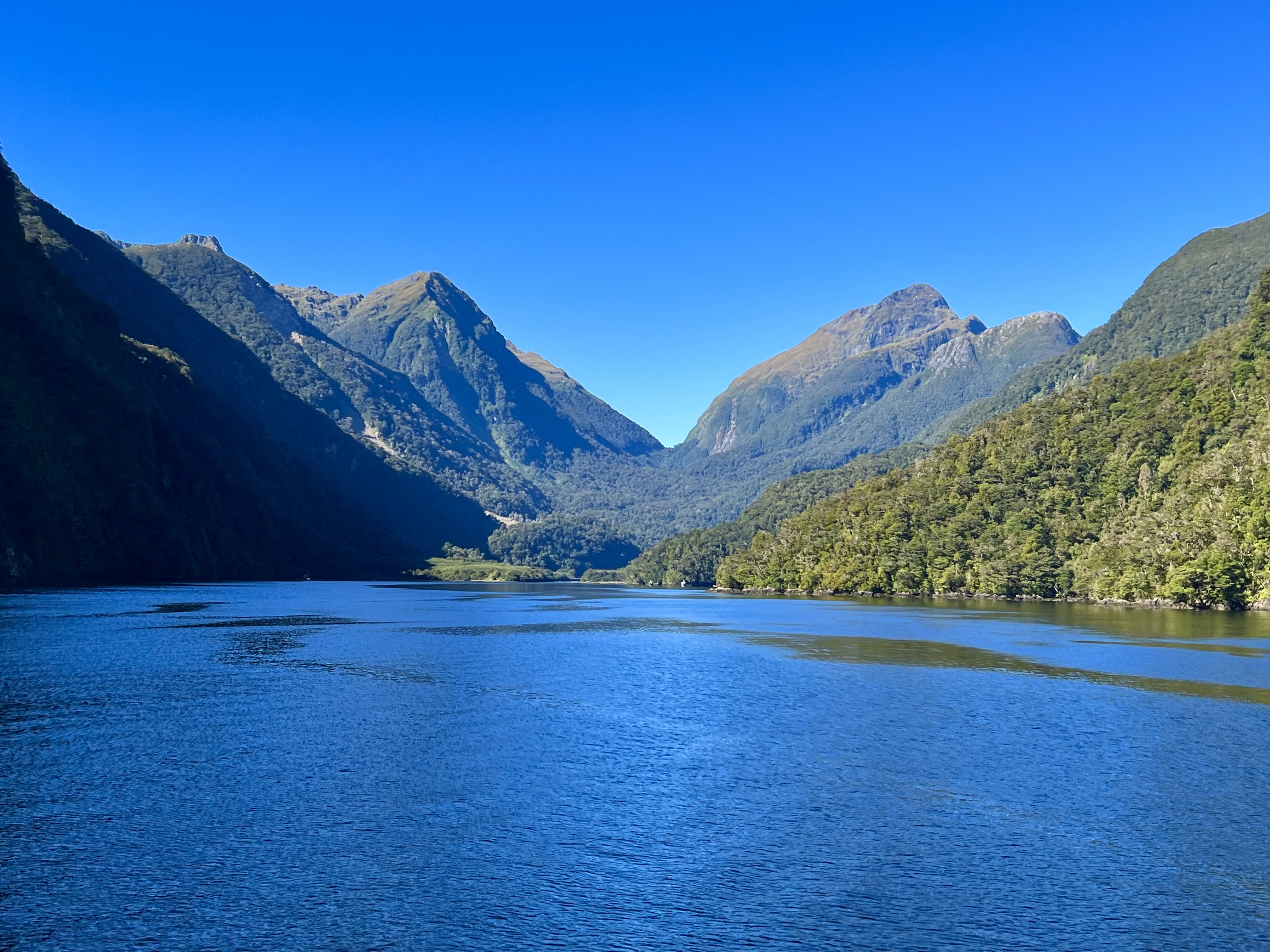
Docking at the end of the Sound
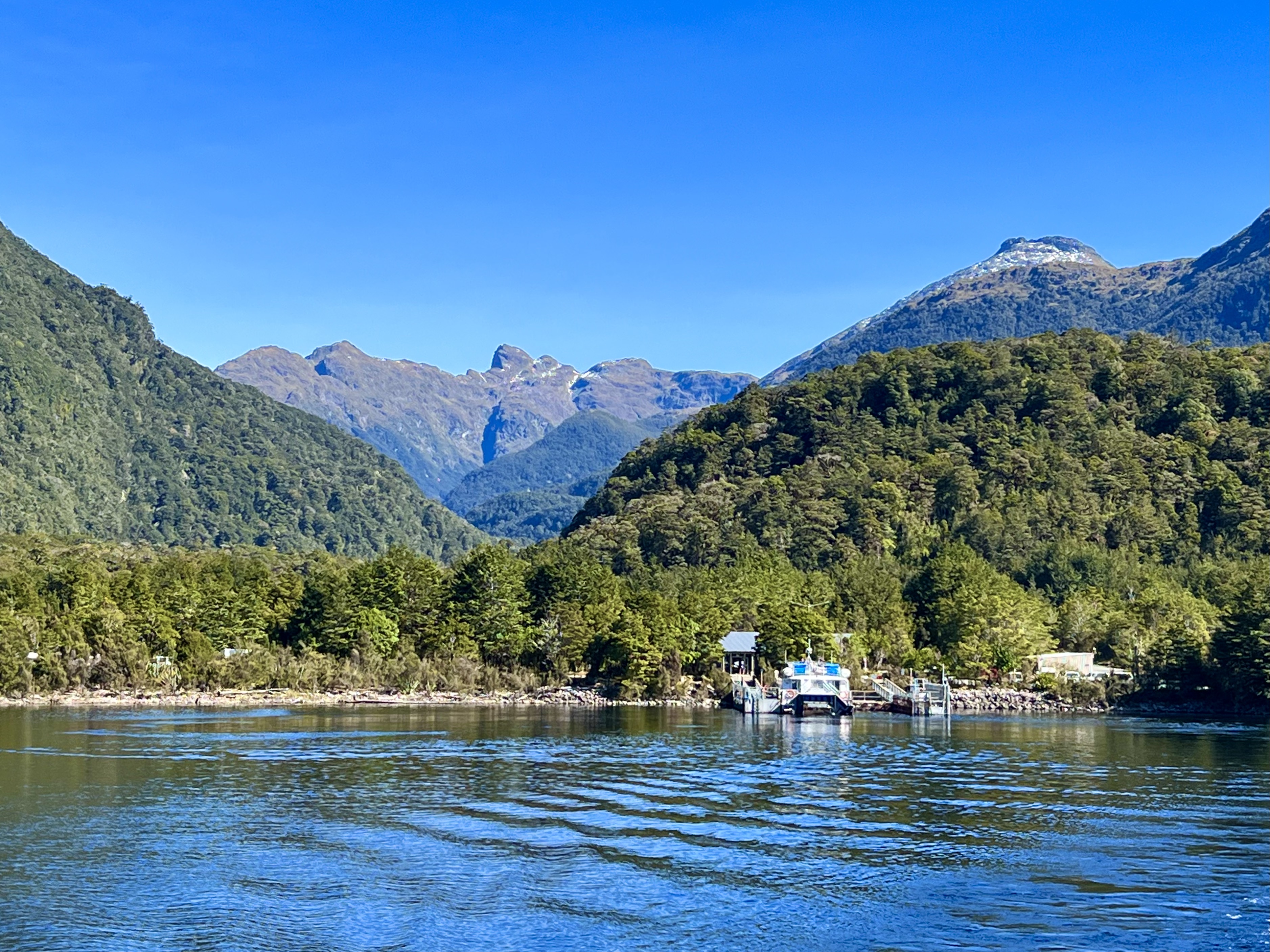
Lake Manapouri
 omegoodyssey