I came to Chachapoyas to visit the Kuélap Fortress, a pre-Incan site that was later used by both Chachapoyans and Incans. Not too much is known about the Chachapoyan peoples and their traditions as they left no written records and much of the remaining artifacts indicate a synthesis of artistic styles from the Amazon Basin to the Coast. What is known, however, is that they lived in decentralized villages with Kuélap as their capital and that their territory extended in a worm-shaped form over 22,000 km in north central Peru. They spoke their own language, Chacha, not Quechua, which was the language of the Incas. Their unique culture lasted from about 500 CE to their defeat by the Incas in 1470 and final destruction with the Spanish conquerors in 1570, when the site was completely abandoned and left to be reclaimed by the forest. The Kuélap Fortress was built between 900-1,100, but there is archeological evidence that there were earlier structures on the site. This puts the height of their civilization contemporary with the Wari, who were also defeated by the Incas at about the same time.
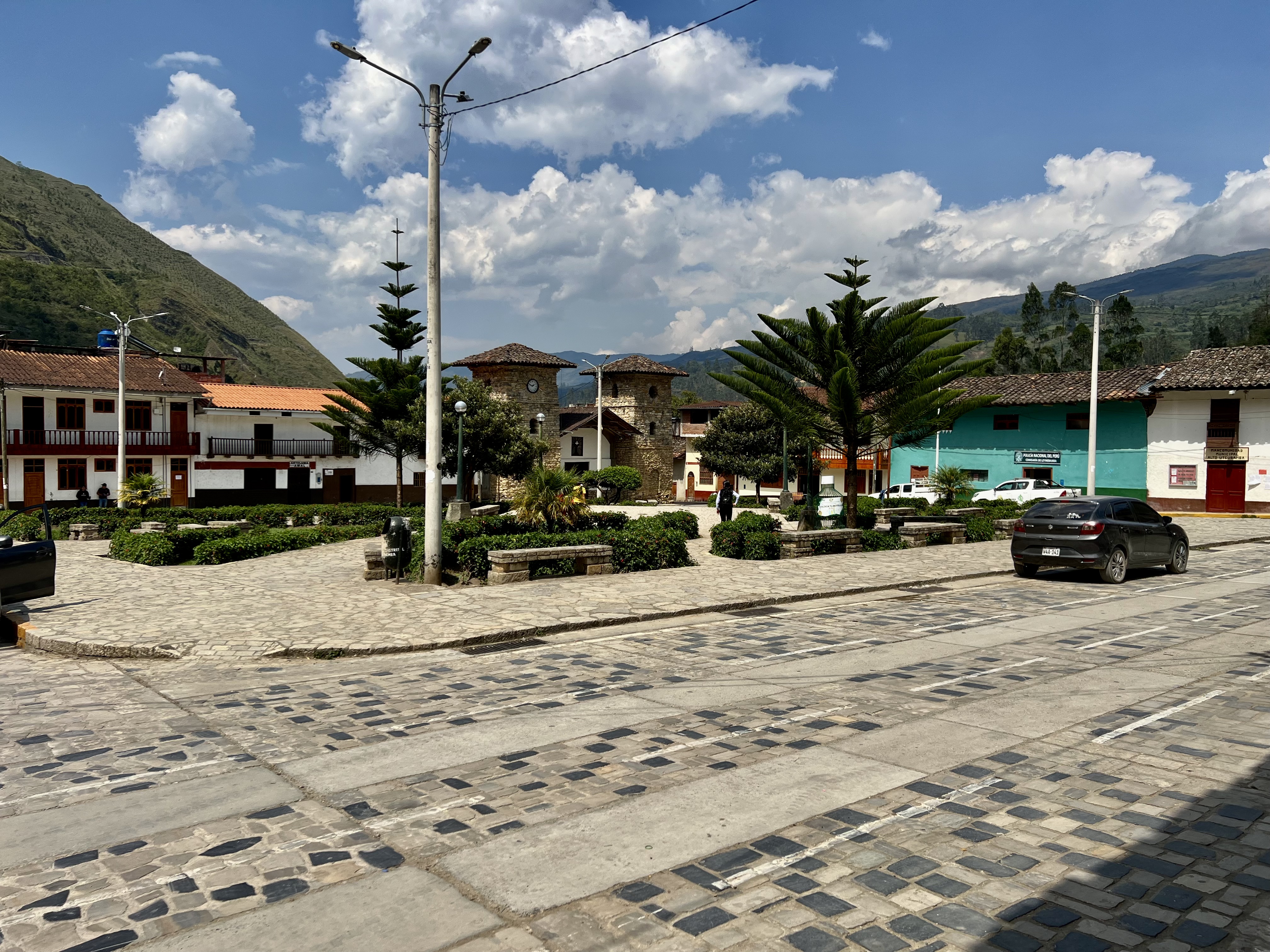
In order to learn more about them, and especially about their ancestor worship/veneration tradition, my first stop after checking in at the hotel was to take a two-hour trip to the Leymebamba Museum. This museum houses the 1997 excavation finds from Laguna de los Condores, which is the largest and most complete of the archeological finds beyond Kuélap in the area. The road to the museum is not good, which is why it took two hours to get there. While it is a main road, the potholes in the gravel were occasionally the size of craters. Along the way, there is a sand-colored cliff face dotted with Incan mummy gravesites. The road follows along the Utcubamba River and agricultural enterprises have planted Chirimoya trees near the shoreline. This fruit has taken over the land that was previously used for native cotton, which was what Chachapoyan textiles were made from. Utca means cotton and bamba is valley. Chacha means cloud and poyan means trees, i.e. the people in the cloud forest.

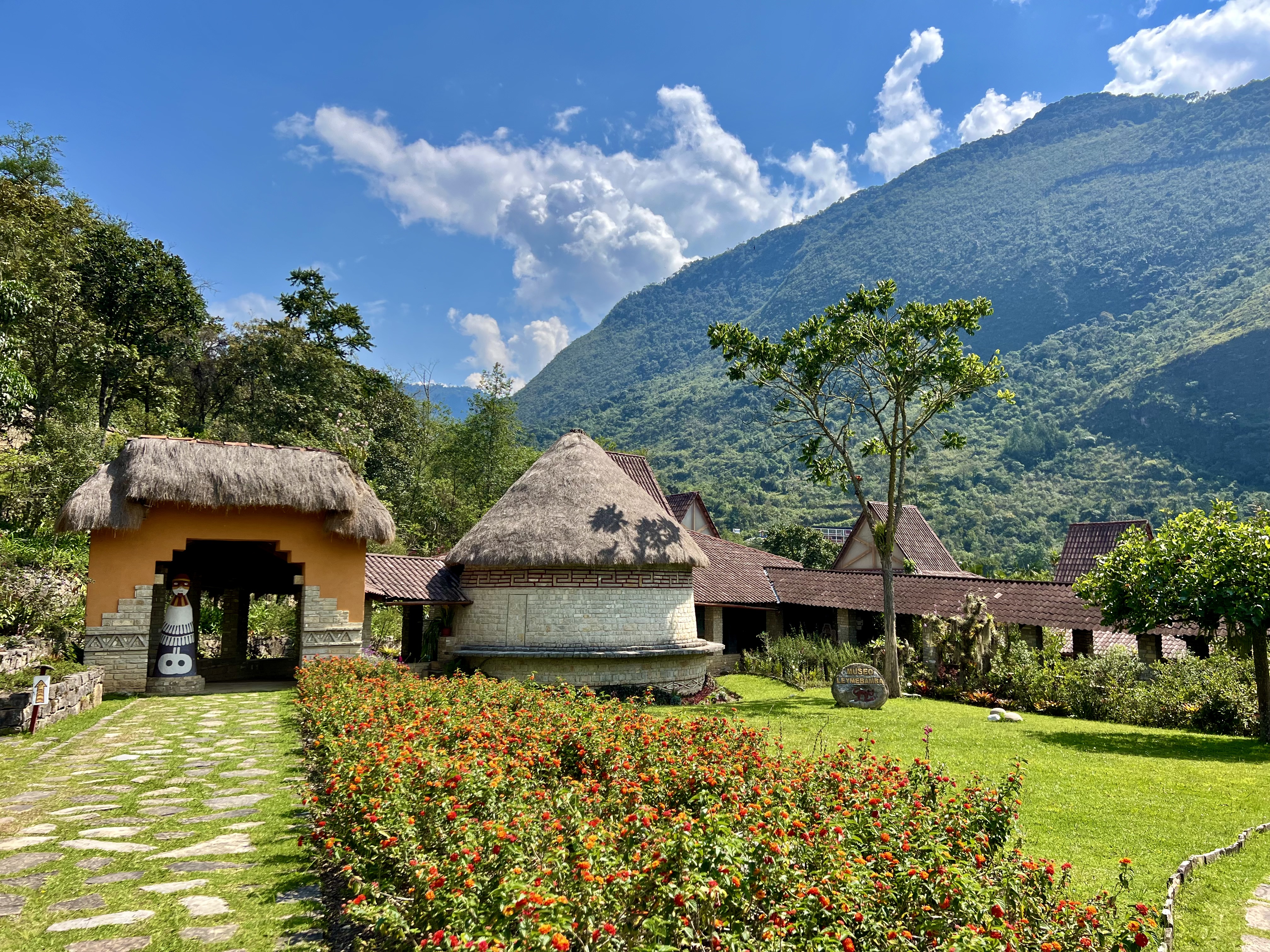
The Leymebamba Museum was initiated by the Mollqui Center to house the artifacts and mummies found at Laguna de los Condores. It is a civic organization dedicated to the preservation and study of Peruvian cultural history. The people initially involved in both the excavation and the museum were foreigners, Austrians Sonia Guillén, Peter Lerche and Dr. Horst Seidler from the University of Vienna as well as Roxie Walker from the Institute for Bioarcheology in Lima. The Hagan family lent considerable financial support. The Austrian government, along with the Finnish, U.S. and Peruvian were all instrumental in the development of the museum as were the local communities. The artifacts needed to be removed from the original site as grave robbers had broken into the mausoleums and sarcophagi and destroyed many of them. Once the sarcophagi were ruined the mummies and textiles disintegrated. A place was needed to preserve them and hence the museum was founded. The transfer of the mummies and artifacts was an arduous task as it took days on horseback to bring them down. The museum was opened in 2000 and is beautifully laid out.
Upon entering, there is a replica of a facial and body sarcophagus found at Karaja. The painting and design are exact replicas, but the backside has a hole so that visitors can see how the mummies were placed in the bamboo constructed figure. The figures lined a cave platform facing east and great care was taken in their construction and placement. The ancestors, who were feared and respected, protected the site and their descendants.
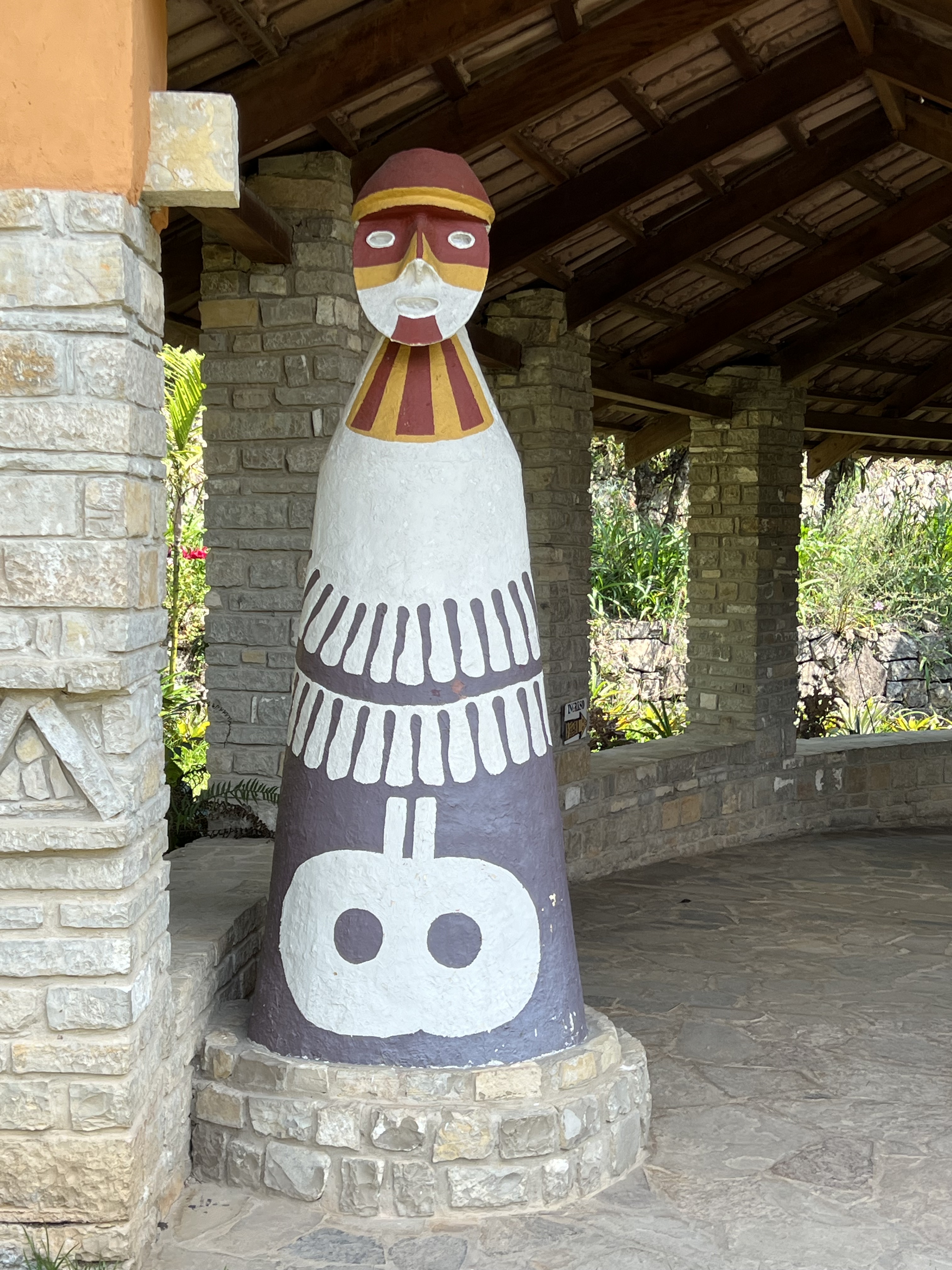
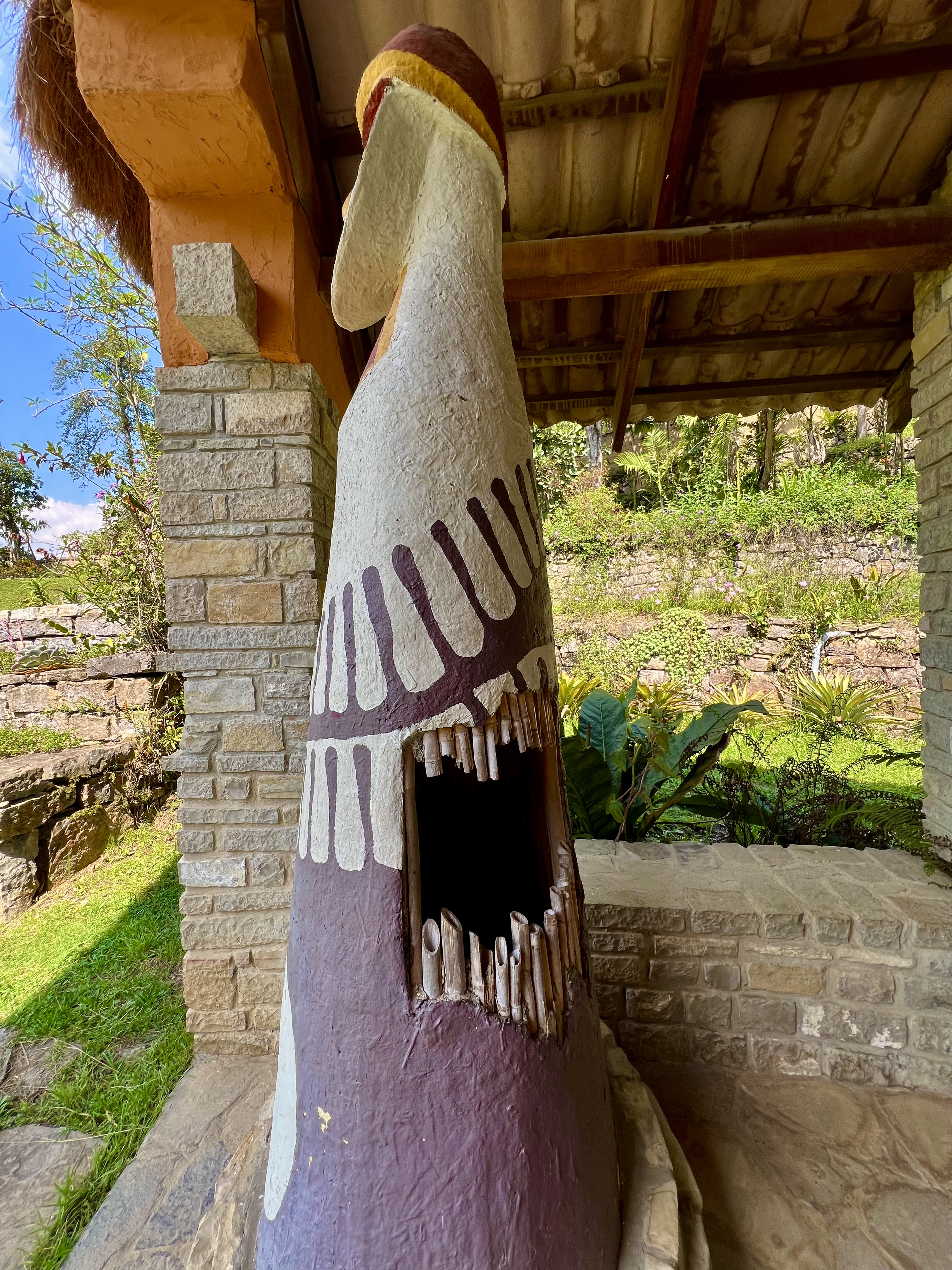
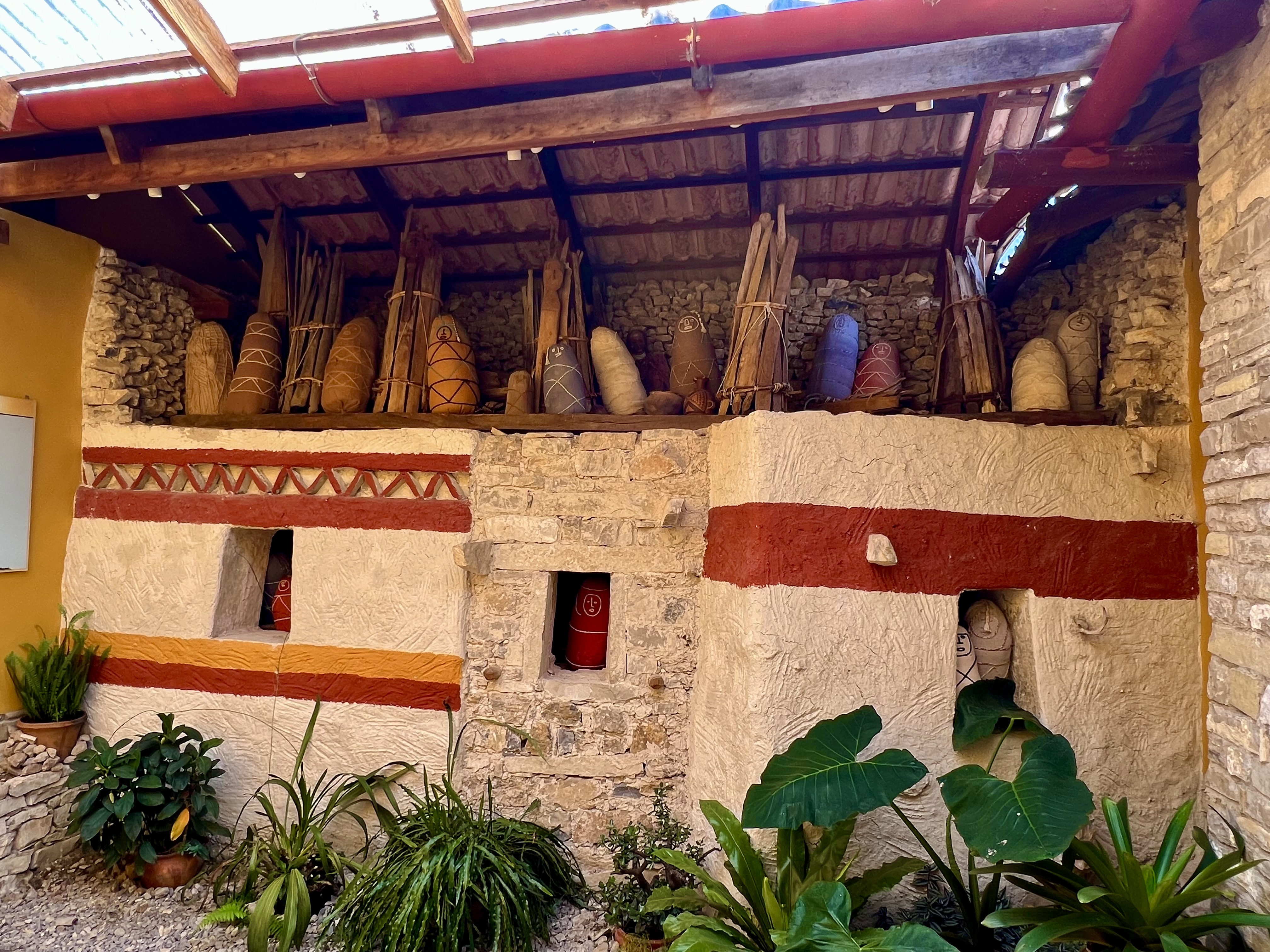
The Chachapoyan territory was primarily cloud forest on limestone mountainsides. Rain seeps through the limestone forming caves that humans had been using for ritual purposes well before the Chachapoyans arrived, probably from the lower Amazonian region. The figures in Karaja represent only one kind of sarcophagus used by these peoples; different areas had different traditions, much the way they had differing dialects. Some of the other burial traditions included placing the mummy in a wooden-slat sarcophagus and then in a mausoleum.
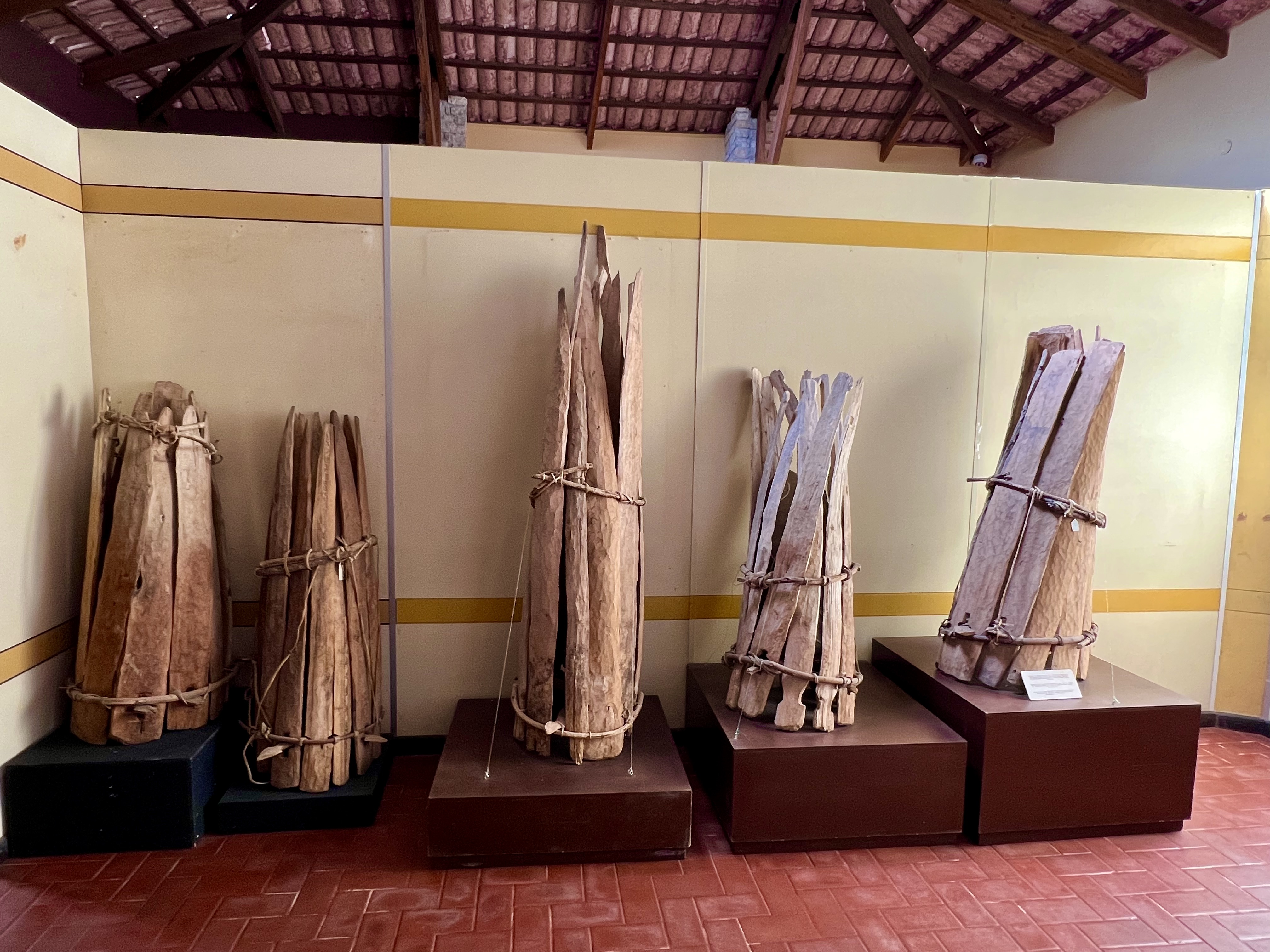
Another in San Martin had six wooden sarcophagi with an opening in the back that allowed artifacts to be extracted or added. They had representations of nude men with their knees flexed and genitals extended, probably as a fertility symbol.
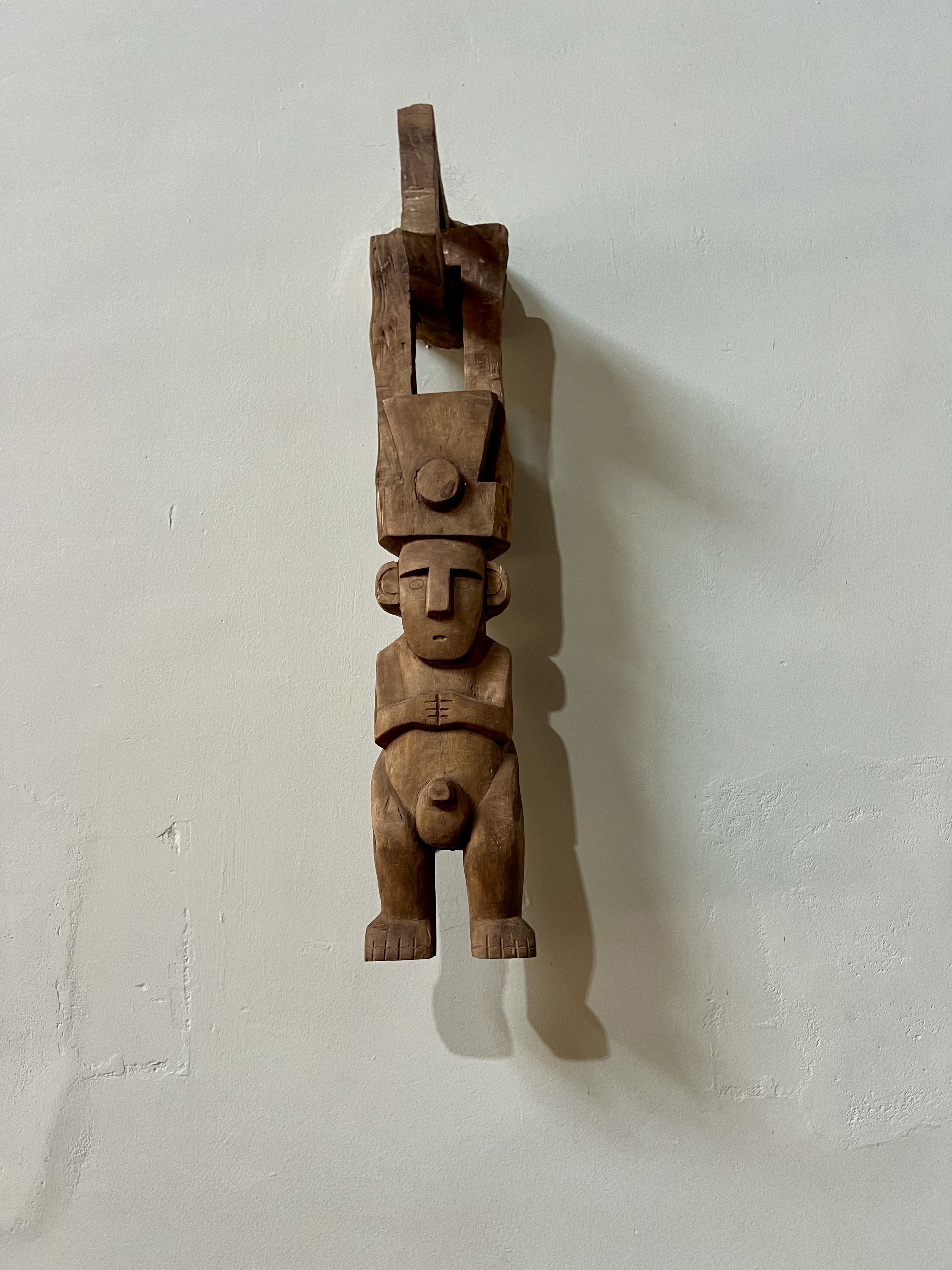
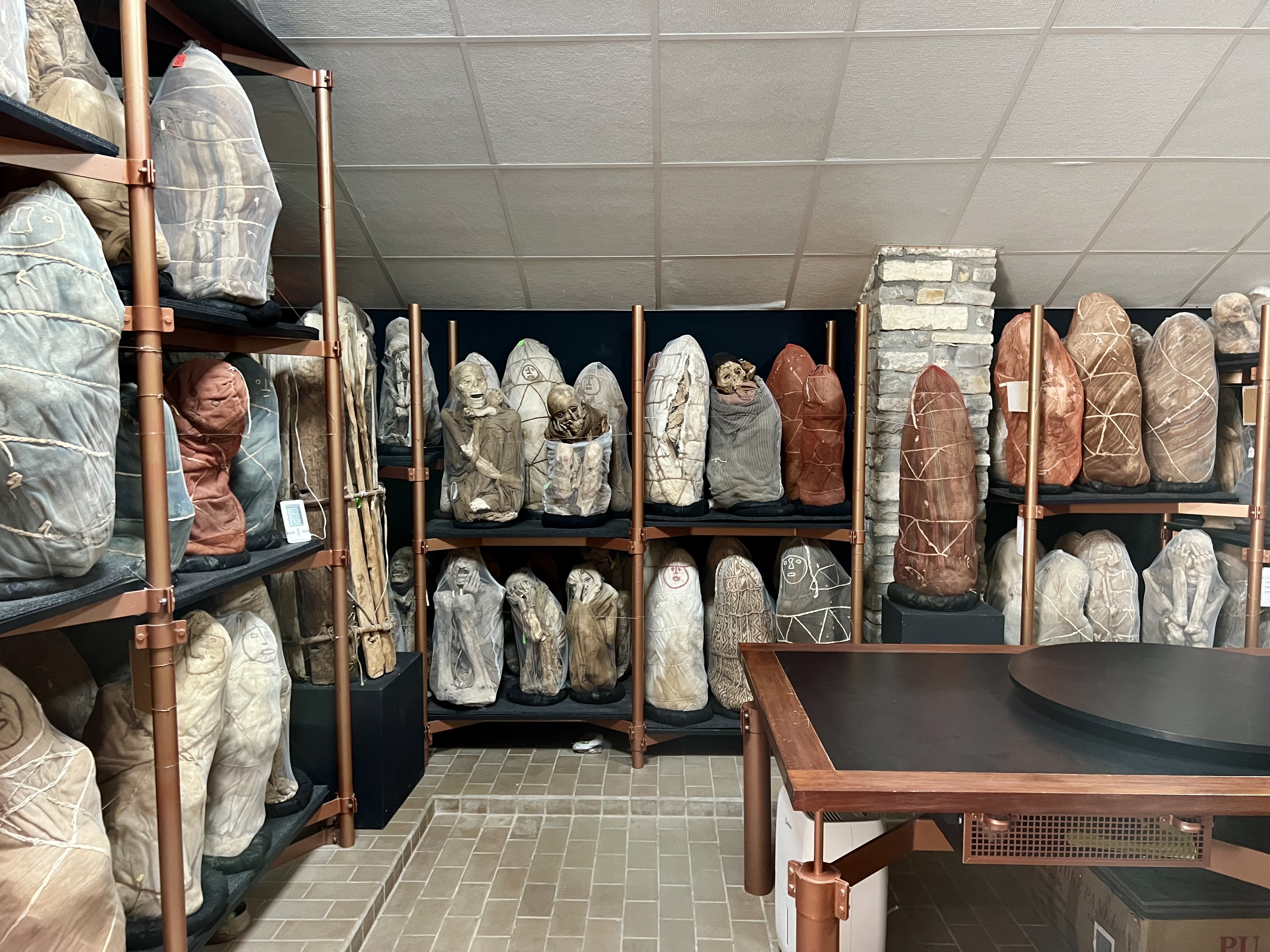
The designs on the mausoleums differed, but it seems that they were used over centuries, much the way cemeteries are now used. Interestingly at Kuélap bodies were placed under the floor. Perhaps for the ancestors to always be with the family. The other constant was that the mummies were all in the fetal position, though the mummification process itself changed over time.
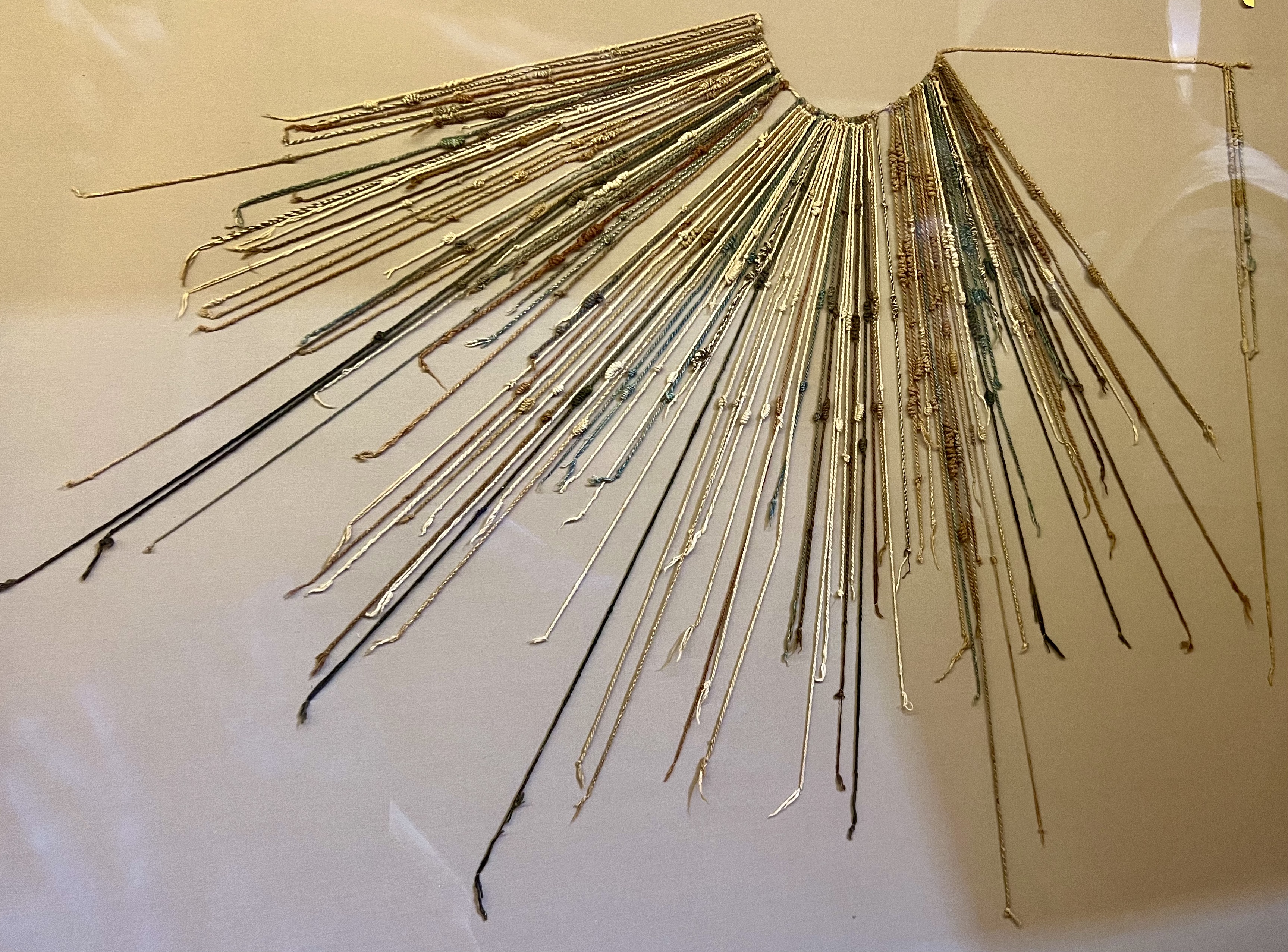
When the Incas took over, they introduced their mummification techniques, but also used some of the older mausoleums, such as the one at Laguna de los Condores as a number of Incan artifacts were found there, including 33 quipus, the largest single find in Peru.
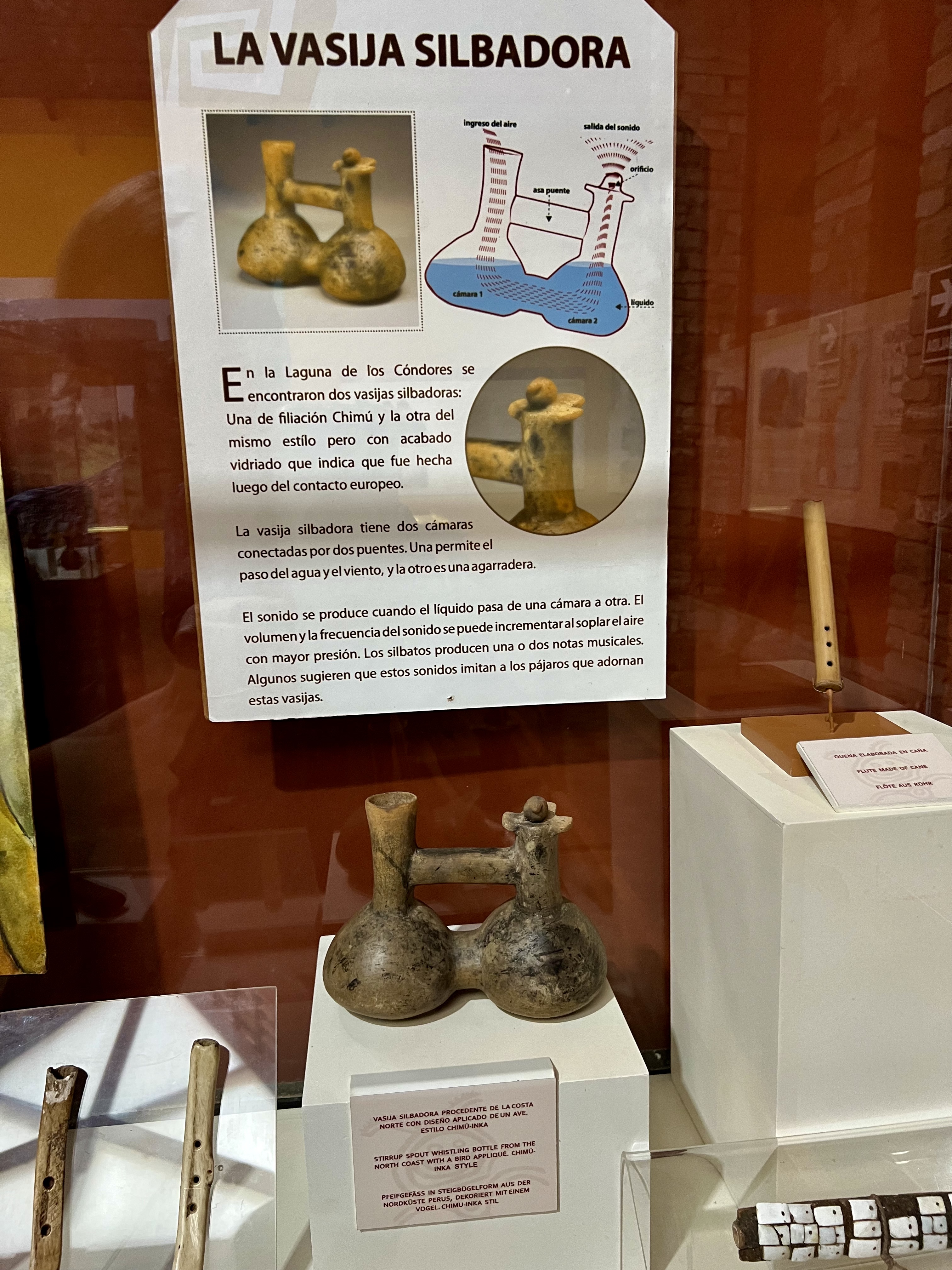
They also found Chimu related artifacts including some sound bottles. These are double bottles linked by a handle. When a bit of water is placed inside the bottles and then slightly turned up and down melodies can be played with the instrument. The bones from the Laguna de los Condores site indicate that over 400 individuals were entombed there.
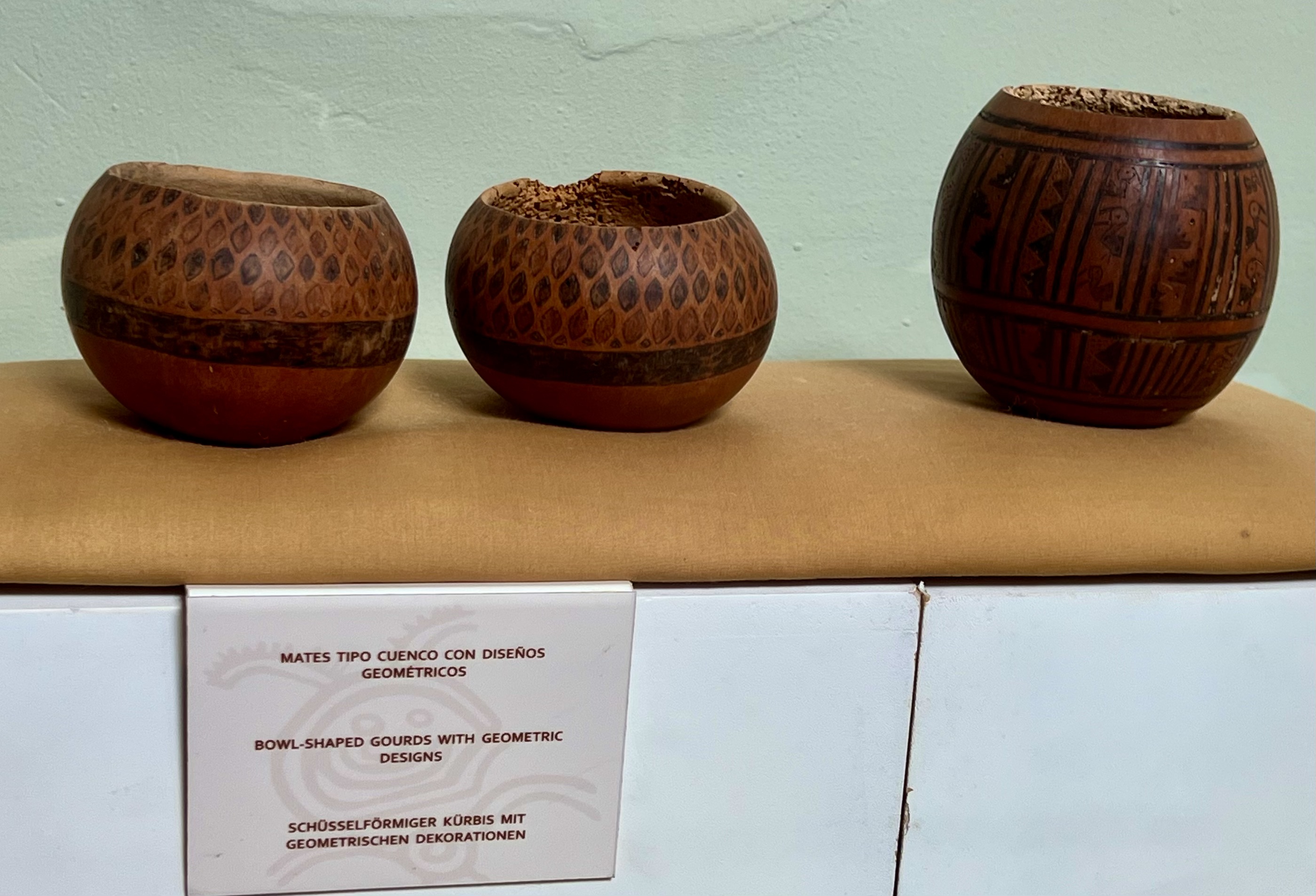
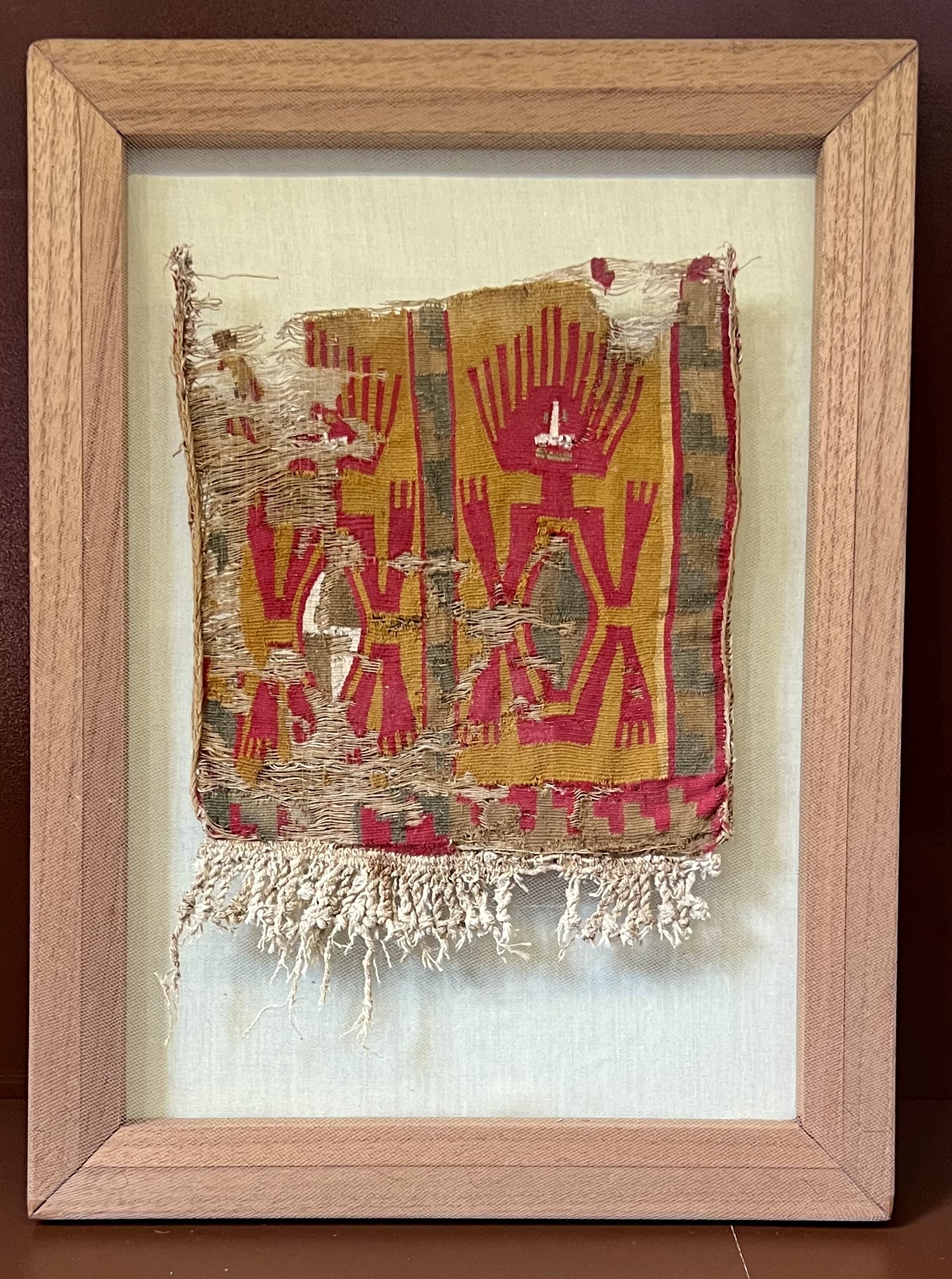
The museum has an interesting collection of Chachapoyan and Chachapoyan-Incan ceramics, textiles, wooden objects and tools along with rooms filled with mummies. The figures on the designs both for the textiles and ceramics, including mates – painted gourds, were both geometrical and figurative.
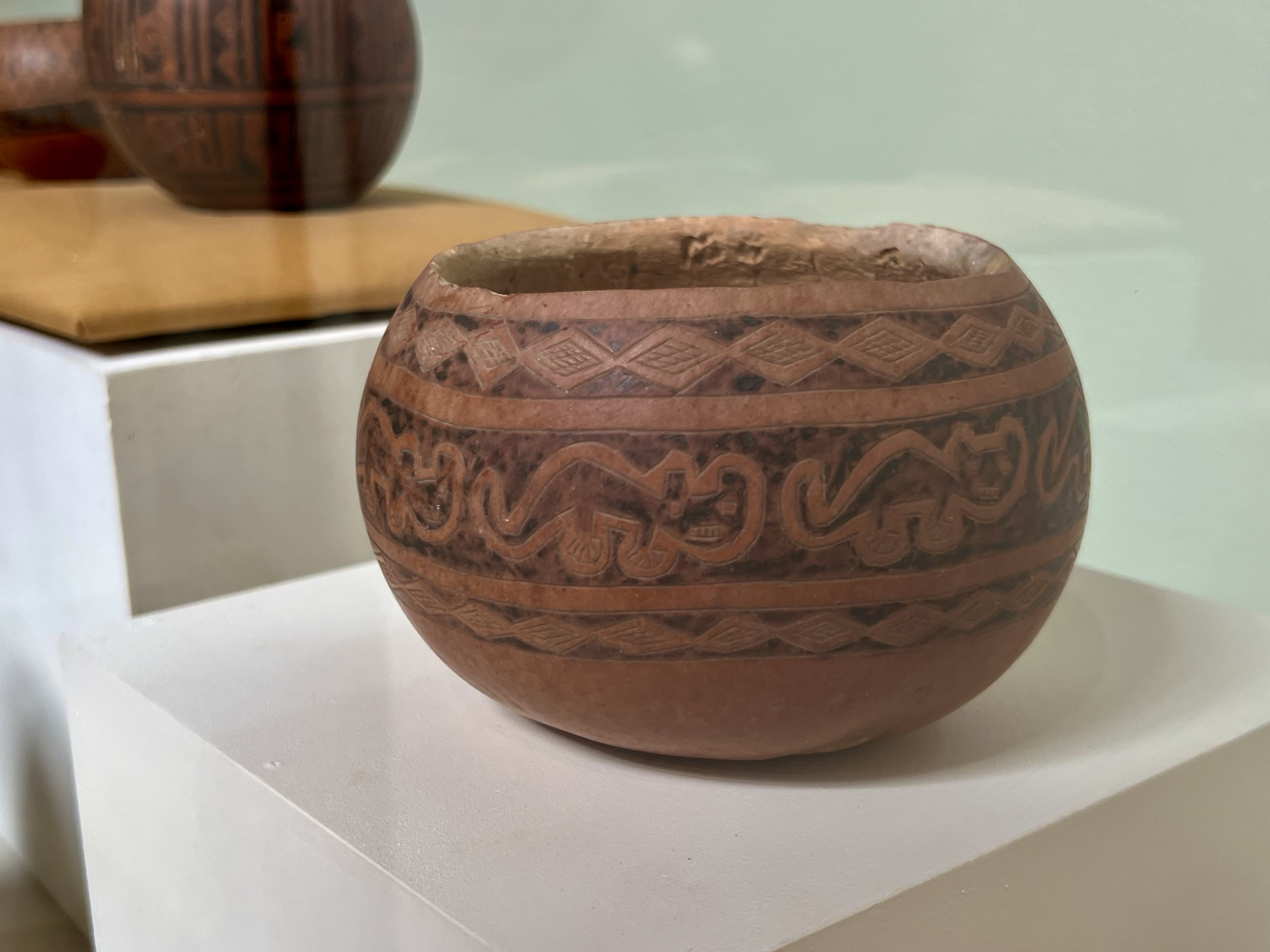
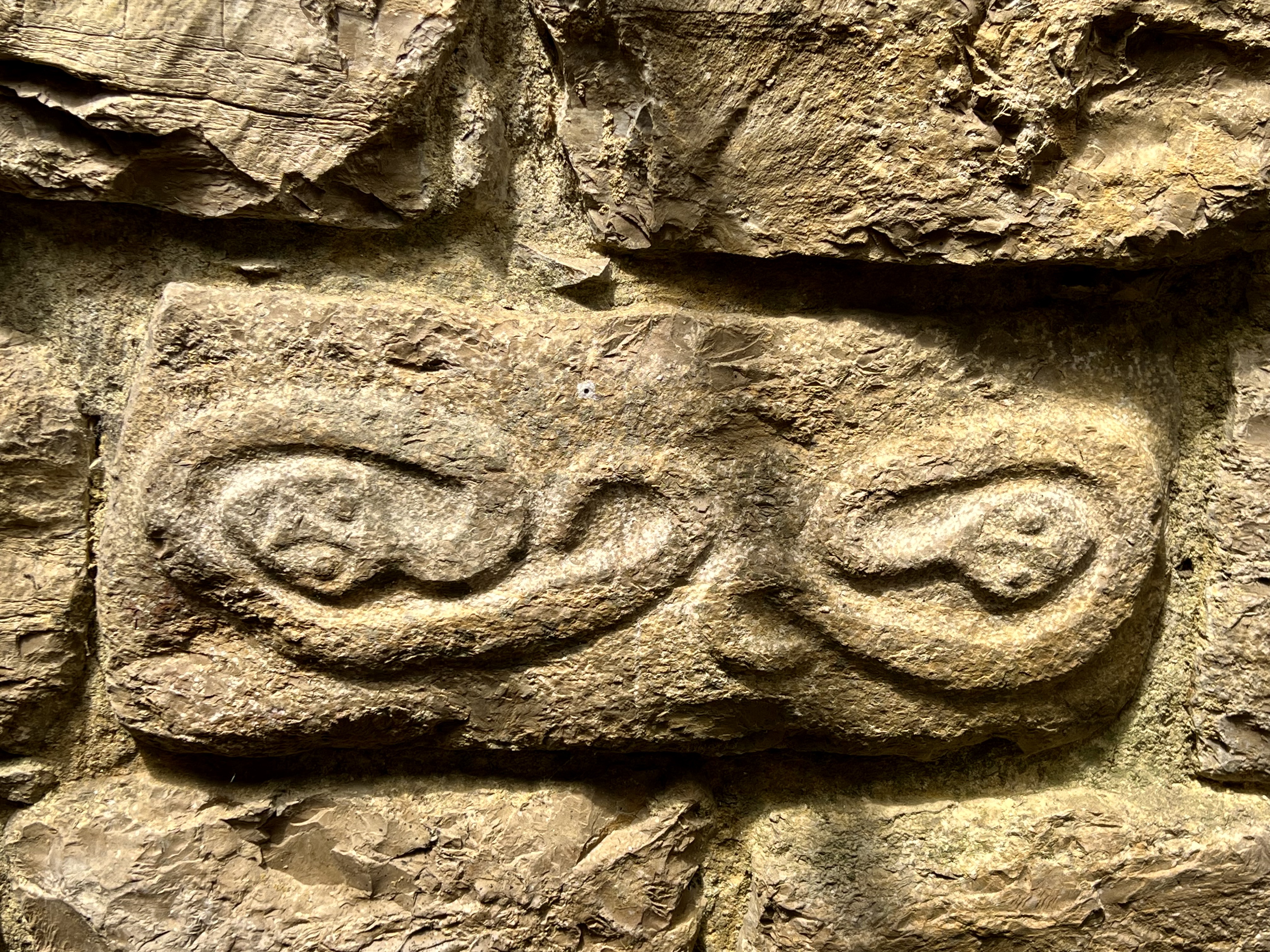
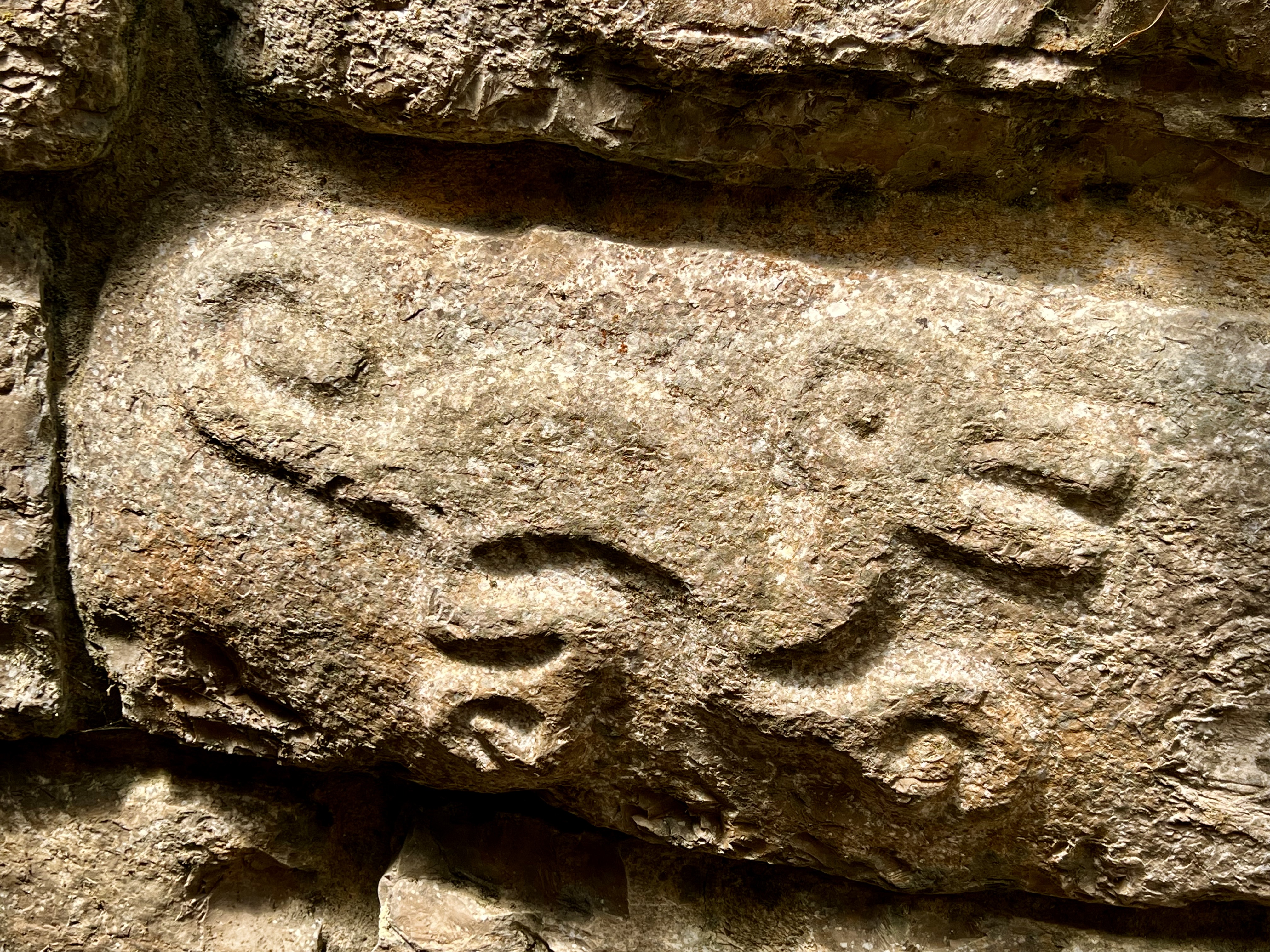
The gods of the Chachapoyans were similar to other Andean peoples, i.e., birds, especially condors, for the heavens, felines for this world and serpents for the earth and underworld. The colors were made from natural vegetal elements and included bright blue, red, orange, cream and black. There was probably some significance to the use of each color, but the meaning has been lost over time.
The museum has a model of what the site probably looked like prior to the grave robbers, as well as models for other mausoleums and sarcophagi found in the region. It is helpful to see them to get an idea of the care used in placing them.
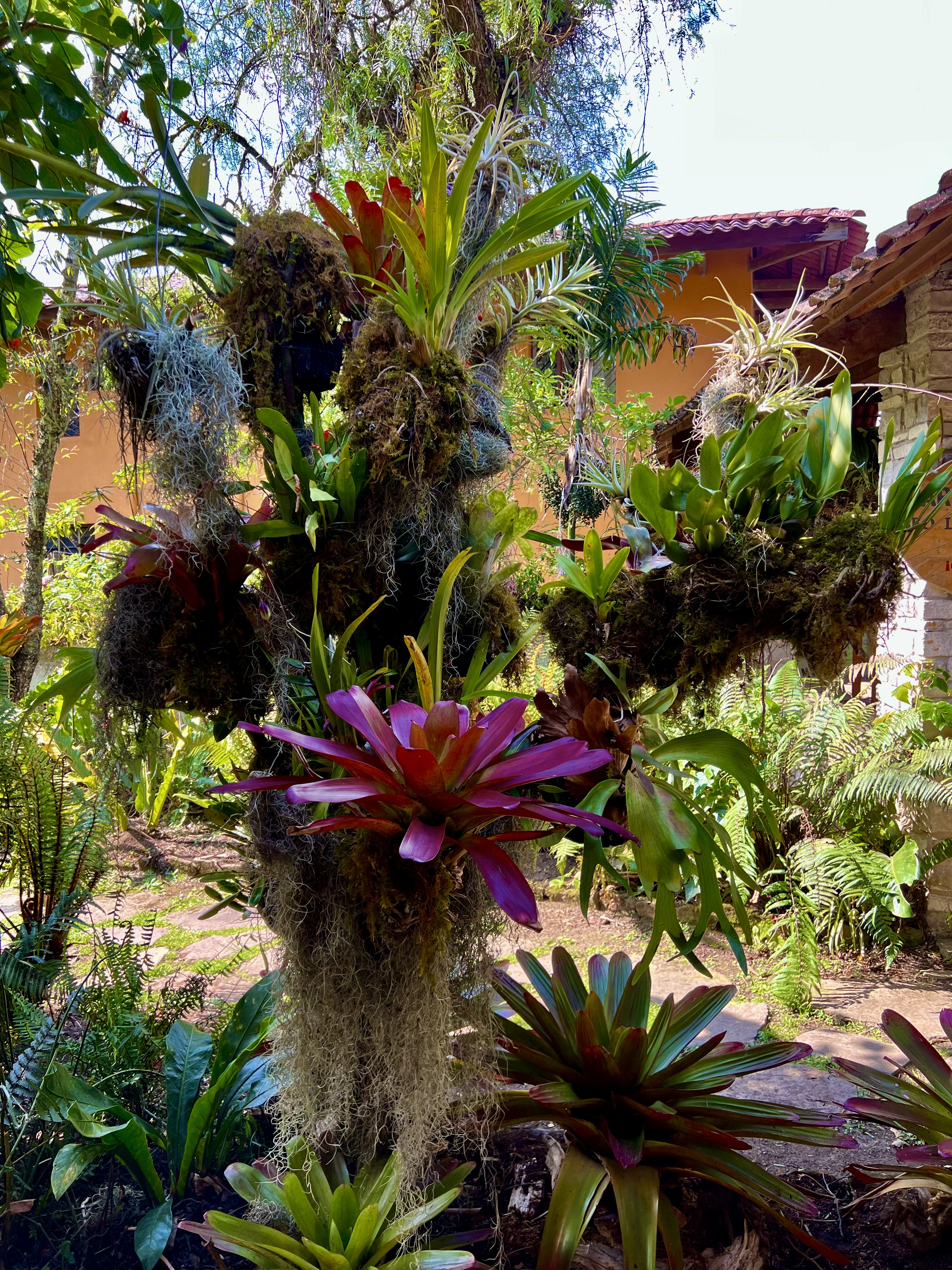
The garden of the museum was lush with blooming bromeliads and laterna, which attracted a few hummingbirds that were too quick for me to photograph.
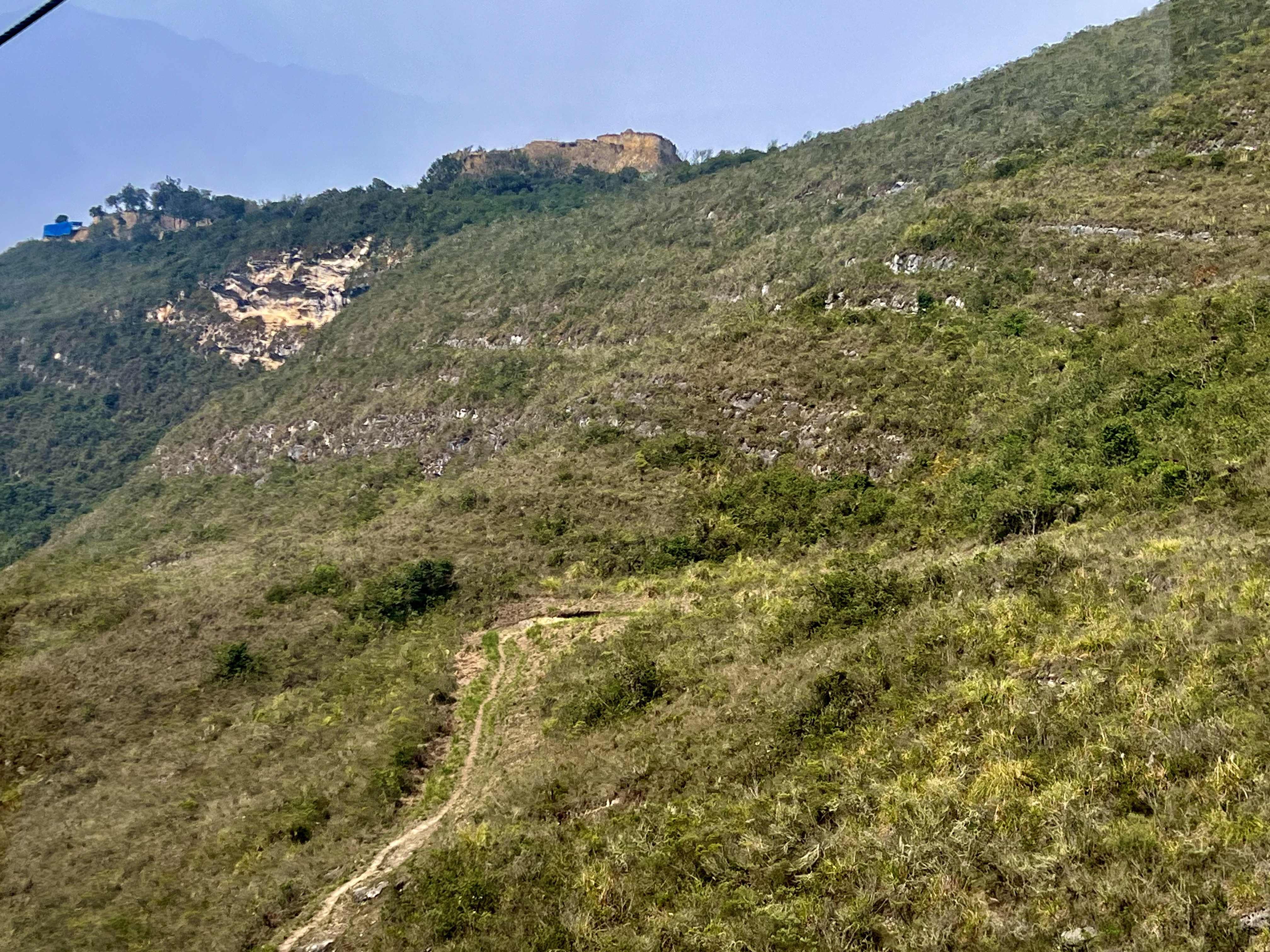
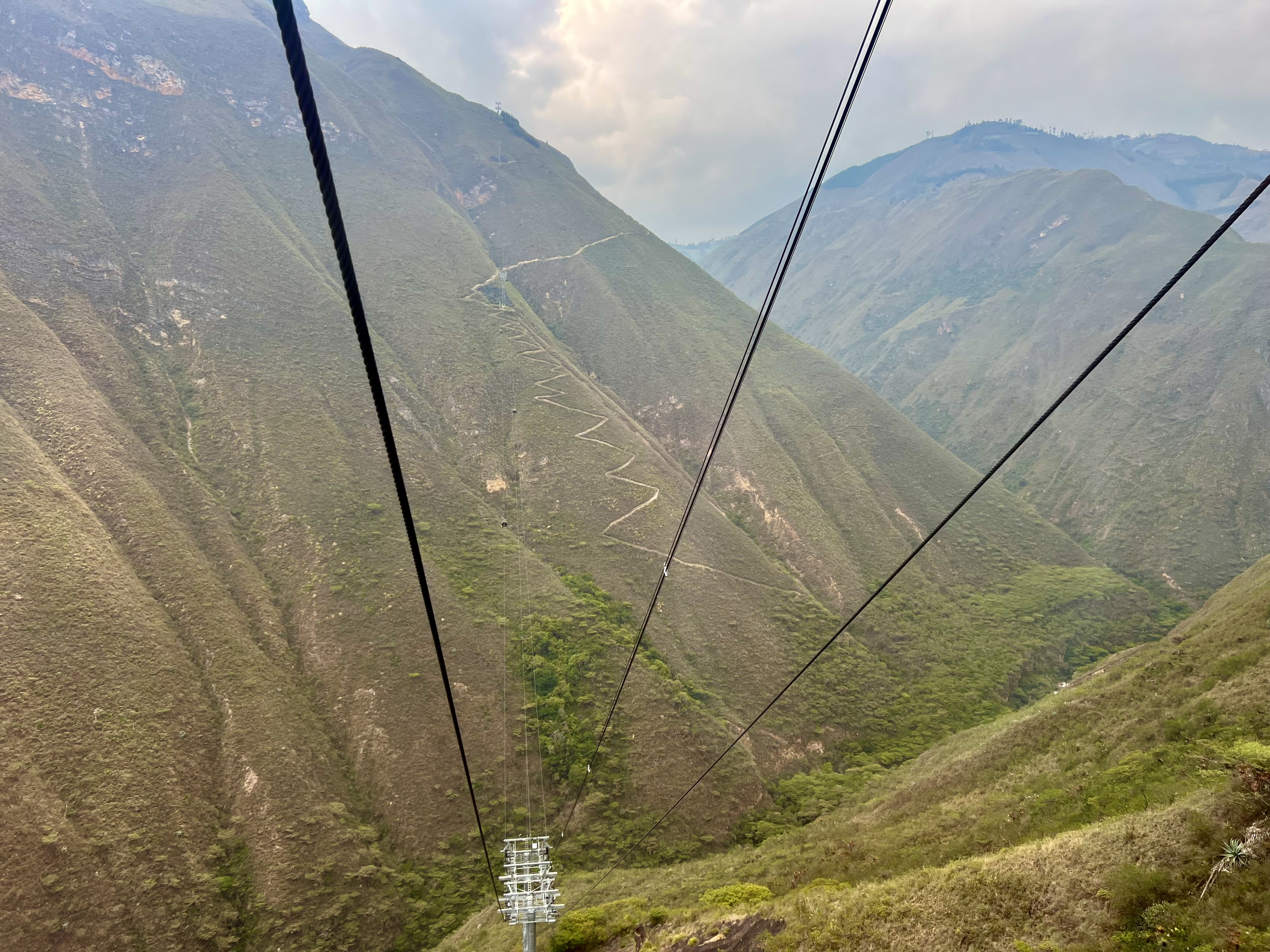
The trip to the museum was a good introduction to the culture and artistic heritage of the Chachapoyan peoples. The excursion to Kuélap provided a more expansive view. Kuélap has become known as the Machu Picchu of the north, but it isn’t nearly as well visited. Chachapoyas is a bit off the beaten track with only one flight per day landing at the very tiny airport. The van trip to the site takes an hour and then there is a bus that takes visitors to a gondola that goes down one mountain and up and over another to get to the beginning of the trail to the heritage site. Before the gondola, people had to walk up and from the gondola it didn’t look like it was a fun hike.
The path to the Fortress entrance and throughout the site is cordoned off so that there is only one way to go. When one enters the actual fortress, the gate is about a meter and a half wide, at the top, when at the main site, the gate into that section is much narrower.
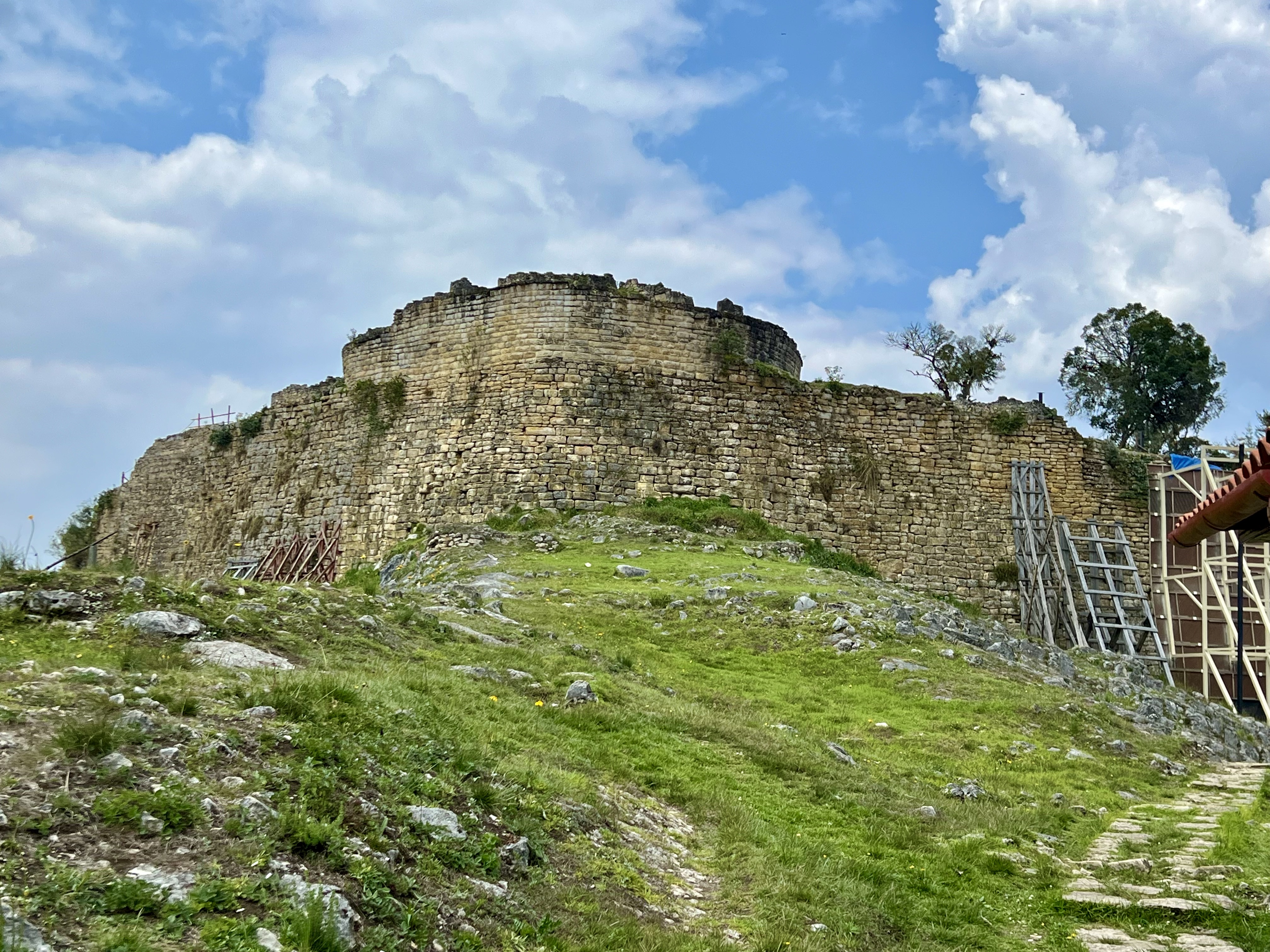
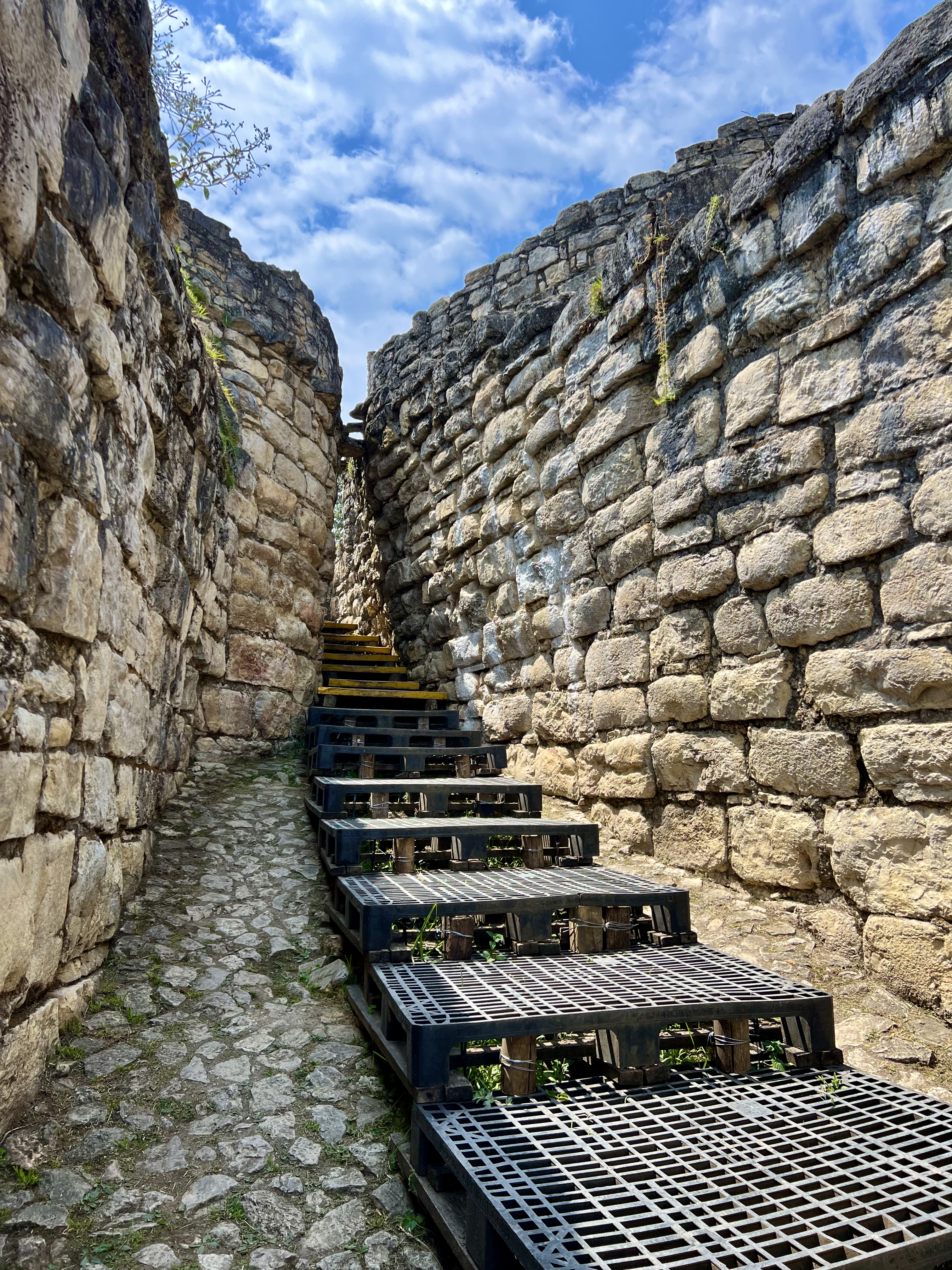
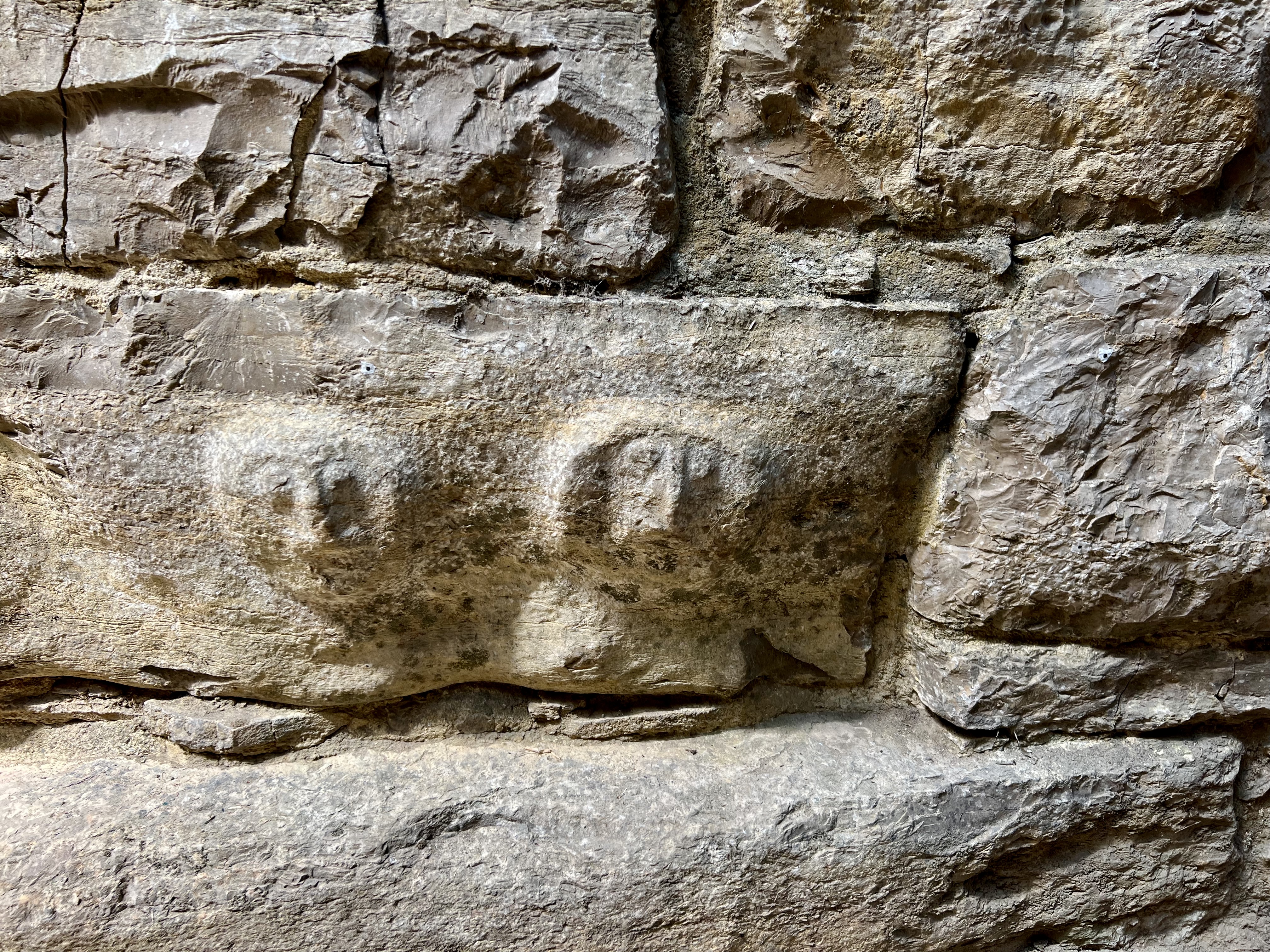
The walls differ in height, some are up to 19 m high. The walls along the entrance have figures of gods and protectors, but not at the exit. They wanted to make sure they knew who was entering the site.
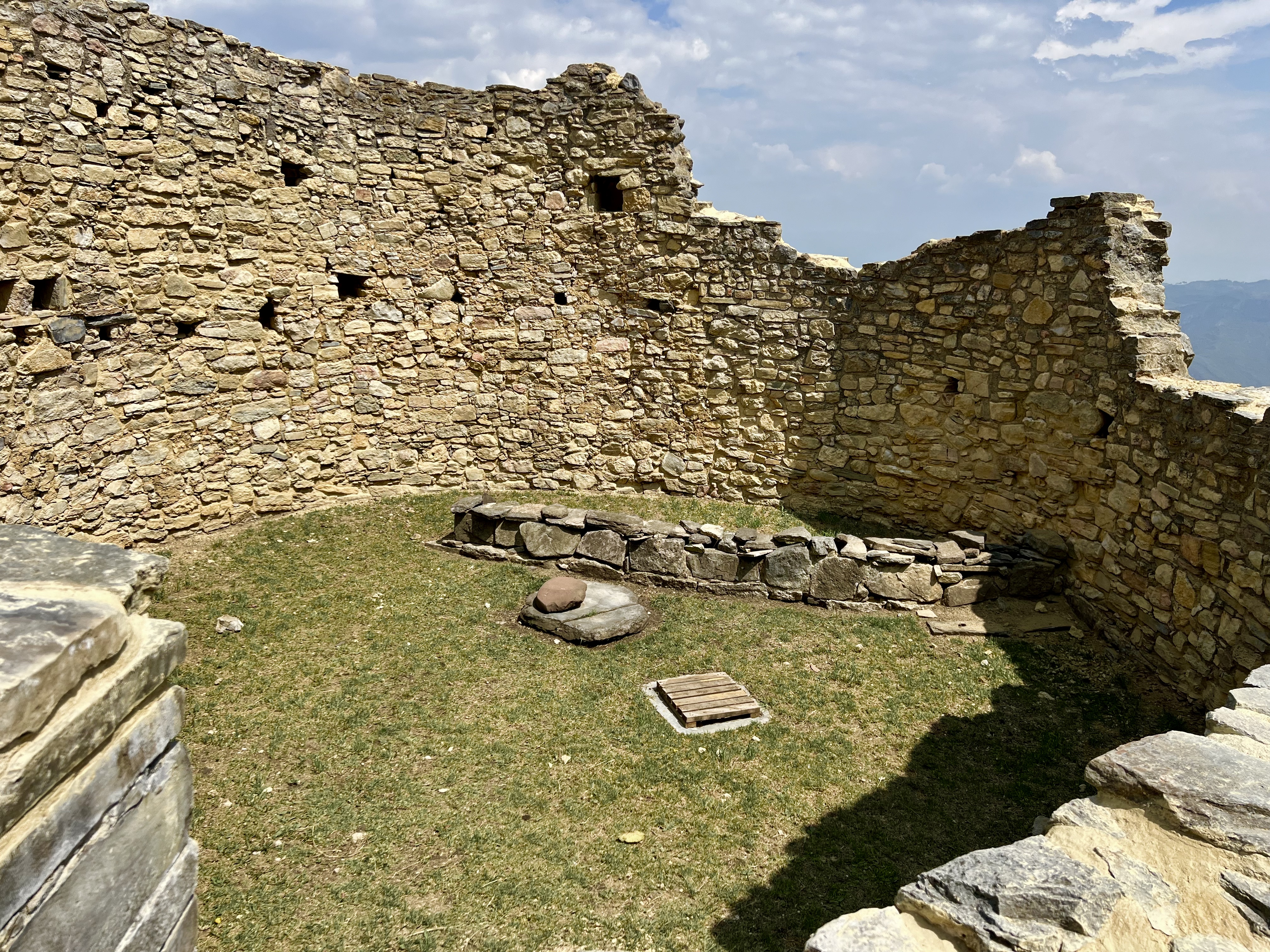
The Chachapoyans lived in round houses, all two-stories, but of differing circumferences; the residential buildings were all about 6m high. The majority housed up to six people, but one reconstructed one was about double the size of the majority of the over 500 roundhouses. The kitchen and pen for the guinea pigs, their staple diet, was on the ground floor, while the sleeping quarters were on the second. Approximately, 3,000 to 5,000 people lived within the fortification.

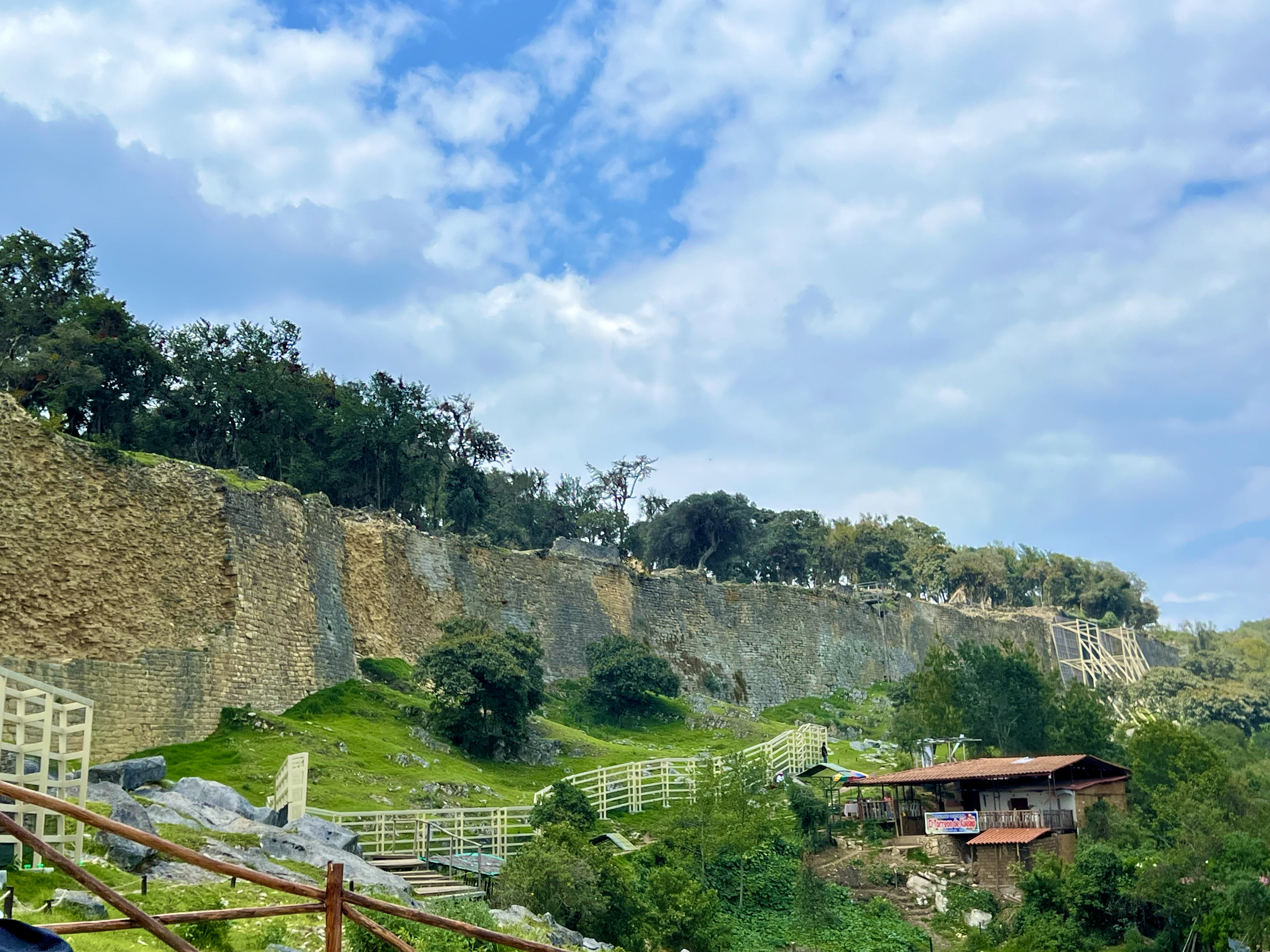
The walls of the citadel, the site is called a Fortress, but it was a fortified city with residential, commercial, administrative and spiritual edifices, were not straight, but undulating like a serpent; they also purposely lean a bit inwards for stabilization. The walls nicely follow the winding contours of the mountaintop.
The site sits at 3,000m above sea level. One large round building, called the main temple, looks like it is upside down with a smaller base and larger top. There was probably a ceiling covering the top, but as with the round houses, the conical roofs were made with fibers that have long since disintegrated. The flat top was probably used for ritual purposes, including the sacrificing of animals, e.g., llamas.

A couple of the larger structures were clearly used for ritual purposes and have hexagonal designs on them. These are structures that face either east or west. The hexagonal designs represent differing animals; when there are two borders, the eye in the middle is supposed to be a feline, whereas on the east side there is only one and the eye represents a serpent. The gods protect the site and there are/were three Apus (Andean mountain deities) that are at Kuélap: Santa Clara (one notices the Christian influence from the Spanish), La Barrera (also the name of the mountain on which the site sits) and Intipuvo. The deities include both male and female energies. There used to be five rectangular buildings, but three have been destroyed and the other two are off limits to visitors. The rectangular structures stem from the Incan period.
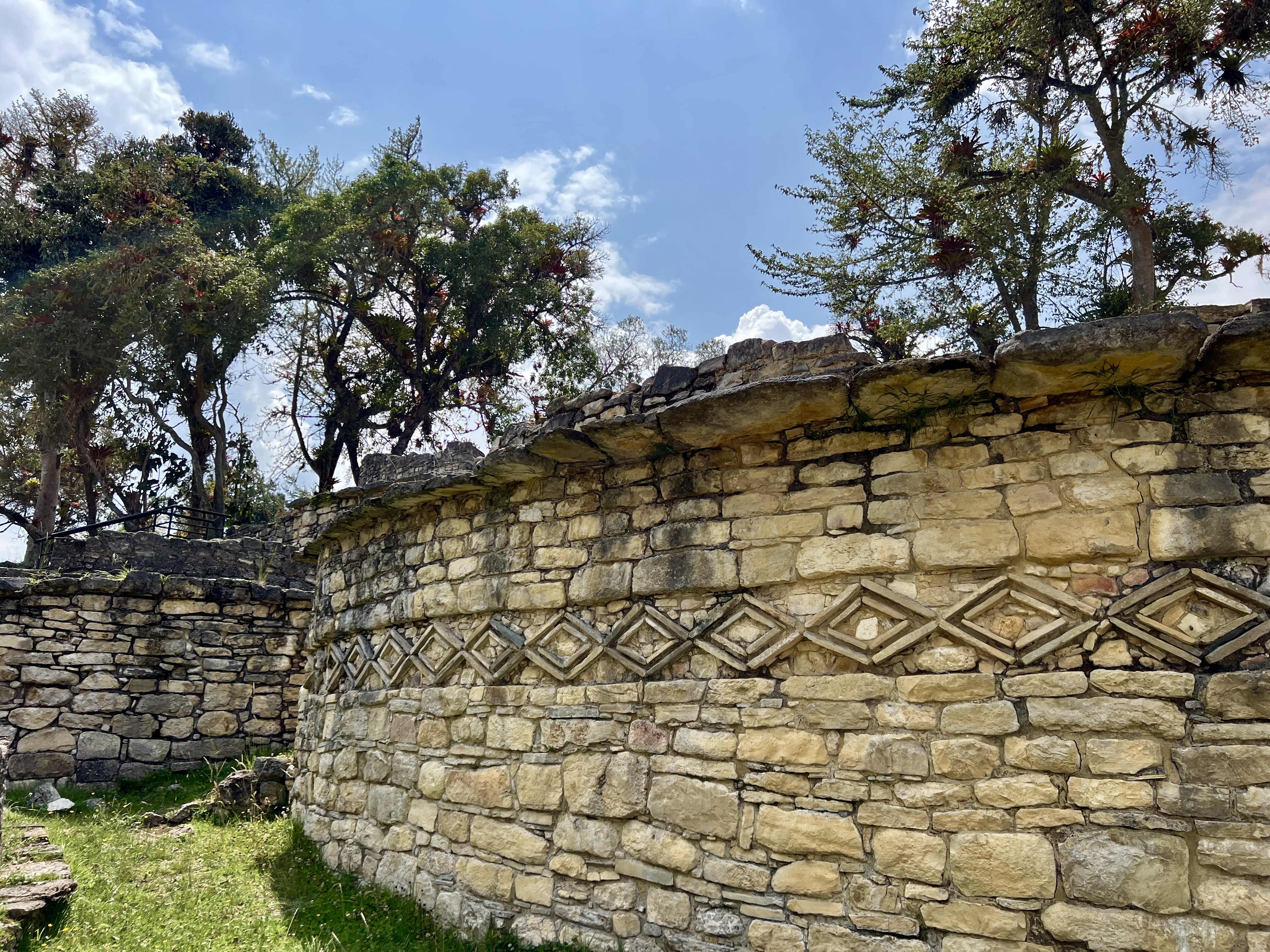
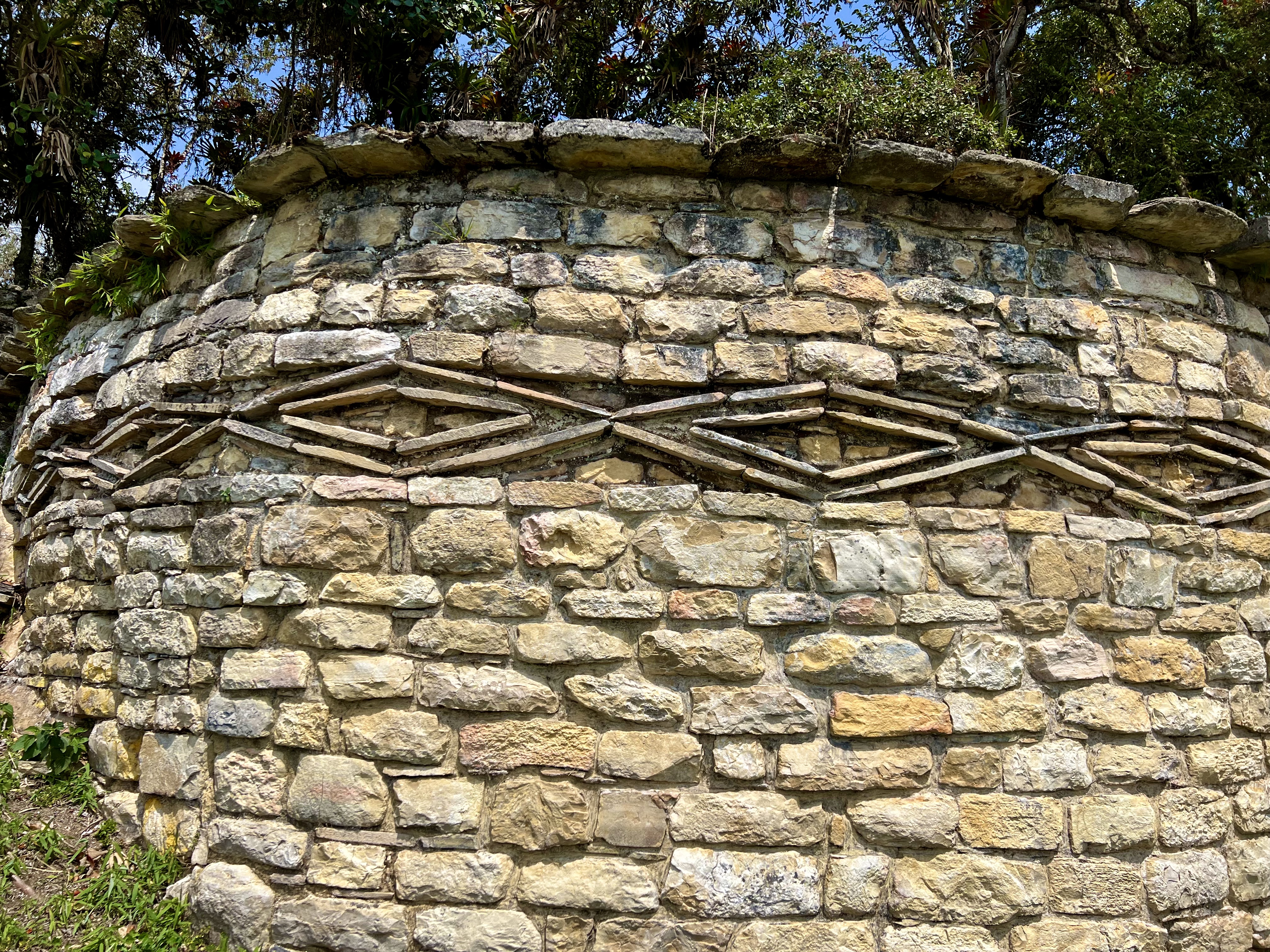
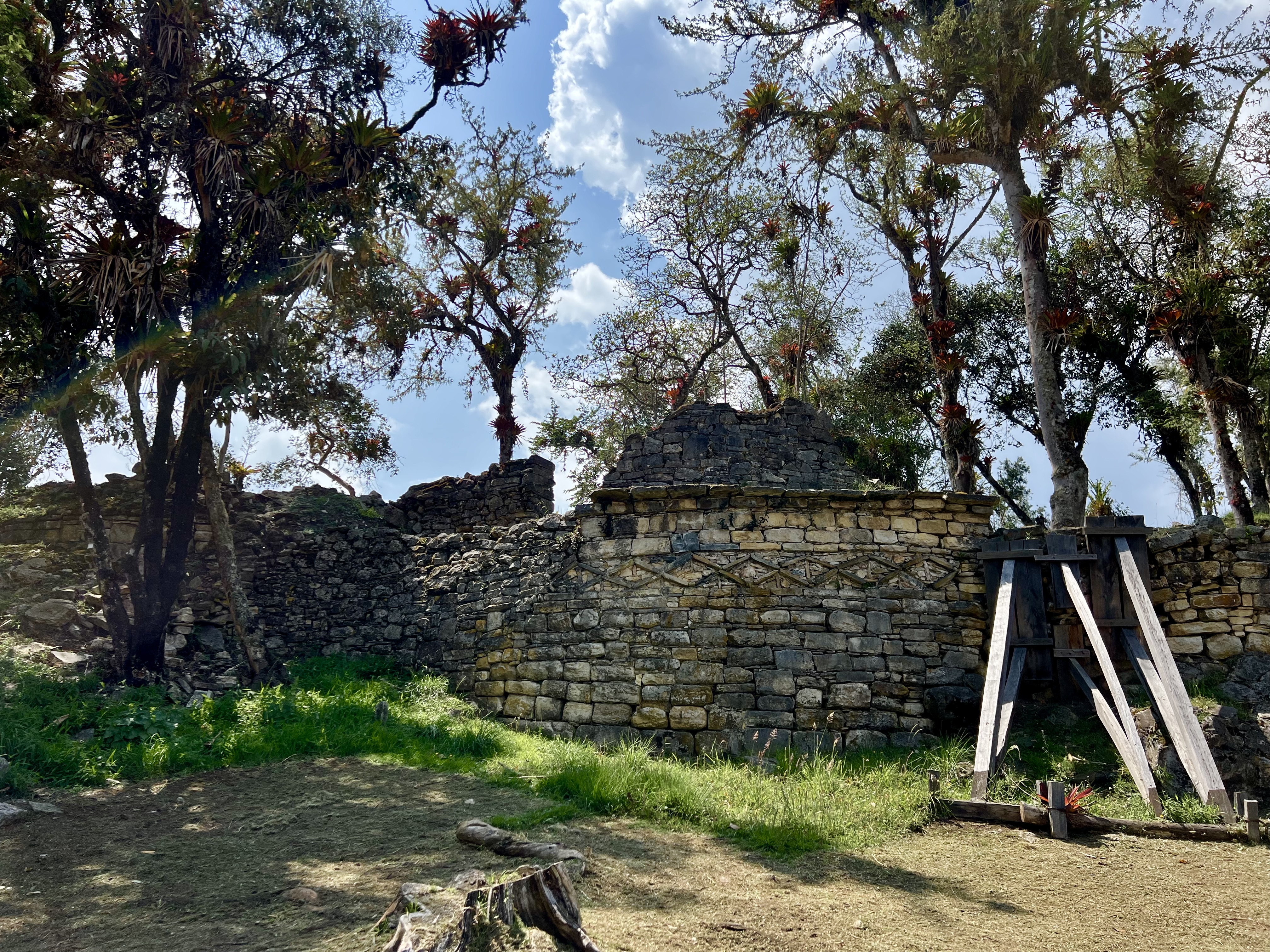
Kuélap was fascinating and the views from the site across the valleys stunning, even if the weather was a bit hazy. The Cloud Forest people chose a good site to ward off enemies, first the Wari, then the Inca, but were no match for the Spanish, who they had supported against the Incas. The textiles and ceramics indicate that from at least 1420-1470 the two native peoples lived peacefully side-by-side and traded with one another. When the Incan Empire started to expand in 1470, this peaceful co-existence ceased and many of the people from the region were forcibly relocated elsewhere in the empire.
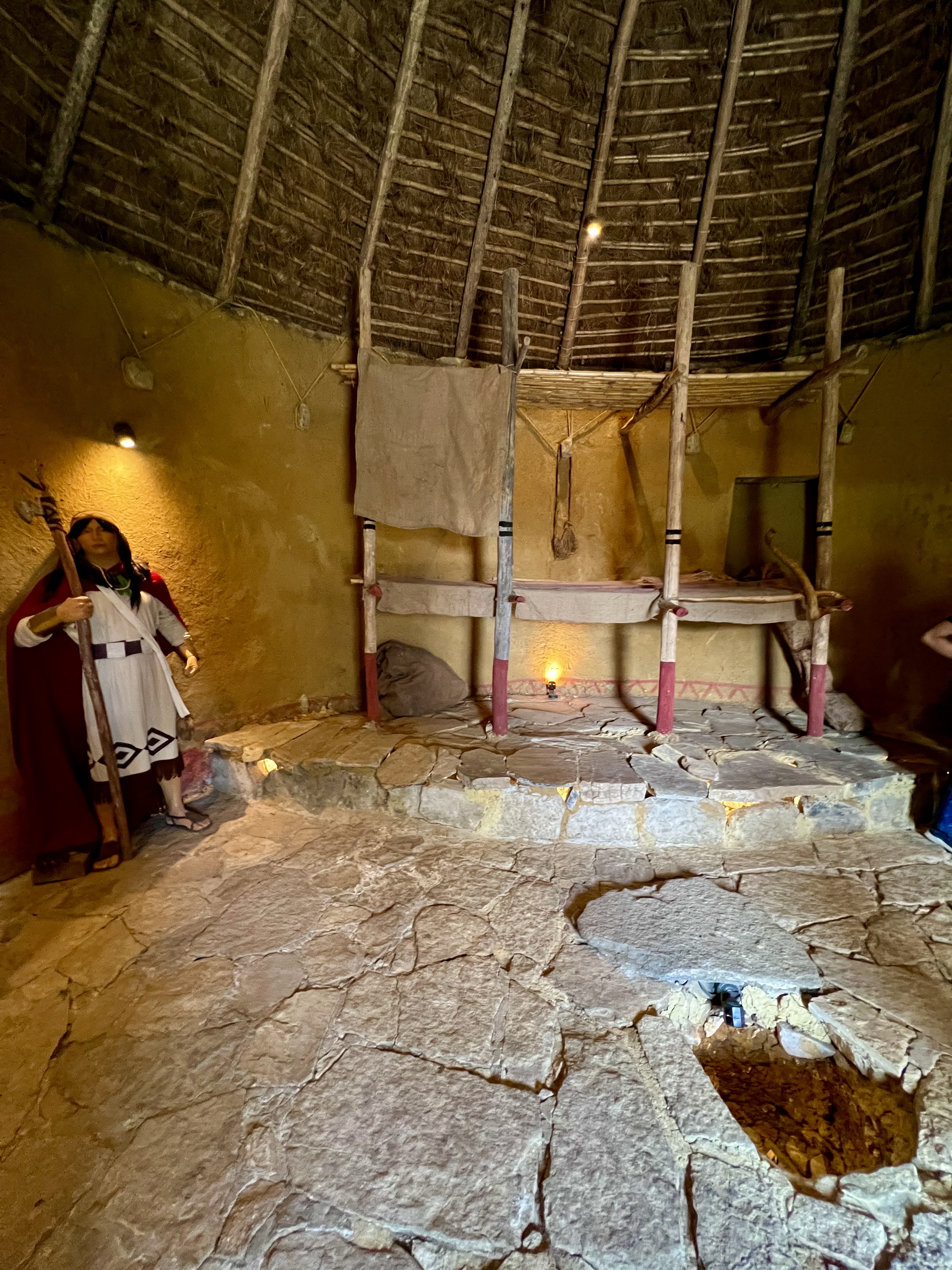
Empires come and go, some are completely lost over time and others reemerge. The Chachapoyan culture is slowly becoming better understood and more well known. Their architecture alone is worth studying for seismic activity.
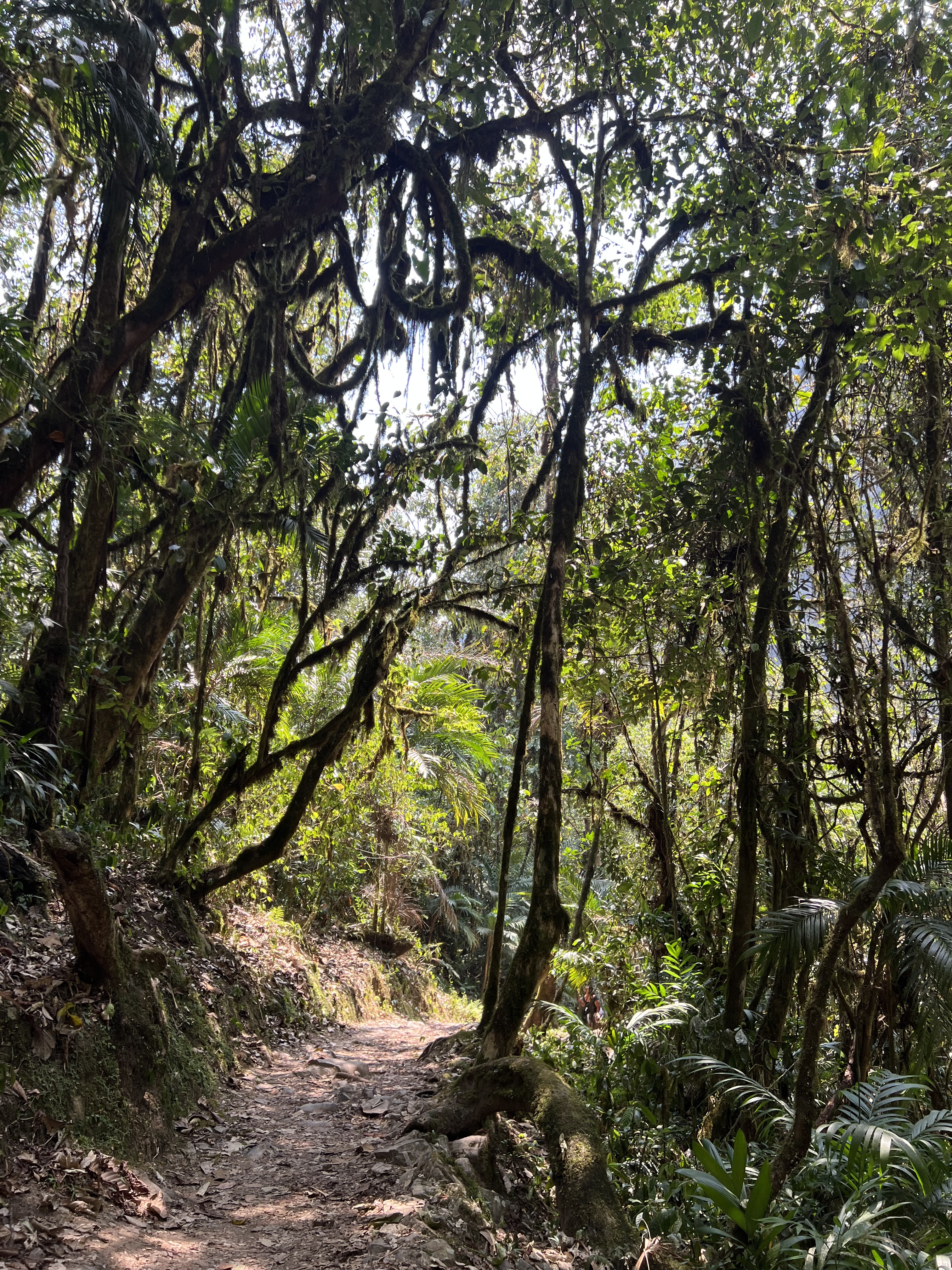
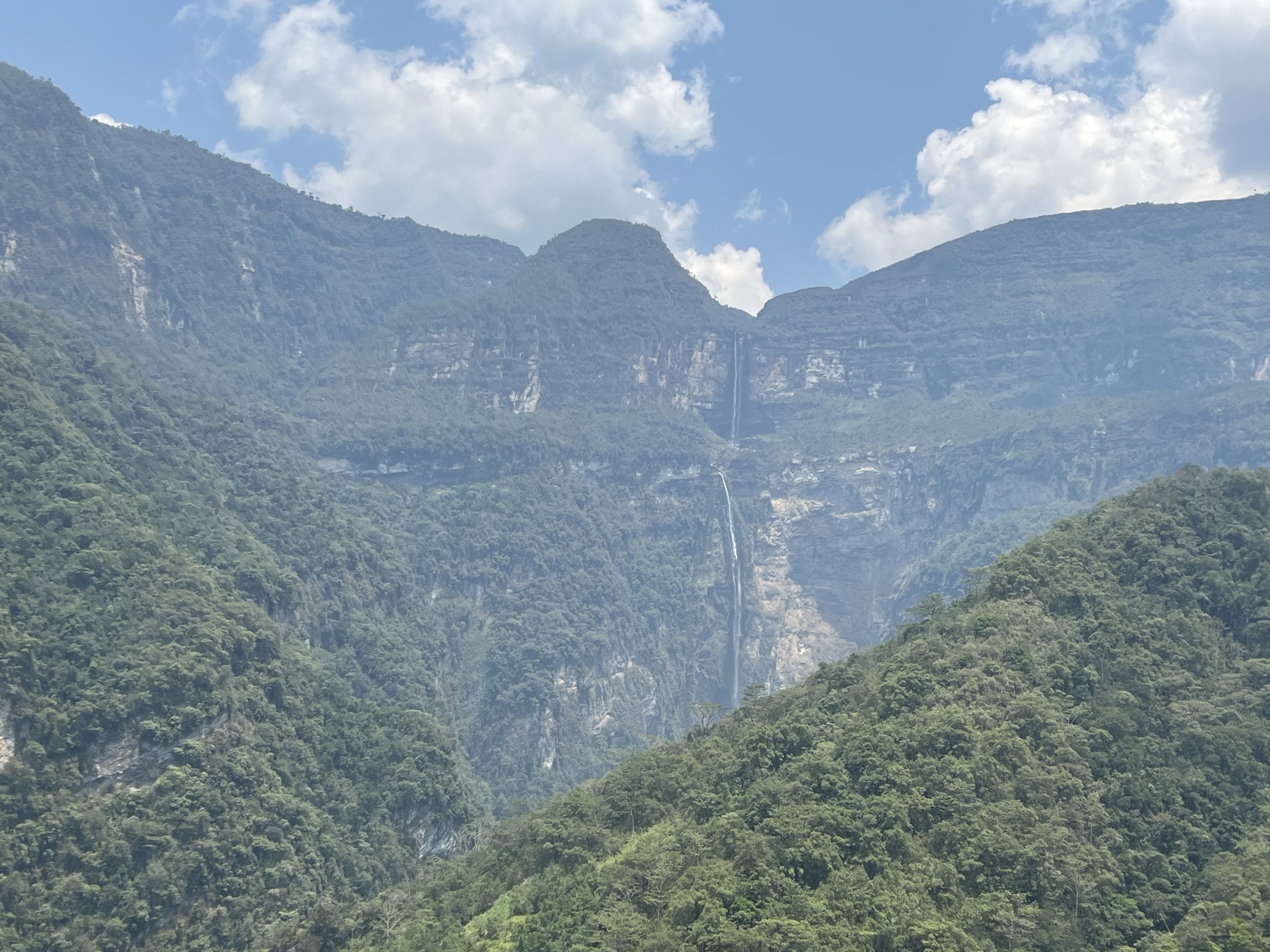
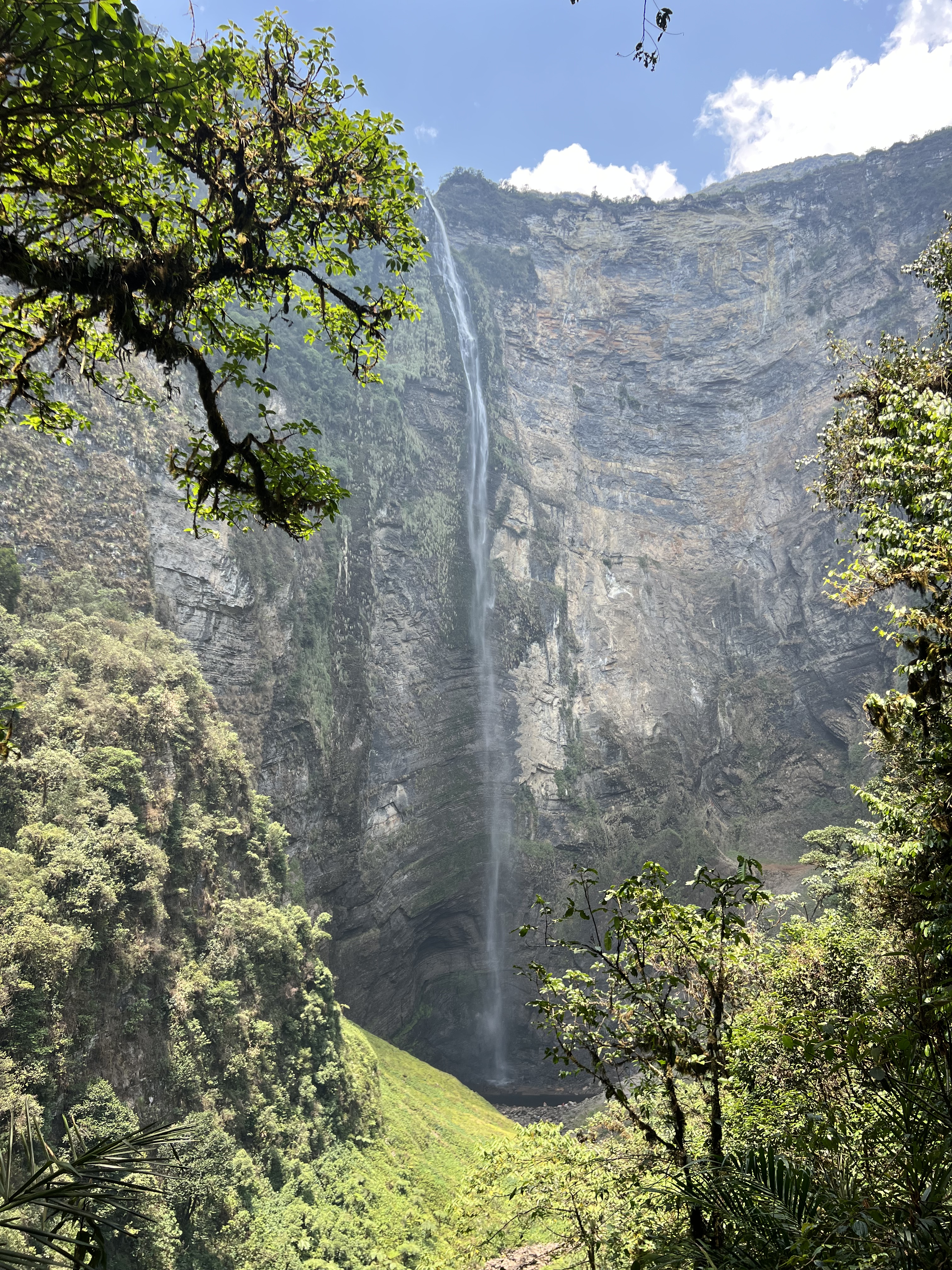
The cloud forest near the city of Chachapoyas, the sixth city founded by the Spanish in the latter 1500s, is filled with natural beauty. The Gocta Falls is supposed to be the third tallest on the continent, that is if one counts both sections. The walk to the Falls, ca. 2+ hours goes uphill and then mostly down, which makes for a long uphill return hike, but it is well worth it for the beauty of the area. The rainforest is dense and lush and the Falls impressive. There are Andean Cock of the Rock, the national bird of Peru here, but, while I heard a few, I couldn’t make them out through the brush.
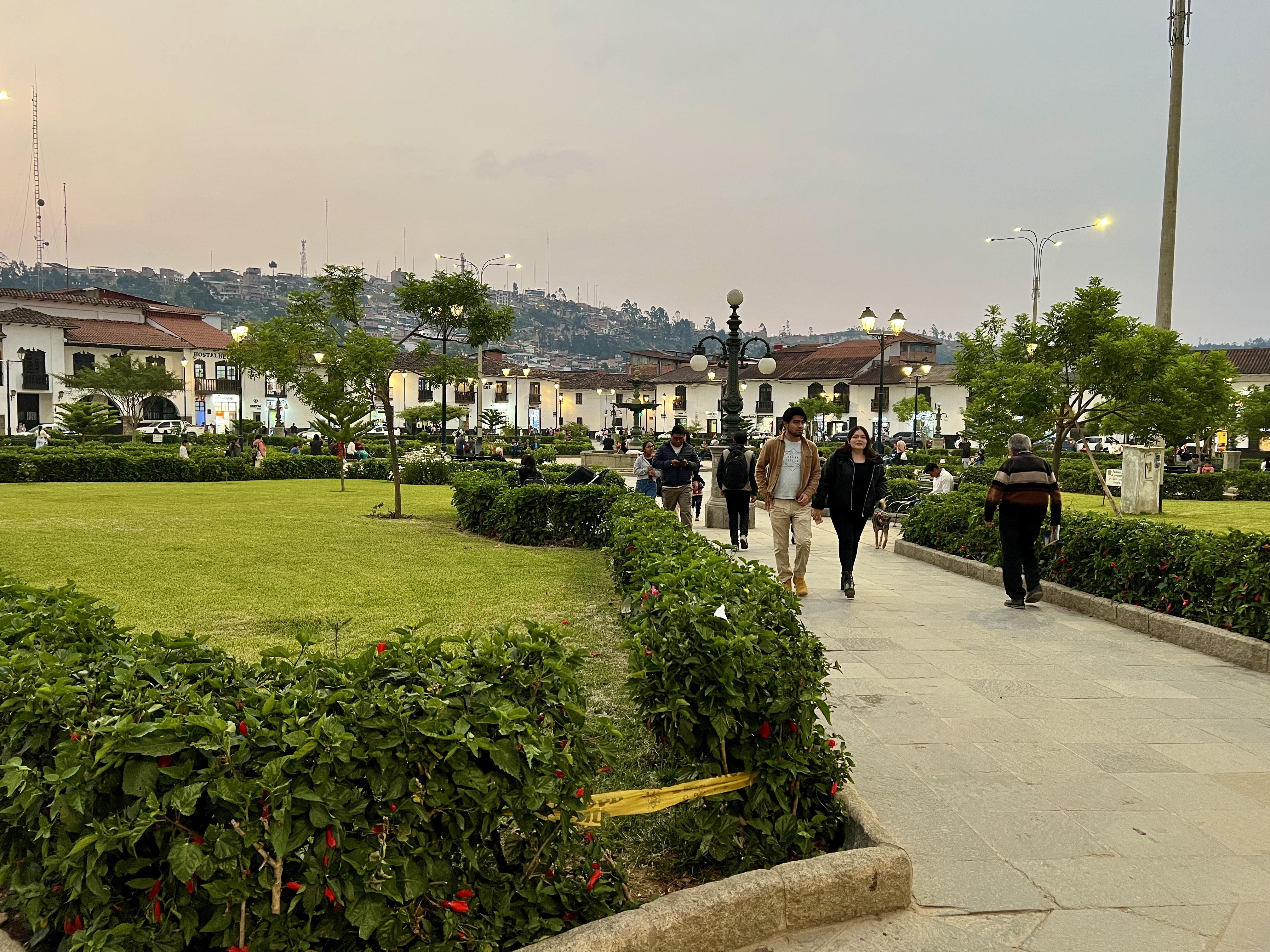
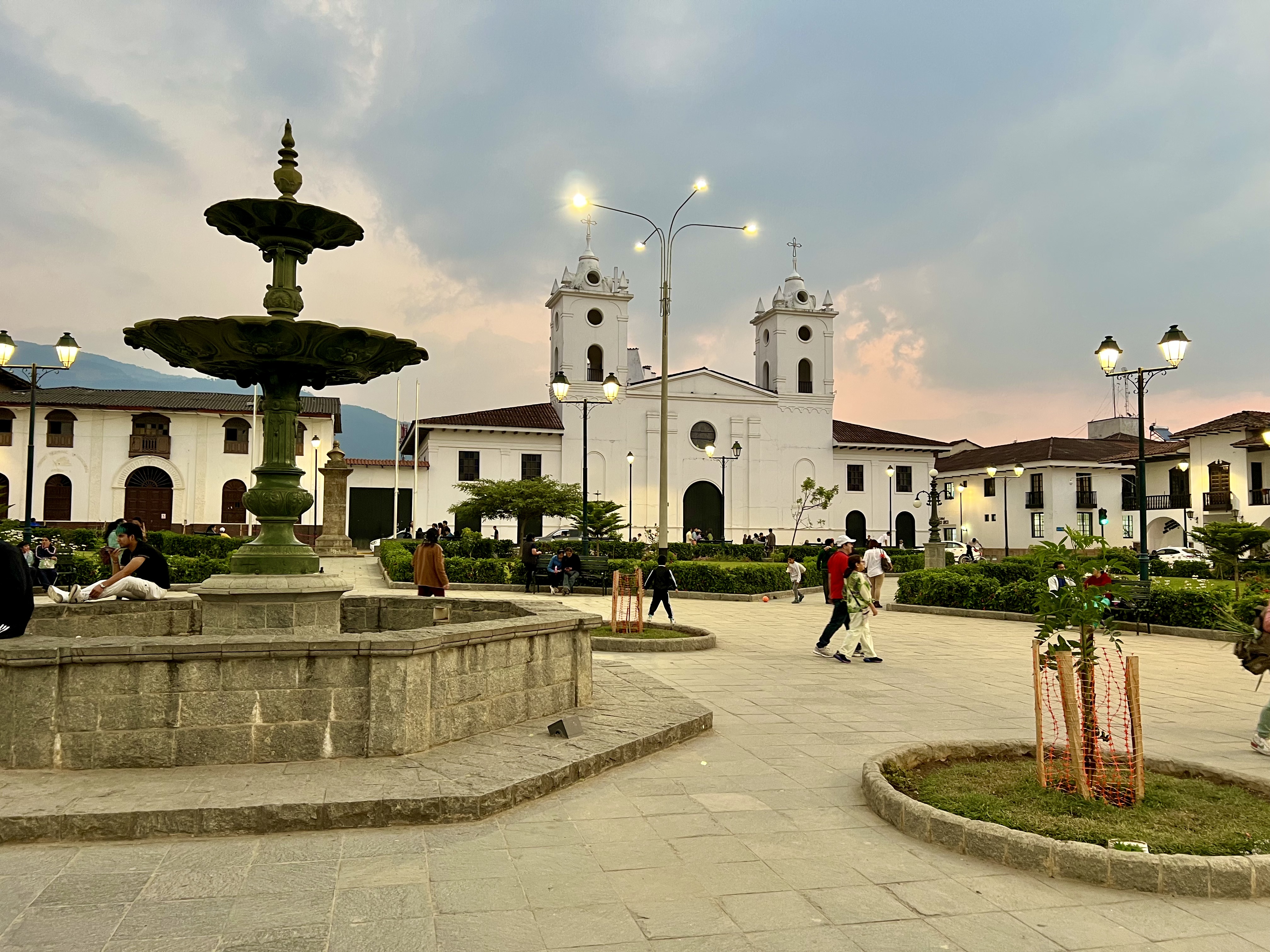
The city of Chachapoyas is touted as the safest city in Peru and people gather at all hours around the Plaza Major. It is more laid-back than Lima, and it is worth spending a few days here.
Sources used for the information presented here:
Guillén, Sonia, Peter Lerche, Evelyn Guevara. Chacha motivos en el Museo Leymebamba: Diseños para el arte y la artesania. Centro Mallqui, Instituto de Bioarqueología, Lima: Junio 2011.
Kuelap – https://www.peruforless.com
Kuélap guide
Kuélap Interpretive Center signs
Leymebamba Museum guide
Leymebamba Museum signs
 omegoodyssey