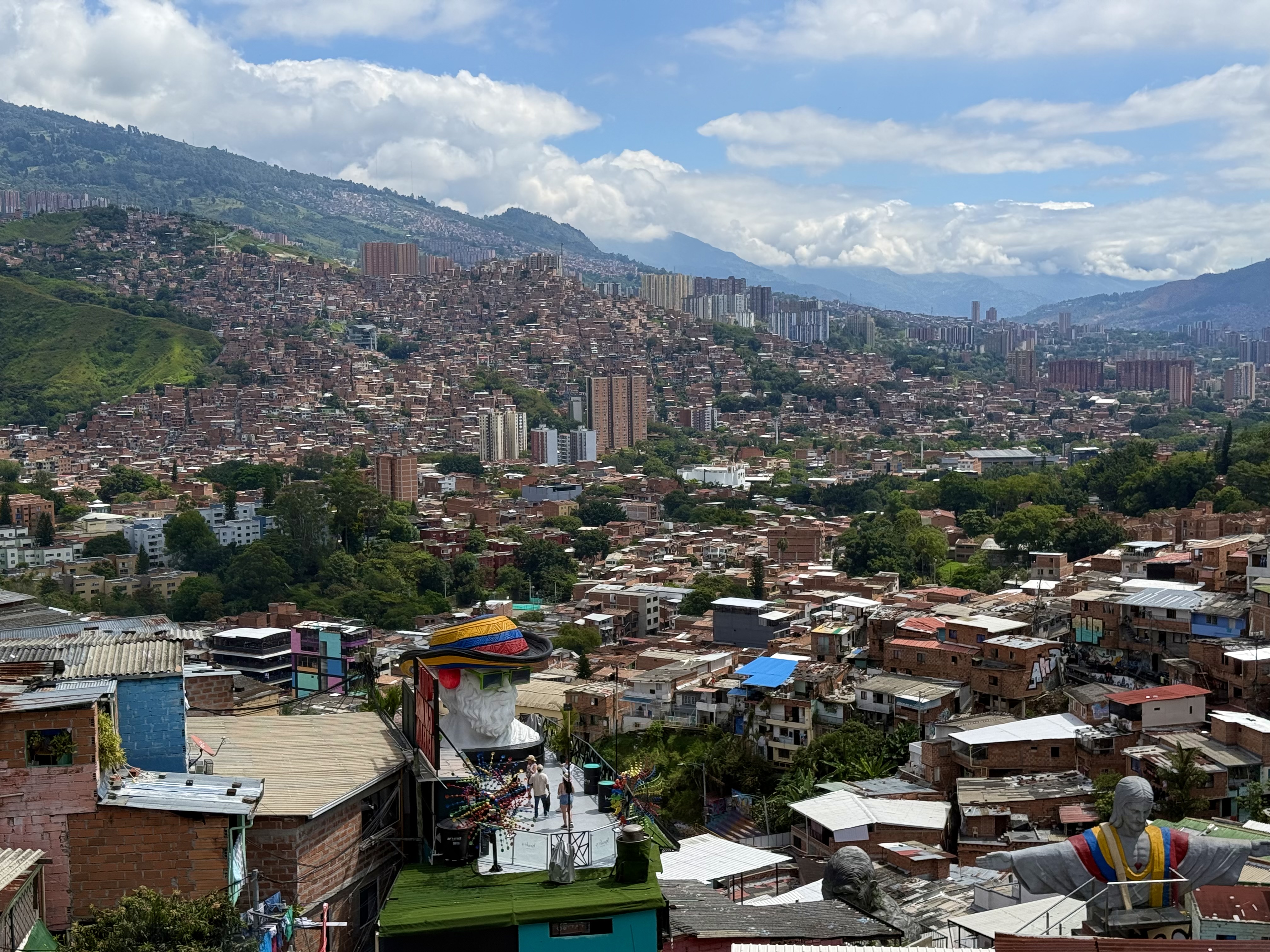
Medellín is a beautifully lush vibrant city. Trees and bushes line the streets and sidewalks giving a park-like atmosphere to all but the most congested areas. I stayed in Poblado, which is where many tourists stay, and was delighted with the open-air outdoor cafes, restaurants, and bars. The first morning, I needed to get something fixed on my new computer and went to a local Apple store in the Oviedo mall. Even the food court had a large tree in its center.
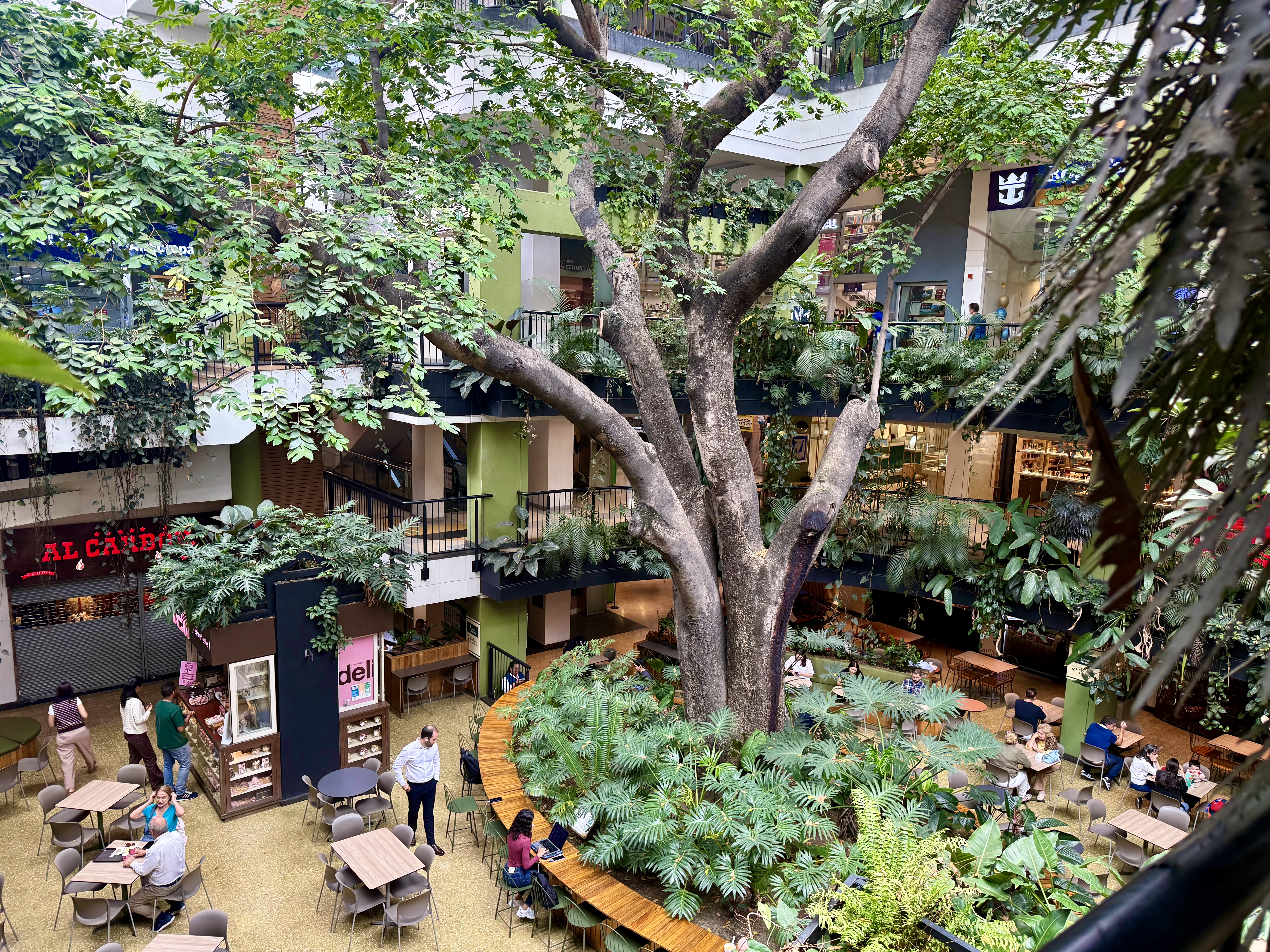
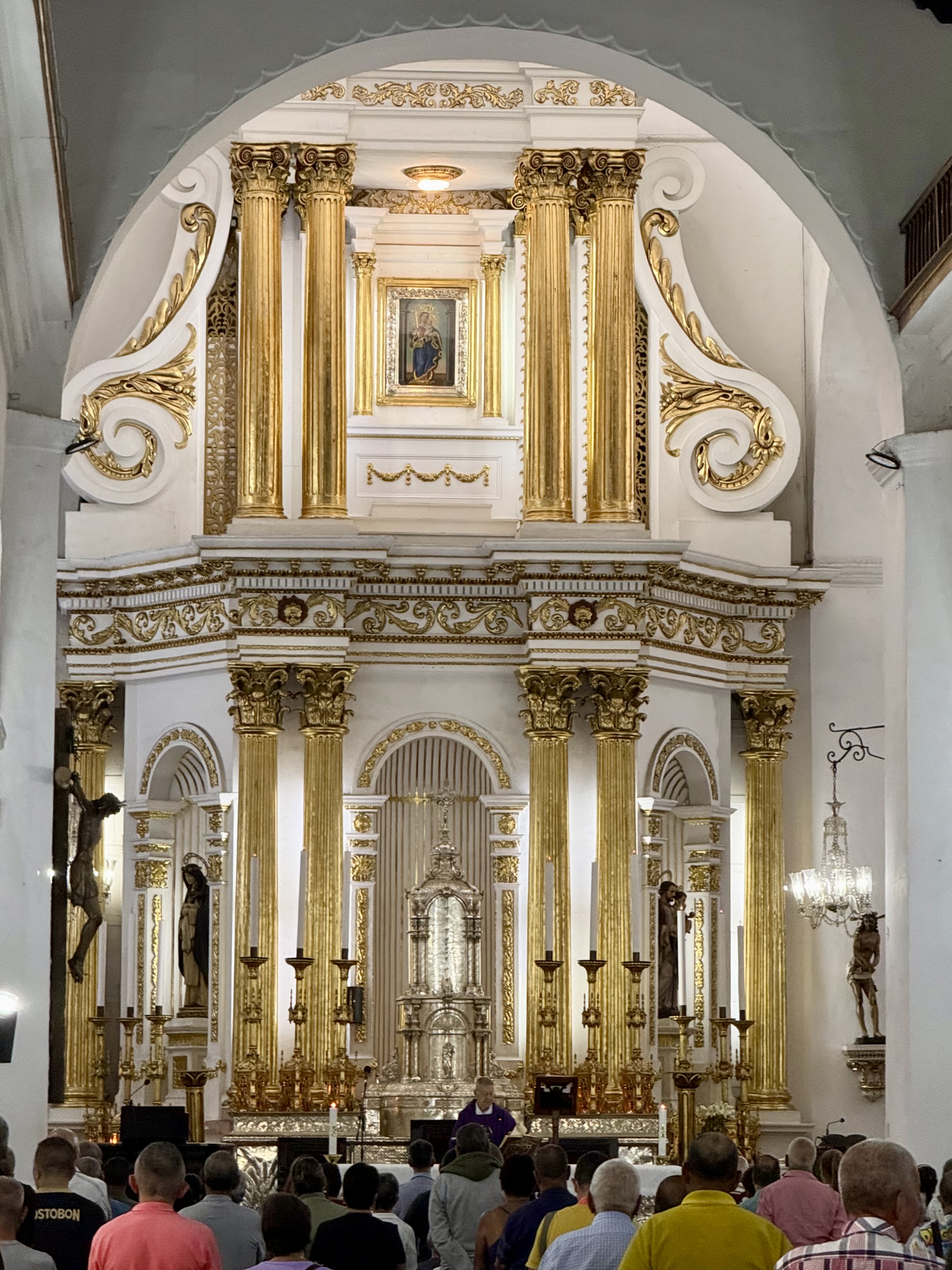
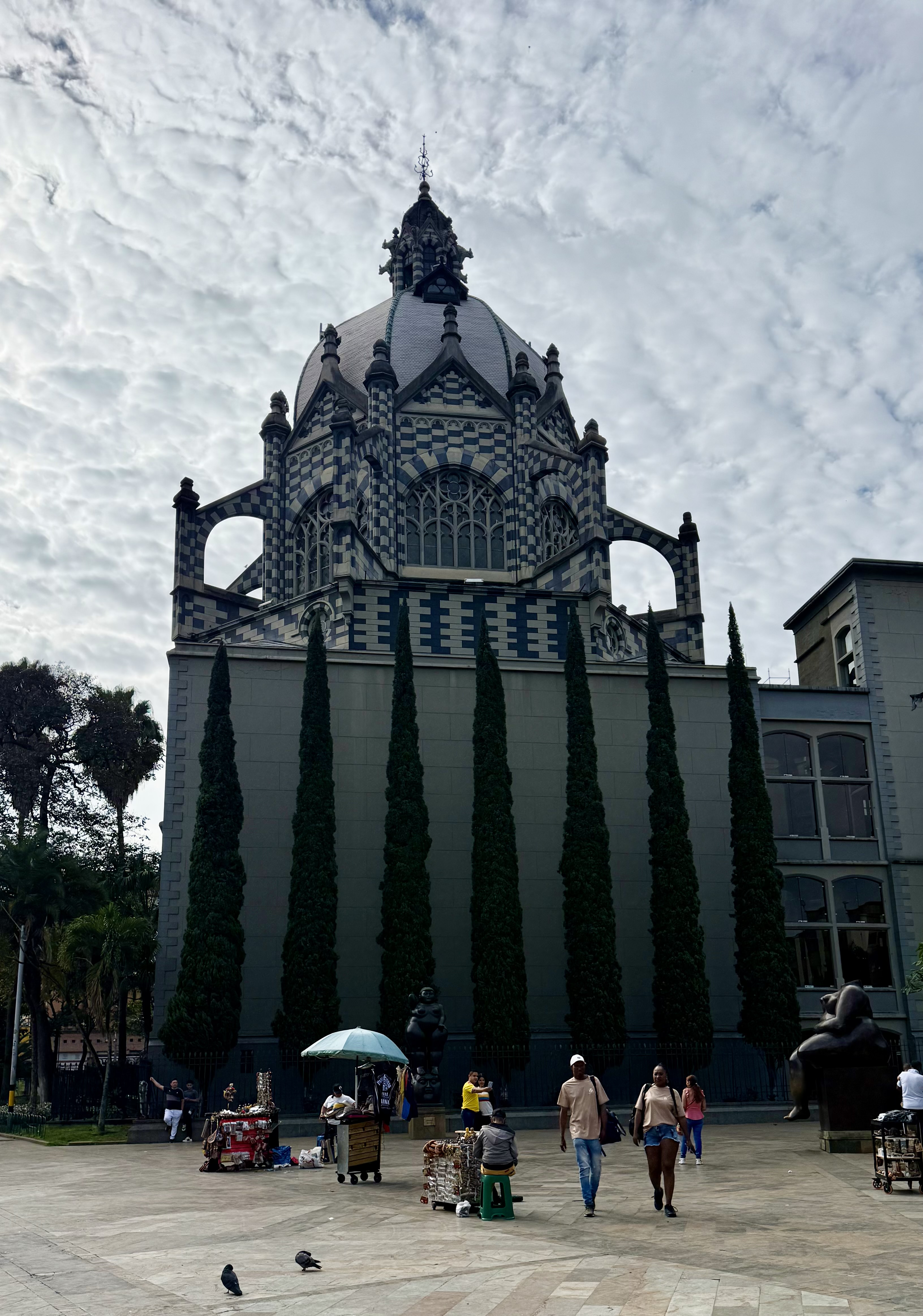
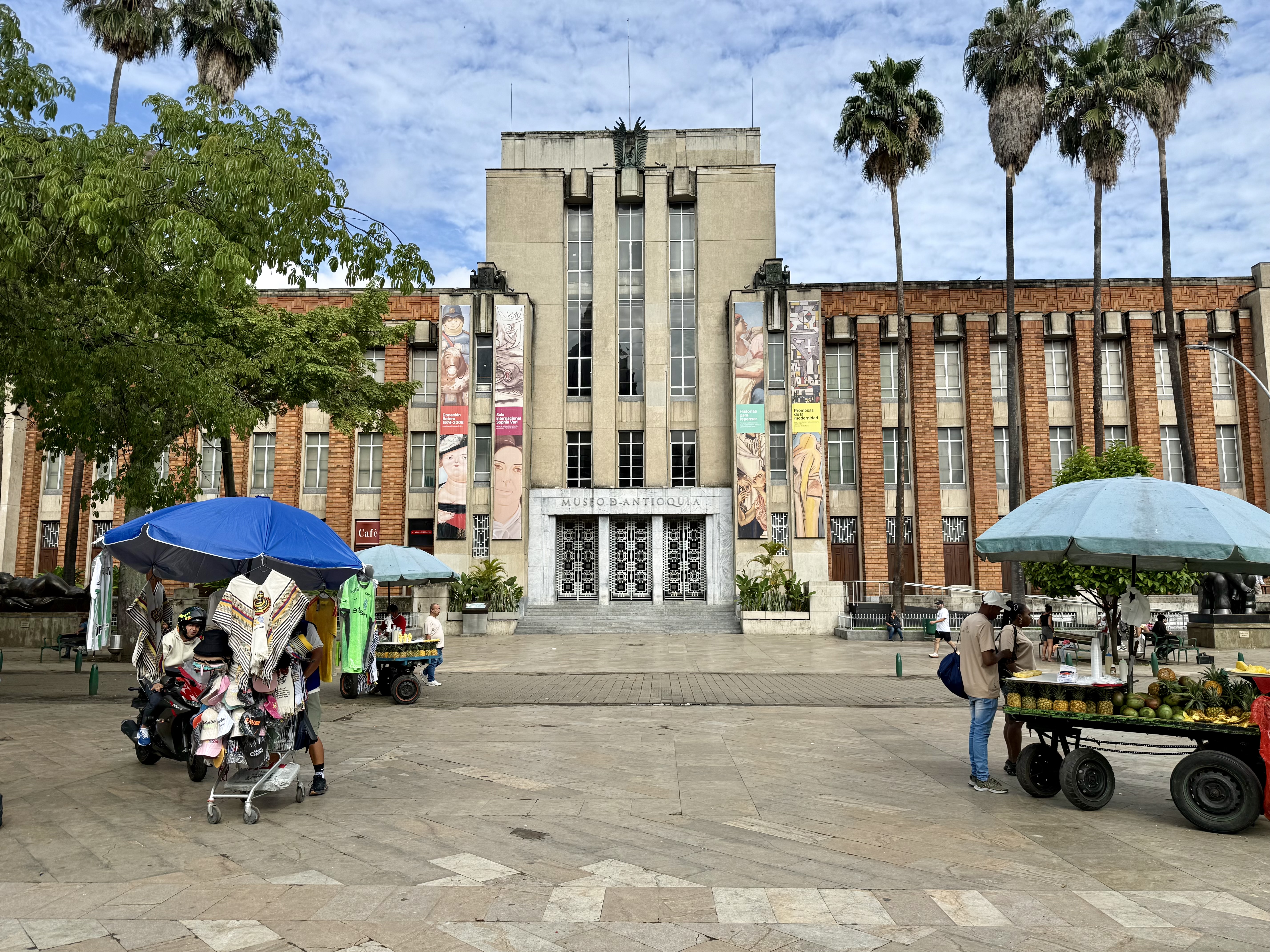
For the last day in this part of Columbia, I decided to take a city tour as I’d not yet been to the downtown area nor to some of the other highlights of the city. The museums were unfortunately closed as it was a Sunday, but I did get into the main chapel across from the Botero sculpture park where a mass was going on. On the way to the park, we passed a large impressive dark and light brick building that used to be the city administration. The mayor’s offices have since moved to a newer structure.
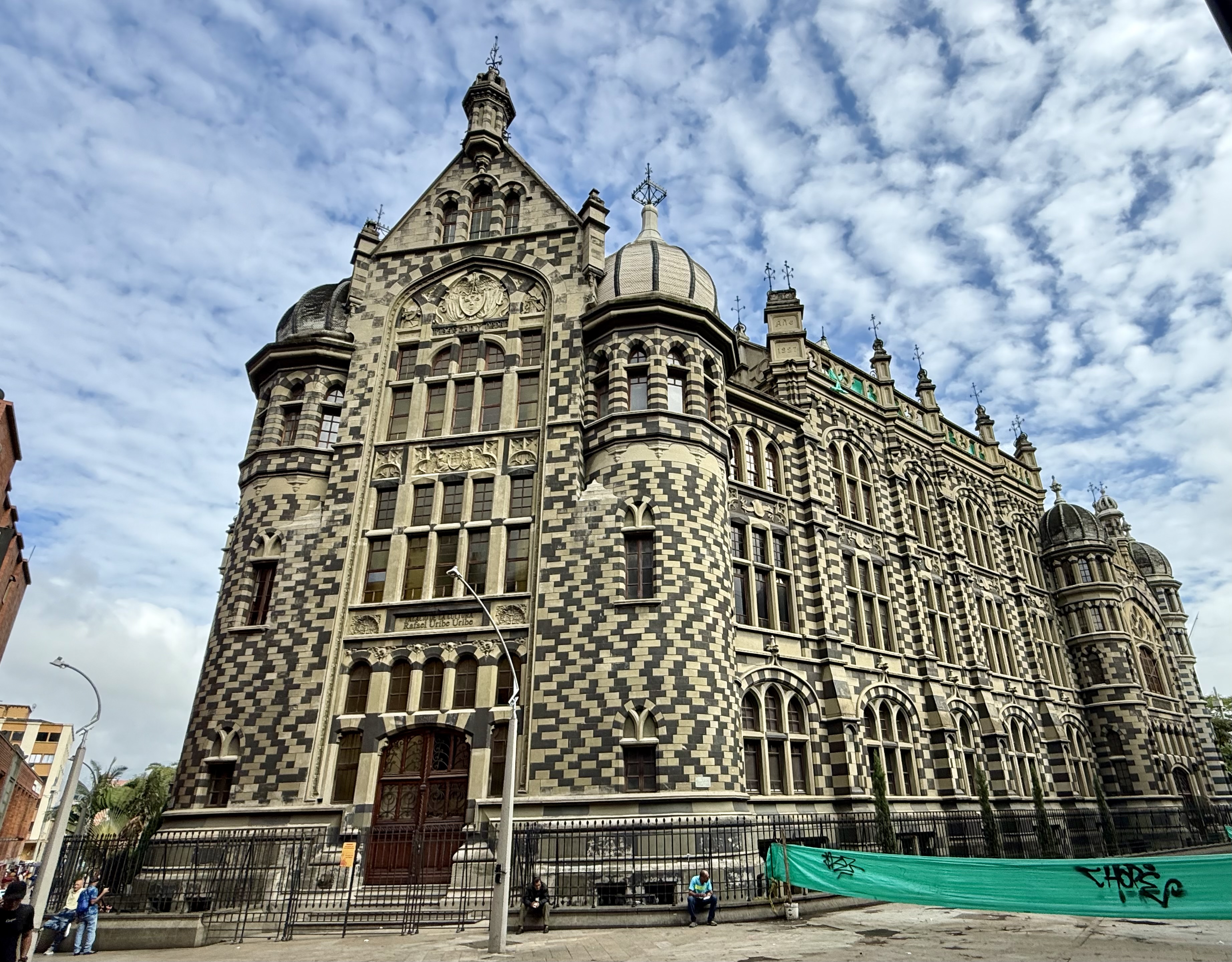
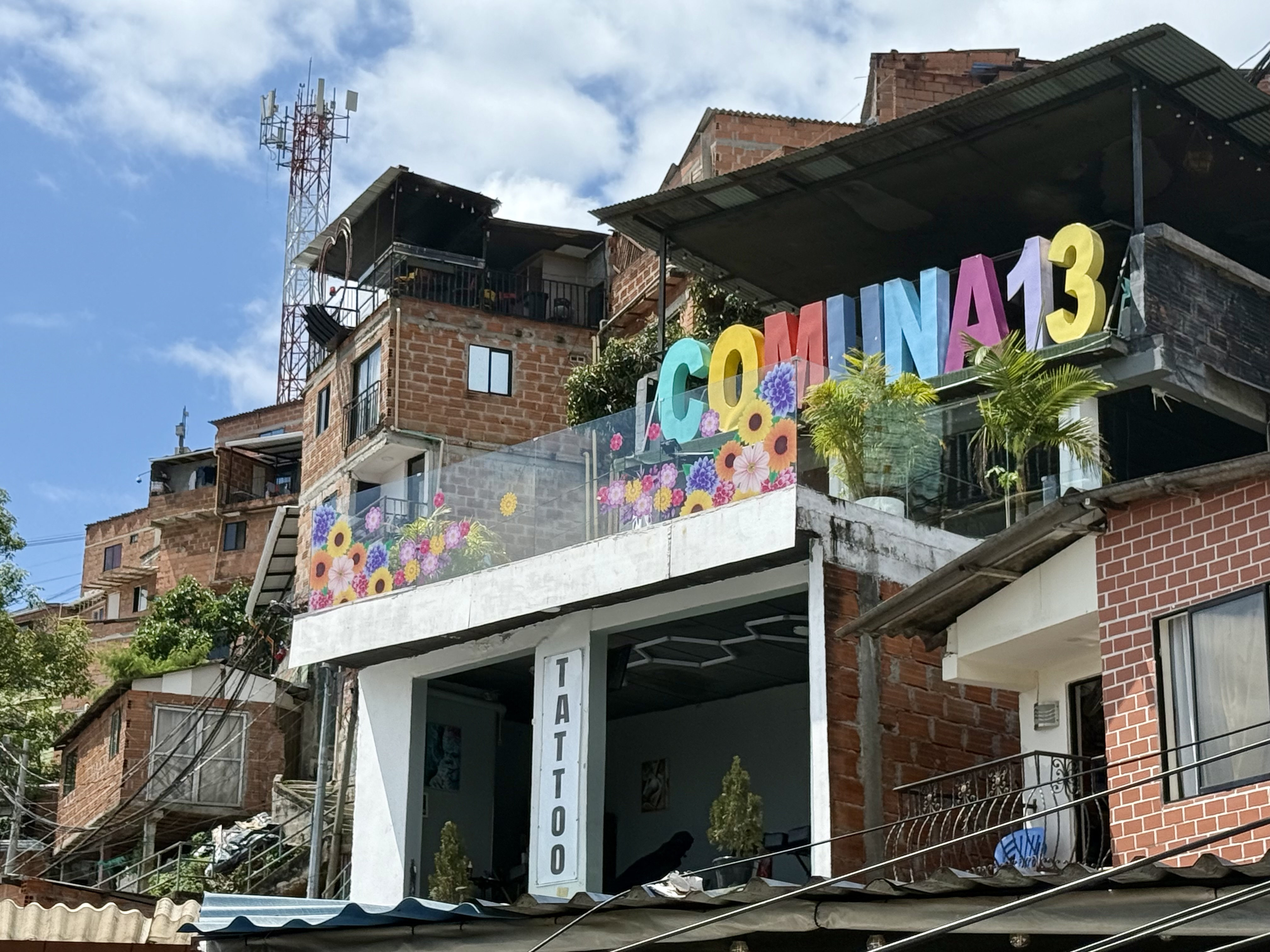
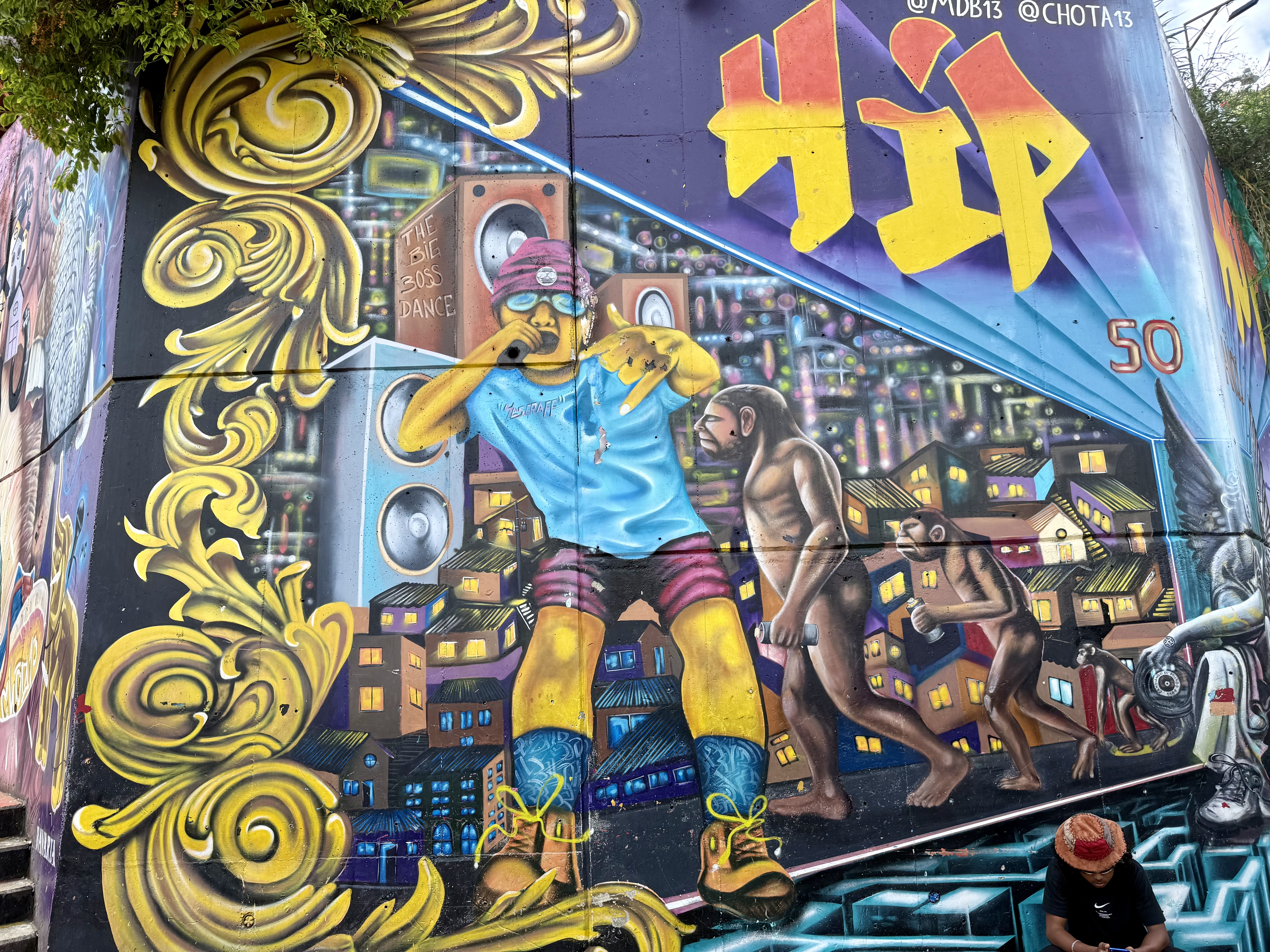
Comune 13 once was the most dangerous place in the city but has been revitalized and is now a hub for street art and dance. The government smartly put in a series of escalators so that people can get up and down the steep hillside without much effort. Since then, the locals have become thriving entrepreneurs with small shops, cafes, food carts, and restaurants which cater to tourists both local and international. While we were walking through, we came across a street performance by “El Poder de la Vida” breakdance troupe. They were incredible!
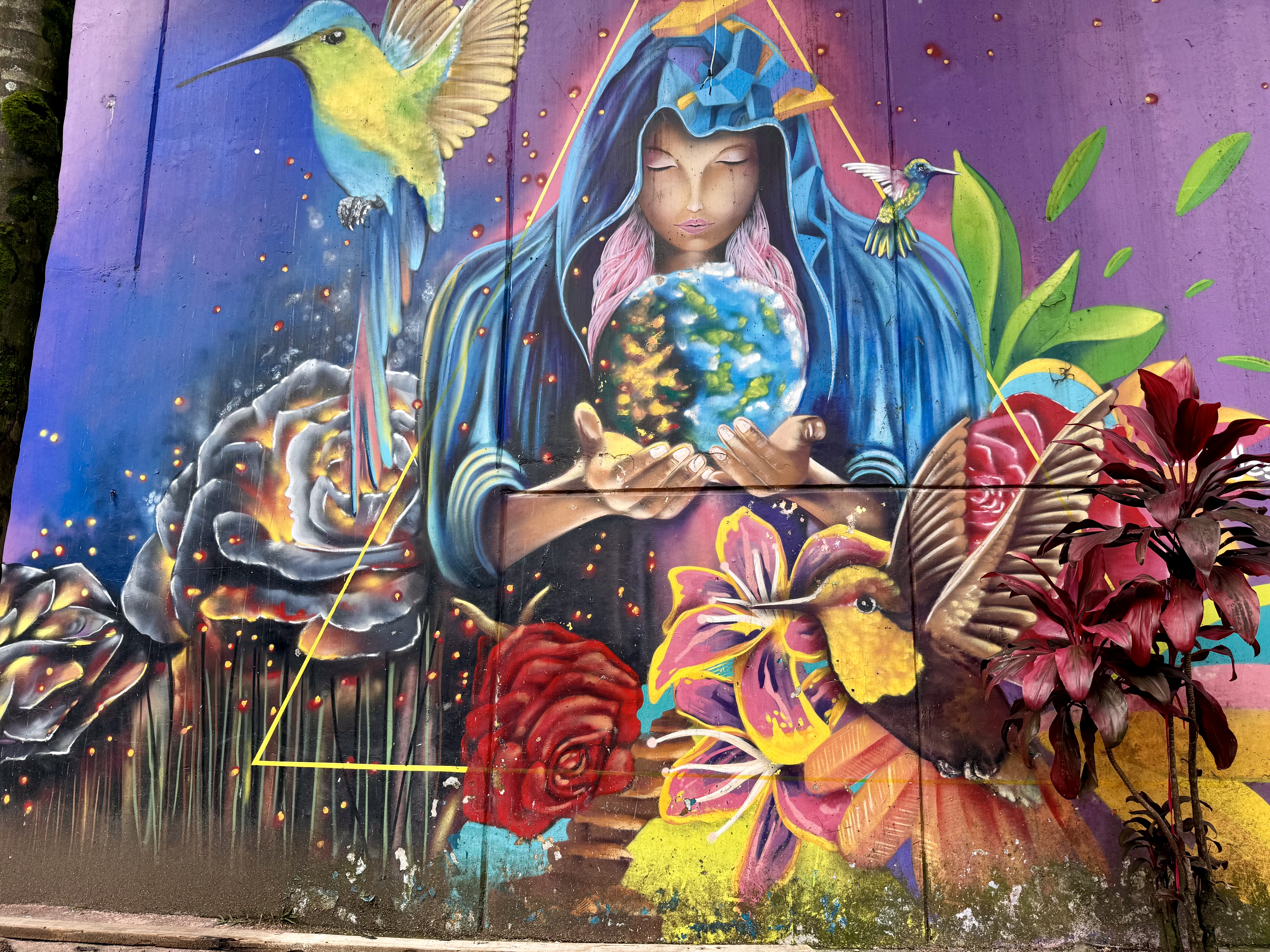
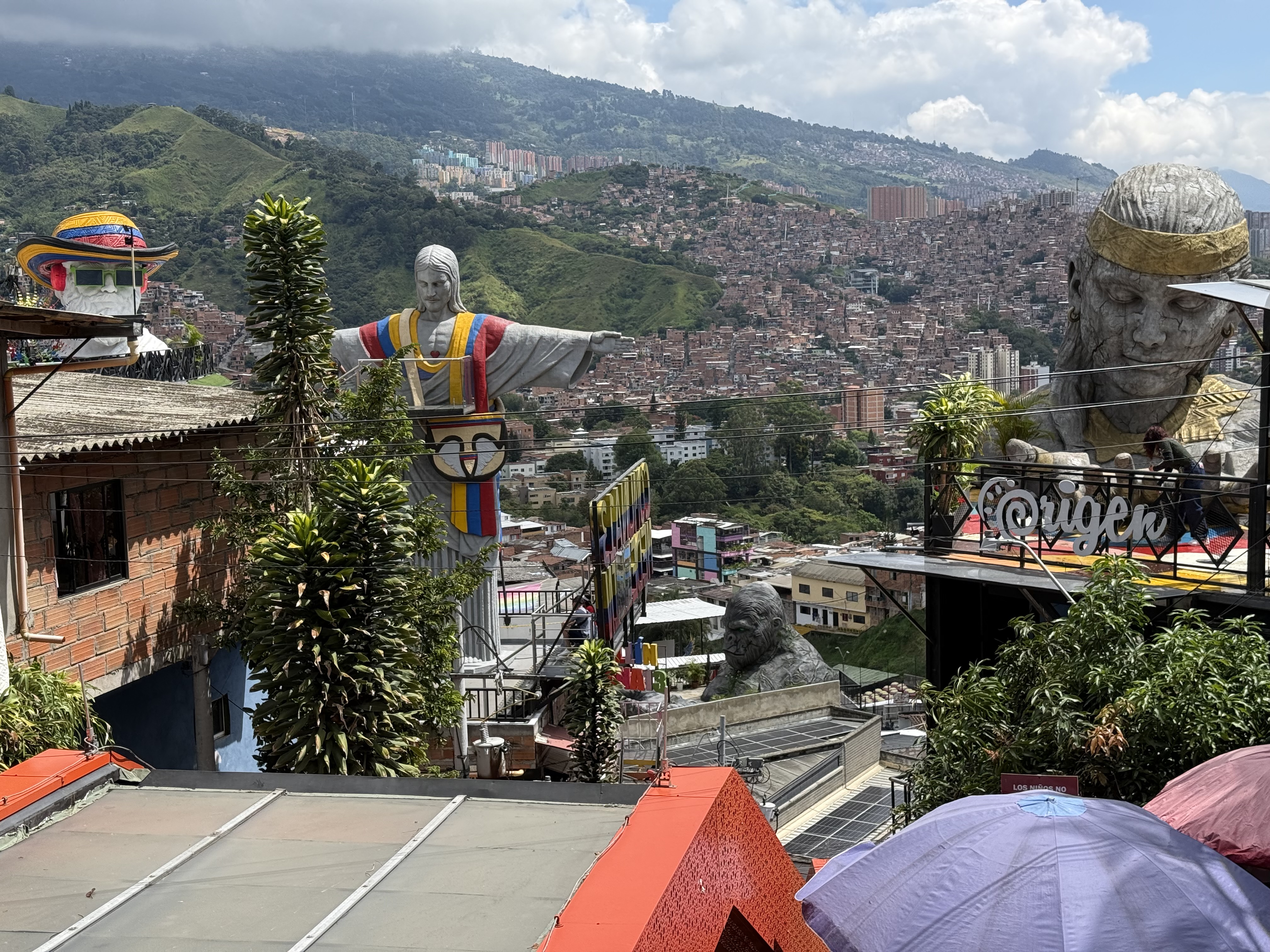
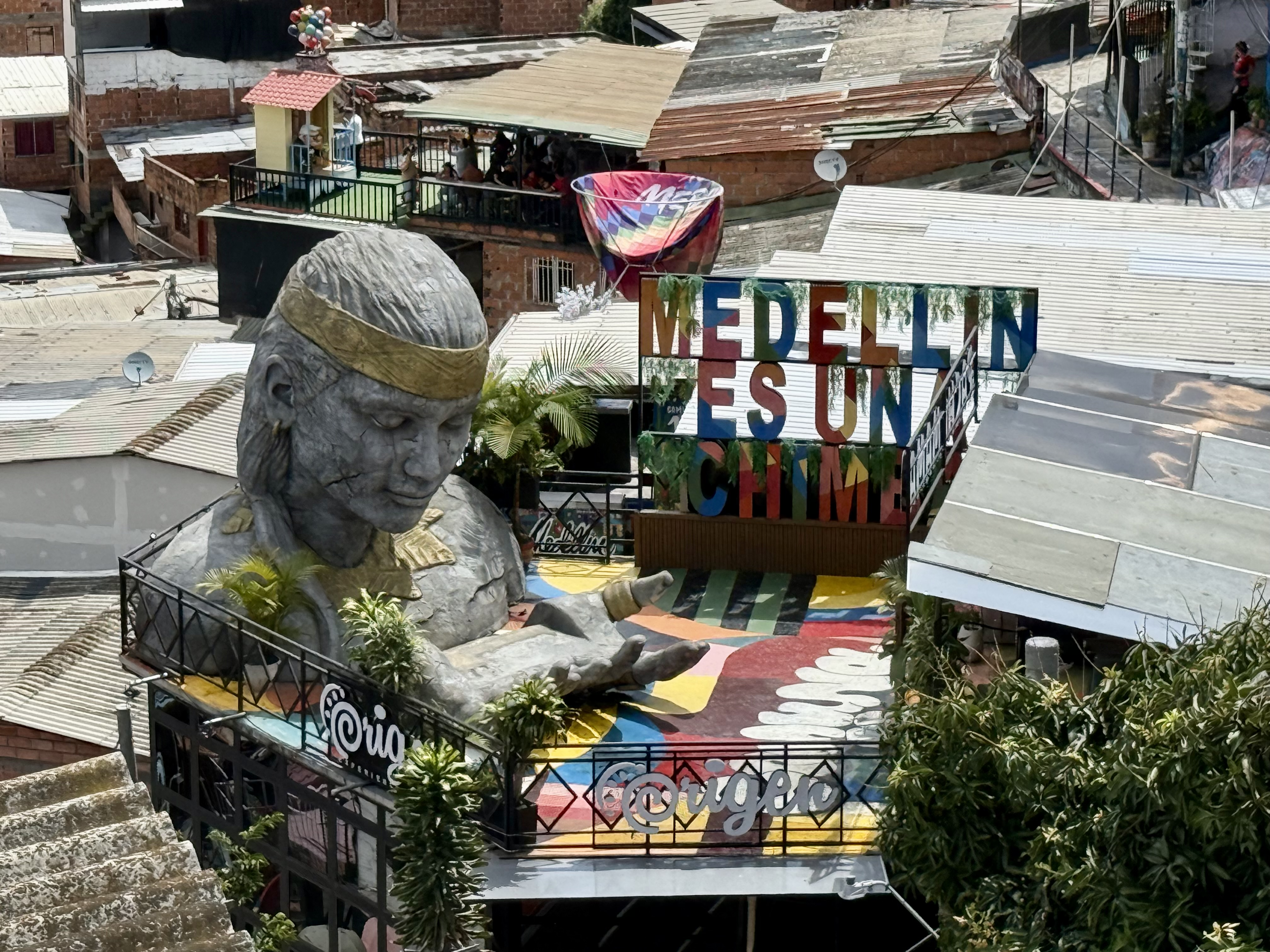
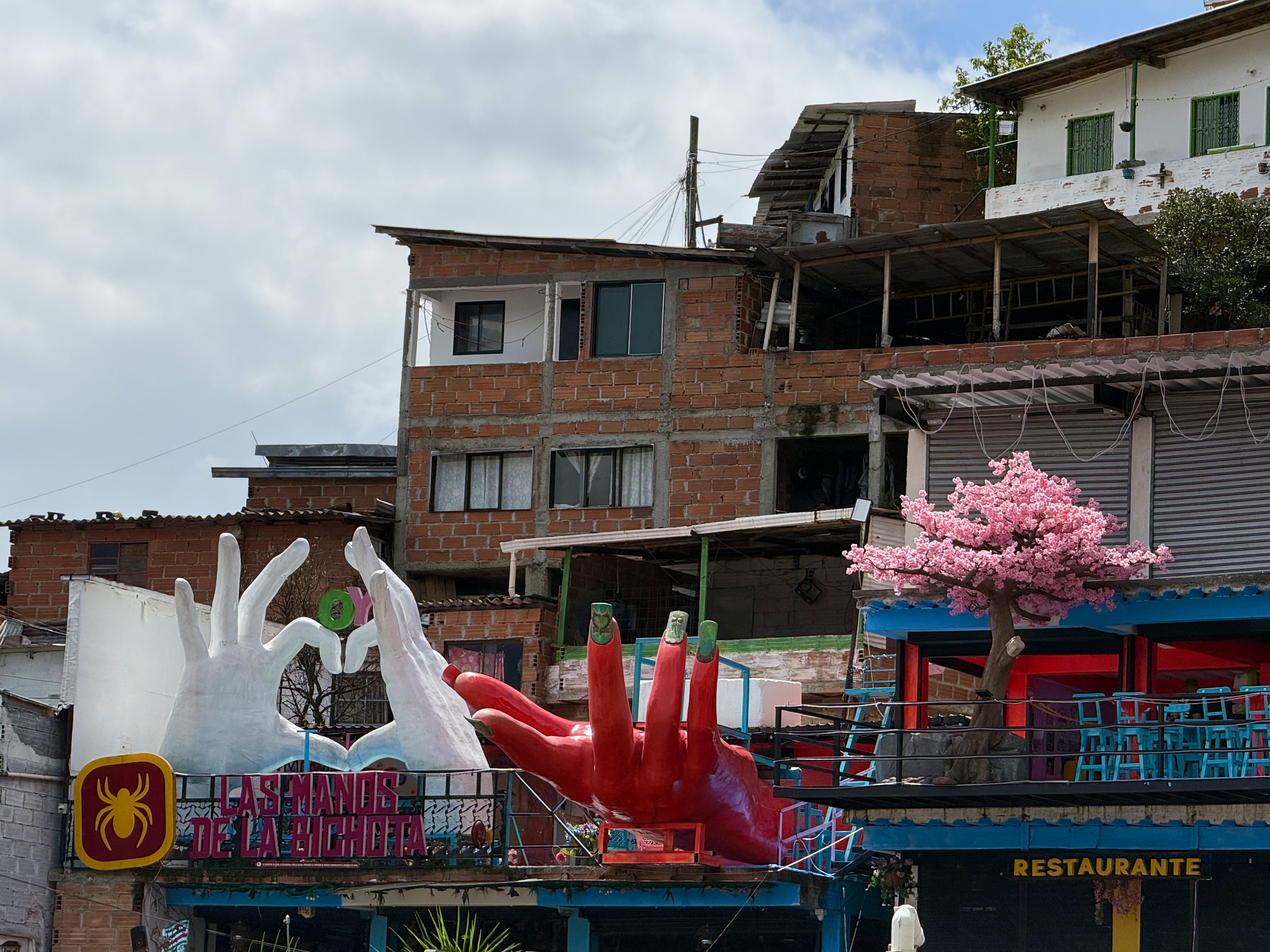
Murals by different artists line the pathways, some of which relate to living in the community, others with depictions similar to that on velvet art, and others that are much more original. A few large sculptures are also visible from various viewpoints up and down the mountainside. One fairly recent addition is a Jesus statue, where the owner charges $3 for people to take their photo with the statue. His is one of the many ways locals are finding to break out of a cycle of poverty that formerly defined the community.
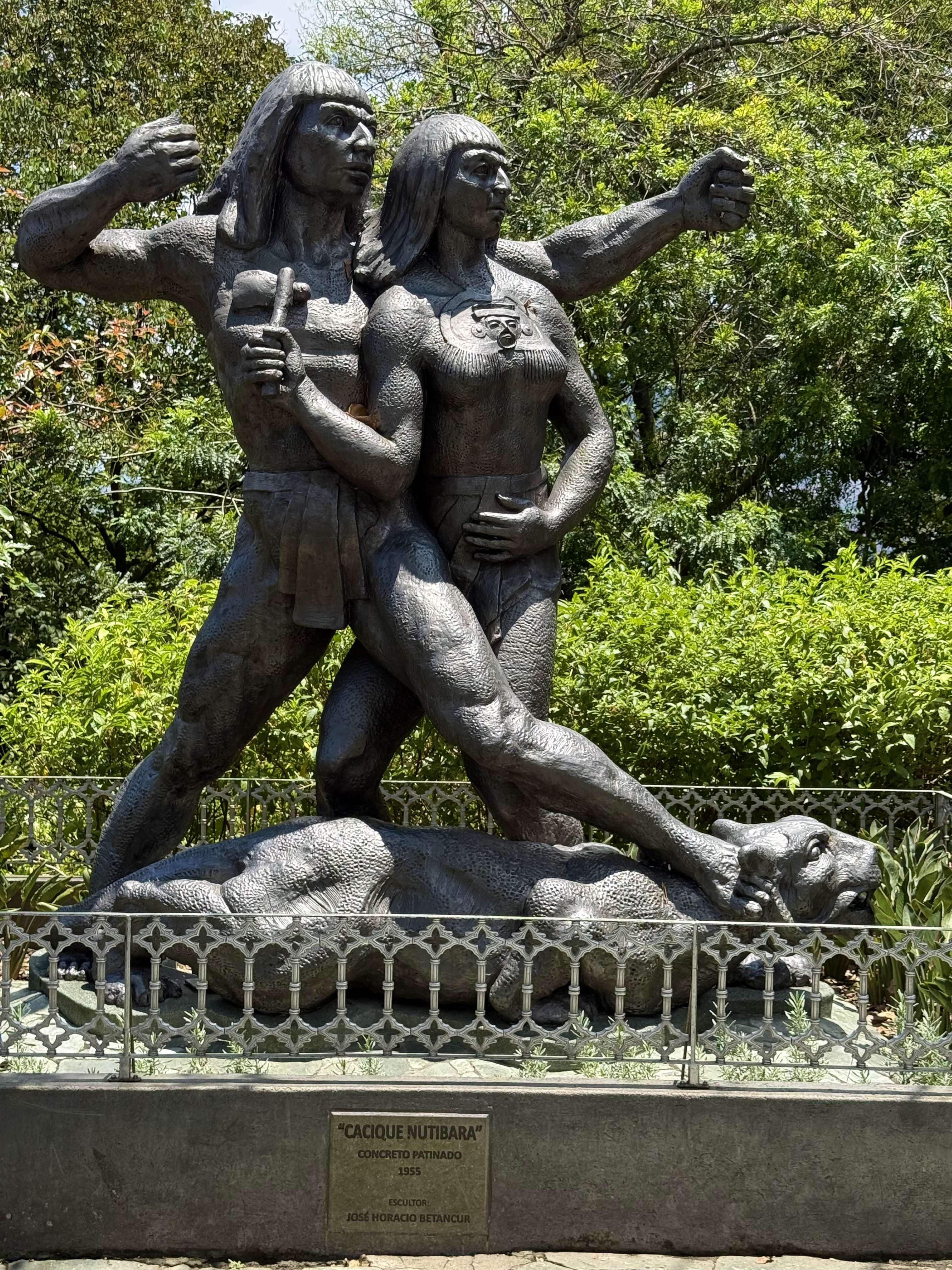
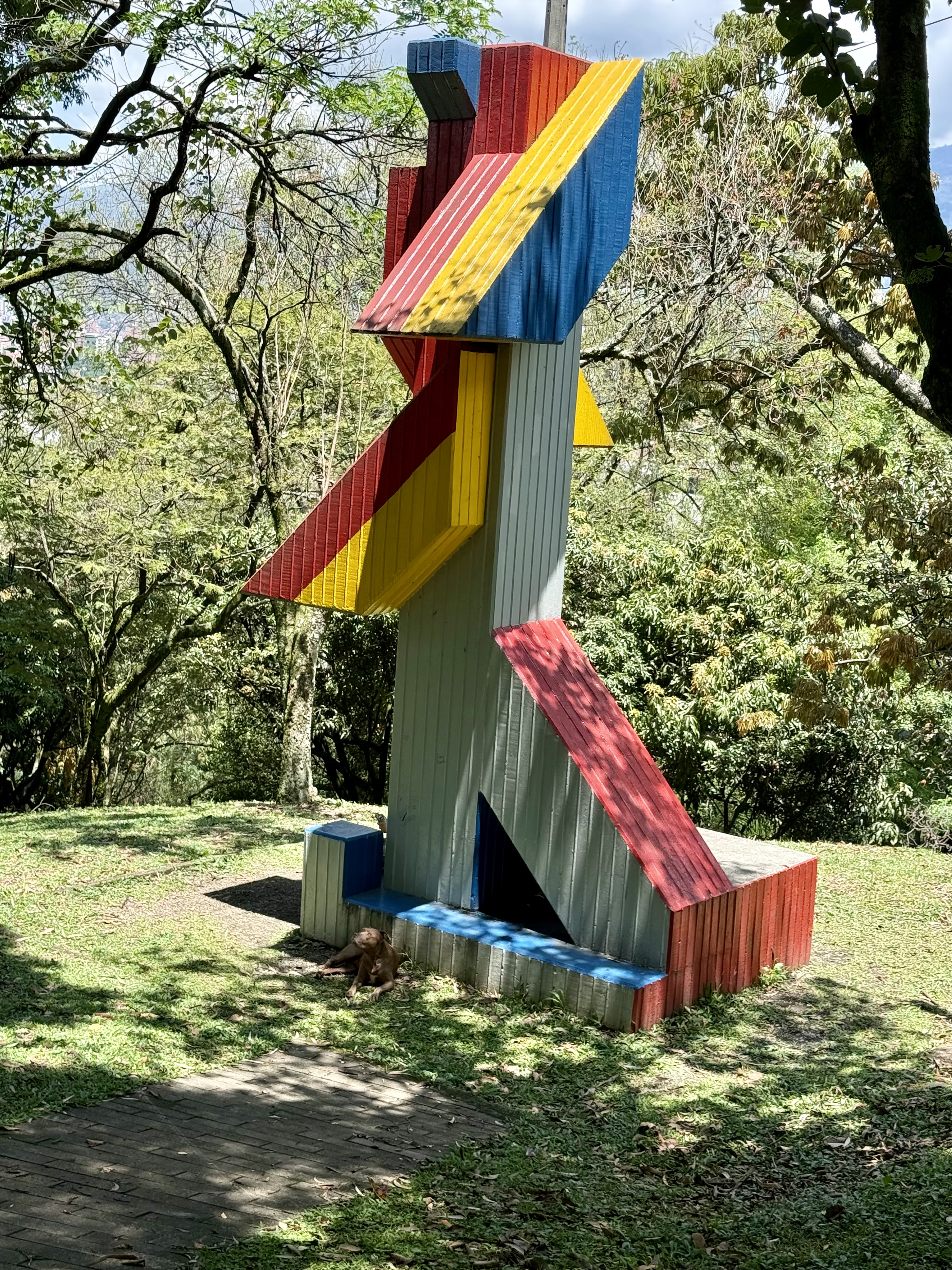
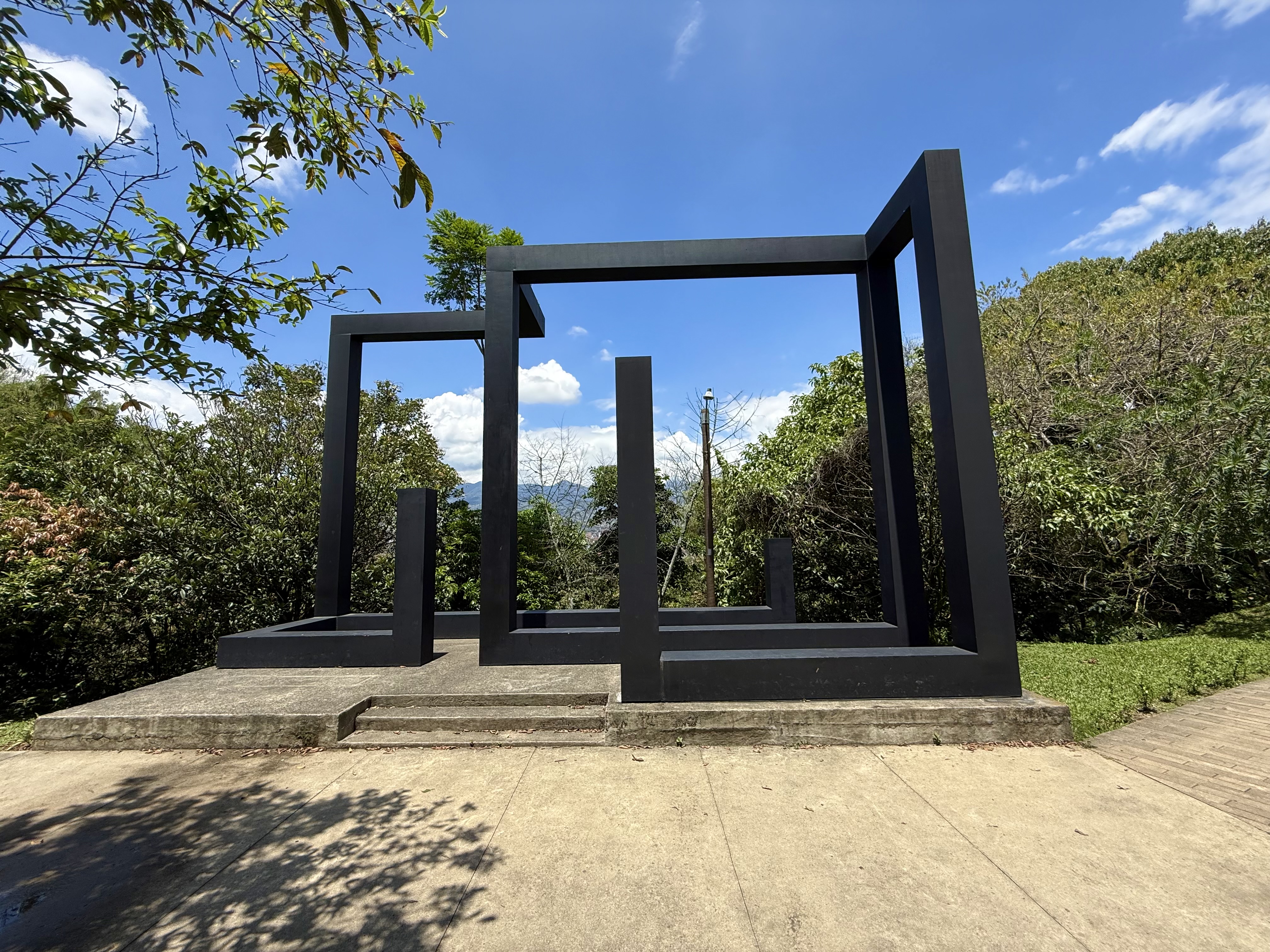
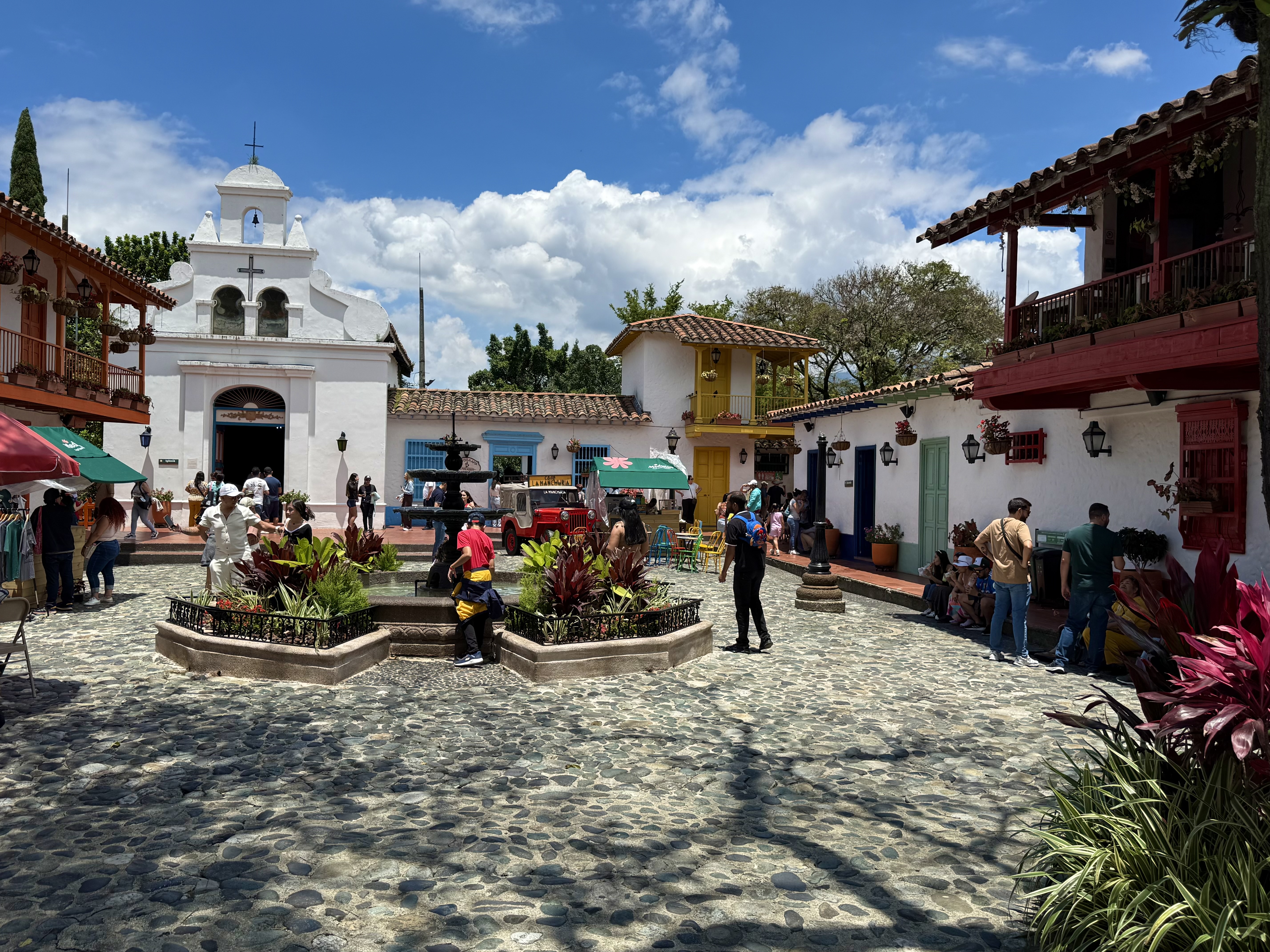
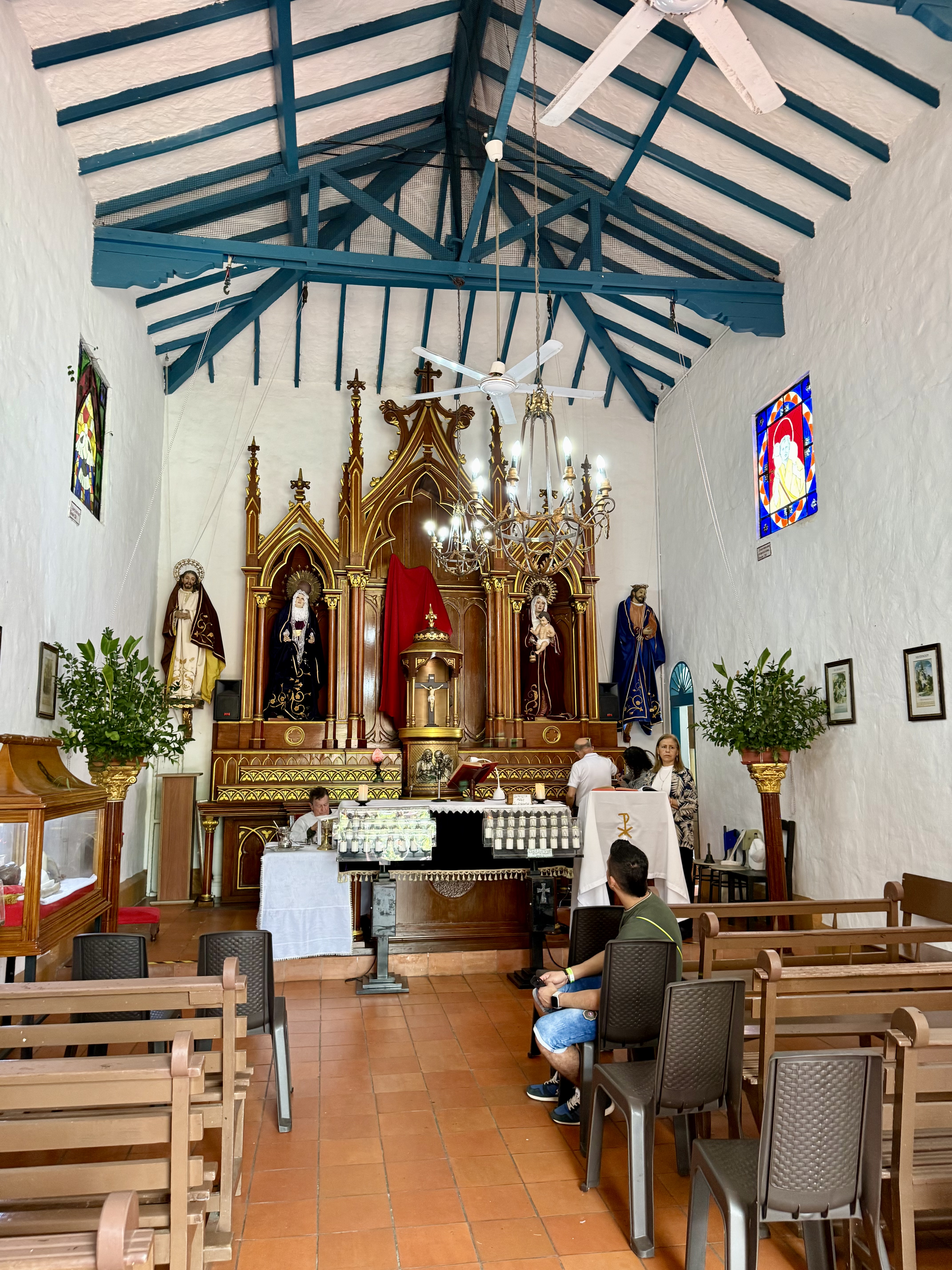
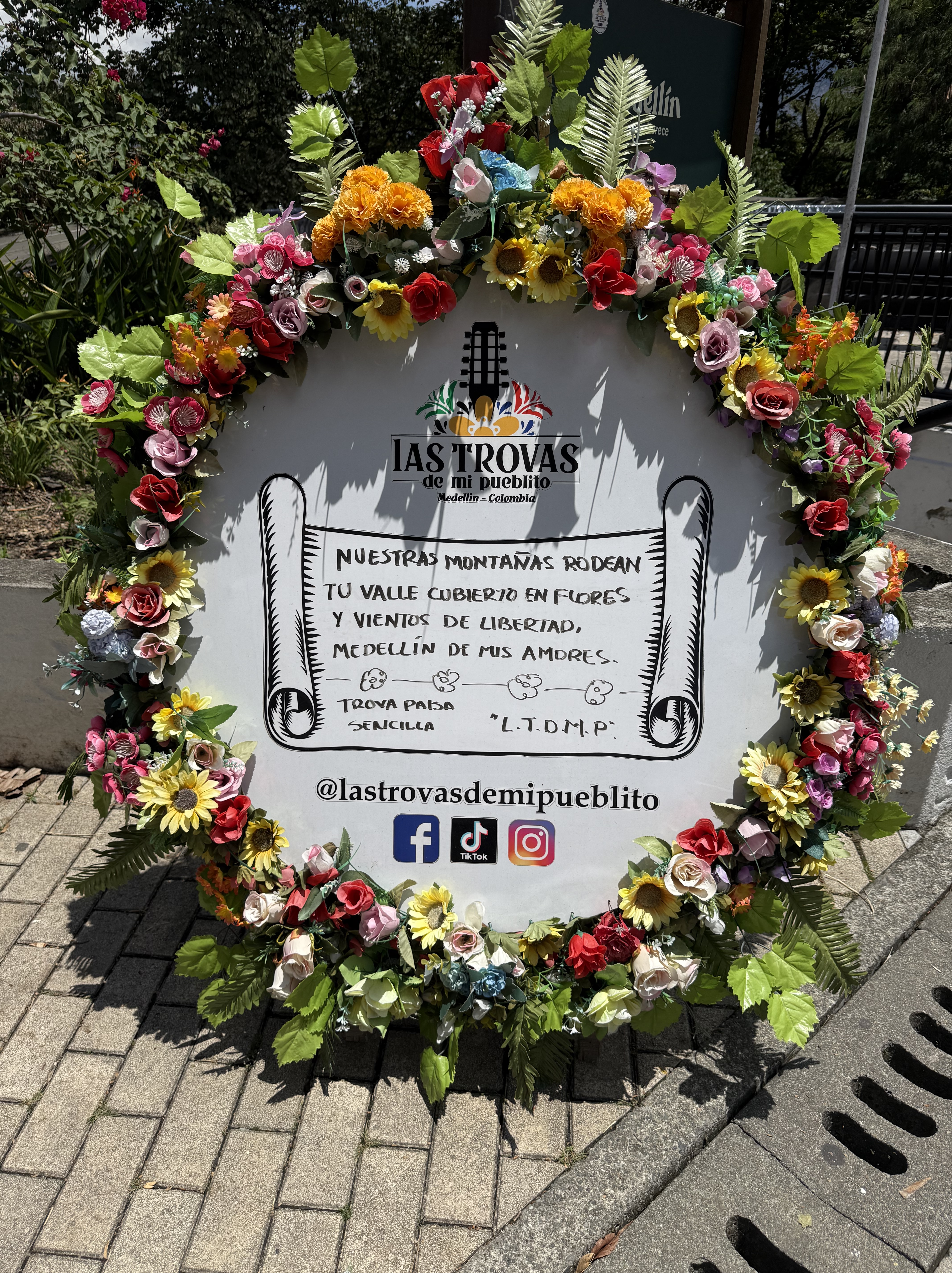
From Comune 13 we drove to Cerro Nutibara and the small hilltop village of Paisa in the center of Medellín. This is a hill oasis of greenery with a tourist village site at its apex. On the sides of the hill are walking paths with various designations, e.g., one dedicated to sculpture, another to wildlife and so on. As I didn’t have much time because the tour was coming to an end, I only did the sculpture path as I did want to walk around the little village as well. The sculptures were all modern conceptual art, some very interesting. Two that I especially liked were the multi-colored one by Otto Herbert Hajek and the iron structure by Carlos Rojas. There is a museum in the village that I, unfortunately, didn’t have time to visit it. This hill deserves at least a couple of hours to explore the various paths and the museum. There is a small chapel, and I was able to get a photo of it.
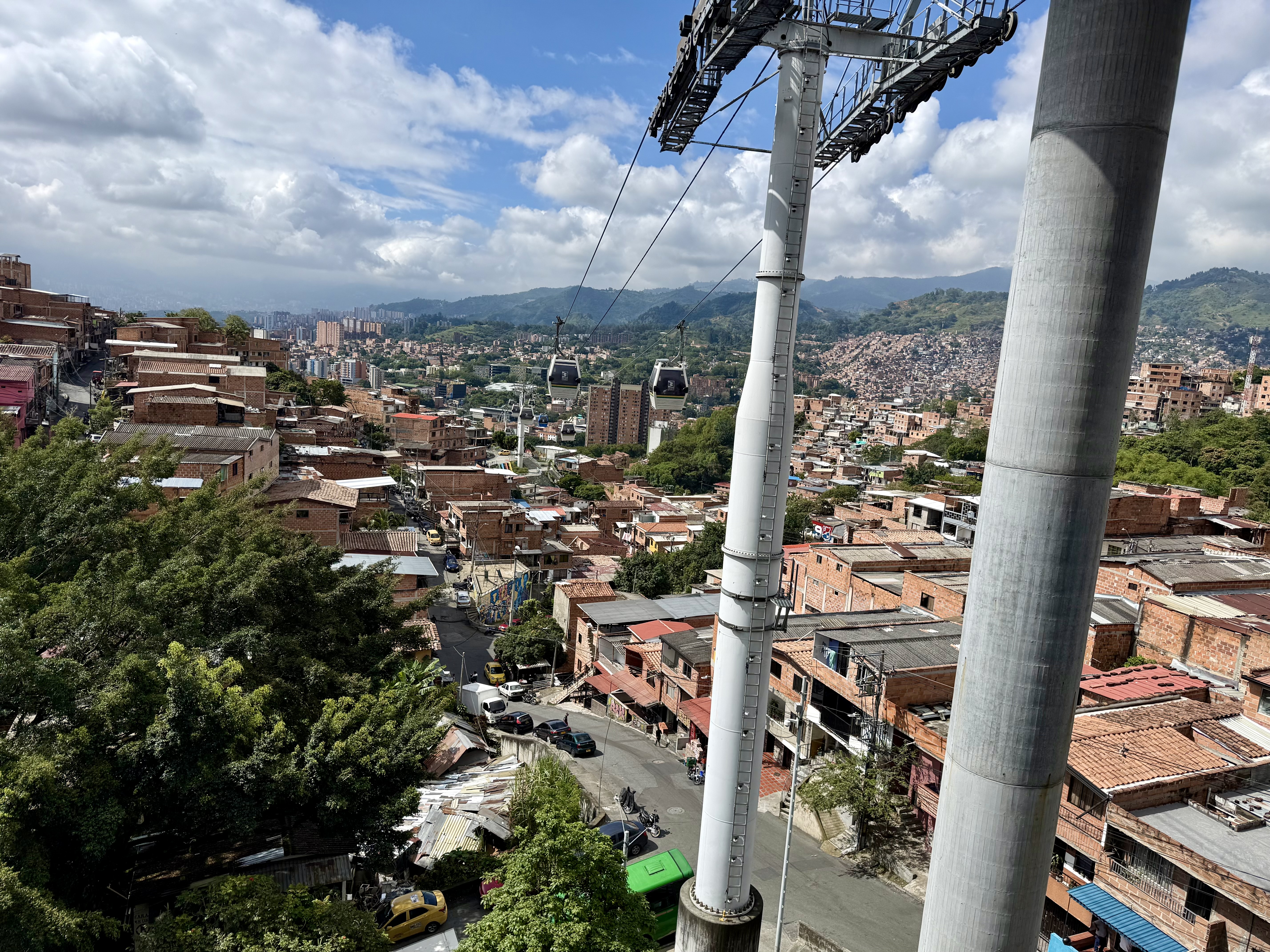
Medellín is worthy of all the hype. It is a vibrant, well laid out ,and beautiful city. One of the aspects that impressed me the most, besides the very walkable sidewalks, was the cable car system that seamlessly connects to the metro and bus lines. This is a model transportation system for overcrowded traffic-jammed cities. Paris just installed a cable car system, and I really wish Salzburg would do the same! Medellín can show the way.
 omegoodyssey