The chance to experience Kaieteur Falls in Guyana and Angel Falls in Venezuela were two of the main reasons for planning my trip to South America this year. Both are among the highest single drop falls in the world and are situated deep in the rainforest. The political situation in Venezuela made the chances of unproblematic travel to that country more complex since the beginning of 2026, so I cancelled those plans. I was very much looking forward to getting to Kaieteur as it is, as the crow flies, not far from Angel Falls and in the same kind of ecosystem on a tepui. I double-checked with the agency before leaving Costa Rica to make sure everything was ok and received confirmation that it was. It was only when I landed in Guyana on Saturday evening that I received a text saying that the tour on Sunday was cancelled due to the flight not being allowed to land on the airstrip. This was very disappointing news as, again, this was the reason for coming to Guyana. I asked the agency if they had any other tours going anywhere in the country on either Sunday or Monday but was told they didn’t. They gave me the contact information for two other companies, which I immediately contacted, but they too didn’t have any tours going anywhere in the country, nor did a third who I contacted after local staff suggested them. It was clear from the outset that my visit to Guyana was going to be very different from what I had hoped.
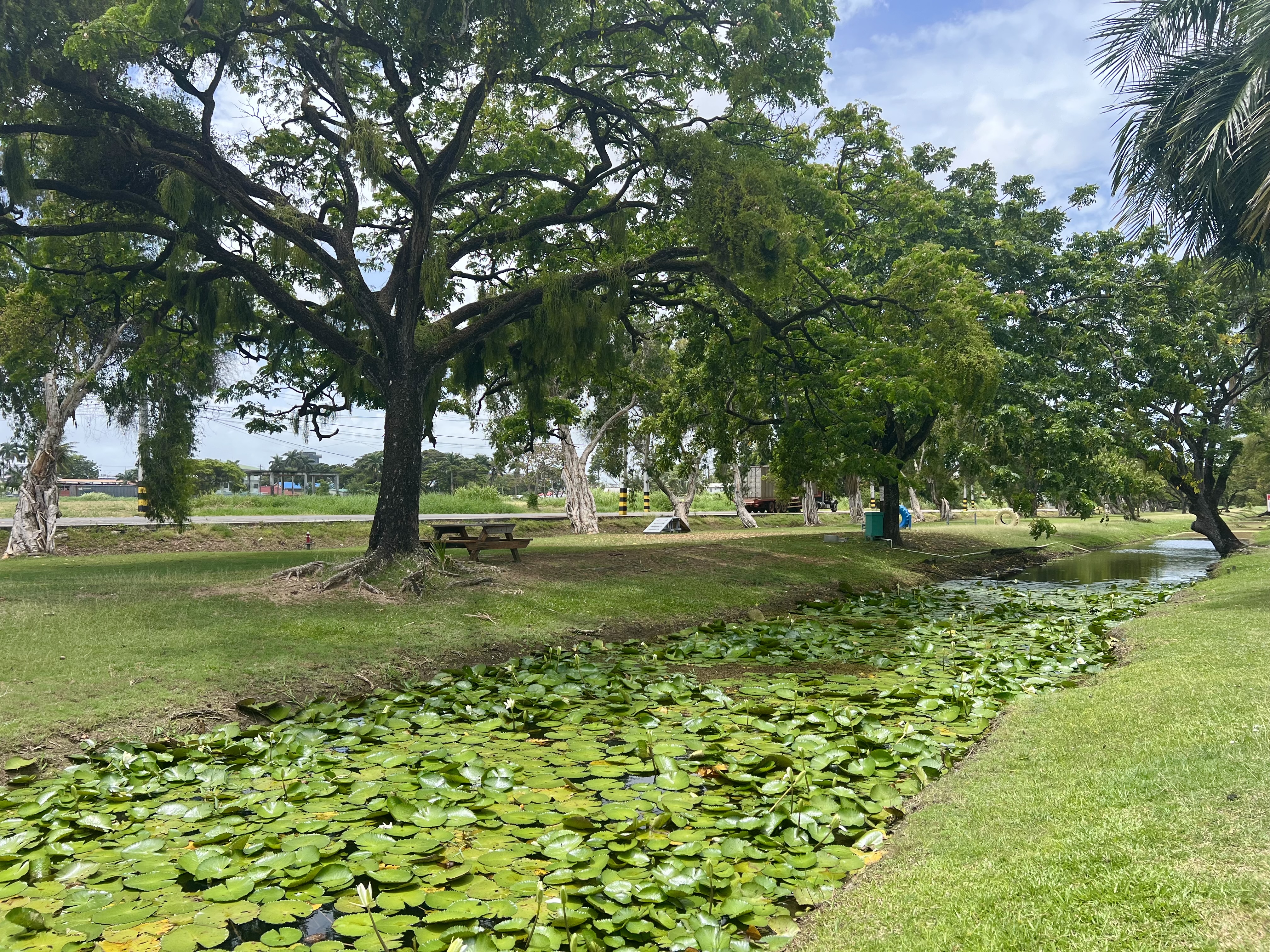
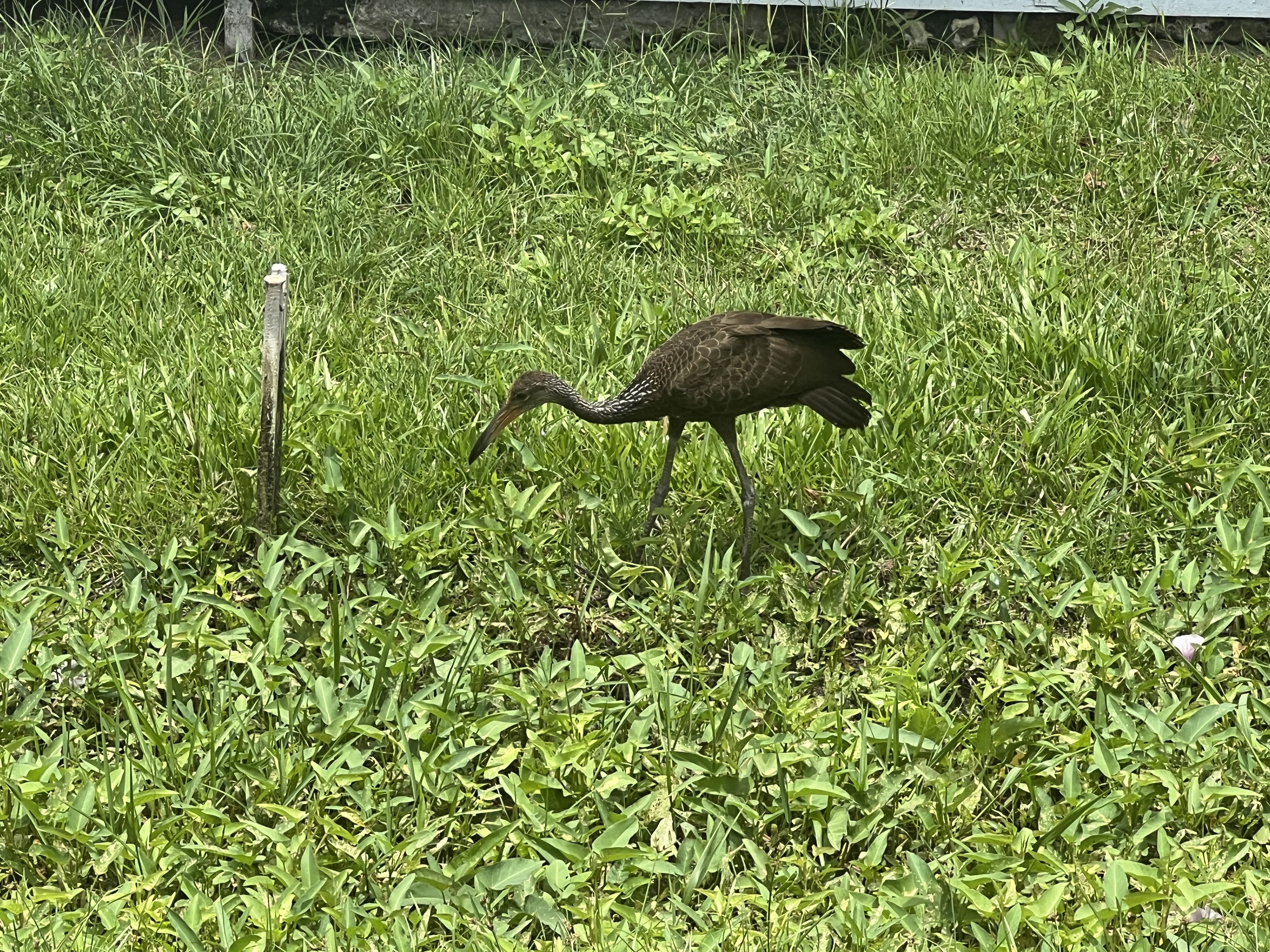
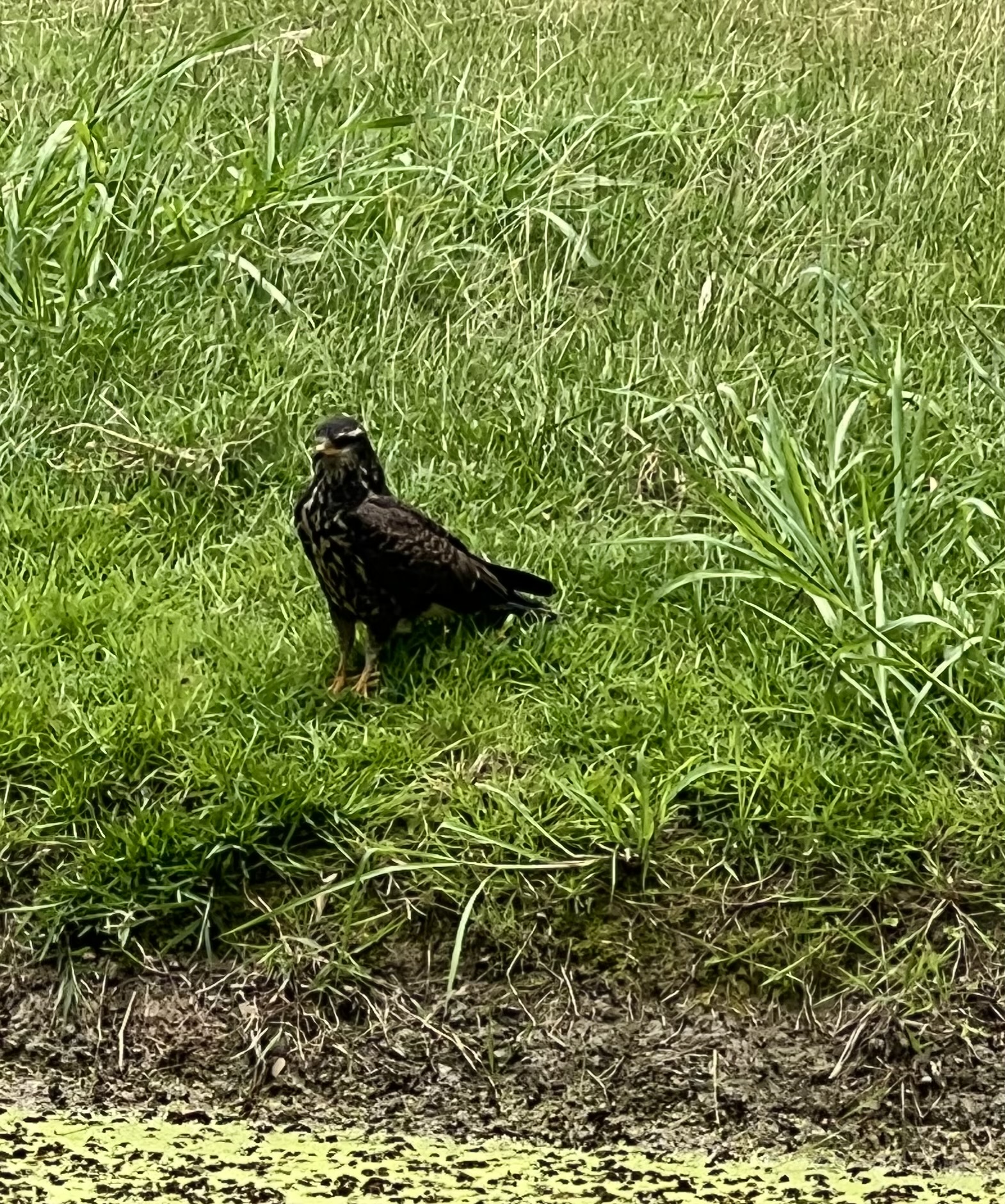
I had read about Georgetown, the capital, and knew that it wasn’t a city to spend much time in. Without any tours outside of the capital, however, I had to make the best of it. On Sunday, I walked from my guesthouse to Guyana National Park, which is a medium sized park with a dog area, a large baseball field, a small stadium, and a number of benches and picnic tables for people to sit and enjoy the greenery around them away from the concrete and asphalt jungle surrounding the park. I saw a few birds I didn’t recognize among the chattering avians in the trees and on the ground. It was more like a city park than a national park, but at least it had some green vegetation for the people who live in the area.
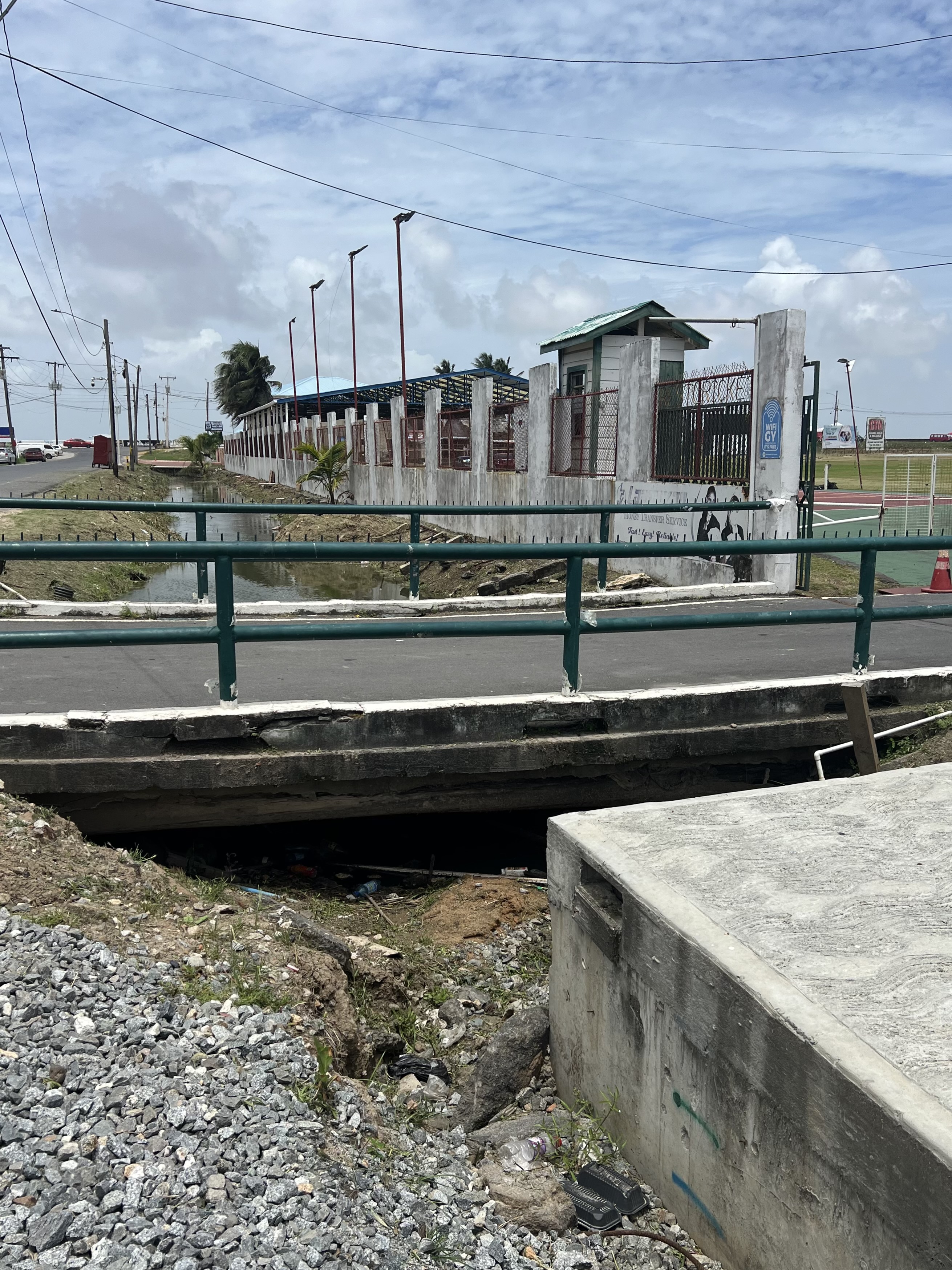
To get to the park I walked along the streets, a few had broken up sidewalks, but the sidewalks were few and far between. On the streets one has to walk very close to the edge to avoid car traffic while avoiding the mud and puddles on the side (& I was there in the dry season!). In places, the short stretches of sidewalk simply stop and if one wasn’t looking, one would end up in a filthy canal. There are rivets of water along the sides that are filled with trash. Trash is littered all over the grassy and sandy areas where the concrete ends.
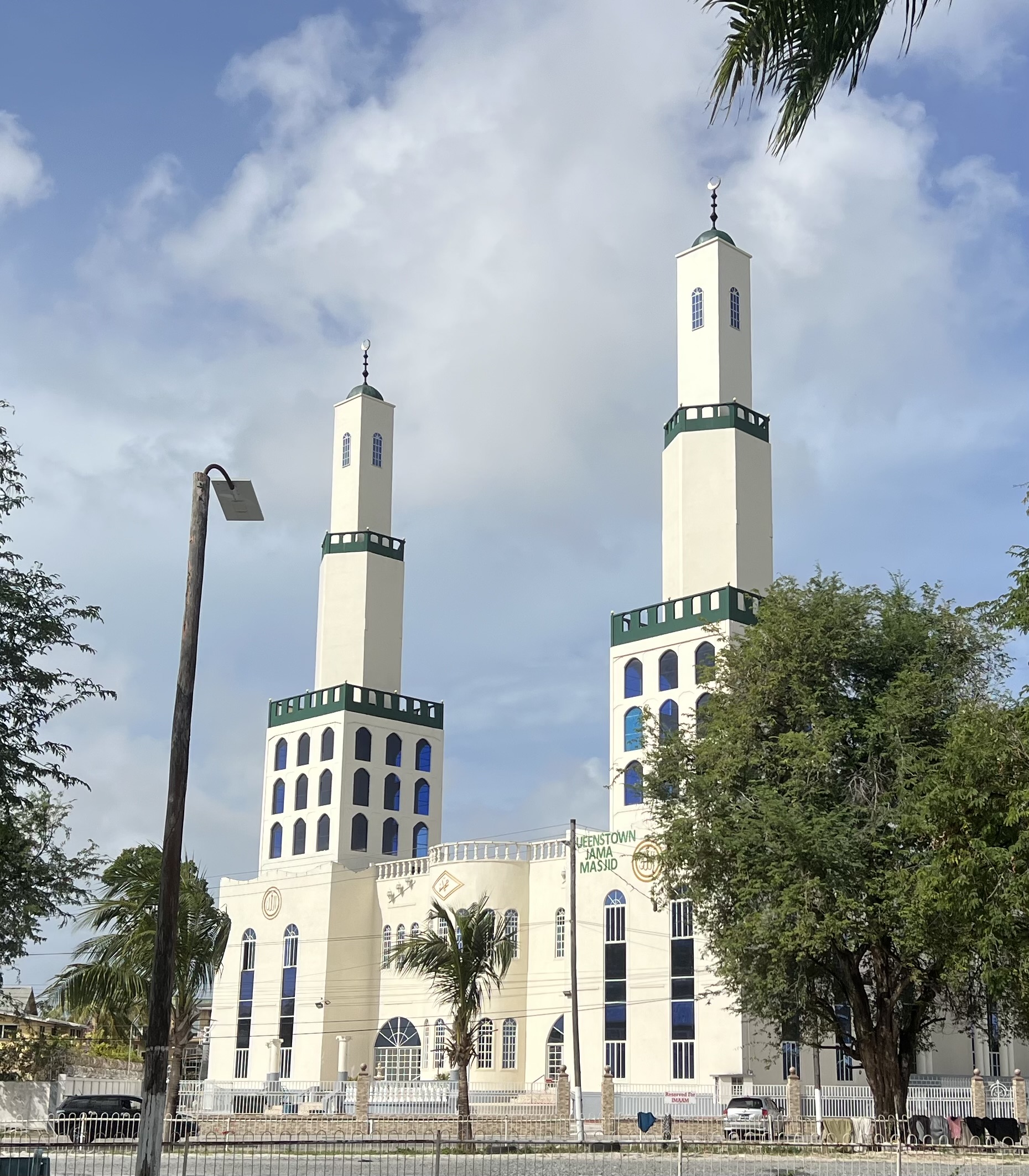
I looked for a café in the park or somewhere to get something to drink but didn’t see anything so I continued on my way to the seawall walk by the Atlantic Ocean. Even here I was disappointed. The ocean was a muddy brown much like the silted brown rivers and not anything like the clear Caribbean waters to the north or Atlantic waters to the south. There is a short new promenade by the old seawall, which was started in 1855 to keep the ocean from the city. On the promenade, behind the large Marriott Hotel there is the “Jesus Rock,” one of the highlights of the city, which has Christian sayings written on both sides of the boulder. There are churches, large new mosques and a few Hindu temples in the city catering to the different cultures brought by the British.
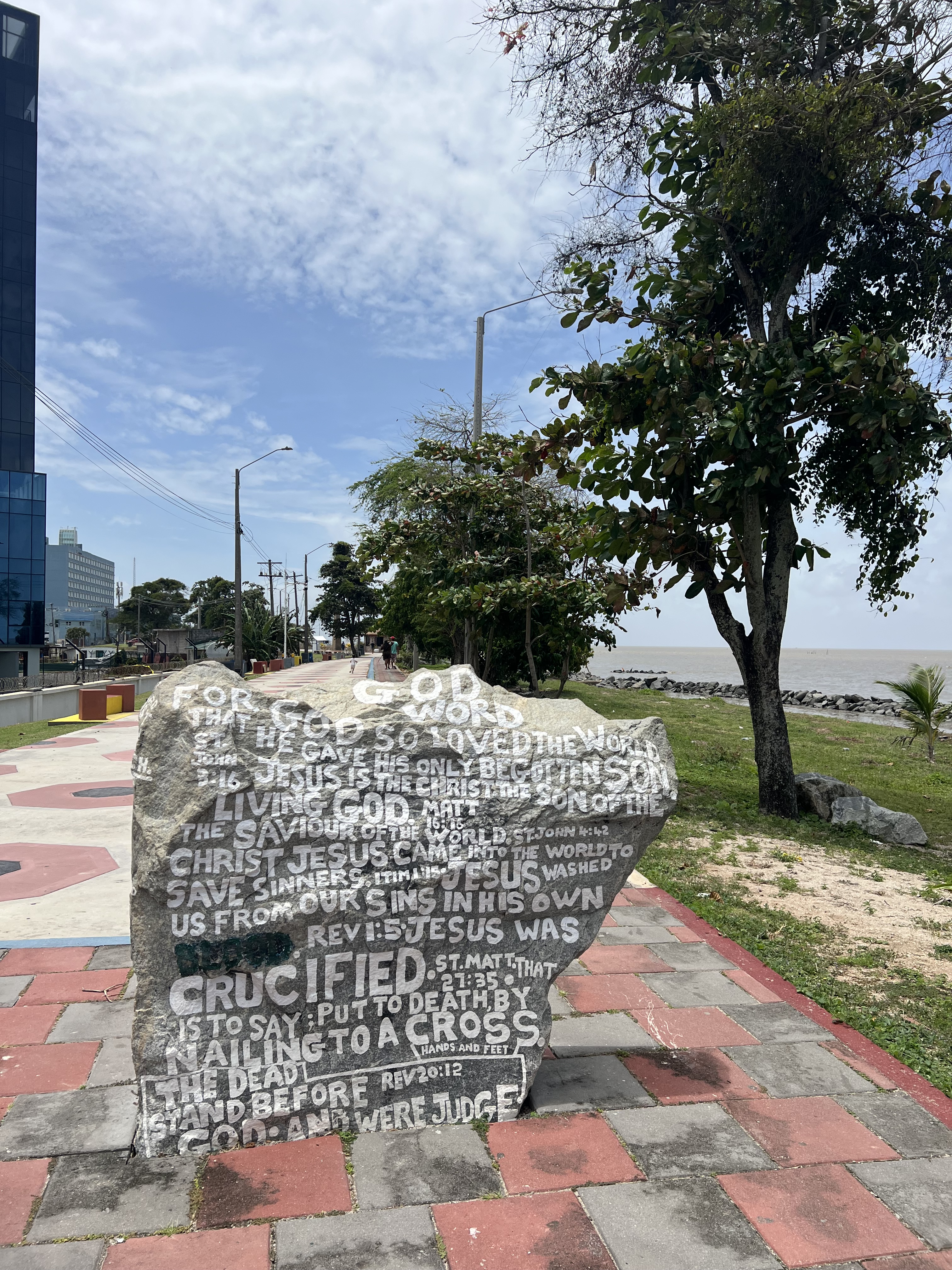
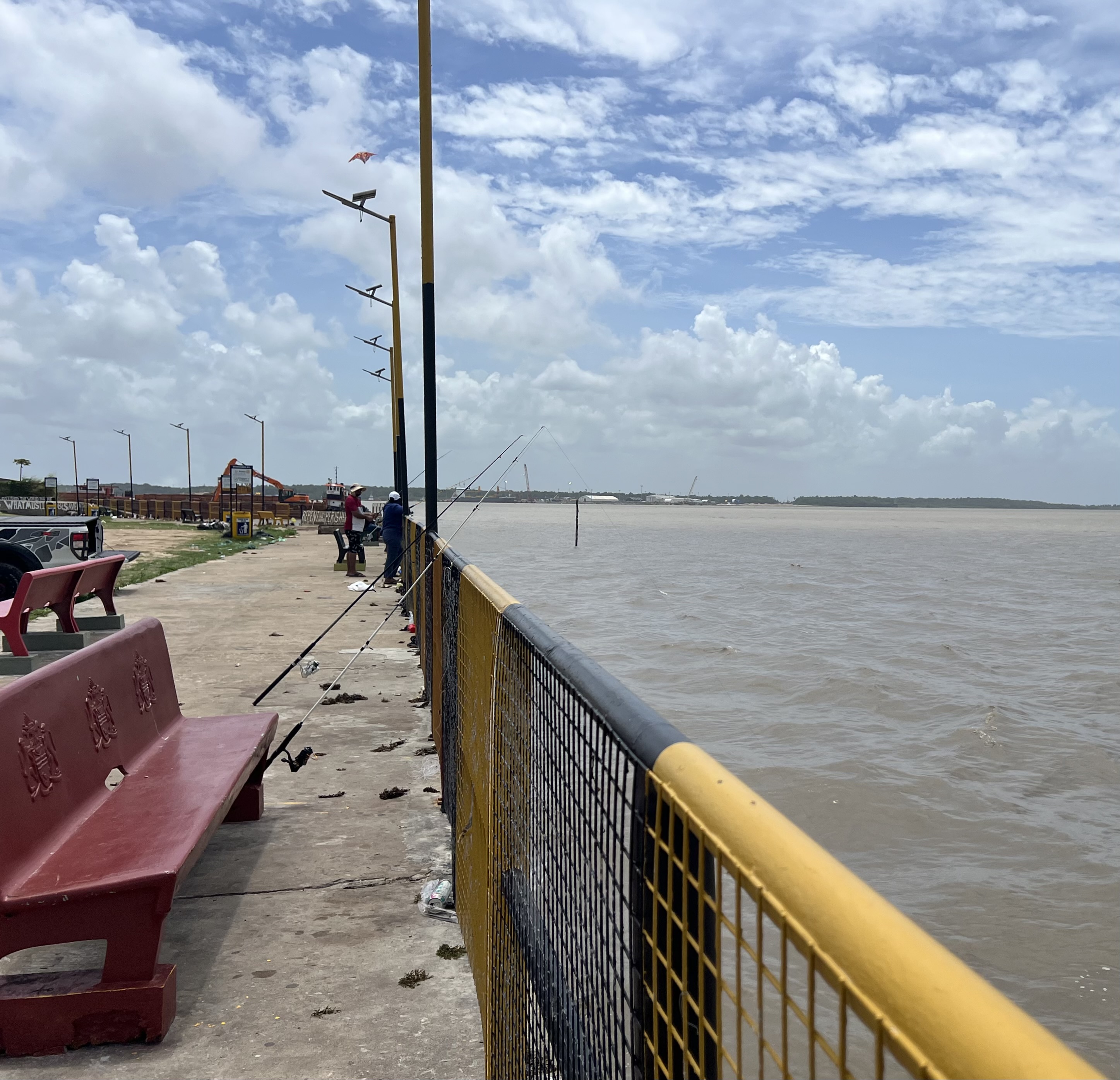
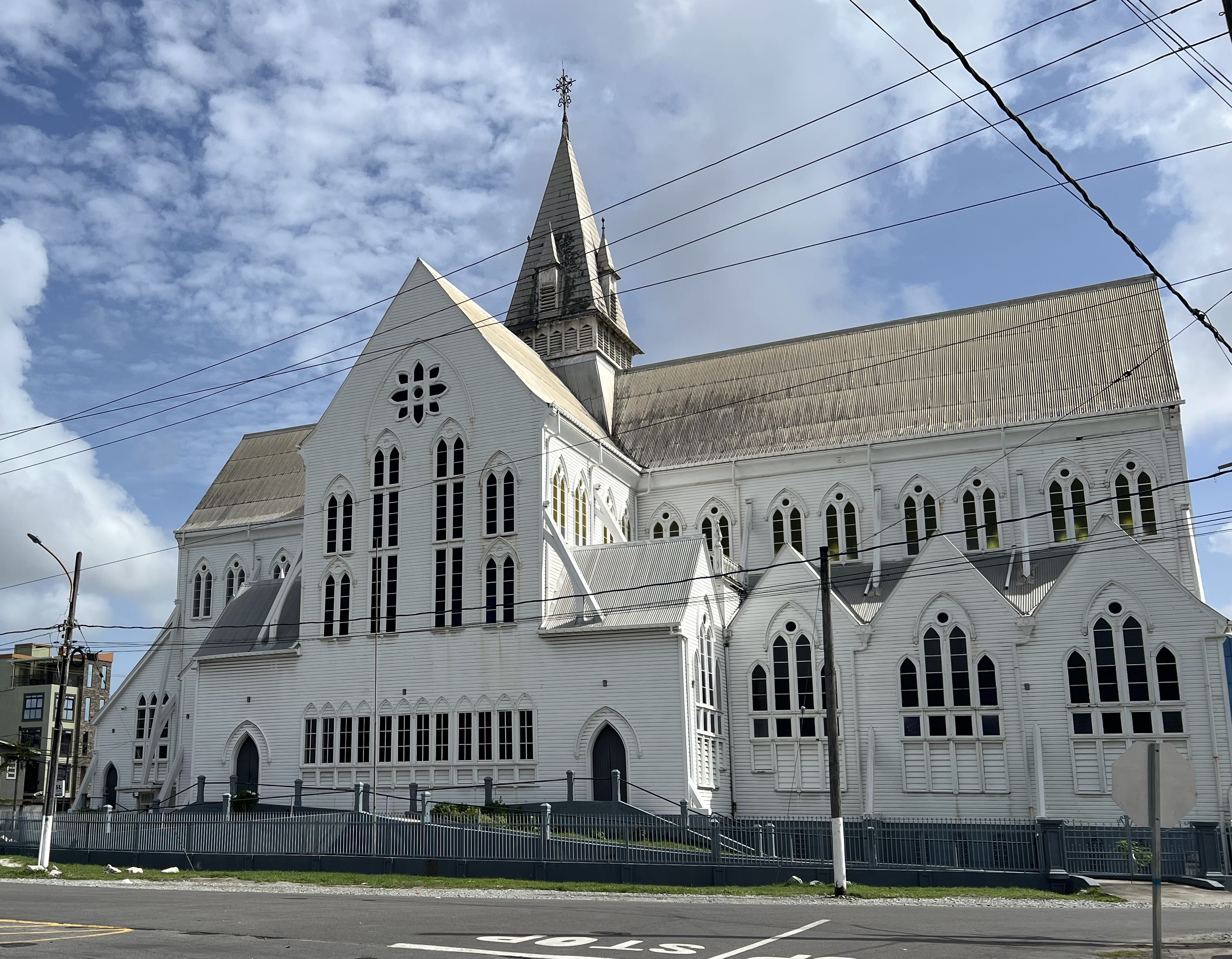
I had mistakenly thought that one could walk around the point by the ocean on Water St., but that turned out not to be the case. Water St. is about 50 m from the shore and there is no way to walk by the water. Apparently, the city floods during the rains and the seawall is not sufficiently effective in keeping the ocean at bay. I then headed to the next highlight of the city, St. George’s Cathedral. It is an historic building from the 1800s, but is only open for church services, so I couldn’t go in.
At this point, it was time to head back toward the guesthouse, detouring to the Botanical Gardens on the way. This is more interesting than the National Park as there are signs posted about some of the vegetation, but again, it is more like a city park than a true Botanical Garden. The zoo, which I did not visit is adjacent to the Botanical Gardens.
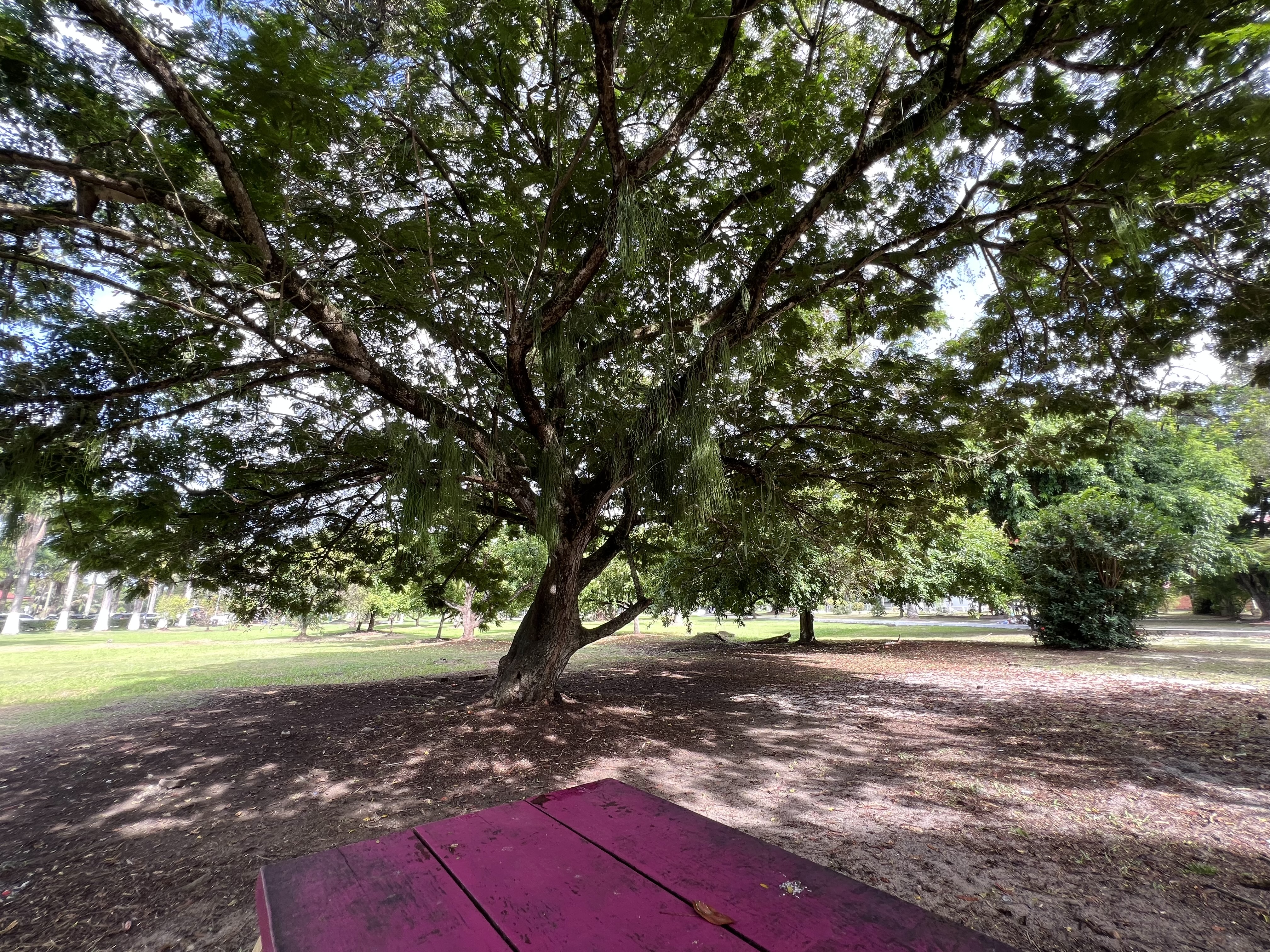
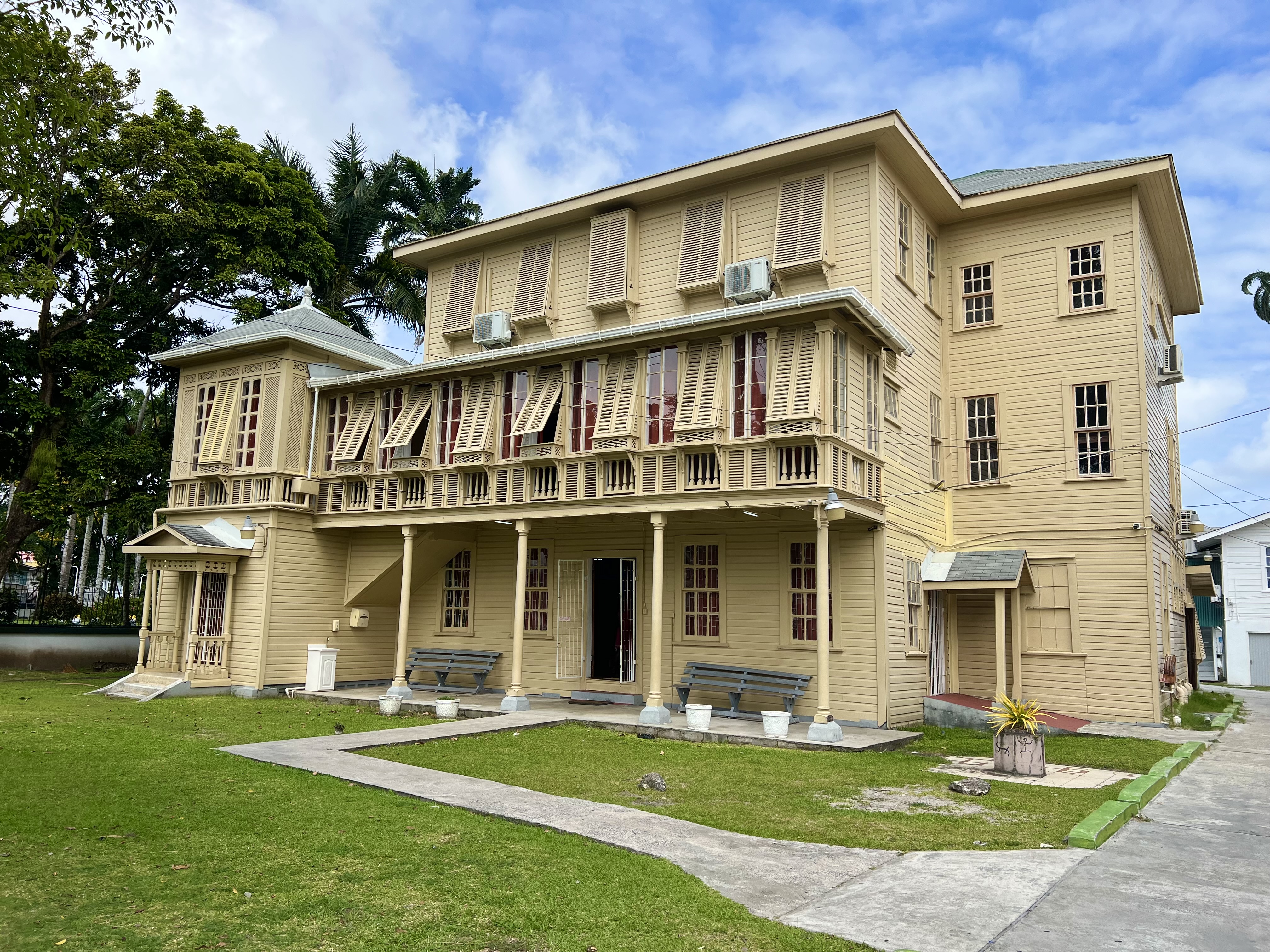
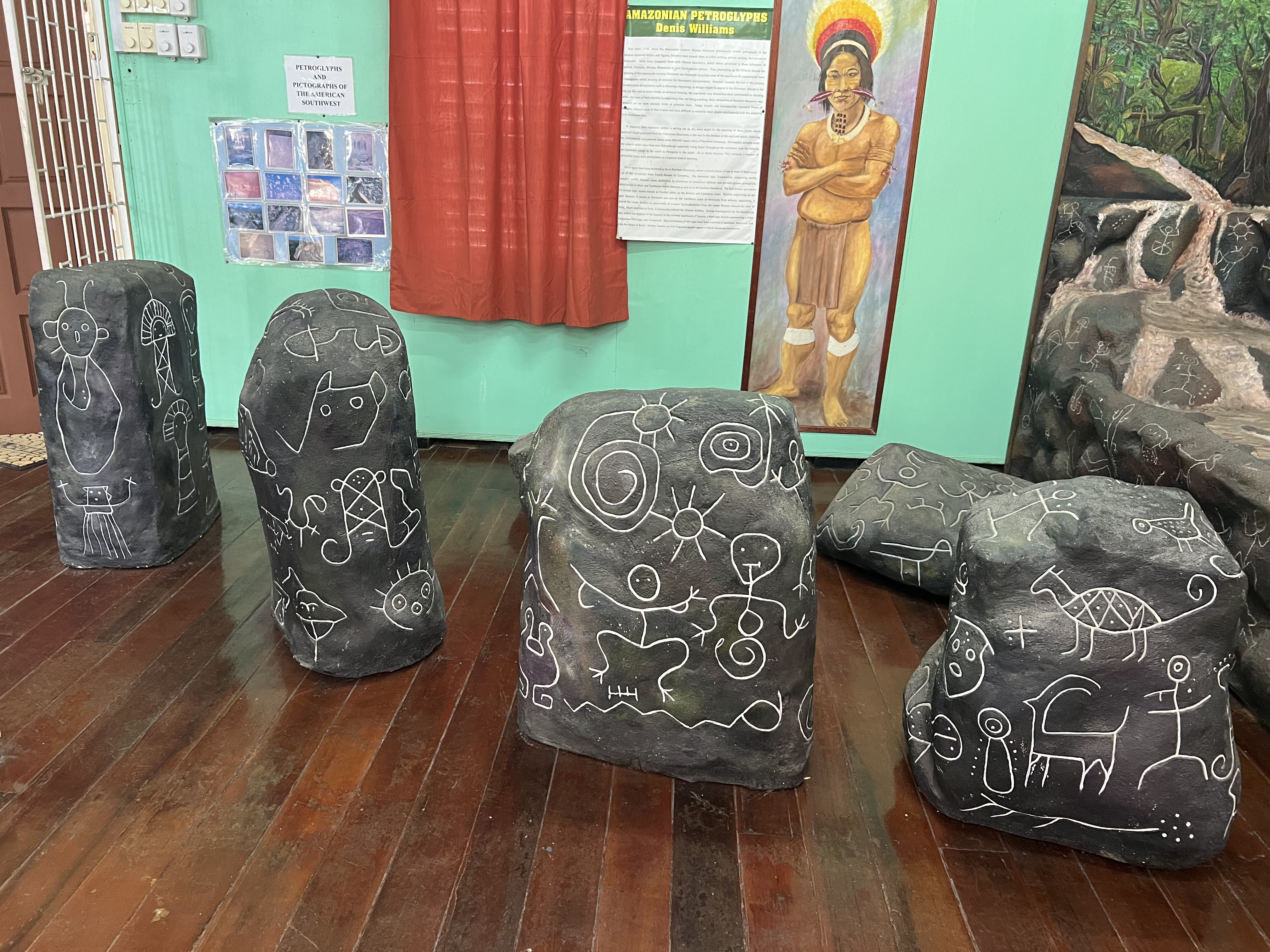
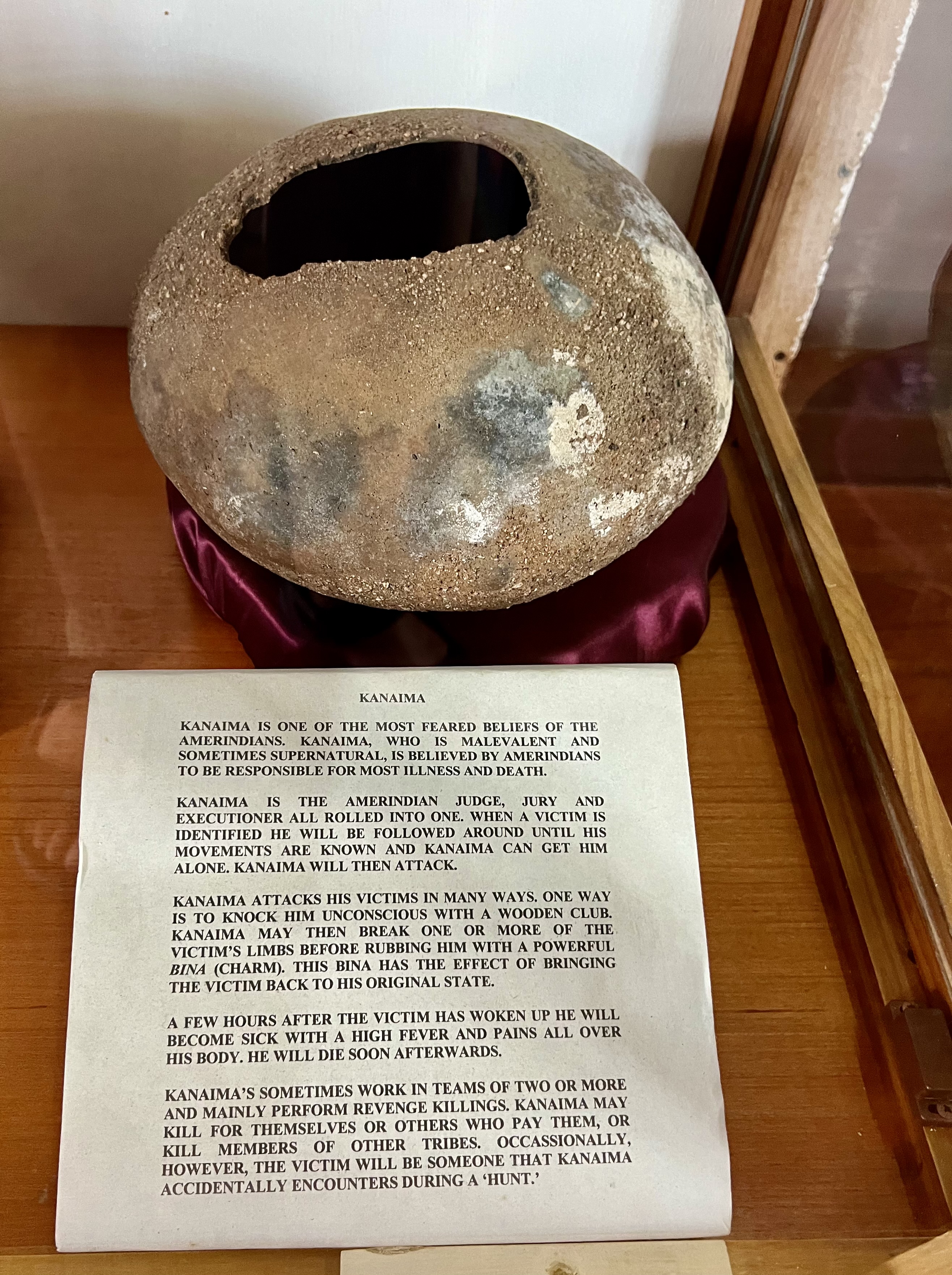
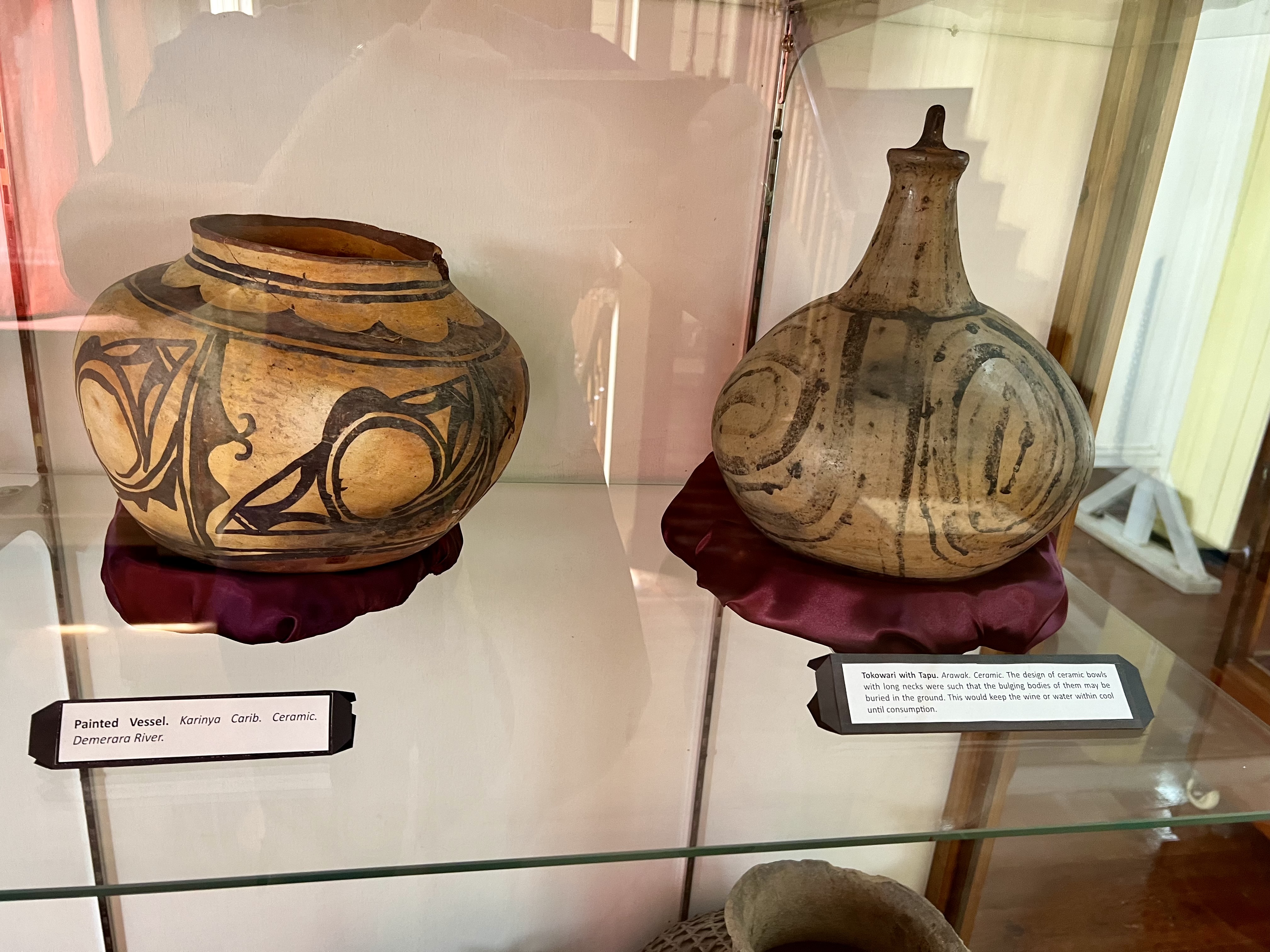
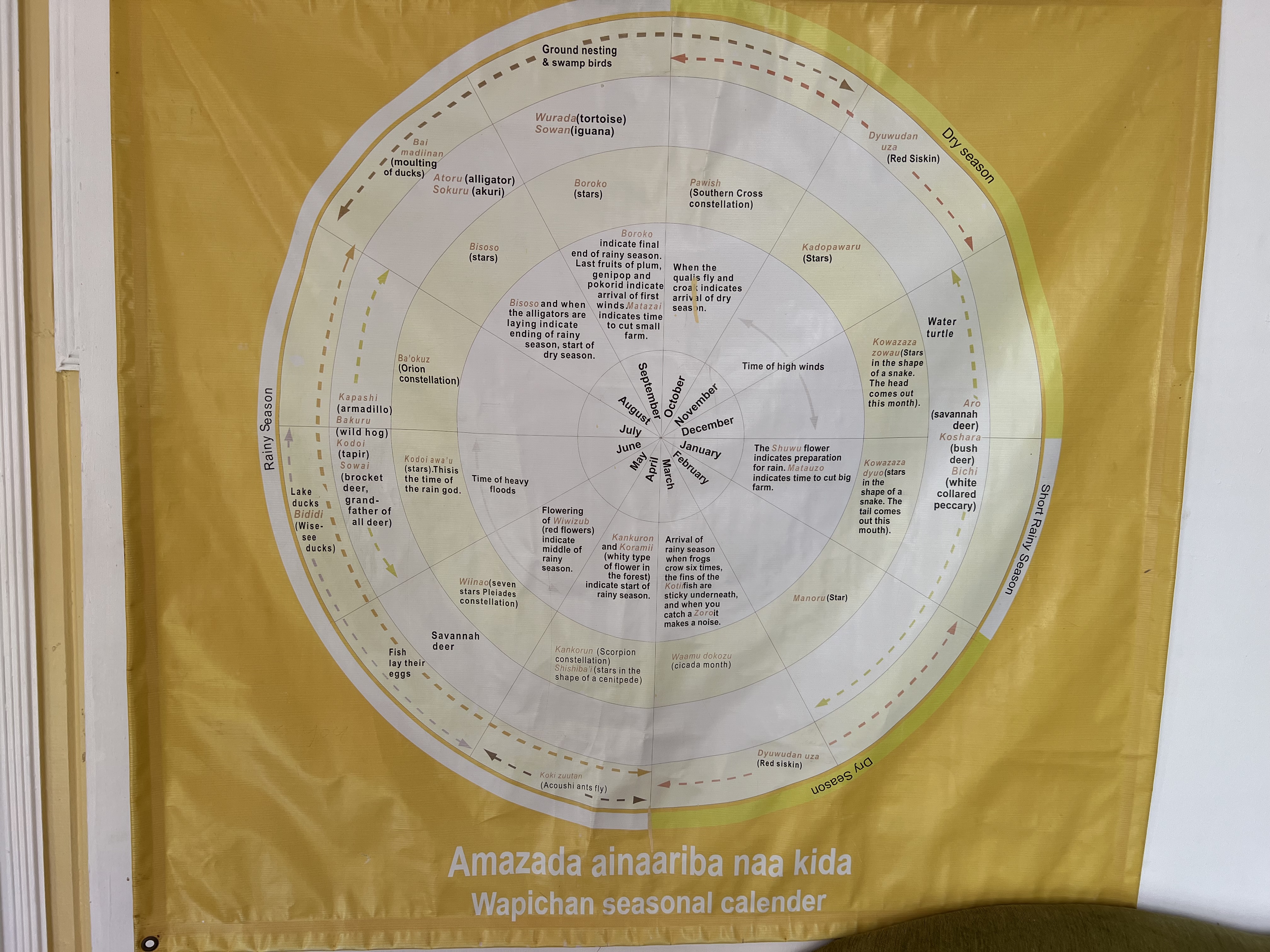
As museums were closed on Sunday, I decided to visit two of them on Monday. The first was the Walter Roth Museum of Anthropology. It is in a vintage two-story house with indigenous exhibits of petroglyphs, wooden vessels, shell mounds, ceramics, head-dresses and jewelry on the first floor and weaving on the second. The poster explanations were interesting and made me doubly sorry not to be able to get into the Guyanese rainforest.
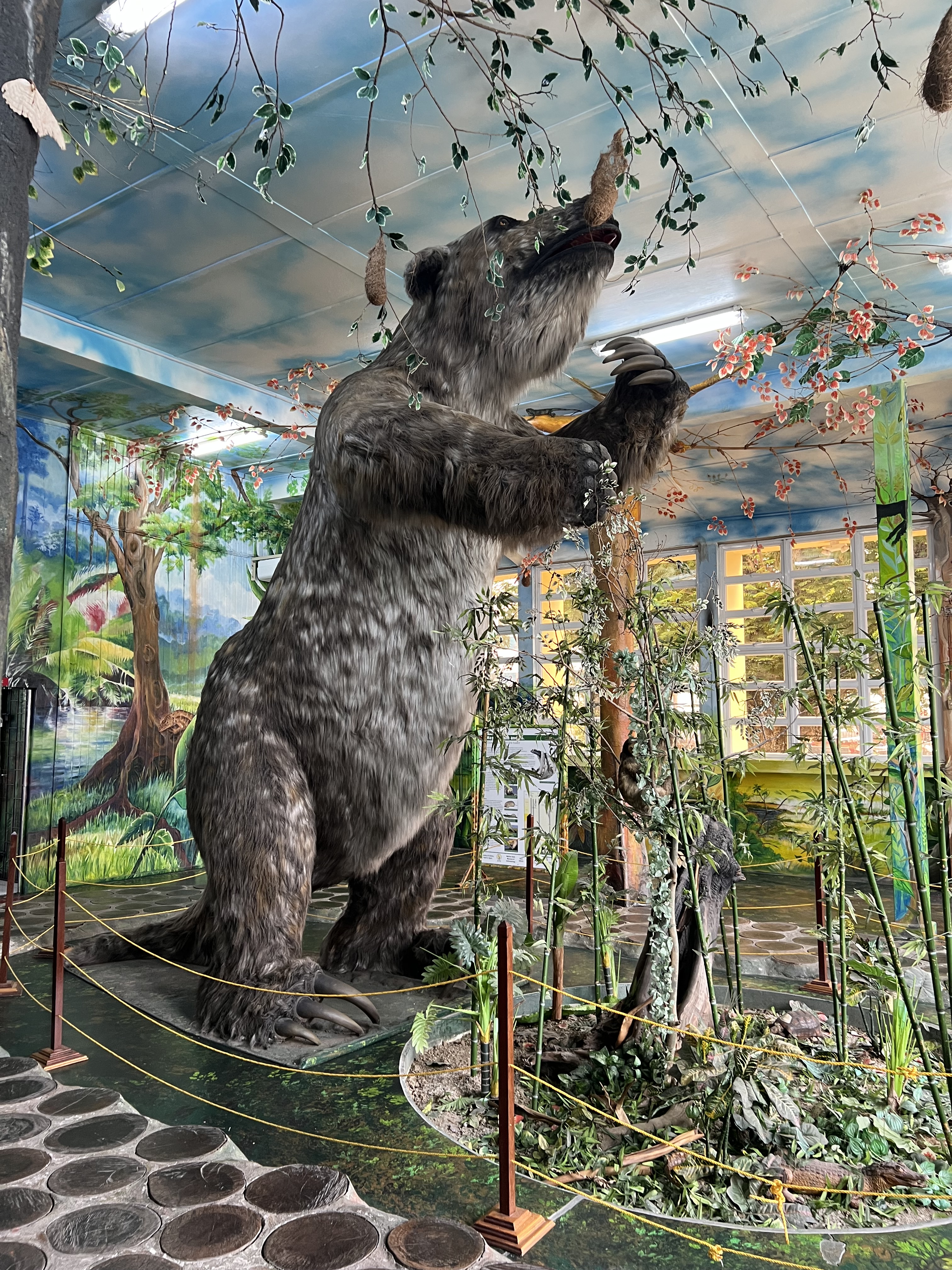
From there I headed to the Guyana National Museum, which is down the street from St. George’s. The second floor, which is the first on the path through the museum is devoted to natural history and has taxidermied animals from the region. From there one heads down the stairs to a large replica of a Giant Sloth. I was amazed to read that they only went extinct around 9,000 BCE and were contemporaneous with humans in the area. That would have been a sight to see! Behind the Sloth exhibit is a room dedicated to the European explorations of the region, and in the remaining main hall, more modern 20th C. artifacts. I did learn that Guyana received its independence from Britain in 1966, but the government wasn’t formed until 1970. The national animal is the jaguar, and the five colors of the flag are: red for zeal, black for endurance, gold for mineral wealth, white for the many rivers and water, and green for forests and agriculture. It is a curious mix, one meant to create hope and inspire.
The country is wealthy in natural resources; it has gold and oil and water, yet the people do not seem to be profiting from these resources. The majority of the houses in Georgetown are fairly ramshackle with an occasional new construction in their midst, such as the new mosque. Some houses outside of the downtown area have been remodeled, but again, they are in the minority. The streets are a mess, as mentioned trash is everywhere, including on the sides of the not as yet complete new highway to and from the airport, which is between an hour and two hours from the city depending on traffic. Electric cables lie unattended on the ground throughout the city. And, unfortunately, I found the people to be sullen and not at all welcoming. In fact, I repeatedly had cars honk at me, stick a hand out the window, and give me the finger. Probably because I was the only white woman around. While English is the official language, I found that most people speak a form of Creole mixed with a few English words, making the accent somewhat difficult to get accustomed to.
My trip would have been dramatically different if I had gone directly to the rainforest. I did check into staying at the Iwokrama Lodge, but the trip in the bus or jeep would have taken 8-10 hours each way as the plane they advertise does not really fly there. It was just unfortunate that the Kaieteur Falls trip was cancelled. My suggestion for anyone planning on traveling to Guyana is to do so with an organized group tour. This really isn’t the place for solo travel unless one wants to just stay in the city, and Georgetown is not a destination site.
 omegoodyssey