Mozambique & Eswatini Impressions August 2025
I wanted to travel to Mozambique and Eswatini as they were near South Africa, which is where I was planning on spending five weeks driving around the country. I knew almost nothing of the former two countries before visiting, so I had no expectations of what I would find. This proved to be good as this way I was surprised and not disappointed.
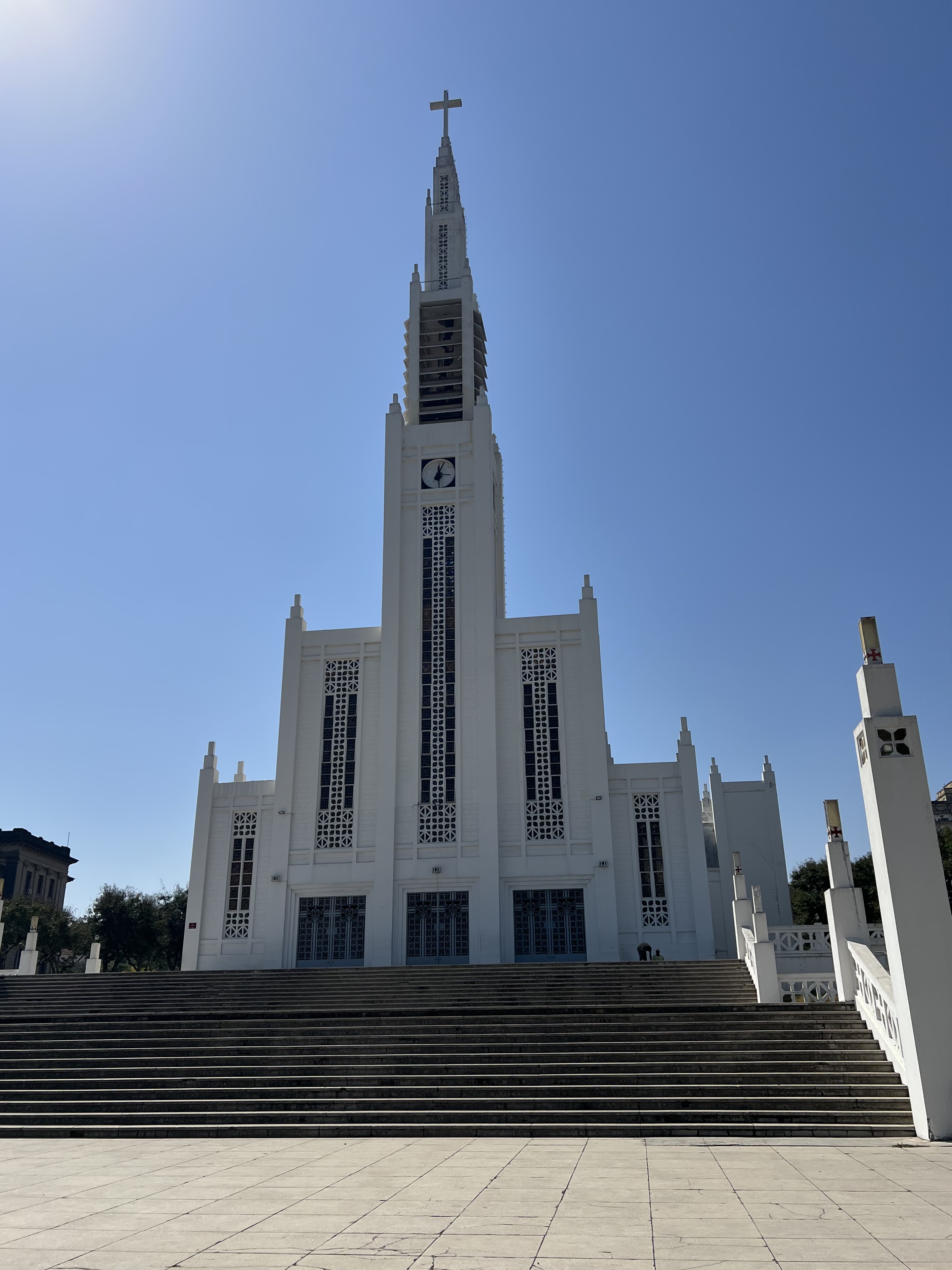
Maputo Cathedral
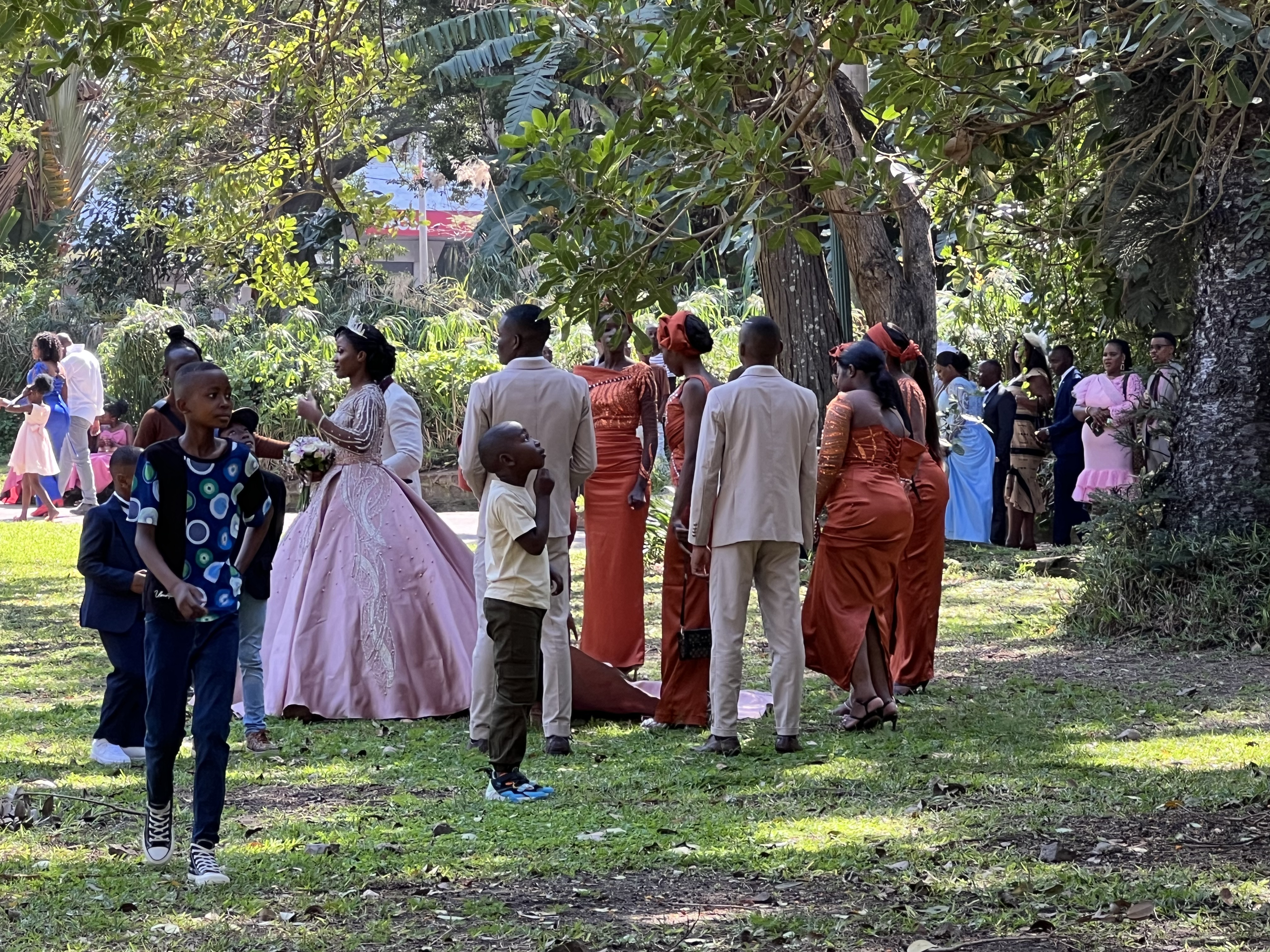
I landed in Aeroporto Internacionál Maputo, and the first surprise was how small it was. There are only a few airlines that fly into Maputo, and they have relatively few flights. This was an immediate indication that Mozambique is not yet high on the tourist route. I was easily able to locate an overpriced taxi outside the exit, and he took me directly to the B&B I had booked in town. After checking in, I walked to the center of town by the port and fort. On my way, I passed by the main Cathedral, which was closed, and I could only get a photo from the exterior, and the Botanical Gardens. The gardens were a delight, offering shade in the middle of the hot and humid city concrete. I was there on a Friday and wedding parties were in abundance throughout the park. At the main entrance there was a song and dance blessing going on with the men on one side all dressed in the same tan suit jackets and white shirts and the women in groups on the other side of the bridal pair dressed in evening gowns of different colors. I later learned that the groups were determined by the relationship to the bridal couple; all the bride’s female siblings of wore the same color, the groom’s another, the mothers, aunts and cousins followed the same pattern each with their individual color, which made for a very festive picture. The male singers/dancers may have been related to the couple, or they may have been hired, but in any case, the ones I saw and heard were very good and the women had a hard time keeping up with them. After the police finally told them to stop blocking the entrance, the entire wedding party went around the park for photo shoots in various locations, still accompanied with vocal music. It was a wonderful to observe. (And the bride gave me permission to use the photos and videos.)
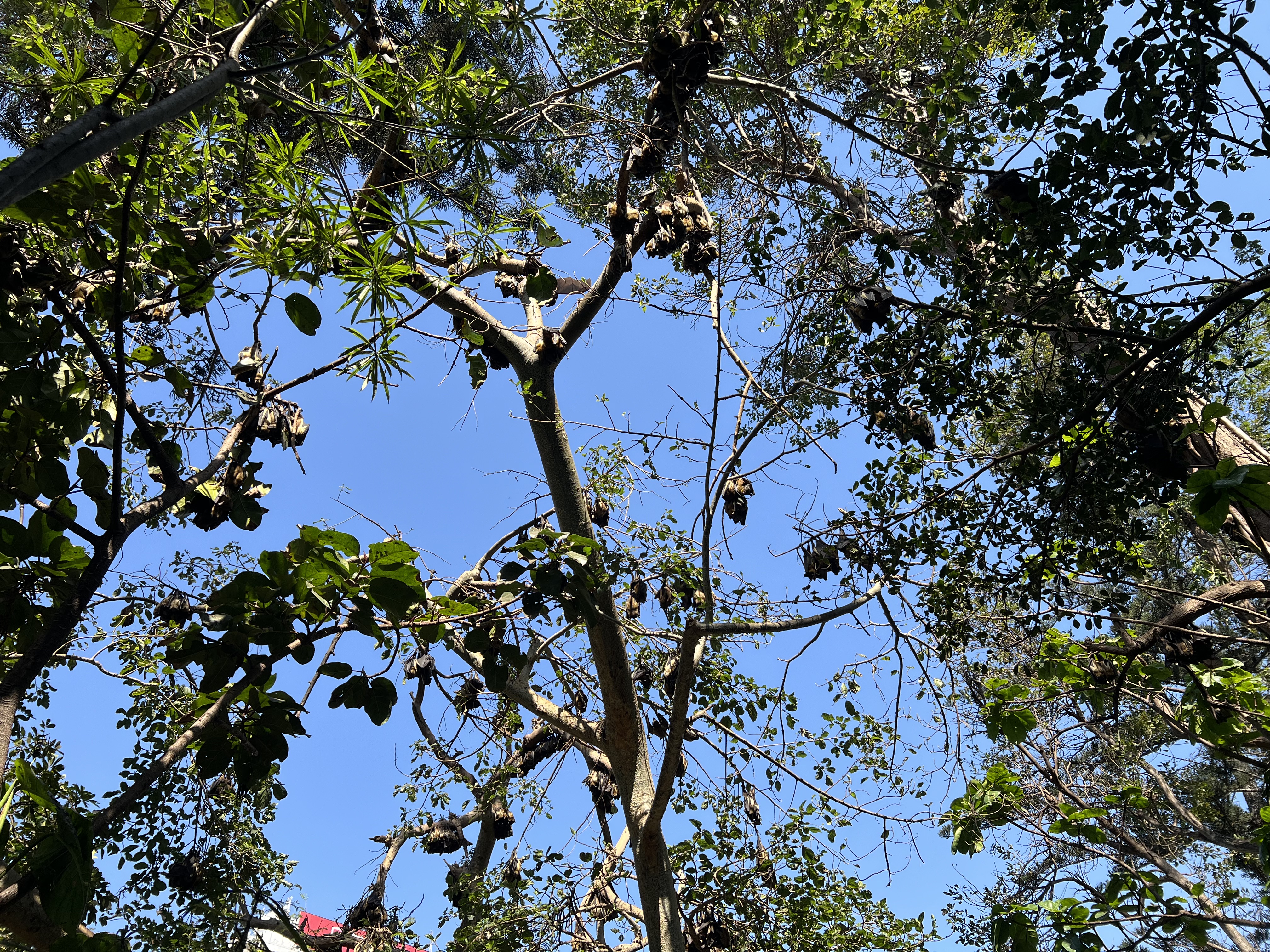
The trees in the Botanical Gardens provide a habitat not only for the diverse bird life of the area, but also to hundreds of fruit bats. I unknowingly walked down one path that was filled animal chatter, and when I looked up the trees in the entire section were filled with bats.
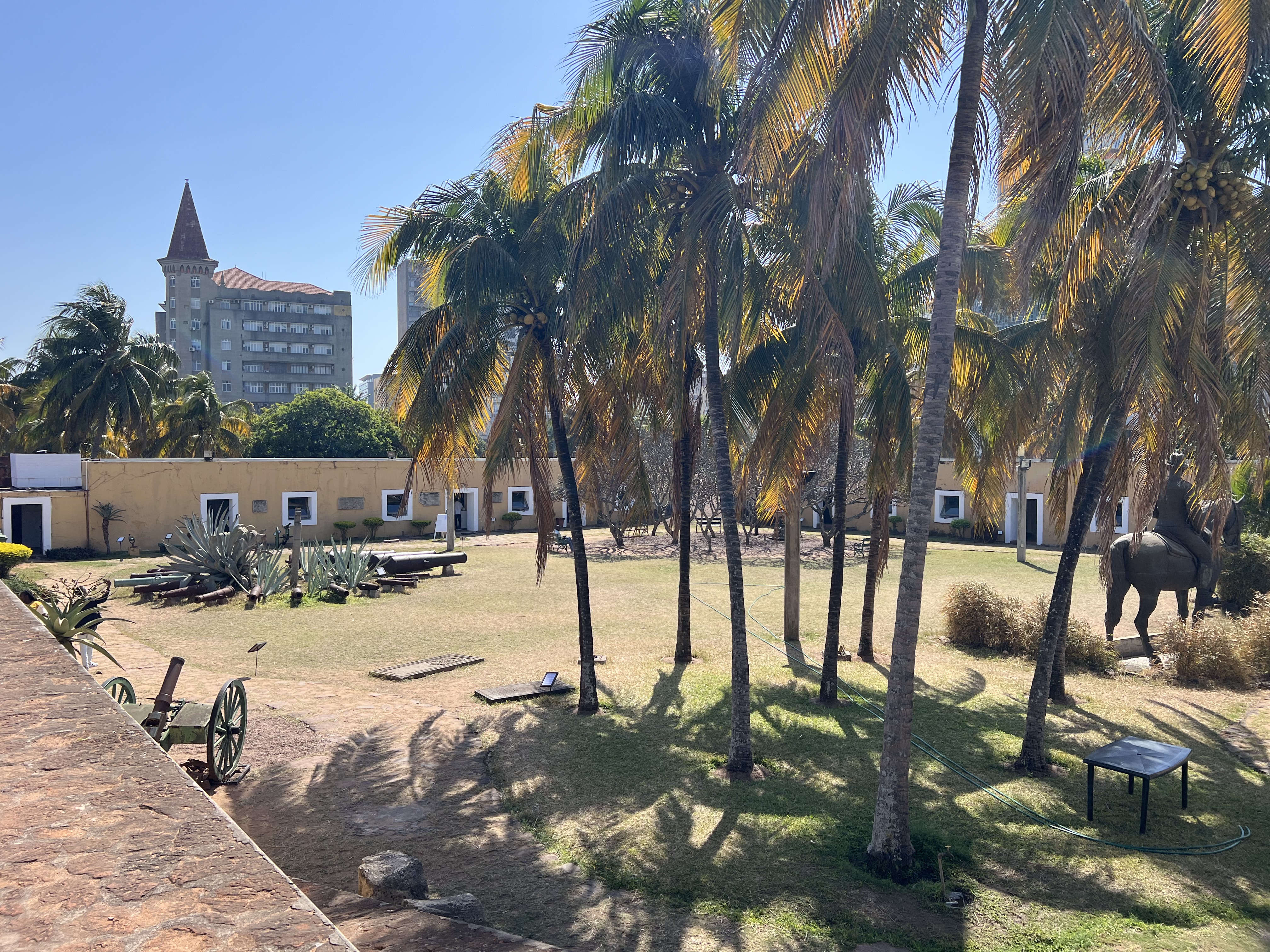
From the Gardens I walked down to the Fort, which was touted as one of the tourist highlights of Maputo. It is an old Portuguese fort that is no longer directly on the water as the port and a main street have been built up in front of it. The fort takes no longer than 10 minutes to walk around, and it was disappointing as there is only the outside structure of the walls and a couple of showcases to see. The port itself was also a disappointment.

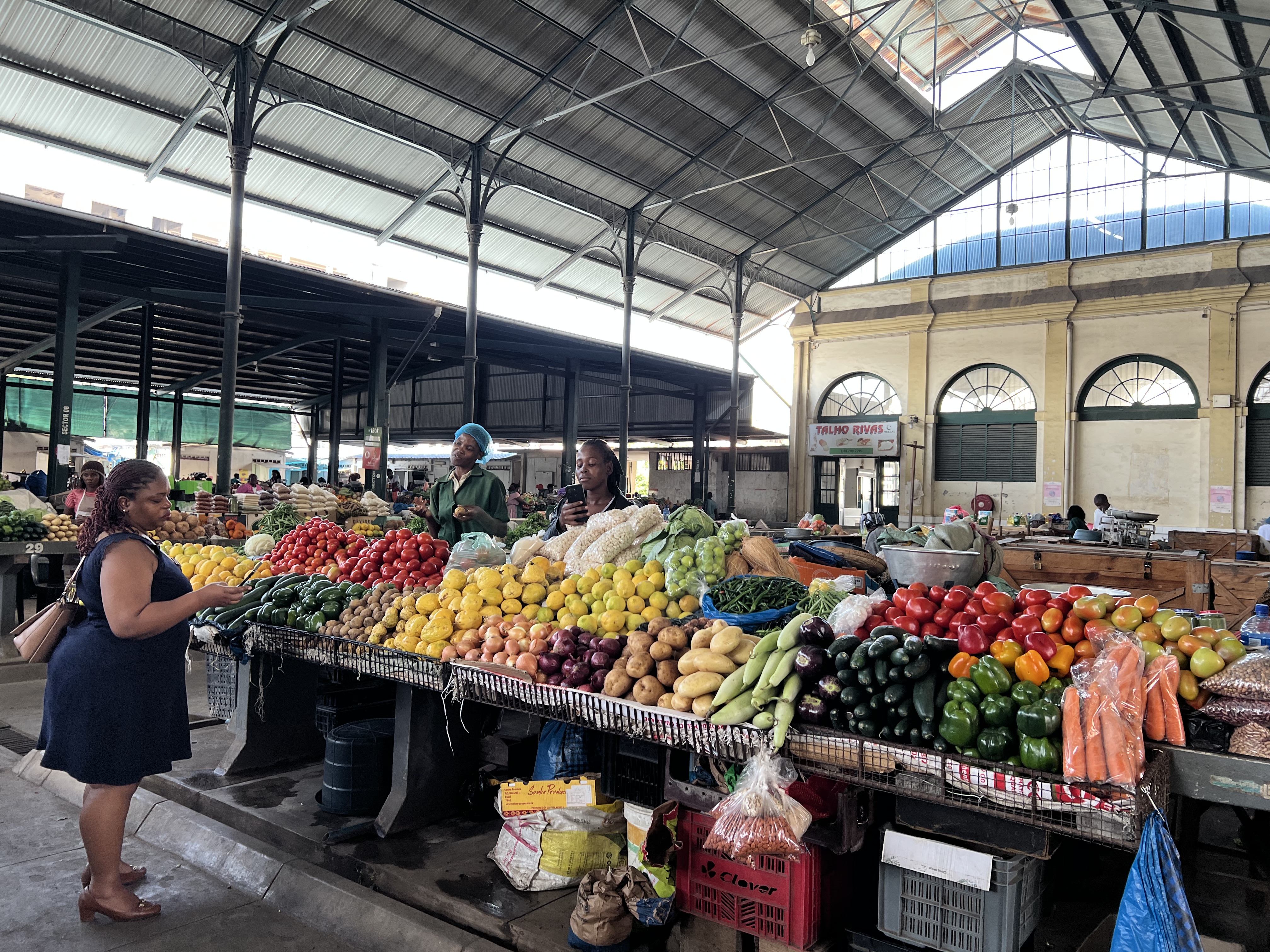
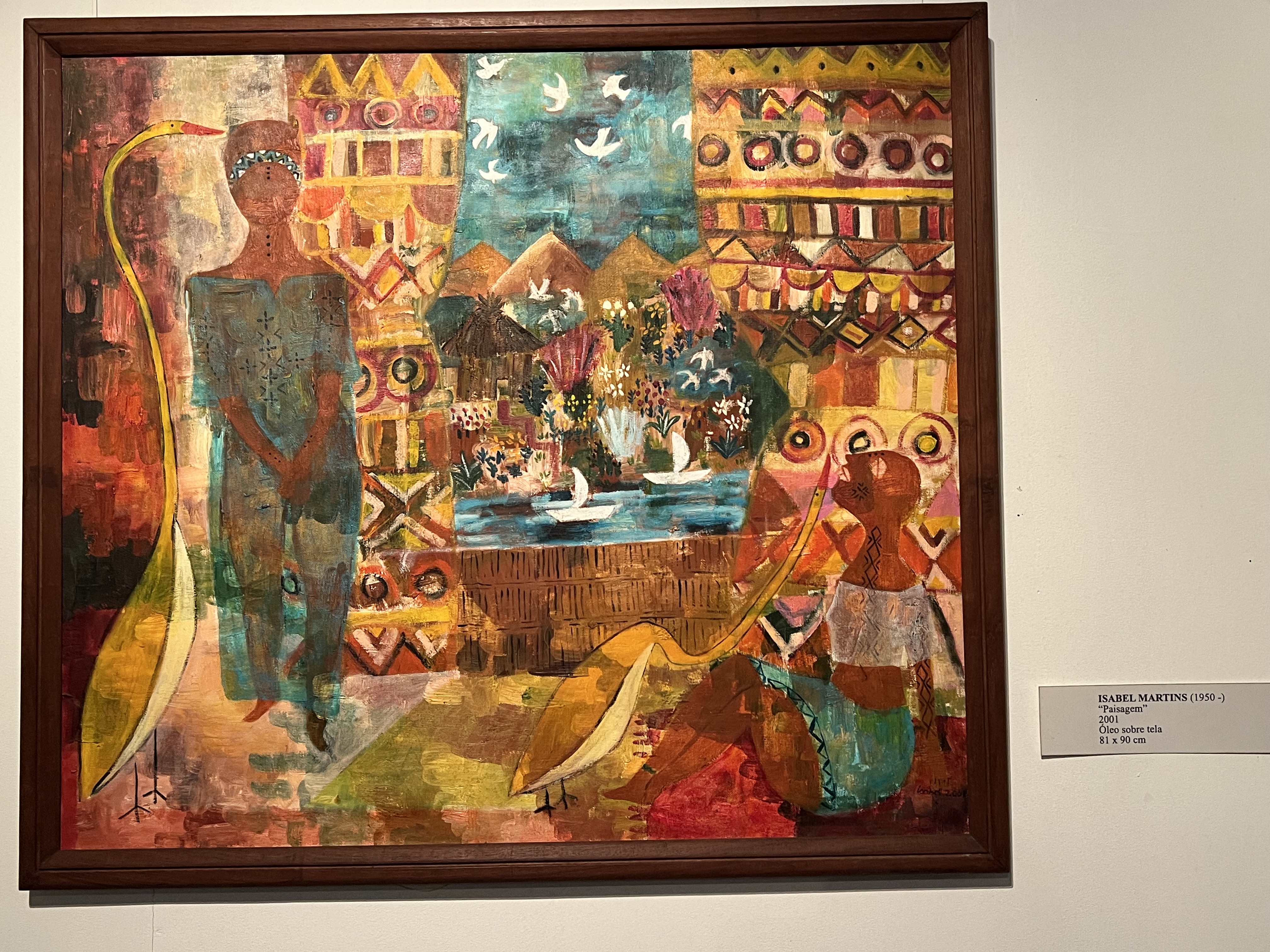
It is a working port and for that it is effective. I had read about day tours of the lagoon and to the islands and had looked forward to doing both, but as it turns out, the boats don’t run in the winter – even though it was 27 degrees Celsius outside. From the port, I walked over to the Central Market to see what they were selling. The building was lined with fruit, vegetable and spice stalls as well as having a few butchers on the sides. In the middle were a couple of rows of traditional African handicrafts, but no one was buying them. On the backside of the market were five halls mostly selling hair pieces and extensions. I was amazed at how many there were and here people were purchasing items. It turns out that many of the women use the hair pieces as extensions or as wigs as otherwise it is too time consuming to braid or deal with one’s hair. From the Market, I headed on to the National Art Museum. This is a small two floor one medium sized room on each floor building showcasing local artists works. They varied from landscapes to post-modern to African symbolism in the paintings; the sculptures often blended modern European and African images. While the museum is small, it was worth the visit and can be recommended. From the museum, I walked back via Karl Marx, Lenin and other Communist named streets to the B&B. The streets are not particularly geared towards walkers as the sidewalks are broken up with tree roots pushing up the concrete and the sidewalks simply ending in the middle of the street. I watched as people navigated this by moving from one side of the road to another and then giving up and walking in the middle with the traffic. On the side roads, the traffic was minimal, so this didn’t present a problem.
The next morning, I got up early for the trip to Eswatini and Kruger National Park. I’ll hold off on describing Kruger until the comments on the other national parks in South Africa. I booked the excursion through Tours Maputo and there needed to be at least two people for the tour to make; luckily a Brazilian woman wanted to do the same tour and so we were off. She, unfortunately, didn’t speak any English or Spanish, so our conversations were fairly limited as I don’t speak Portuguese, which I should have for both Brazil and Mozambique. The ride to the border offered another insight into life in Mozambique. The van driver was pulled over by the traffic police for some unknown reason. They said he was speeding, but I was in the middle in the back seat and had been watching the speed limits and the speedometer in preparation for my driving in South Africa and our driver was at the speed limit. The police harangued him for some time, made him get out of the car and cough up some cash – all without a ticket or receipt. When he got back in the van, he said that Mozambique has two kinds of mosquitoes – the insects that draw blood and the police that draw cash. It turns out that the corruption doesn’t end with the police on the streets, at the border crossing the agents also tried to collect.

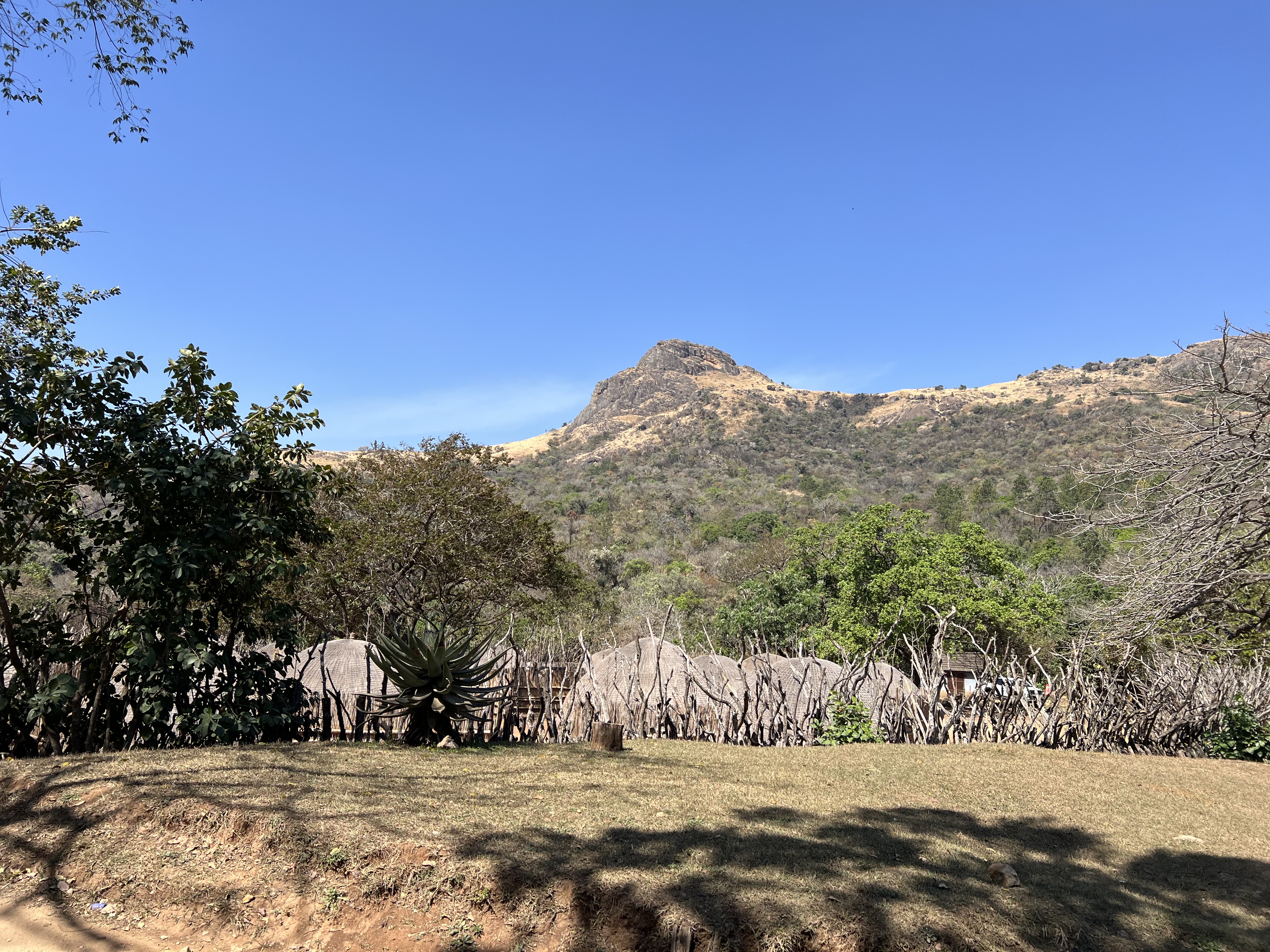
Once in Eswatini, it took about an hour to get to Hlane Royal National Park. We stopped only for a short while by the watering hole and saw impala, a rhino, hippos, vultures and lots of starlings. From there we traveled on to a recreated Swazi village. This is one of the main tourist attractions of the region. The village is built in the traditional style with reed huts, many of which are quite large, centered within a wooden spiked fence enclosure. The cattle and animals have their own complexes, while each of the wives and the mother have their own huts, as does the one man. Boys stay with their mothers until they are six, and then they move to a separate hut with other non-married males. Only those males who are married have a say in the community; the idea behind this is that without having the experience of married life, one isn’t ready to make rational compromises and decisions. In the village there is a fortune teller/healer and after asking permission to enter his hut (and women are otherwise not allowed to enter a male area), he will diagnose what is wrong with a person by asking the ancestors through the throwing of bones. He will also ask the ancestors for help divining the future of the inquirer. This costs 1000MZB, which I didn’t have, but did have enough to ask him a few questions. He explained that the bones used have been selected by the ancestors when he goes looking for them. He uses the same tools for diagnosing illness as well as for predicting the future. Most shaman have an illness or some other dramatic event in childhood that leads them on this path, and he was no exception. While he didn’t have a major illness, he wasn’t able to concentrate at school and was constantly being pulled outside to learn from nature. He then studied with his master for over seven years before he set out on his own, but he is in contact with other healers throughout the region and they share their experiences and wisdom with each other. The healers are still sought after especially in the rural regions, but they also recommend a person to go to a hospital when they believe it is necessary.
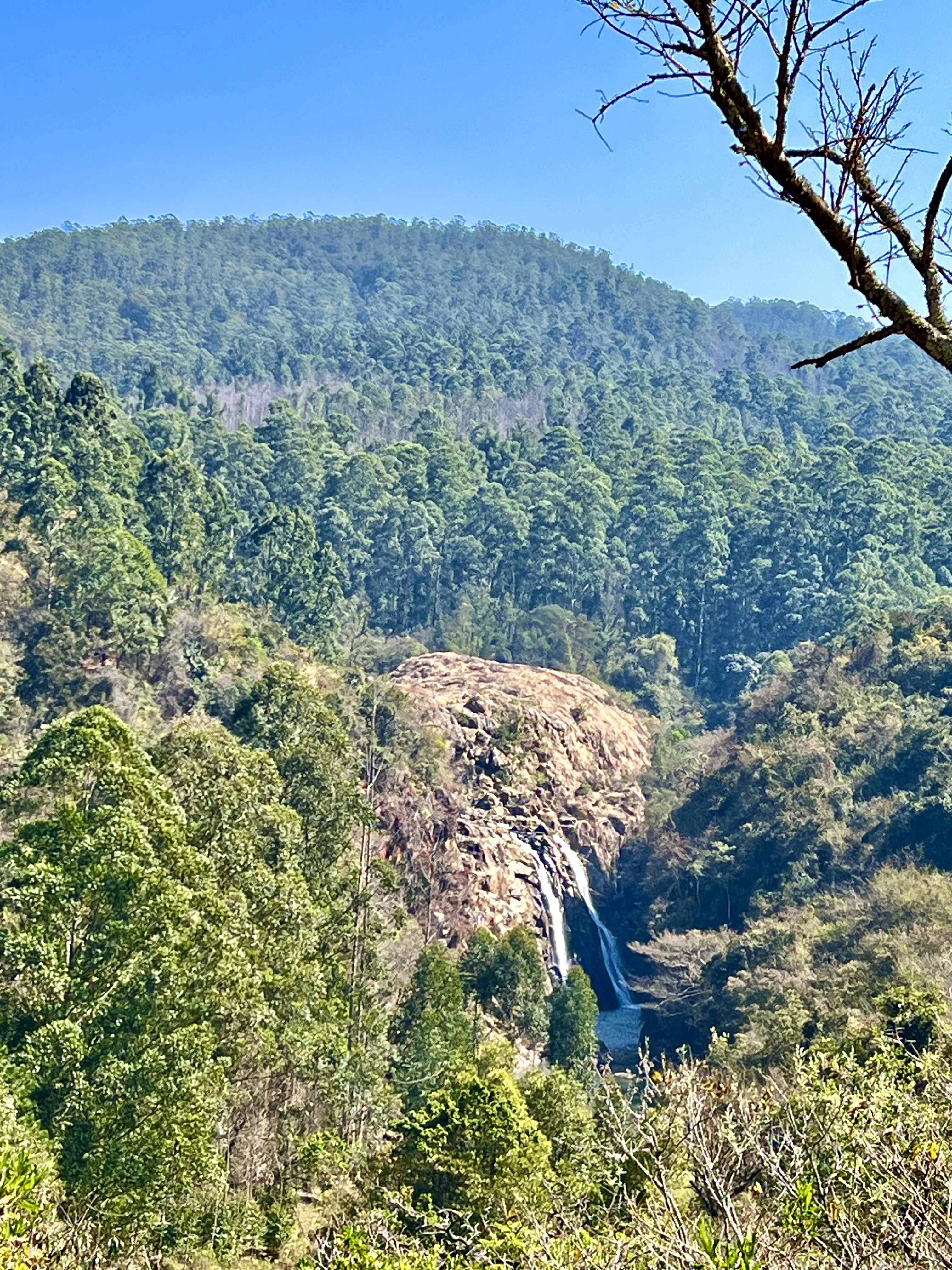
A short walk from the village is a very pretty waterfall that I couldn’t miss.
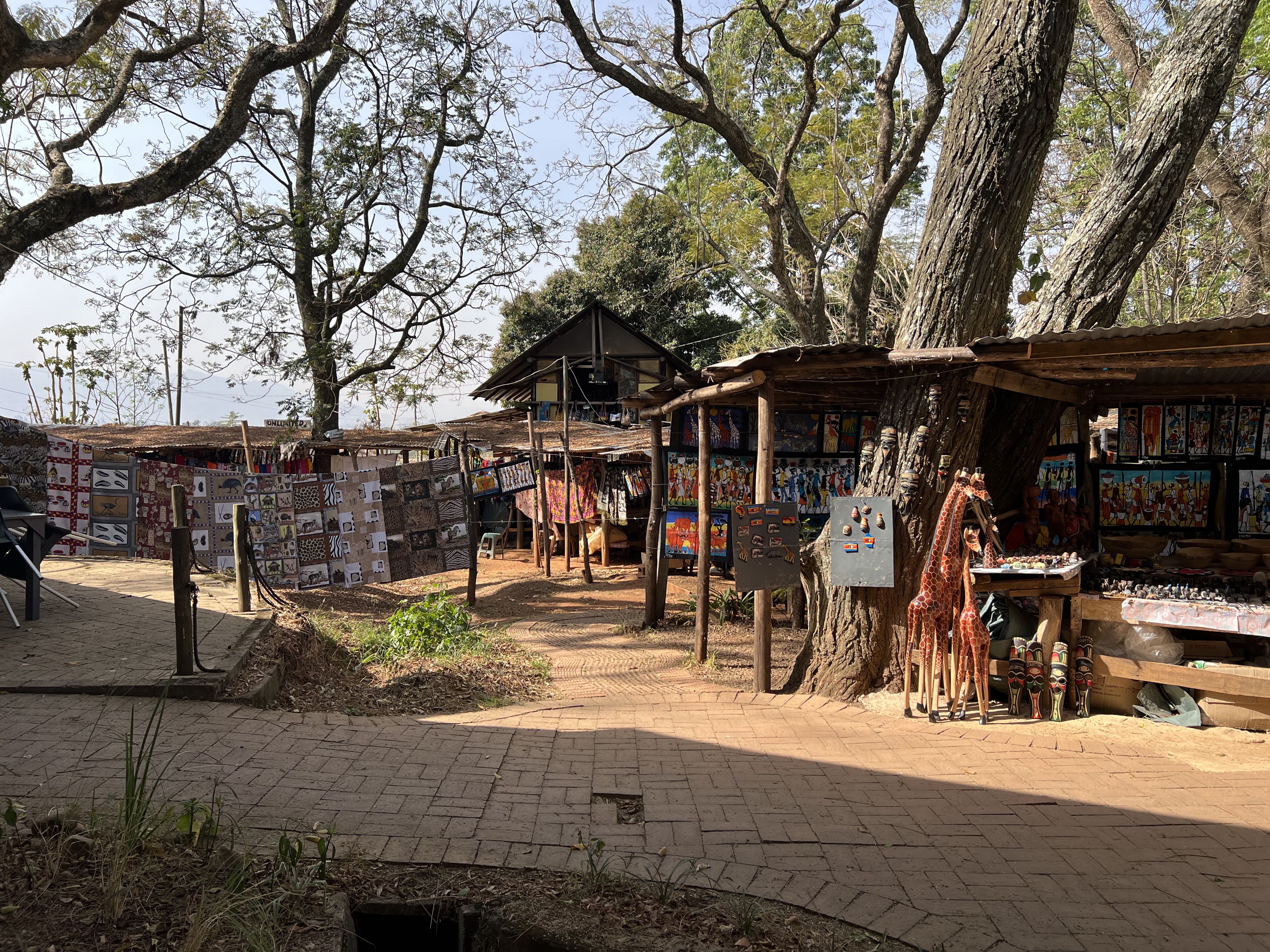
On the way to the South African border, we passed by a huge structure on a hill overlooking the parliament. That building is the US Embassy. I was struck by the symbolism of the placement. The parliament has little actual say in political matters as Eswatini is ruled by an absolute monarch, the King. The former king had 217 wives; his son, the current king has 17. I was told he used to have 18, but one of the oldest ones committed suicide as she couldn’t take the isolation and neglect in the haram any longer. All the land belongs to the king; the people have legal right to use it to build their own structures, but they don’t have ownership of the land the buildings sit on. Poverty is prevalent, but it seems crime is less here than in the neighboring nations.
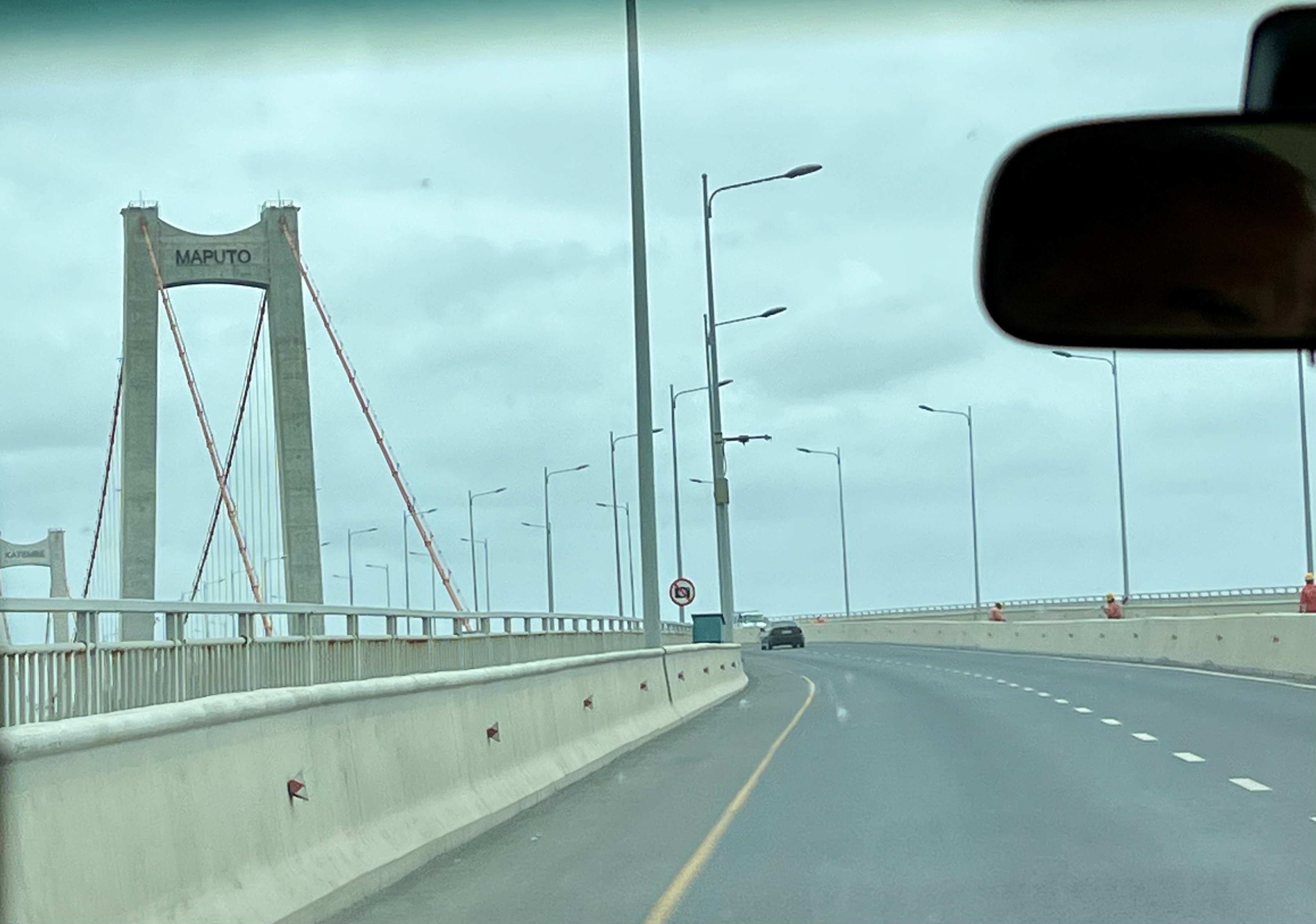
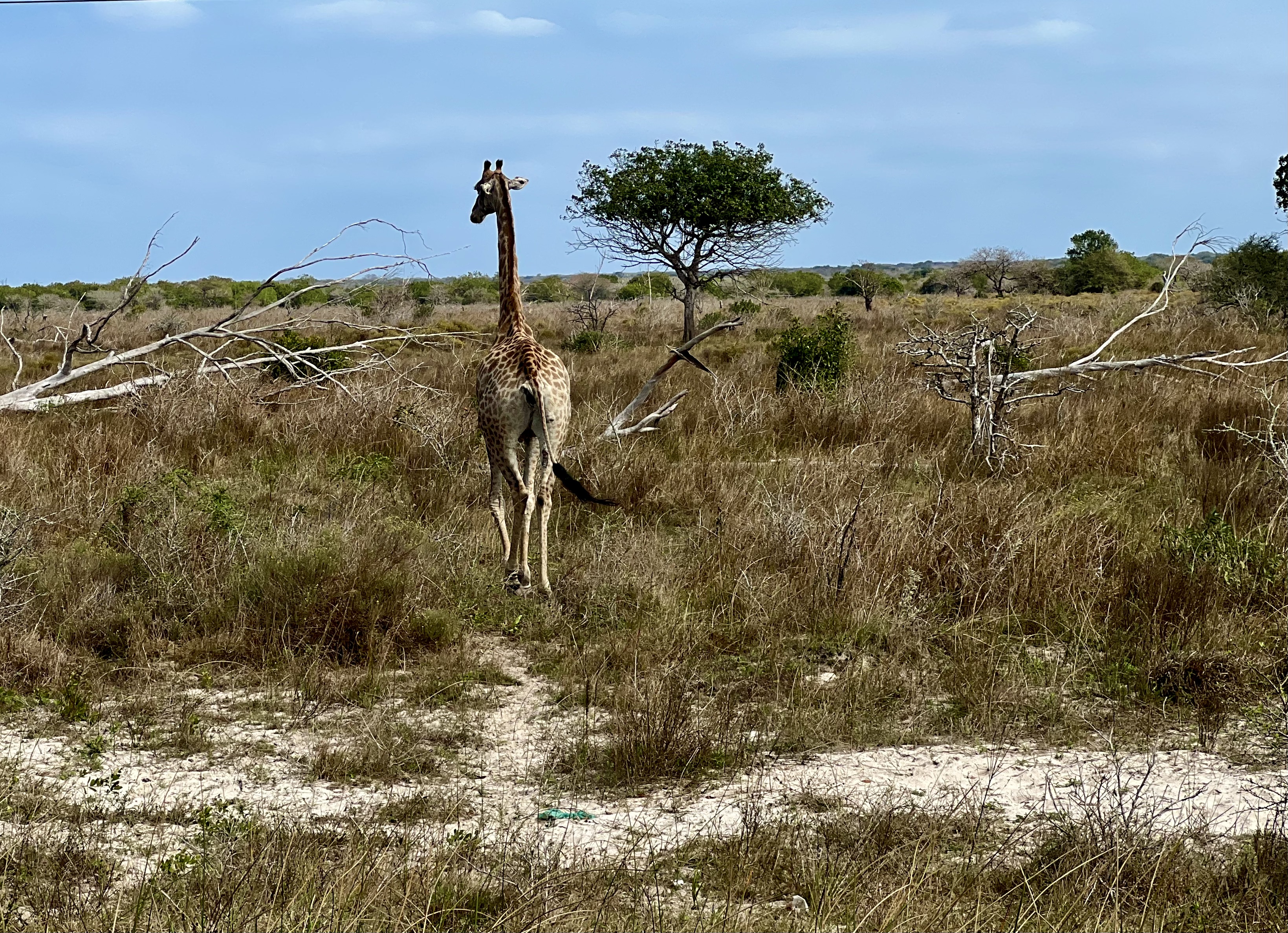
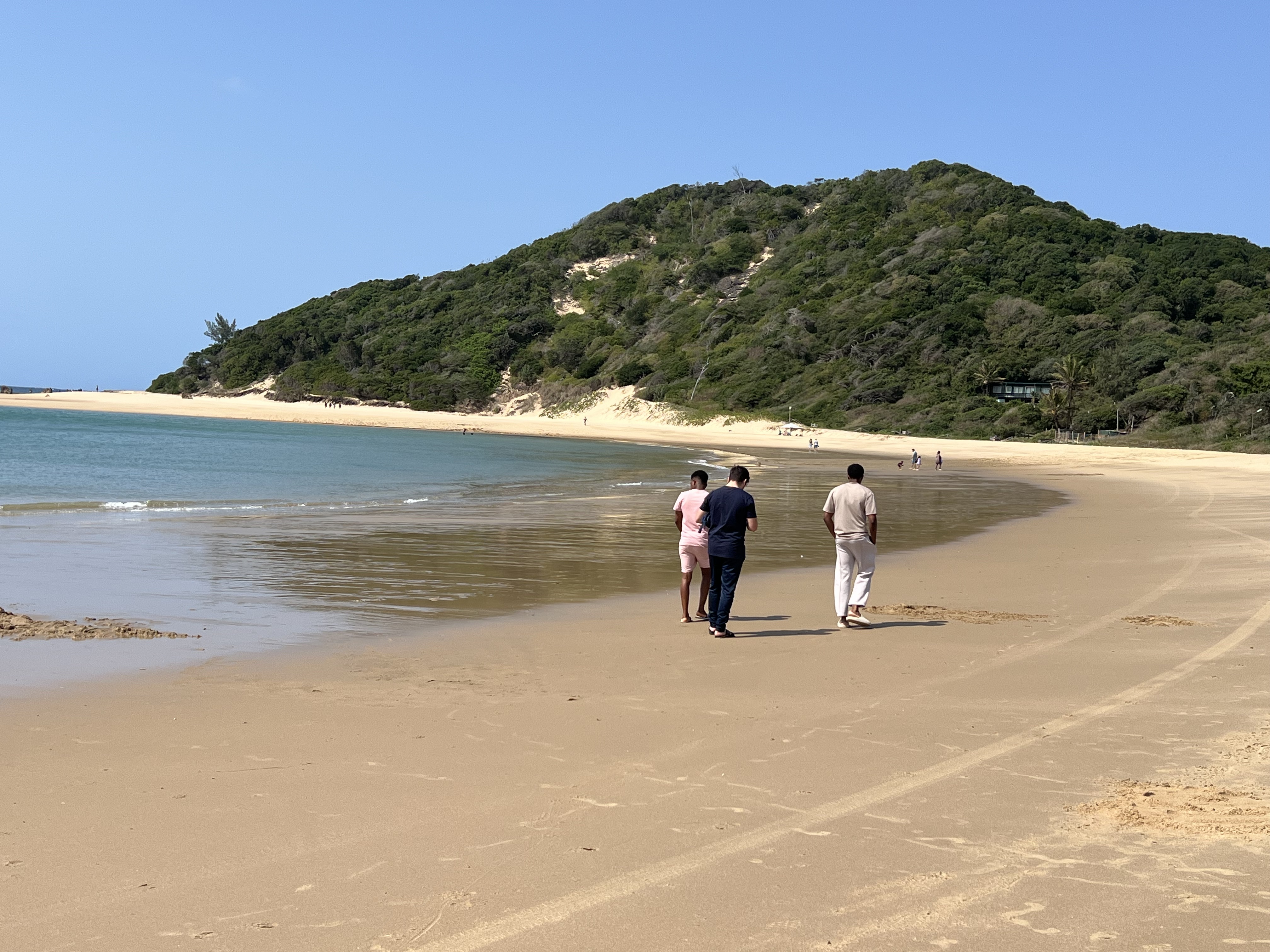
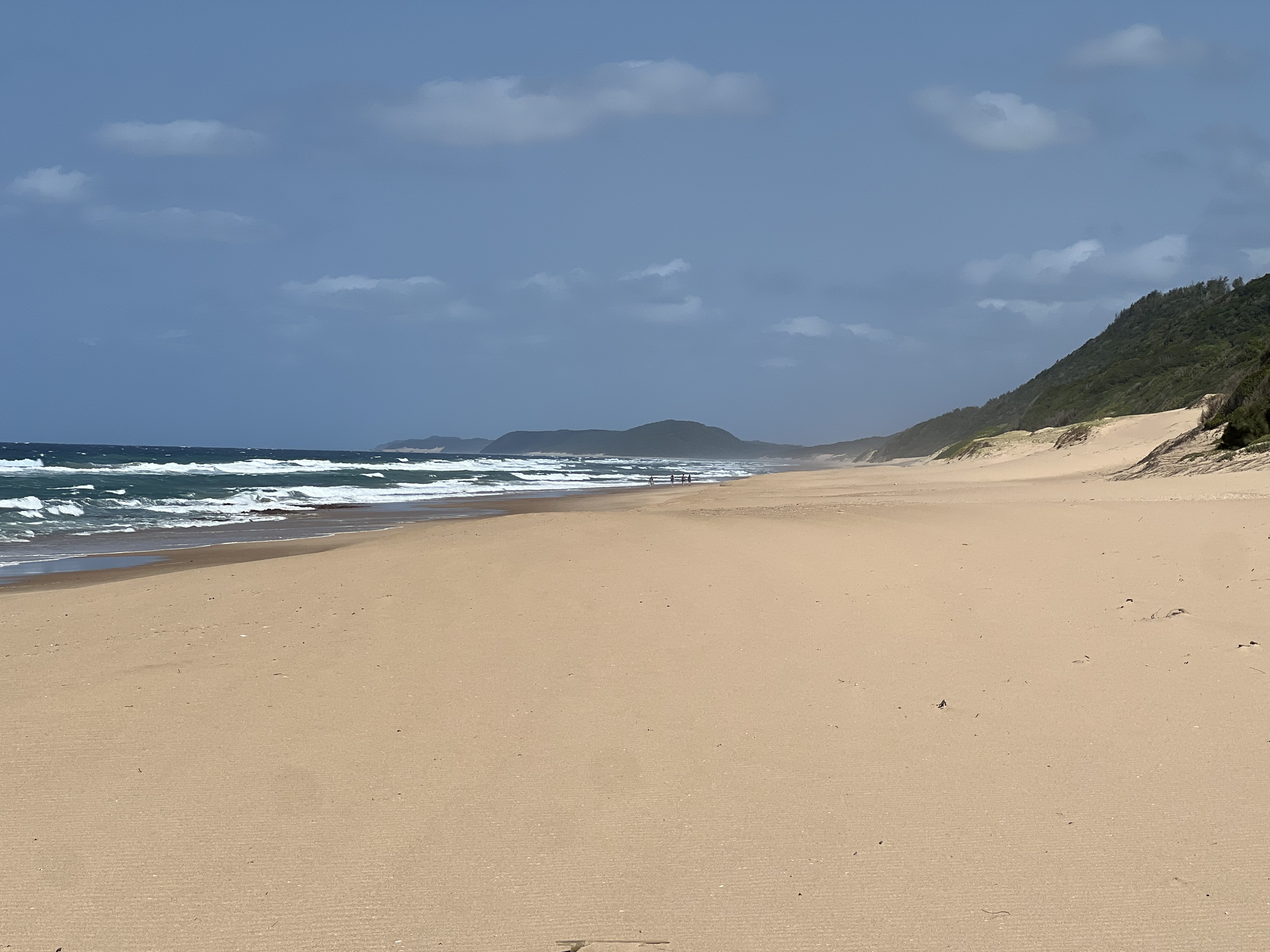
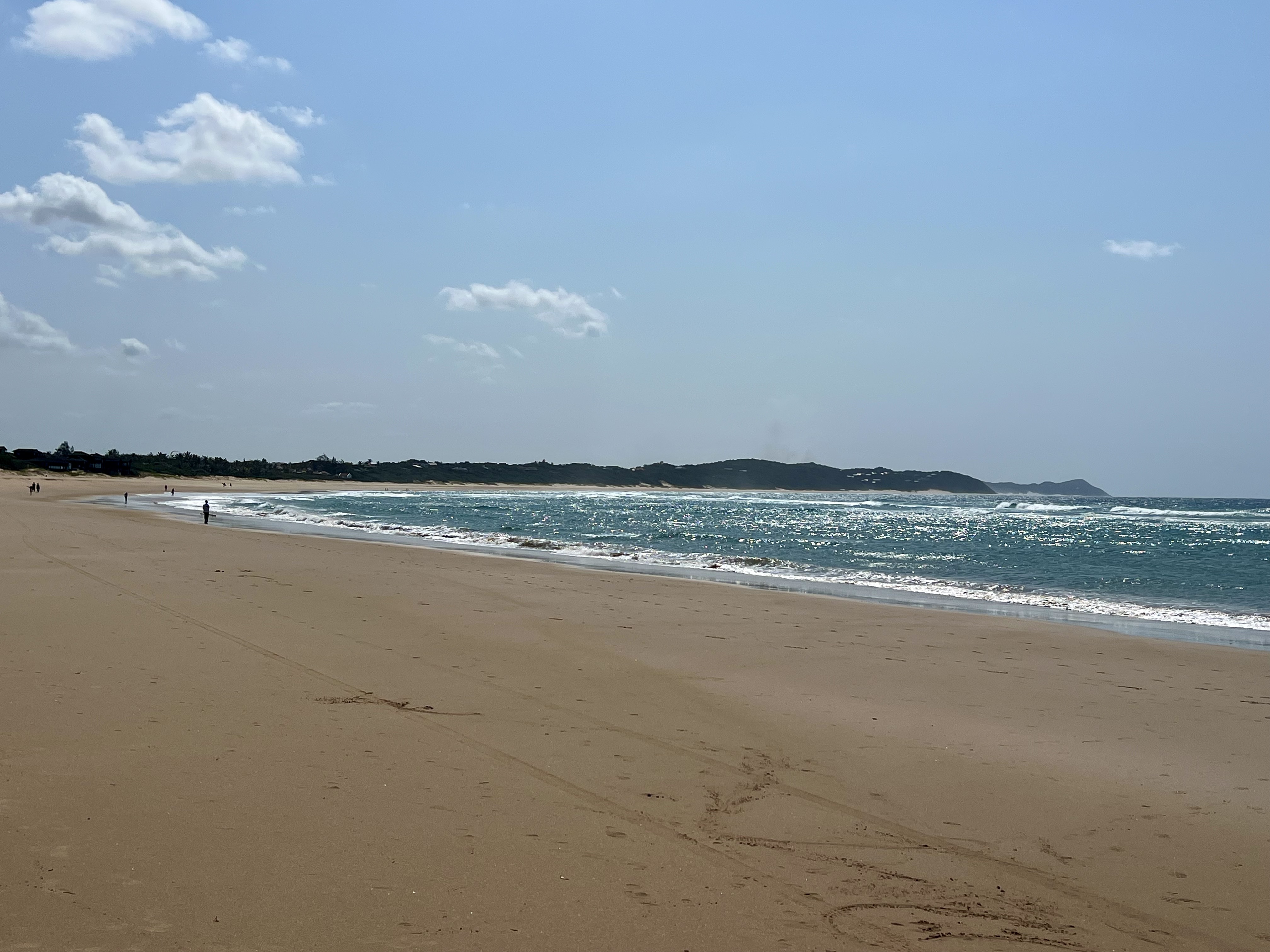
After returning to Maputo from the 2 night/3 day excursion which encompassed three countries, I decided that if I couldn’t get to one of the islands, at least I could get to a beach on the Indian Ocean. Emelda, my hostess at the B&B, arranged for a taxi to take me to Punta do Ouro, a famous beachside town in the south of the country. It is a favorite vacation spot for tourists from Johannesburg as it is only 6 +/- hours drive away. The drive through the very modern business section of Maputo takes under 2 hours now that the new highway and bridge, one of the longest in Africa, has been opened. The highway passed through the Maputo Wildlife Reserve and even from the car I could see impala, giraffes and wildebeest. Punta do Ouro is a beautiful golden sandy beach that stretches for kilometers. There were only a couple of people in the water as it was too cold for the locals. It was probably about 20 degrees Celsius, which was also a tad cold for me. The walk along the beach was wonderful, though, watching the waves crash on the rocks on one side and the kids playing balls near the other side of the bay. I understand why some more wealthy South Africans have their holiday homes on the hillsides above the beach.
I only saw a tiny bit of both Mozambique and Eswatini, but what I did experience was the varied nature of each of these very different cultures. The Portuguese influence in Mozambique is alive and well in an African context, while Eswatini remains distinctly Swazi with the trappings of modernity through globalization. I’m glad I had the chance to visit them.
 omegoodyssey