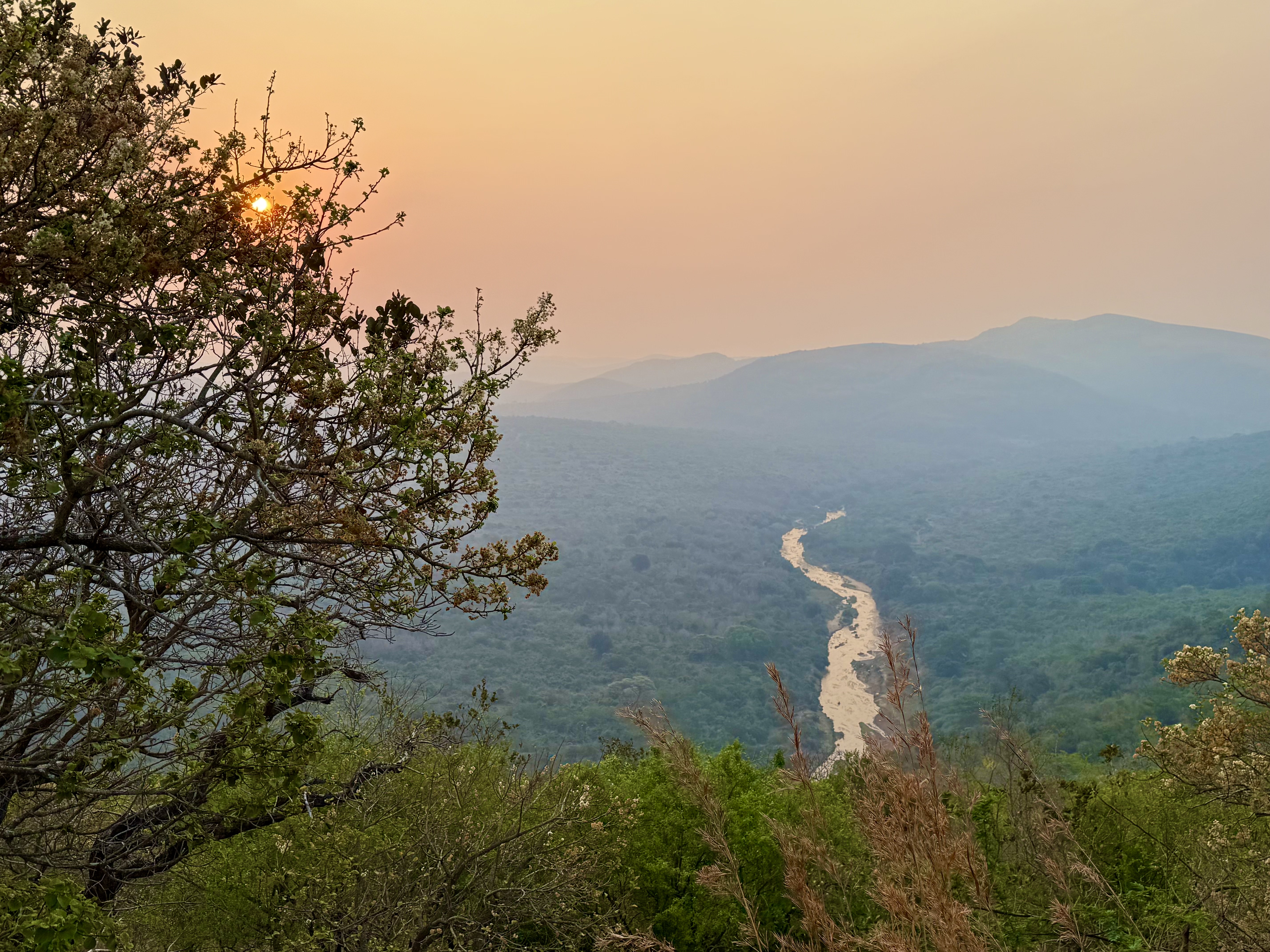
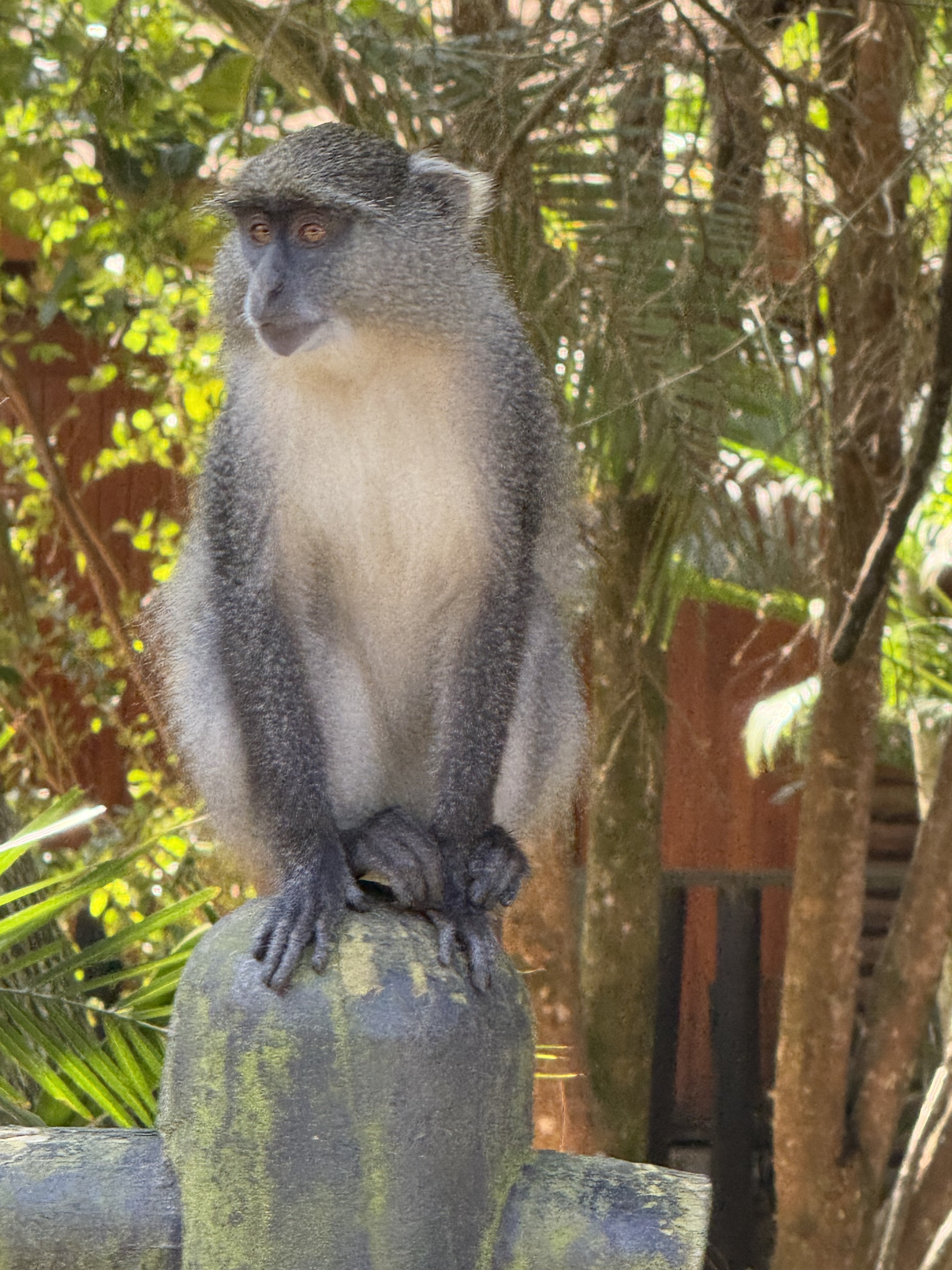
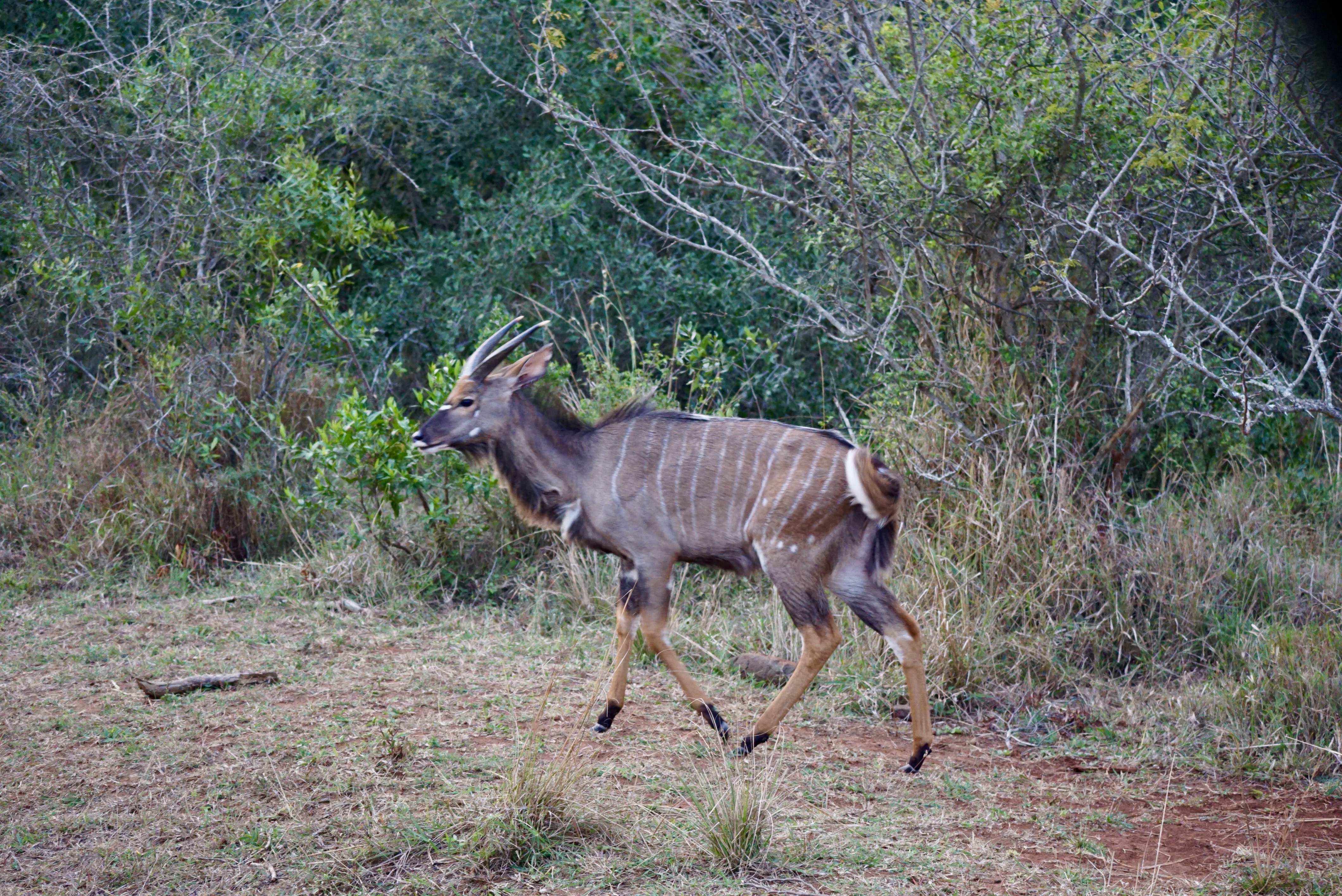
The Airlink flight to Durban from Port Elizabeth only takes about an hour. I had been warned not to attempt the drive between the two cities, which would have taken at least 12 hours and traversed areas that weren’t crime free. I picked up the new rental car, this time a white Toyota Cross, unfortunately brand new with less than a 1,000km on it. IF I were just driving on highways, this would have been great, but I ordered the SUV as I would be going on backroads and I’m very concerned that nothing happen with this vehicle. Acacia needles can easily ruin the lack on a car and stones thrown up from passing cars and jeeps can shatter windshields. The drive to Hluhlewe-Imofozi is mostly on the N2, which for the majority of the time on this stretch is a delightful four lane highway, but when it goes down to two lanes passing the trucks becomes a bit of a challenge. The turn off on the R618 takes one through local communities where there are speed bumps in unexpected spots. Luckily, drivers are alerted to the bumps by a dark washboard rack in the pavement prior to the actual hazard. Once in the Kwazulu-Natal National Park, I was pleasantly surprised that there was a tarred (paved) road to the northern part of the park and Hilltop Camp, where I was spending the next two nights. In Addo, there were mostly dirt roads with only small sections of pavement and those only by the main reception area and on the hillsides on the main sections where otherwise erosion would ruin passage from north to south and vice versa. Upon the journey northwards, I saw nyala, buffalo, hyena, zebra, guinea fowl and elephants. At the reception area there were a young male and female nyala hanging out as well as a few arguing vervet monkeys. That evening, I joined a sunset drive with the hopes of spotting a leopard or aardvark. That didn’t happen but did see more elephants and nyalas. I also saw a genet for the first time in the wild, but it was too far away and too hidden by the scrub grasses for a decent photo.
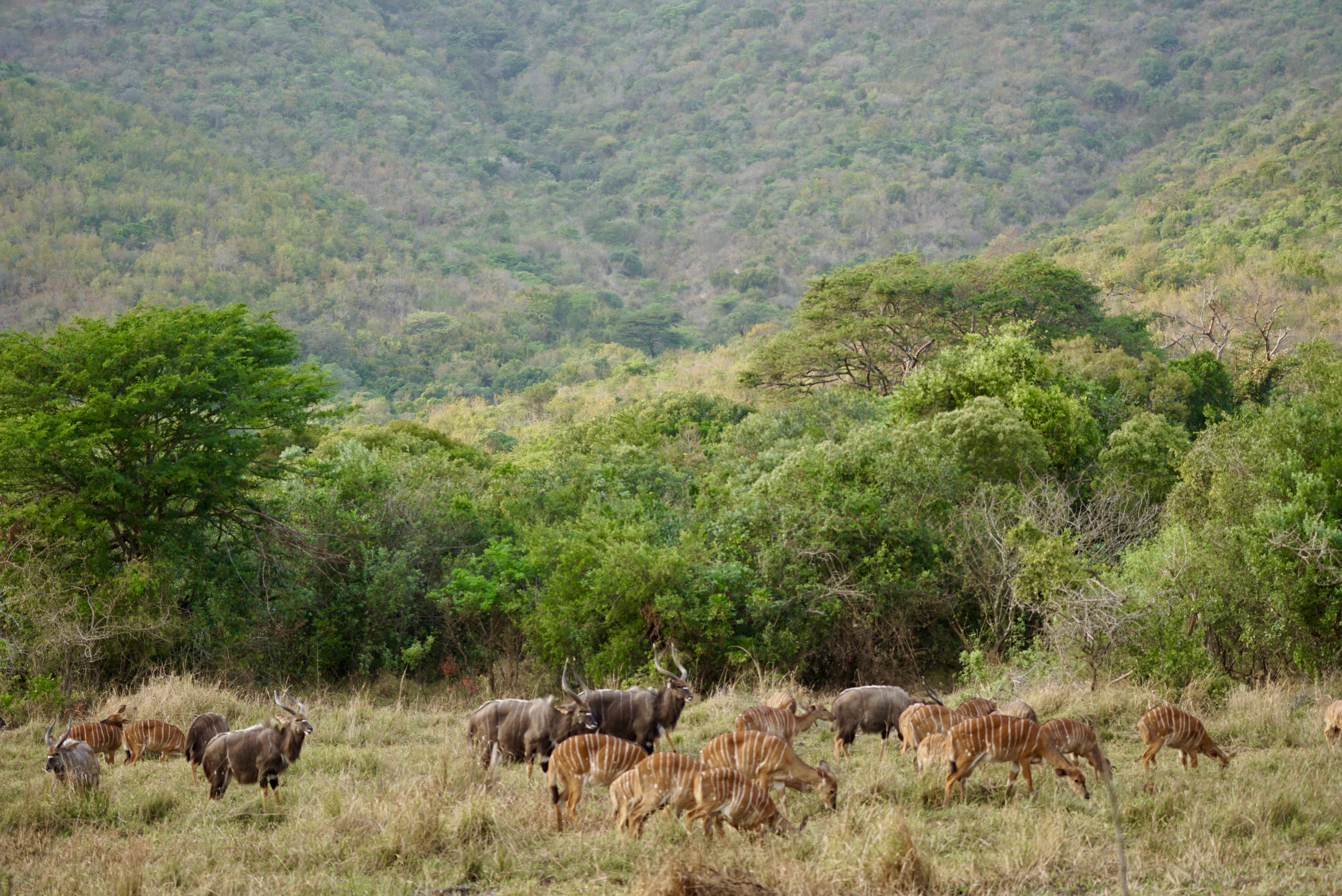
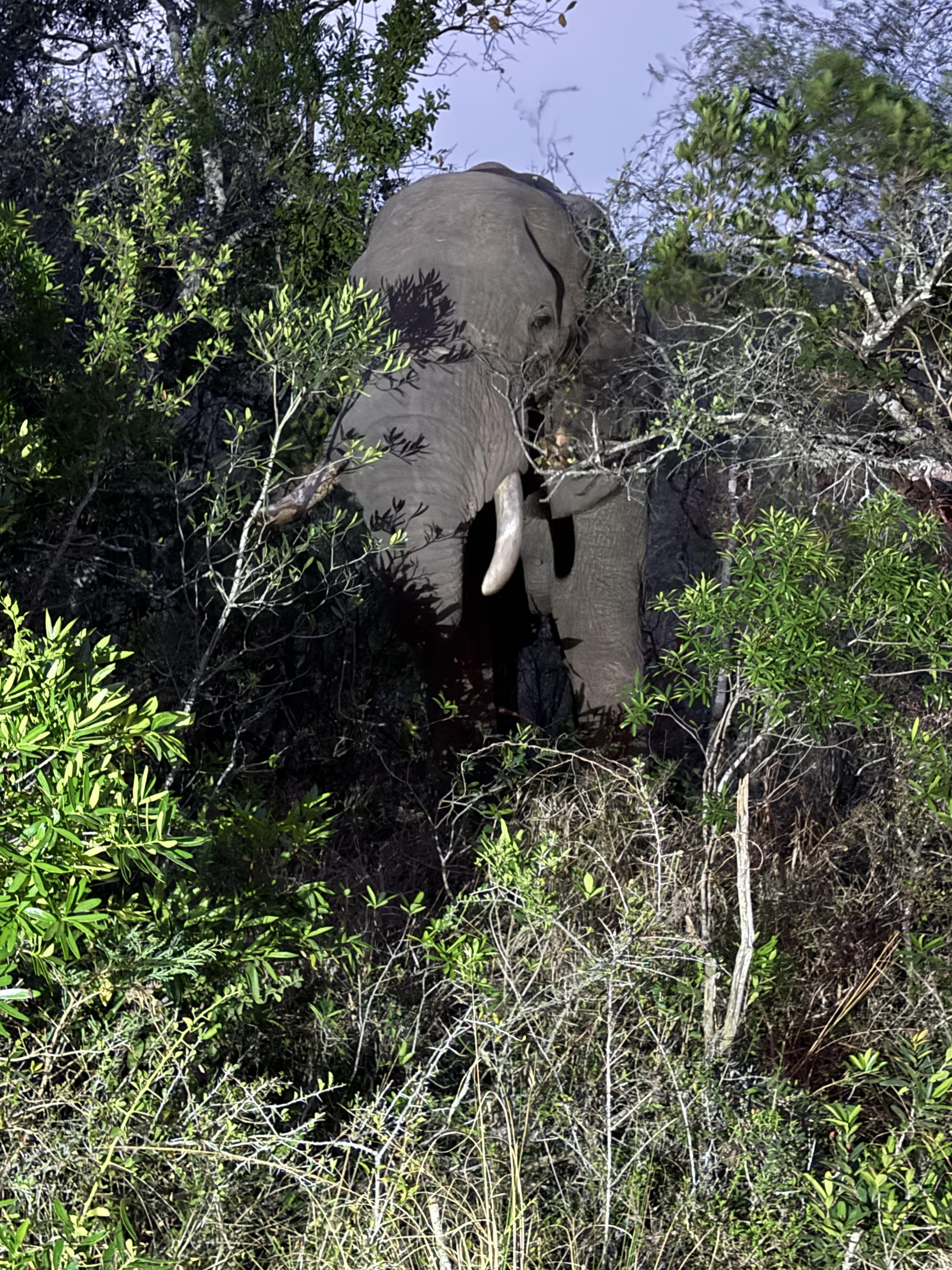
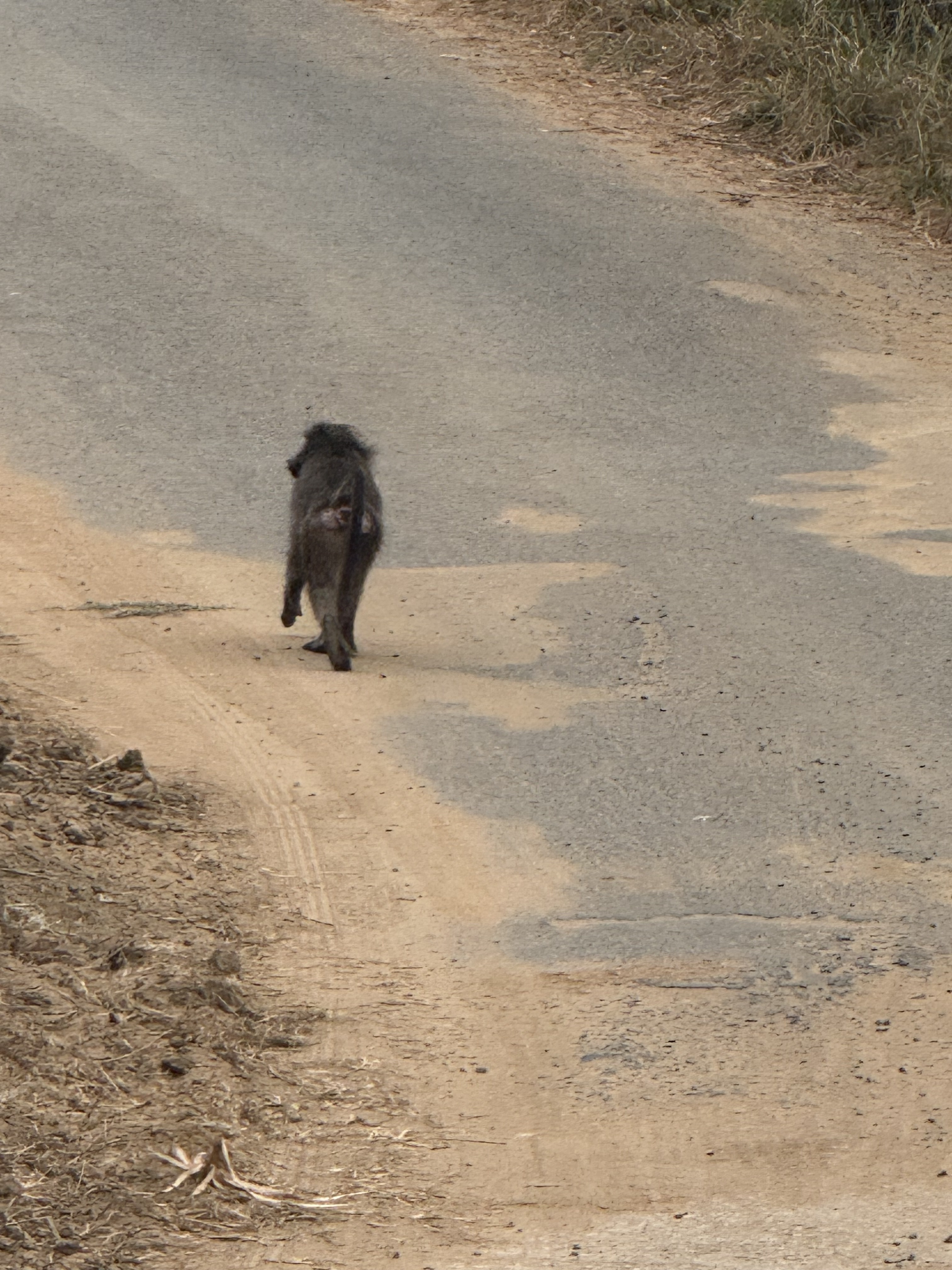
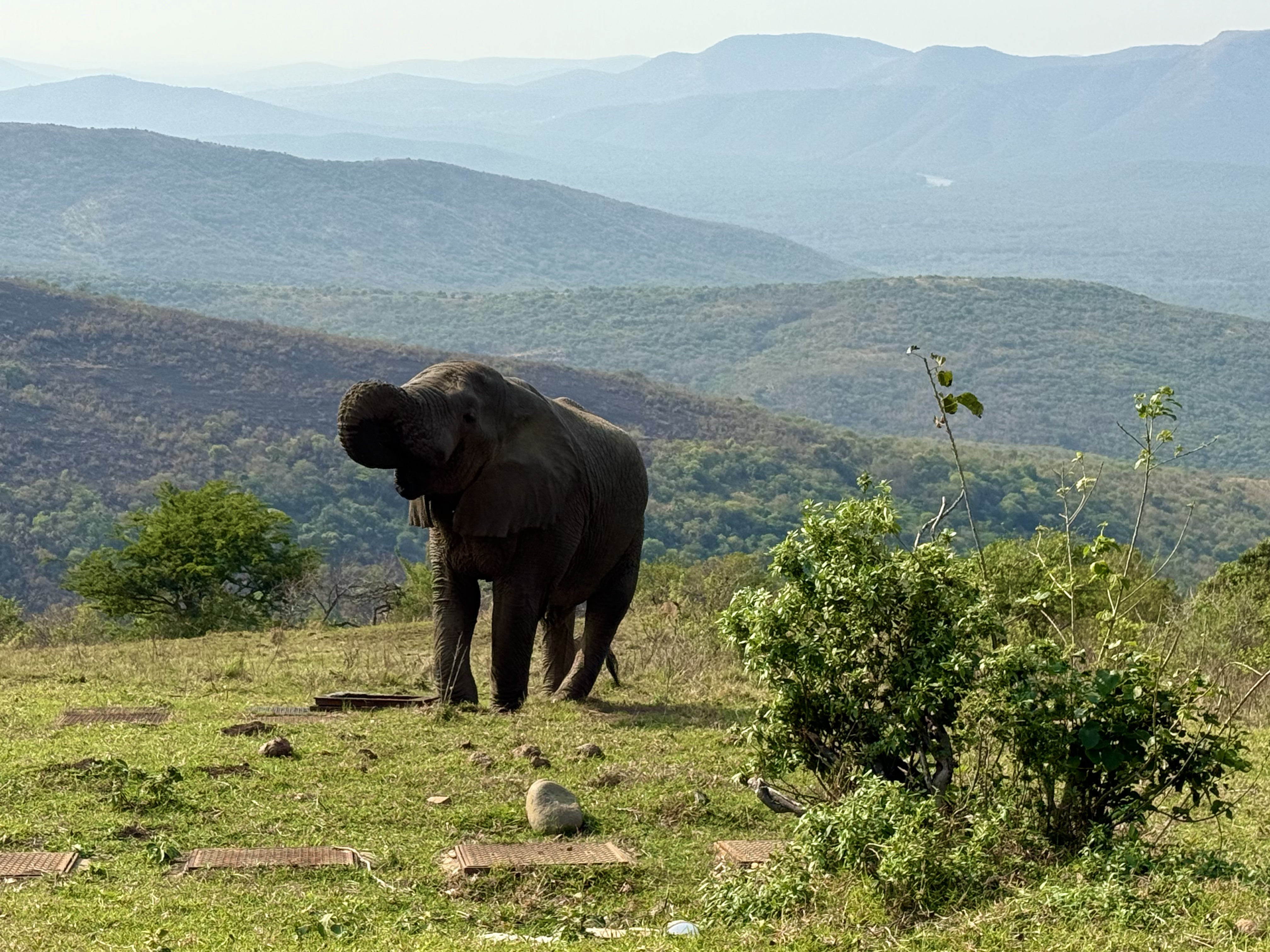
The next morning at breakfast, an elephant and nyala came up to the terrace area and put on quite a show drinking from a small well and then spraying himself with the water having a great time. Later as I was working on this blog on the terrace, a very large baboon came out of nowhere, jumped on the table and tried to steal my backpack and computer case. I managed to grab the backpack, but he took off with the computer case complete with charger and extensions. I chased after him as did some of the staff and the electronics flew out of the case, but he continued running with the case itself. After he stopped by a bush, he apparently looked inside then decided there was nothing interesting there for him, so he left the case in the bush and took off. The staff and I were luckily able to retrieve everything he had stolen. I did decide that the better course of valor would be to move inside as I noticed him on the roof looking at me with not a particularly friendly visage. Once inside, still typing on the blog, he had the audacity to come into the reception area and again come towards me, but the staff shooed him away and closed off all the doors. I asked whether he did this often and was told that it has happened before, but not often. I guess I was just chosen.
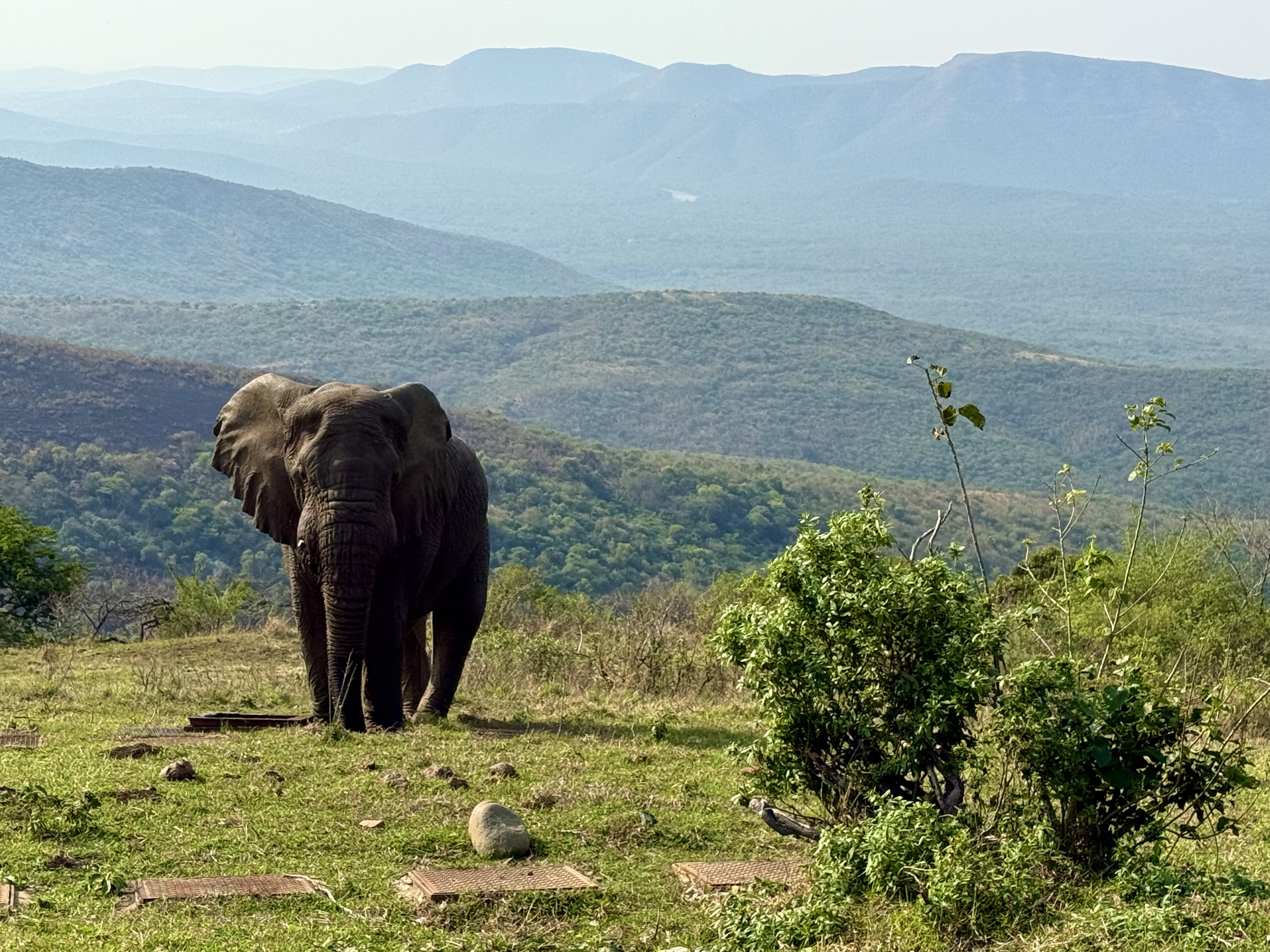
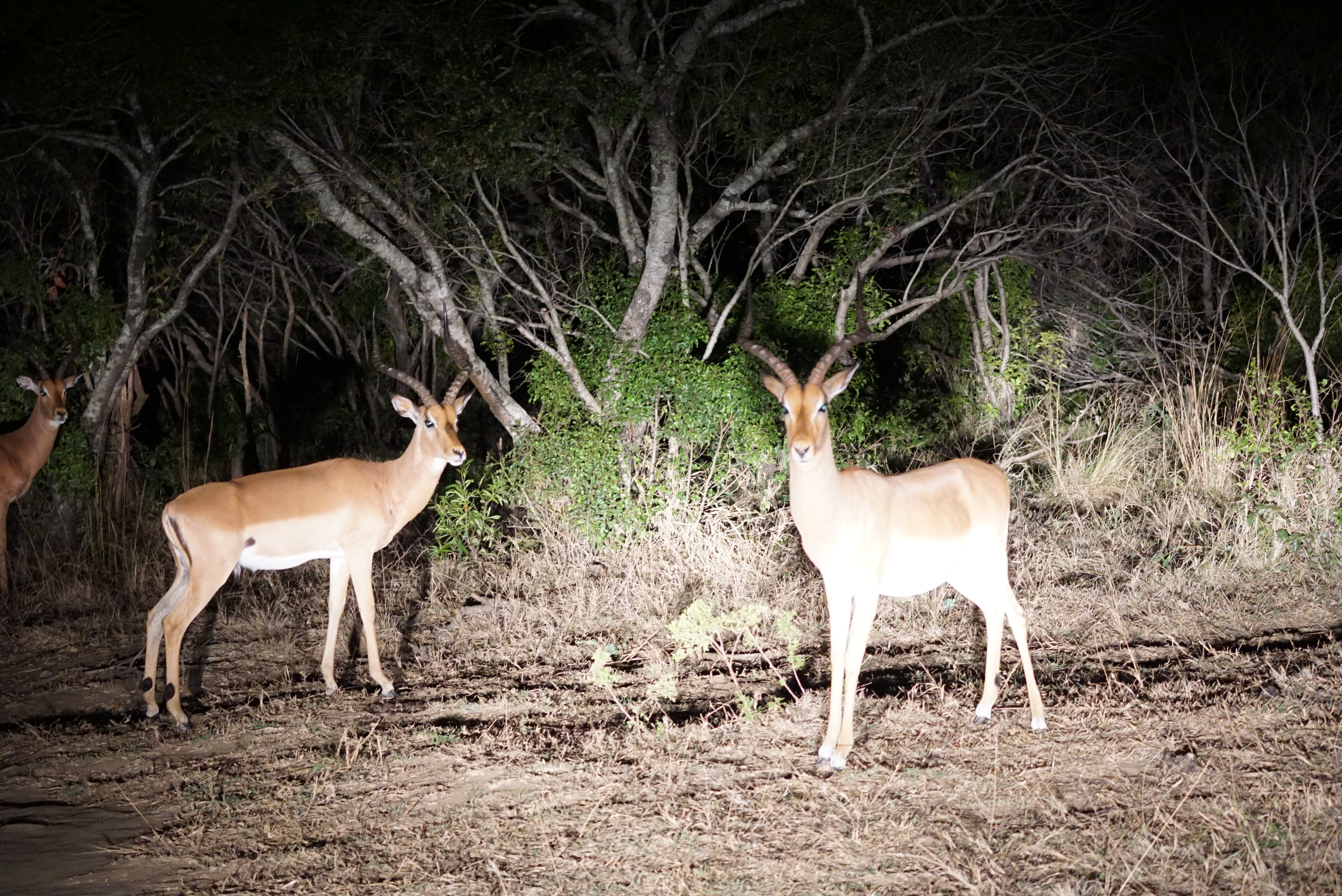
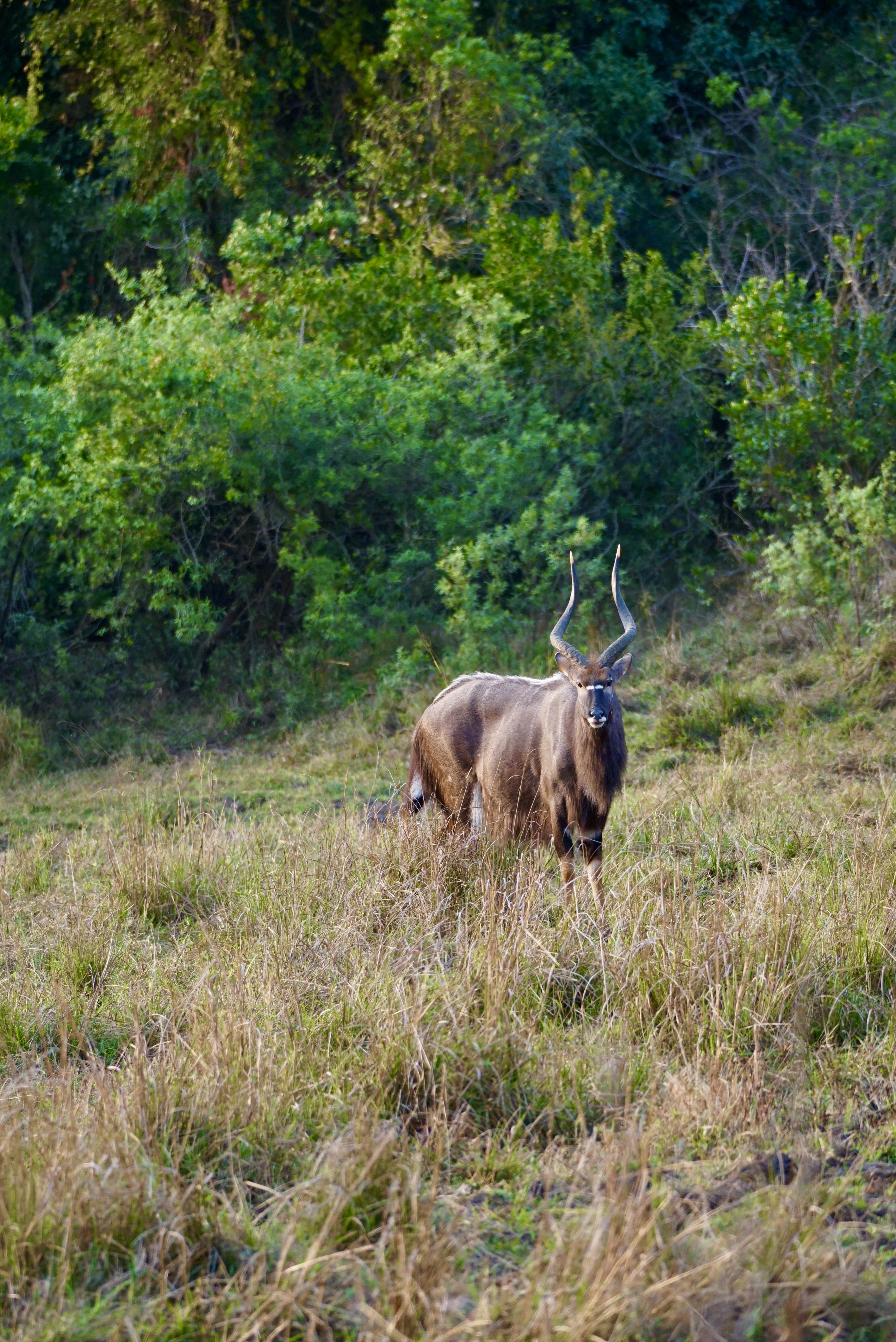

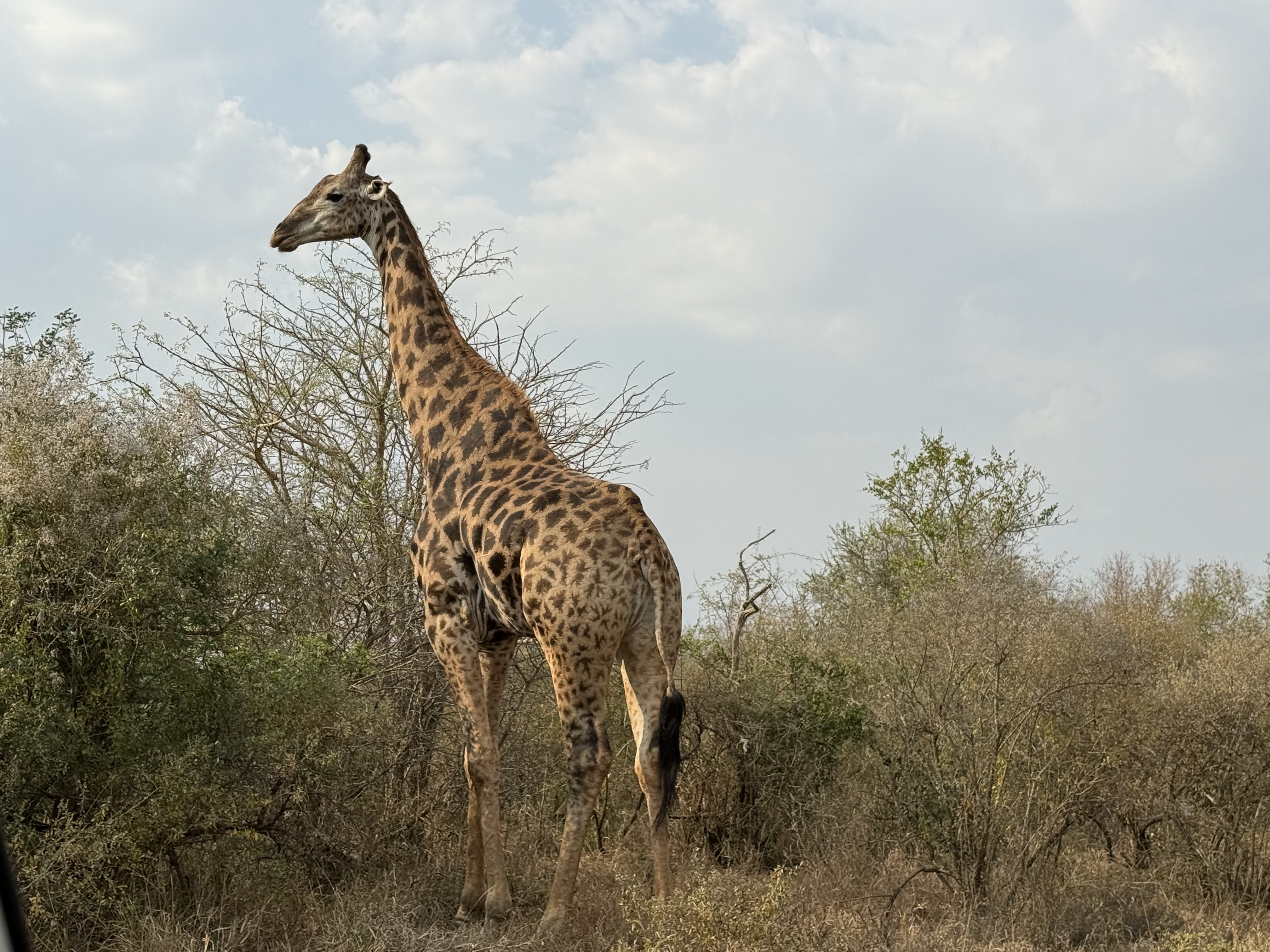
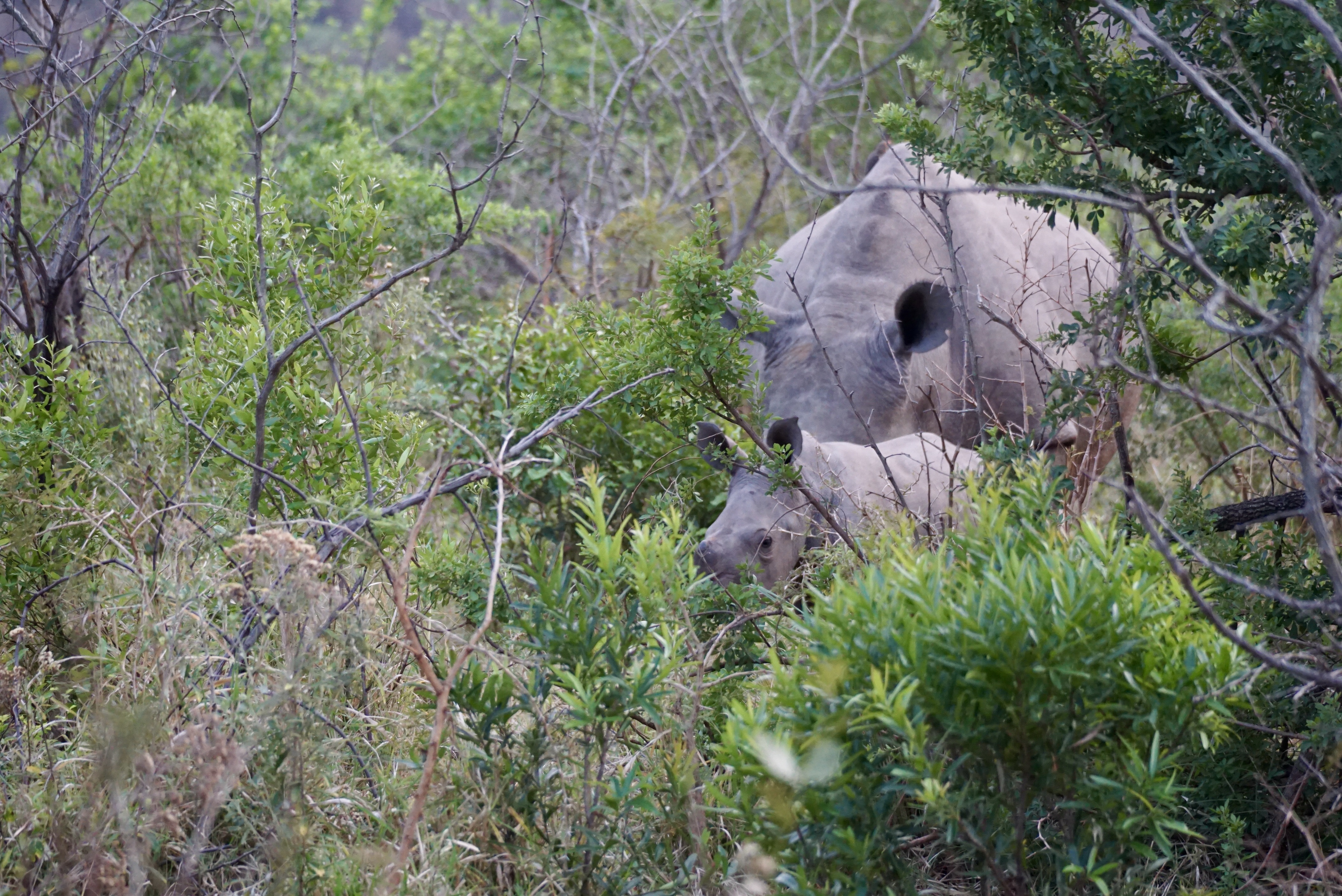

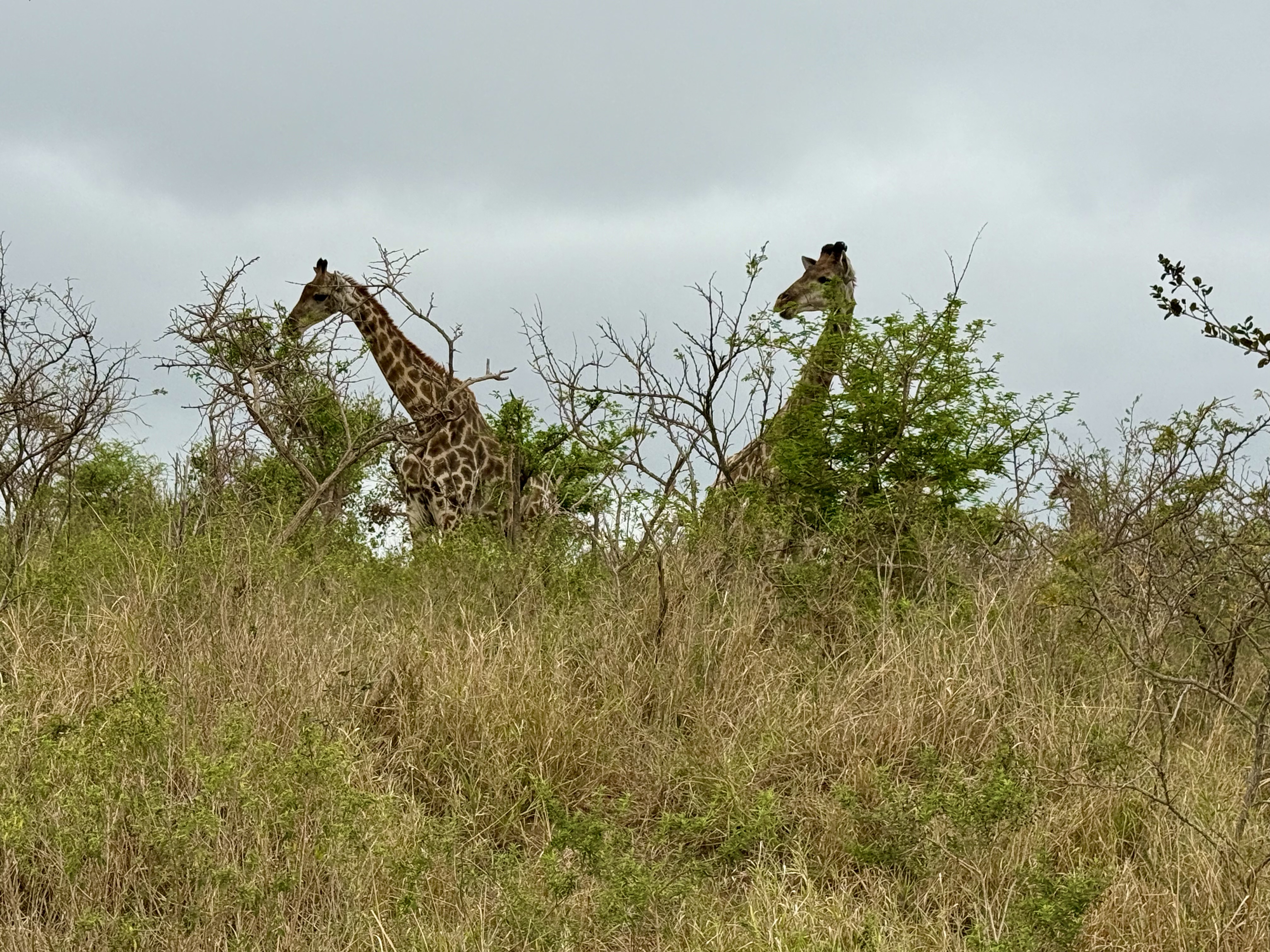
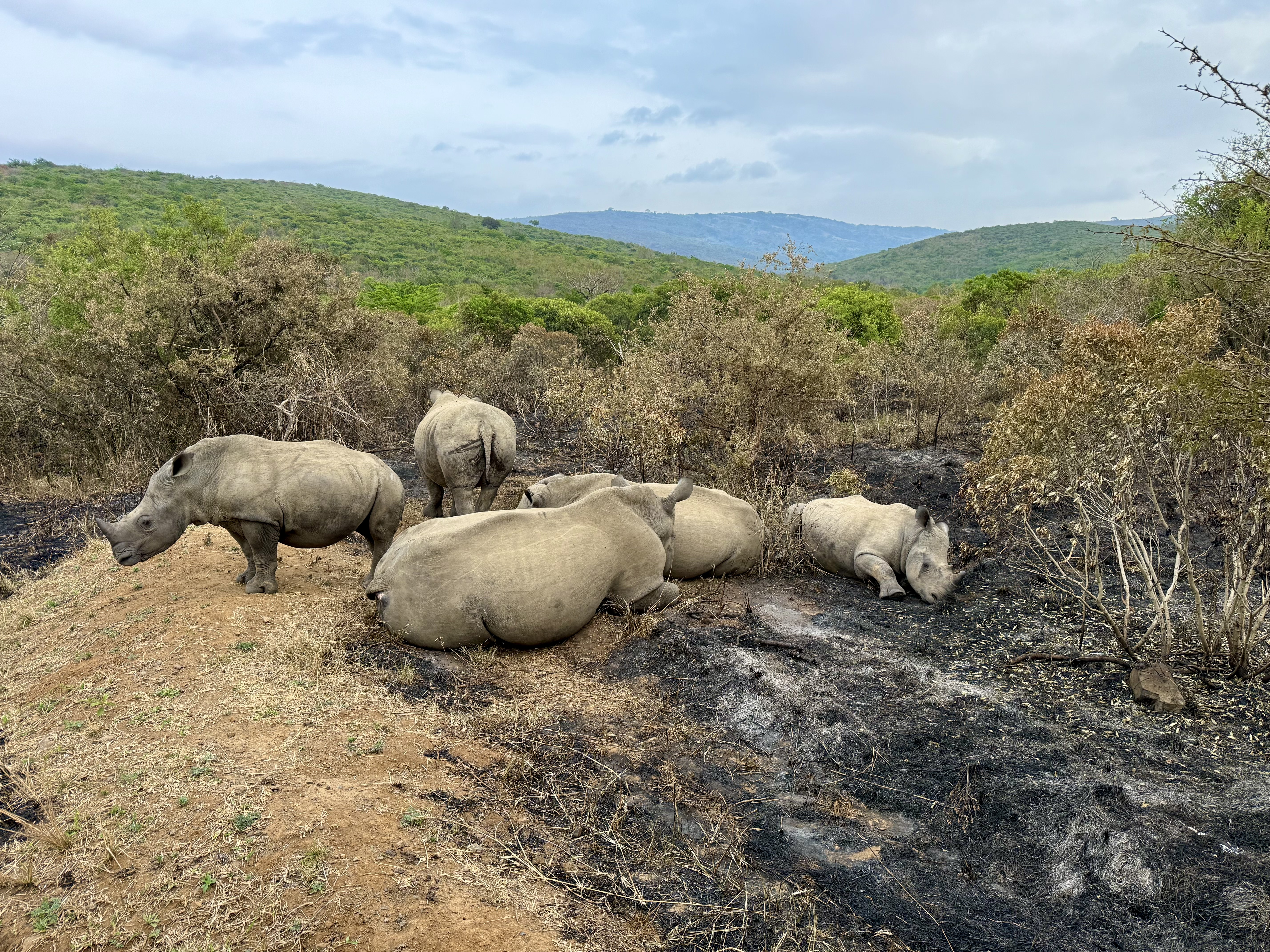
The next day I headed down to the Imfolozi section of the Park for a night at Mpila. While the wildlife was even more spectacular, with giraffe, rhinos, more elephants, impala and nyala and the ubiquitous warthogs, the camp was not one I can recommend. Throughout this Ezemvelo KNZ Wildlife Park, which is the designation for the National Parks Authority in Kwazulu-Natal Province, self-drive options as well as guided game drives were available as they are in the SAN Parks, the authority for national parks throughout the rest of South Africa. I enjoyed the self-drive option as that way I could stop and look across the vistas for longer periods of time, but the guided game drives allowed for more eyes to catch sight of wildlife that was often hidden in the shrubs or tall grasses.
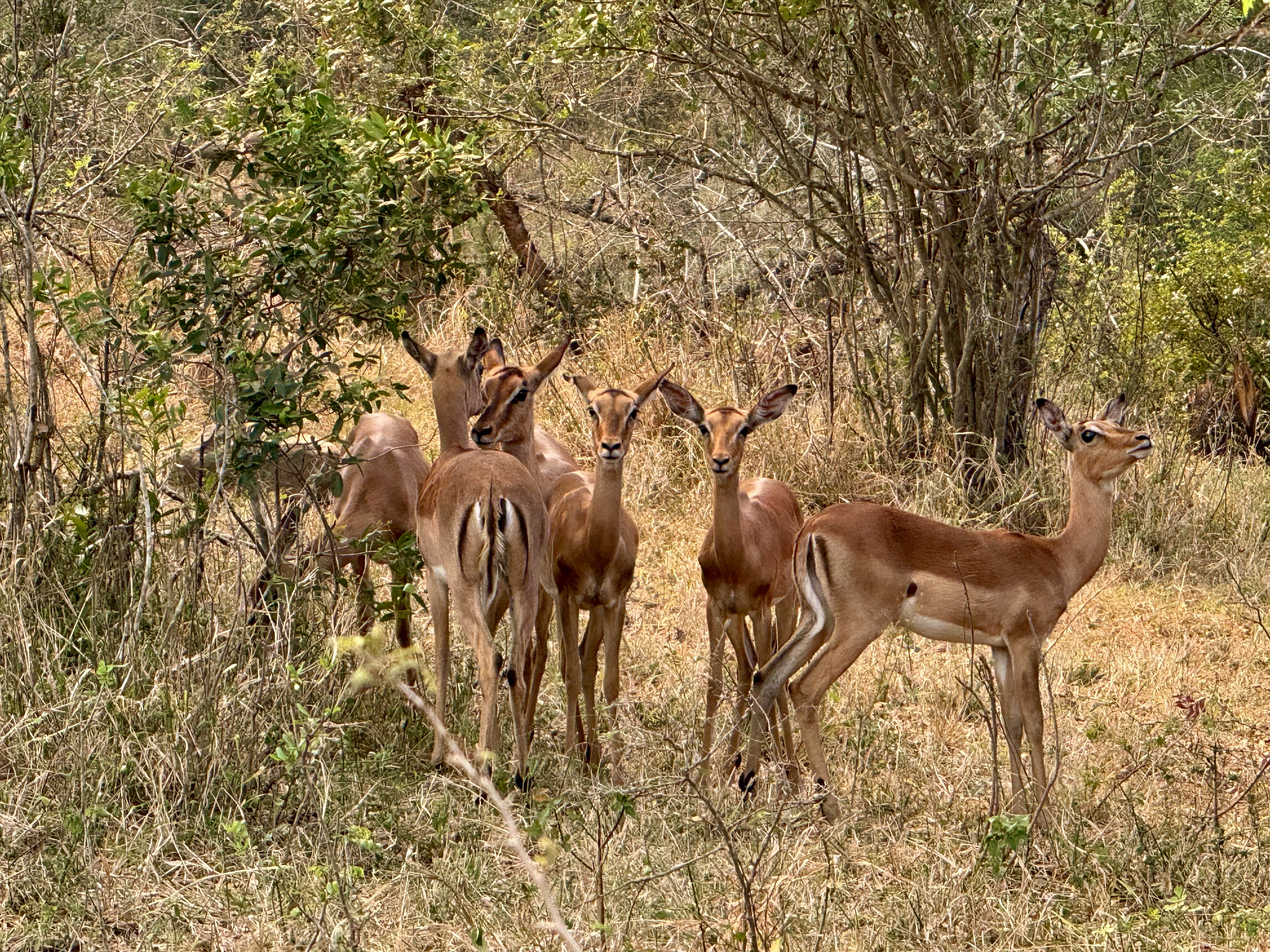
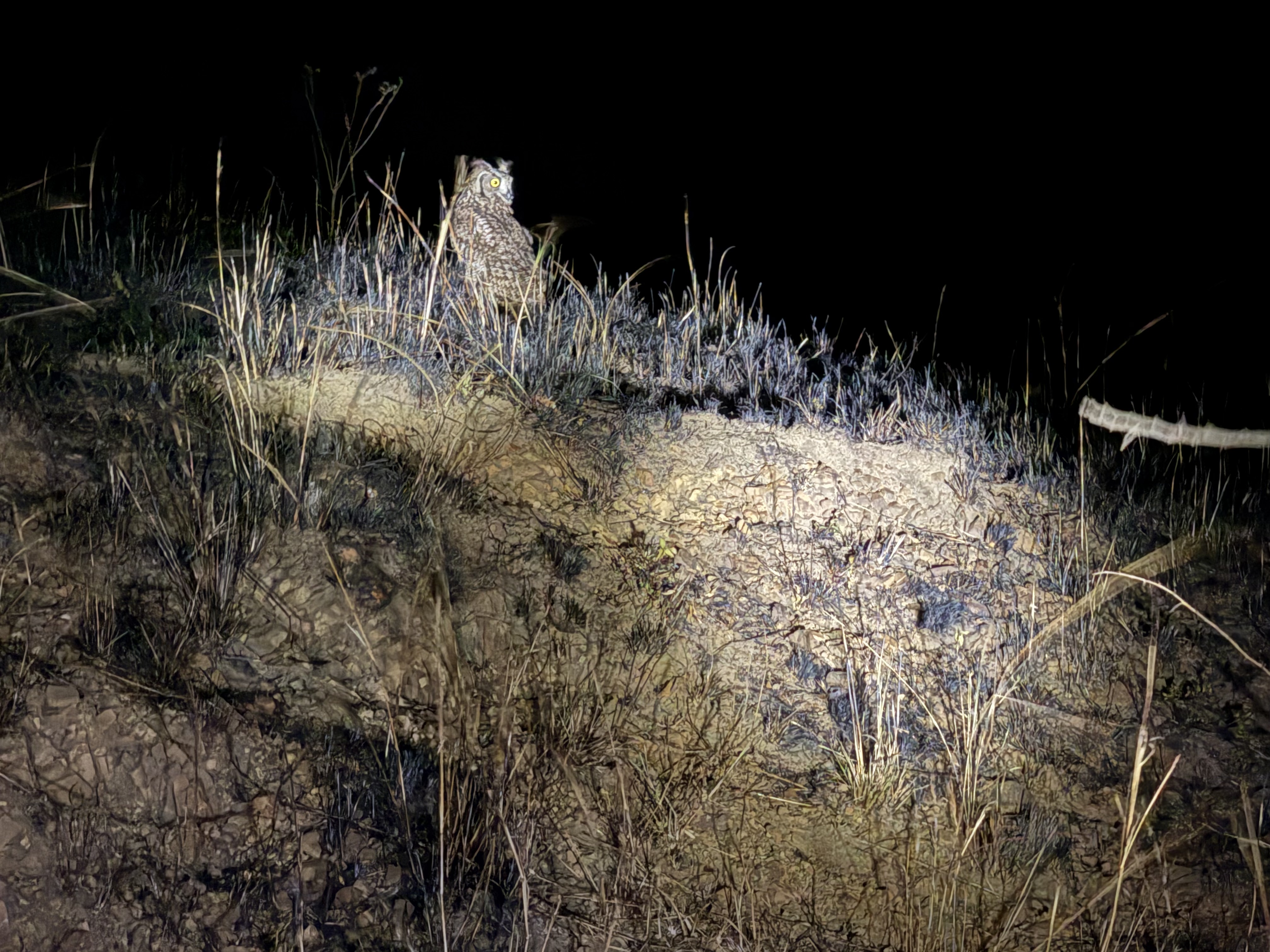
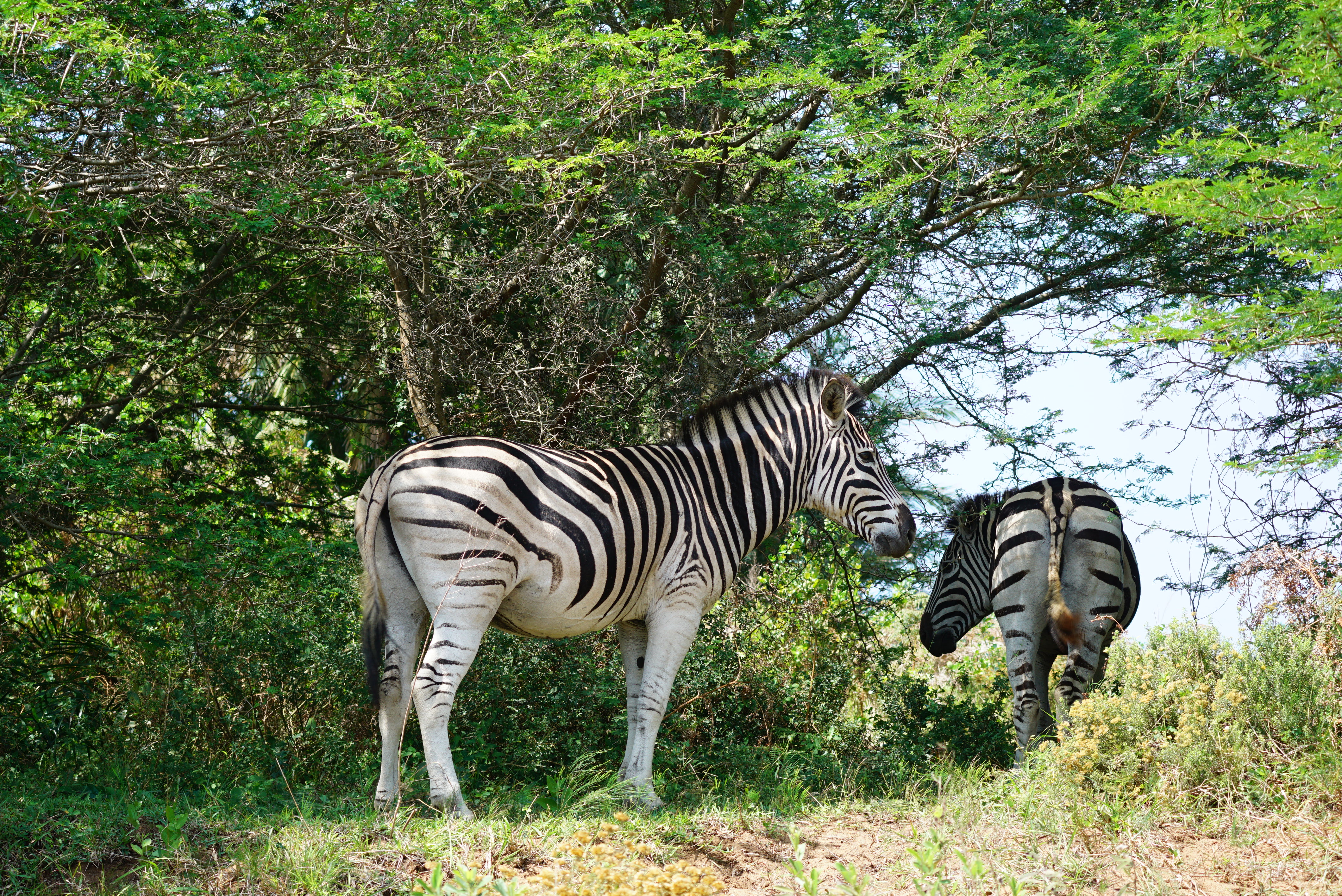
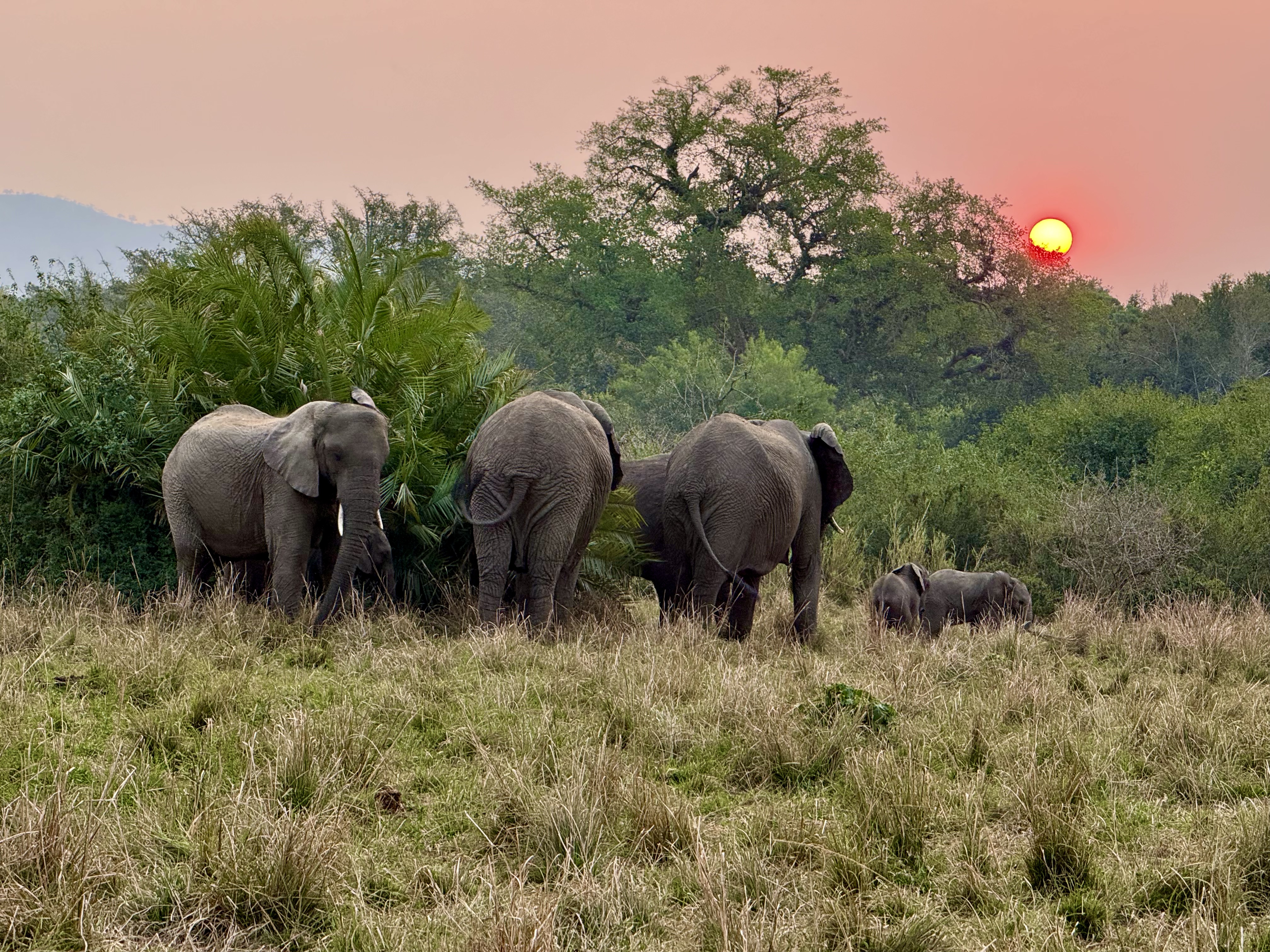
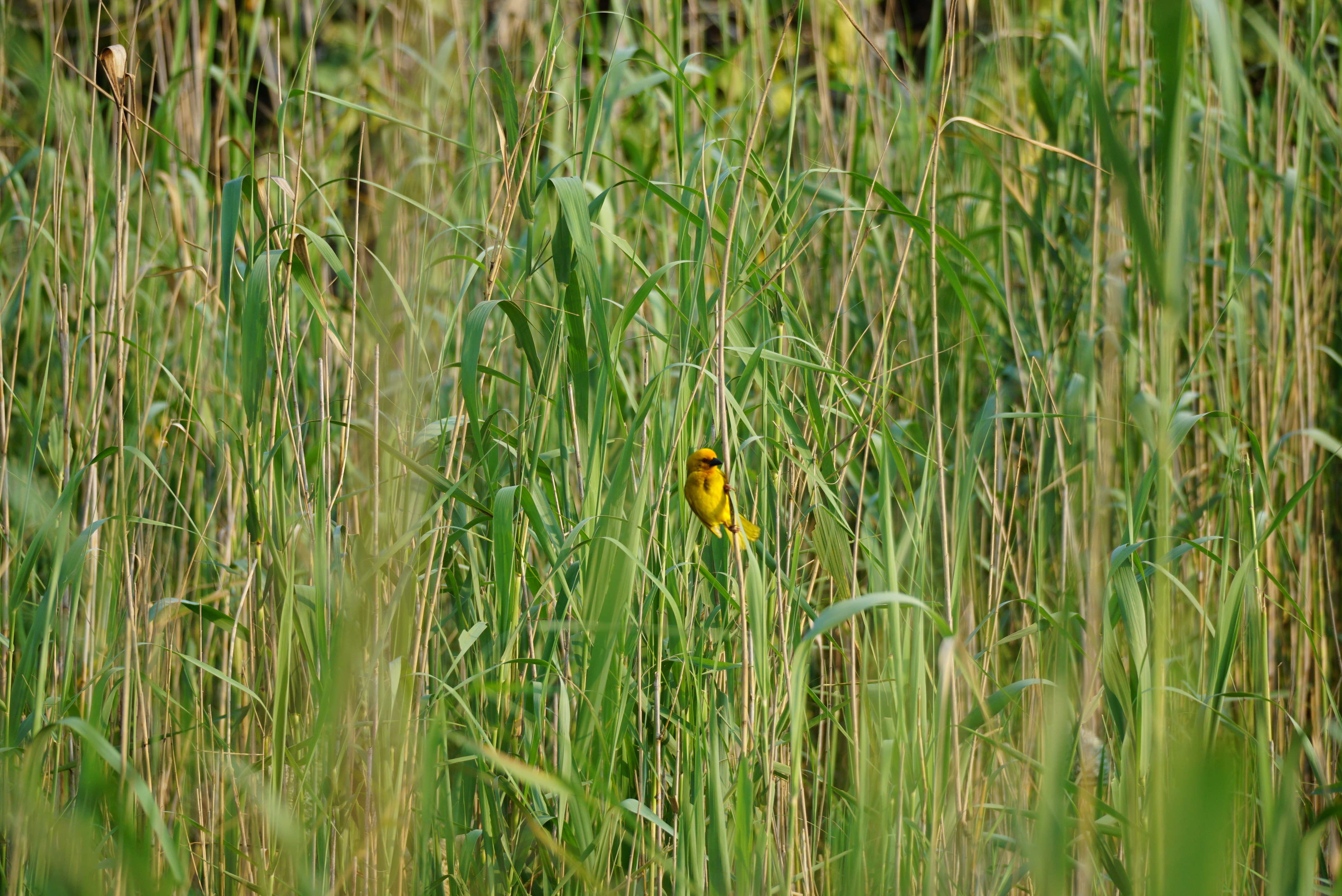
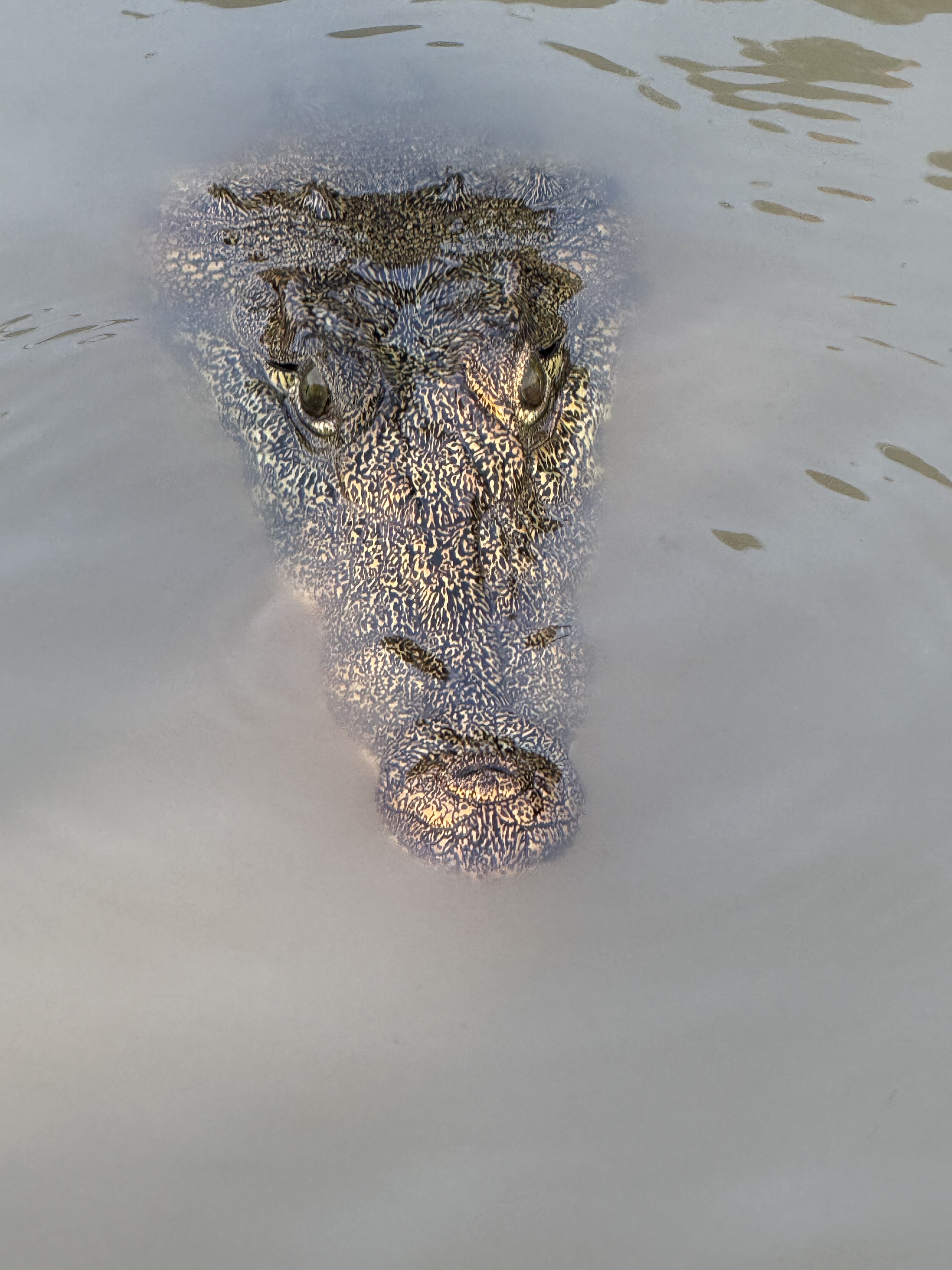
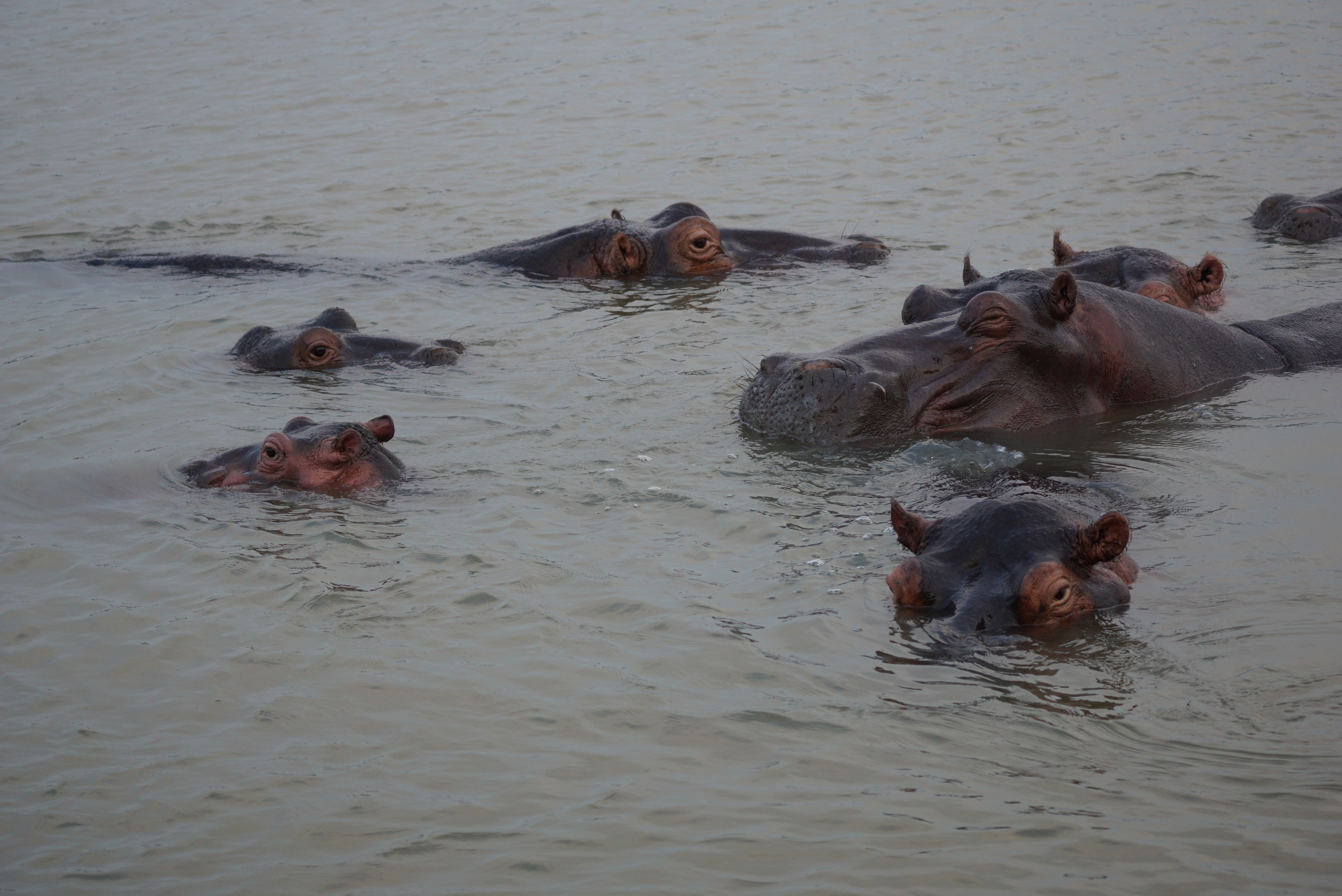
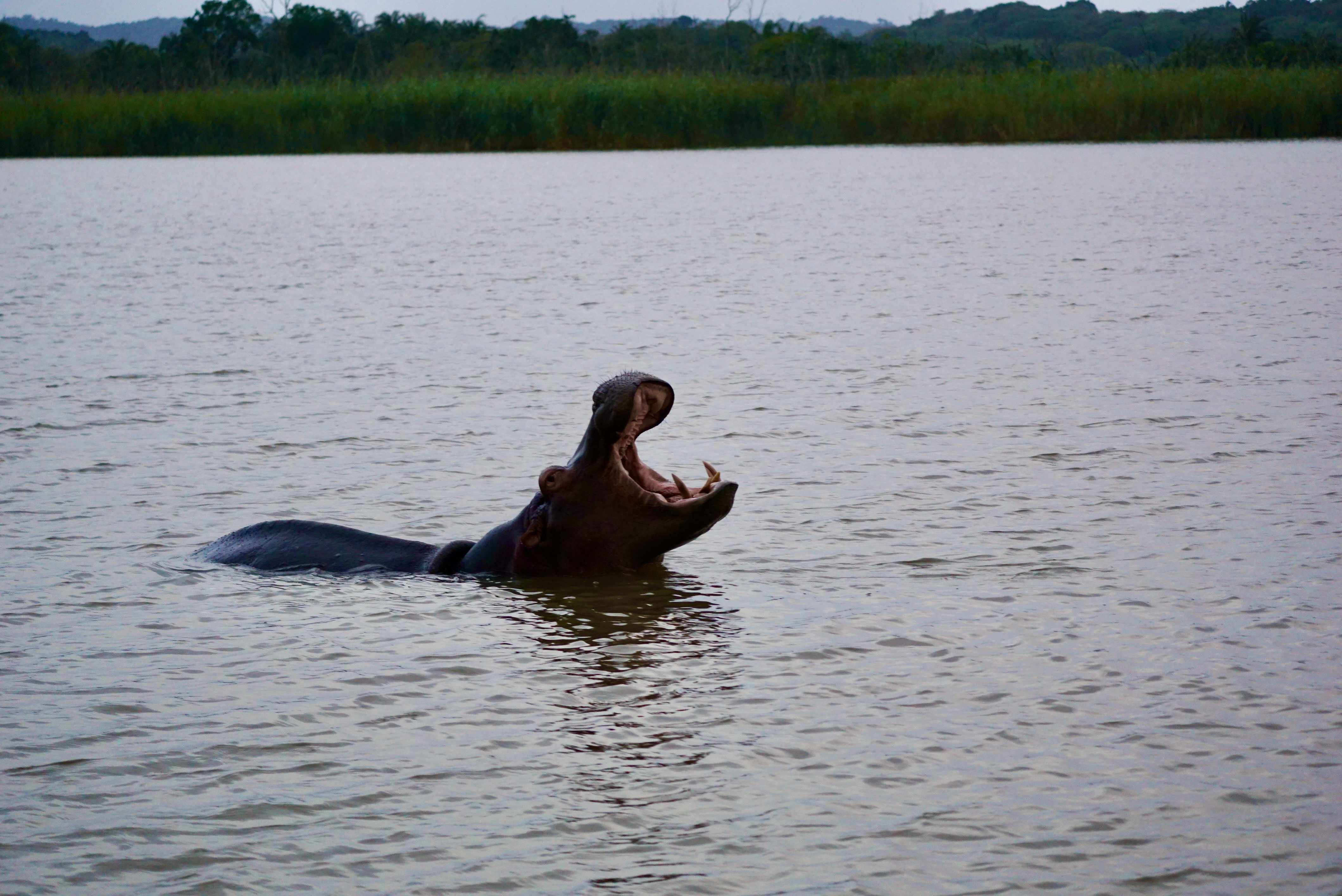
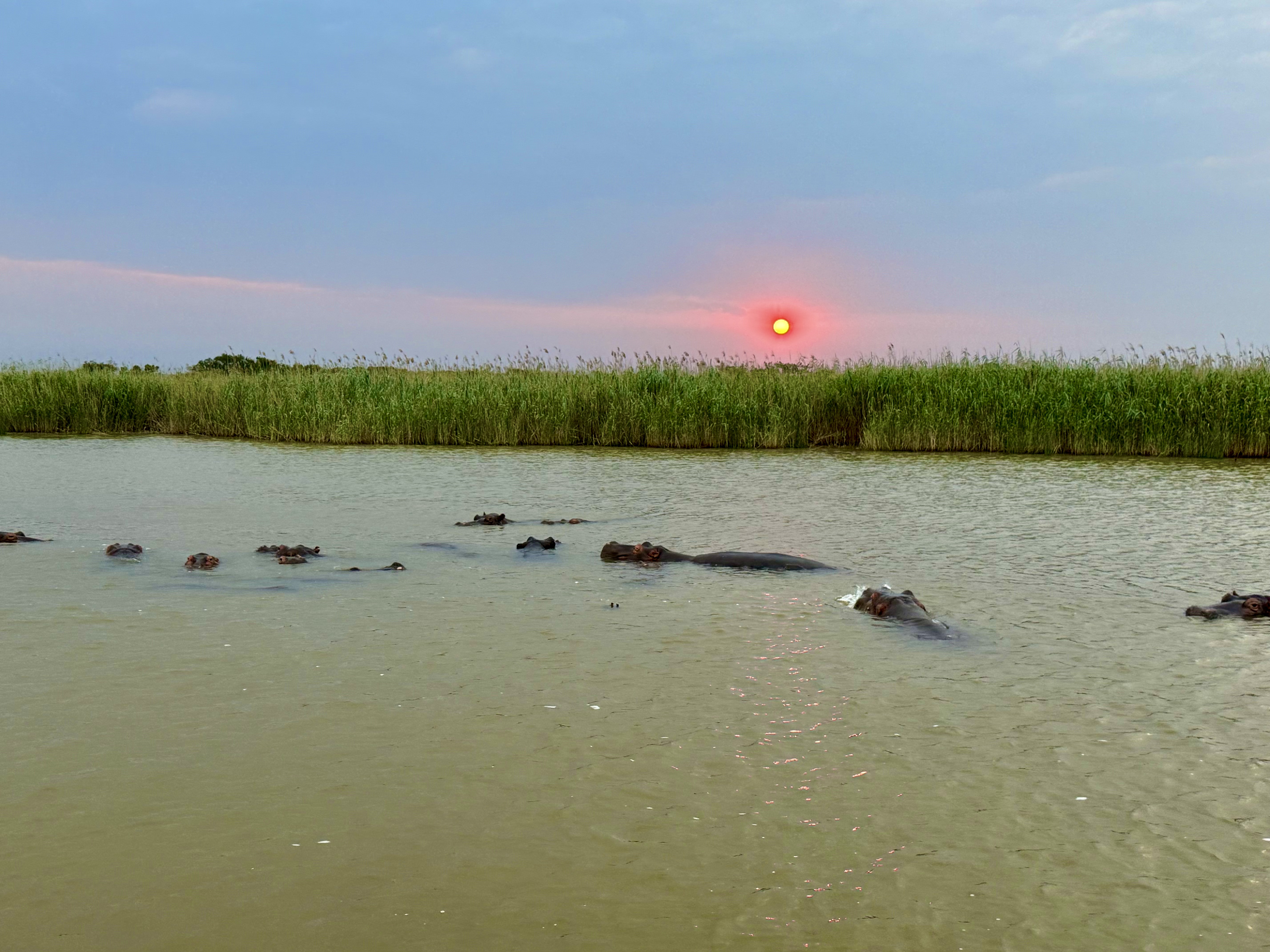
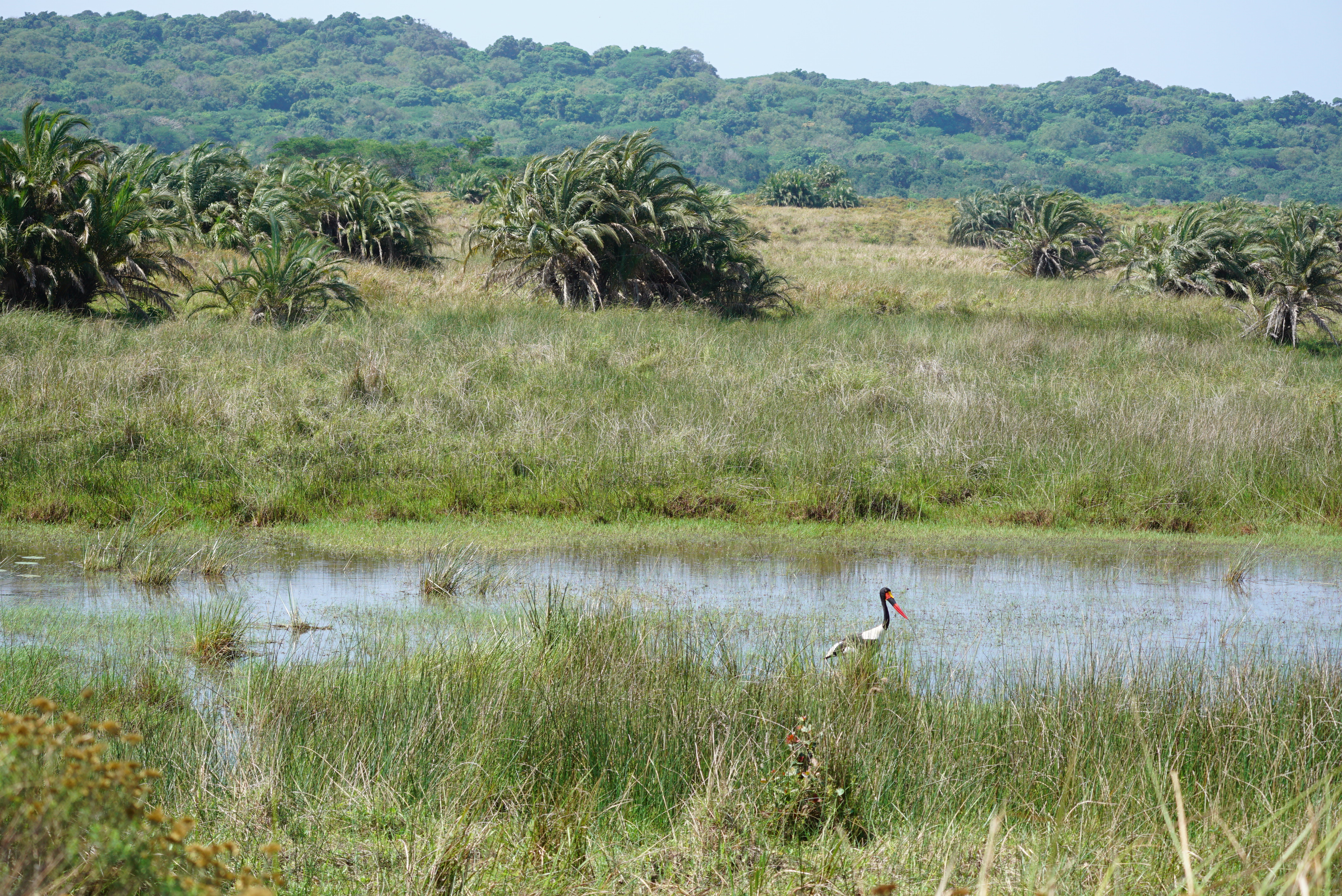
From Hluhlewe (which is simply impossible to pronounce) -Imfolozi, I traveled from the savannah to the wetlands of Ismanigliso Wetlands Reserve, another Ezemvelo KNZ Park, and to St. Lucia. St. Lucia is the only town where hippos walk through the streets after dark and warthogs walk through regardless of the time of day. Signs are posted throughout the city warning people about the hippos. These very large thick-skinned creatures kill more people in Africa than any other animal. They look harmless until they open their giant jaws with incisors up to 15 inches that can crush a person’s skull in one clamp. They can also run surprisingly fast; they aren’t animals one wants to mess with. The town is situated on a wetlands estuary and crocodile and hippo boat tours are available from a number of agencies. On the one I took, we saw both of those animals as well as at least fifty weavers, small yellow-bellied weavers that build hanging nests in the reeds. These weren’t the only avians sighted, but they were definitely the most numerous.
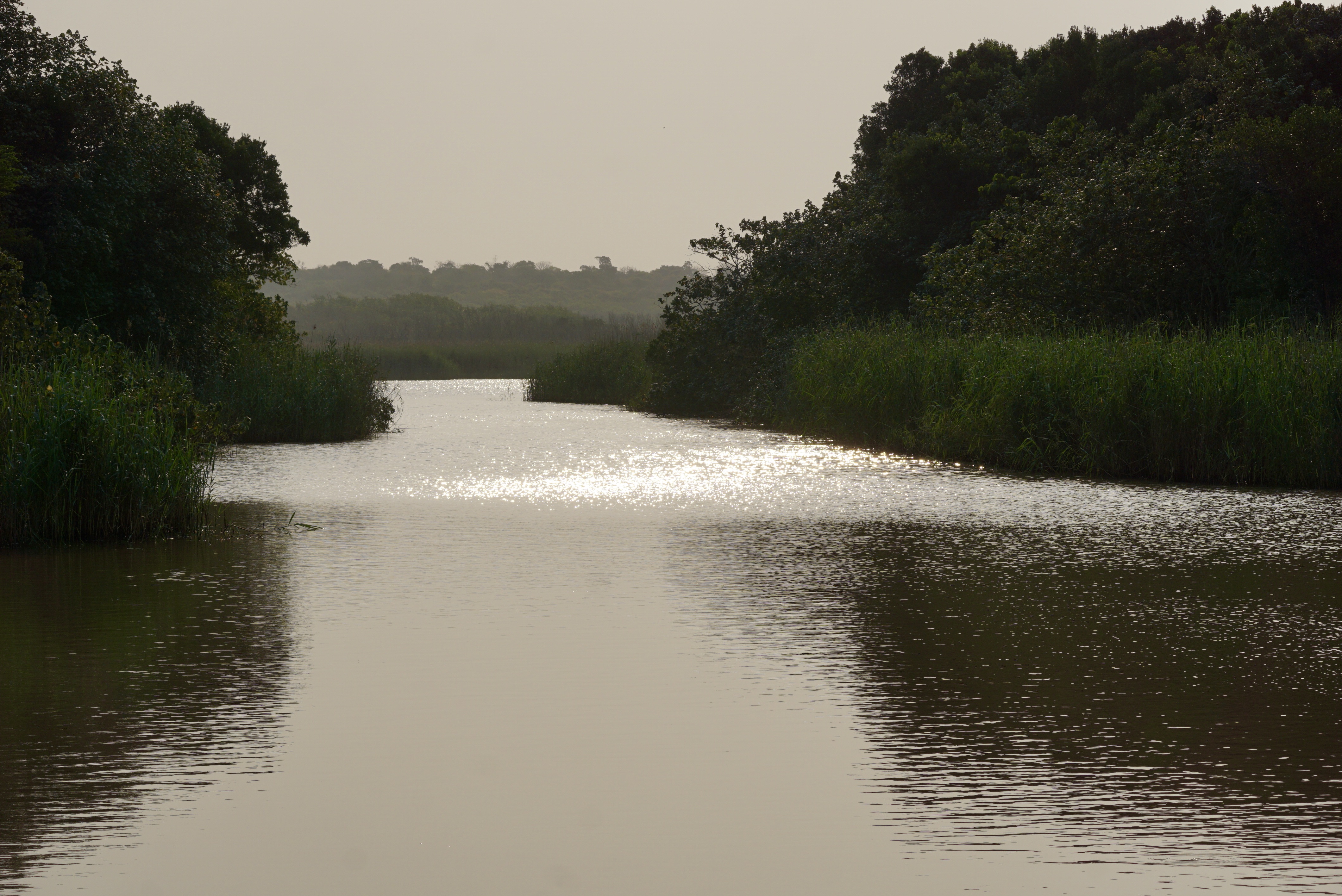

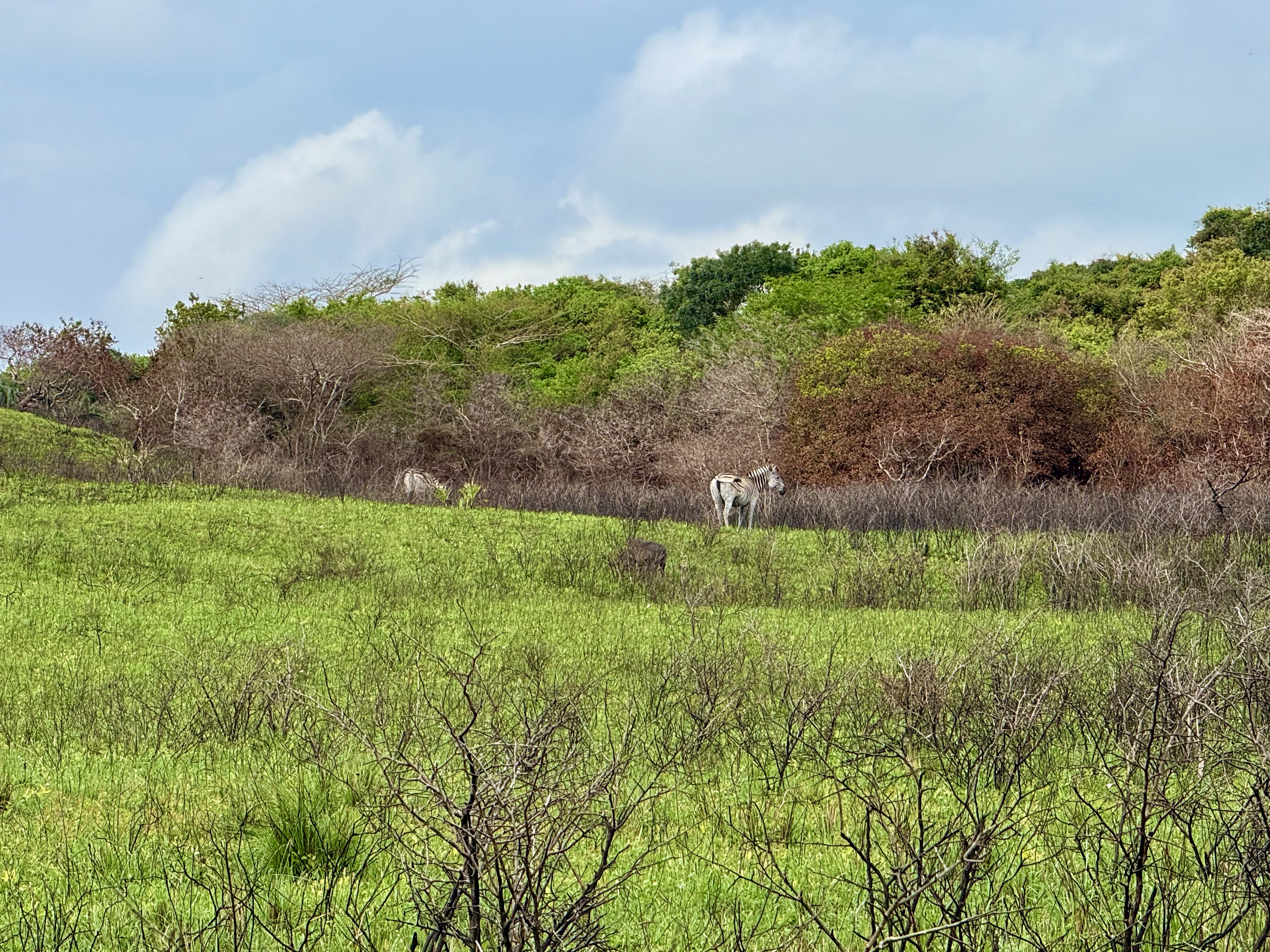
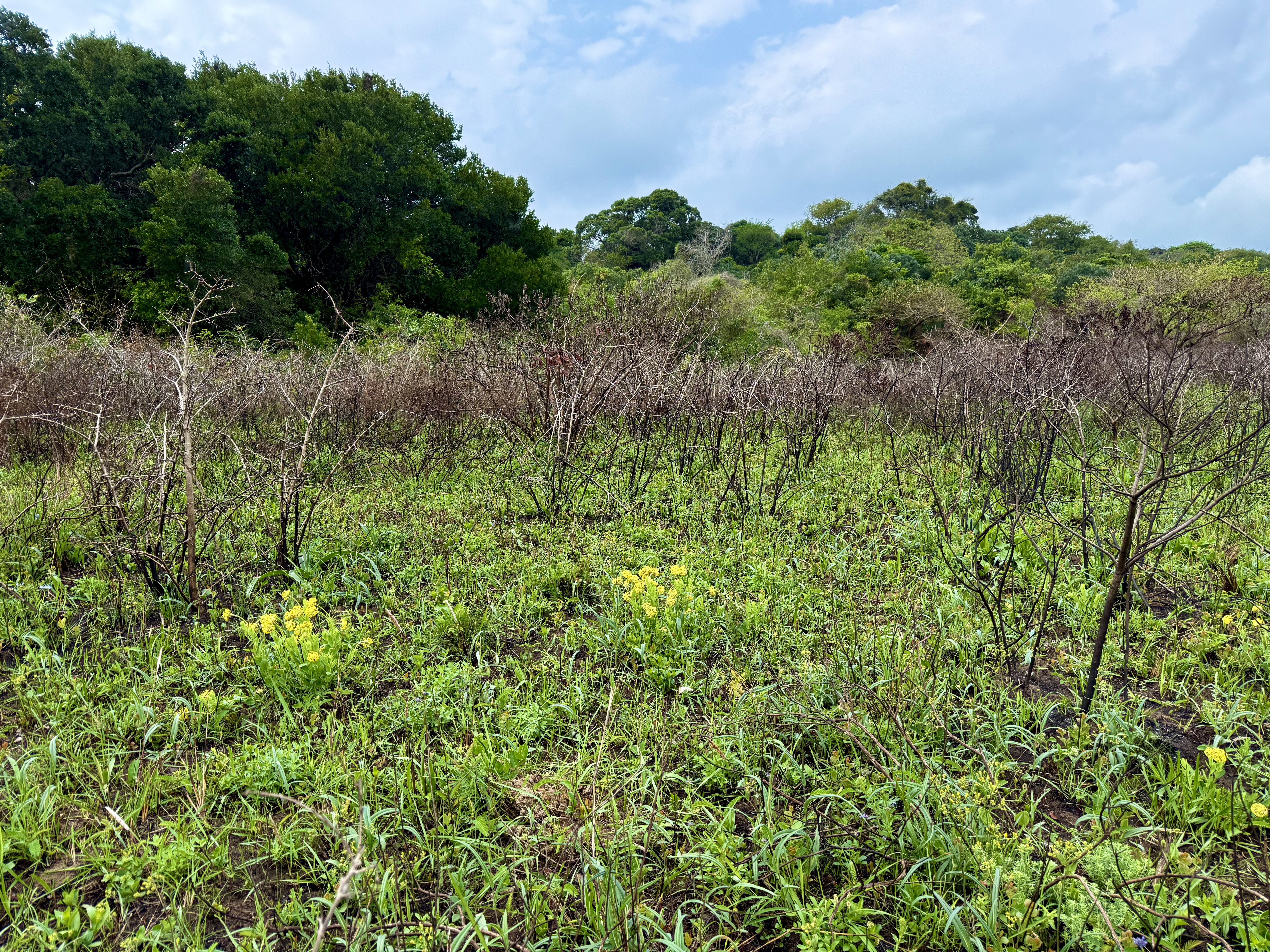
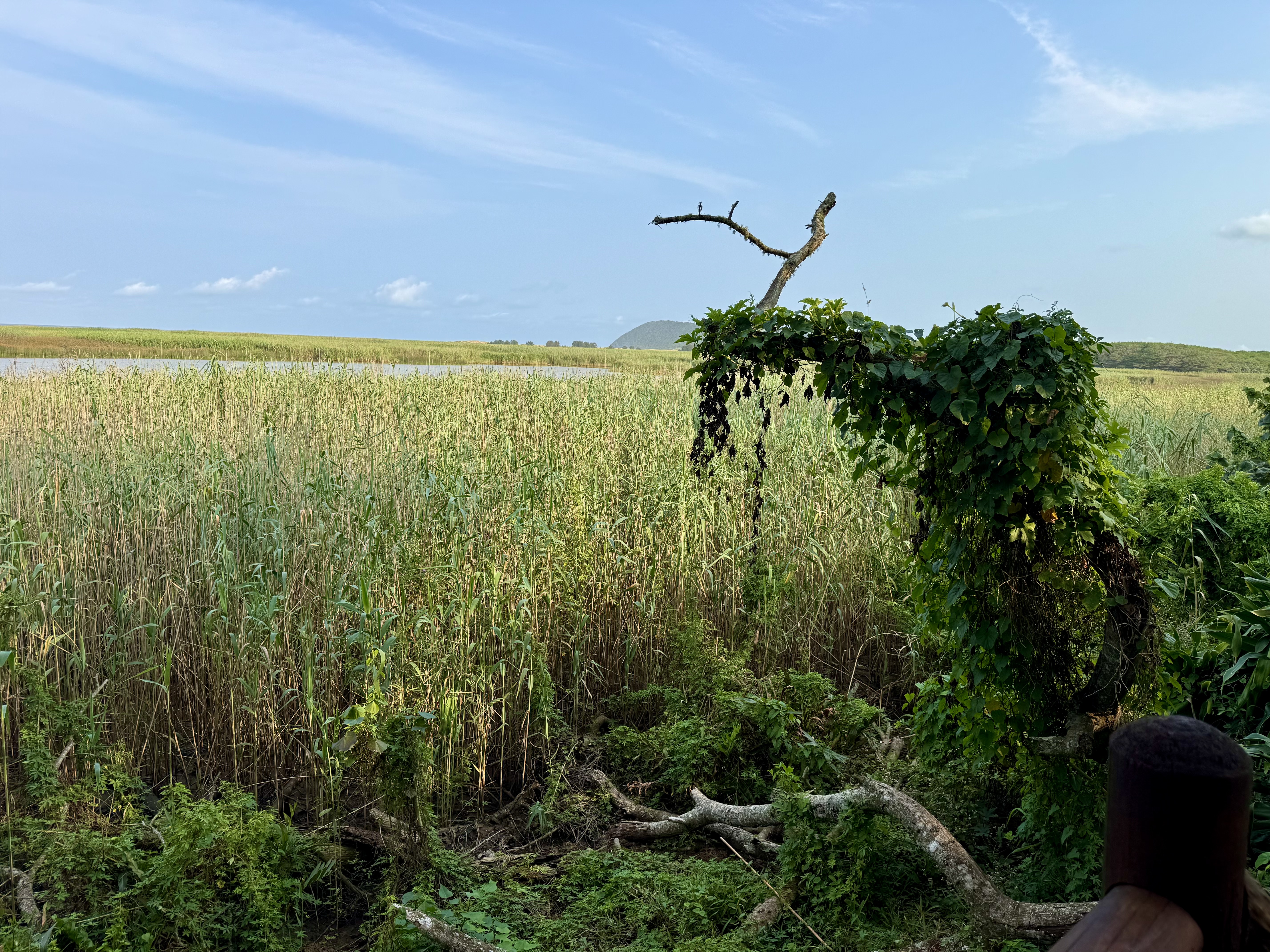
The next morning, I felt I needed to really walk as I’d spent so much time over the previous days in a car, so I ventured out onto the walking paths in the wetlands reserve to see what I could see. The path is almost flat but does traverse a few different habitats, from swampy areas to more forest-like sections. The beginning of the walk went through a recently controlled burned area. Green shoots and grasses appeared from the blackened burnt earth. I later asked when the burn took place and was told it was about three weeks prior. The grasses grow very quickly here as elsewhere, without so much ground water, they wouldn’t appear as rapidly.
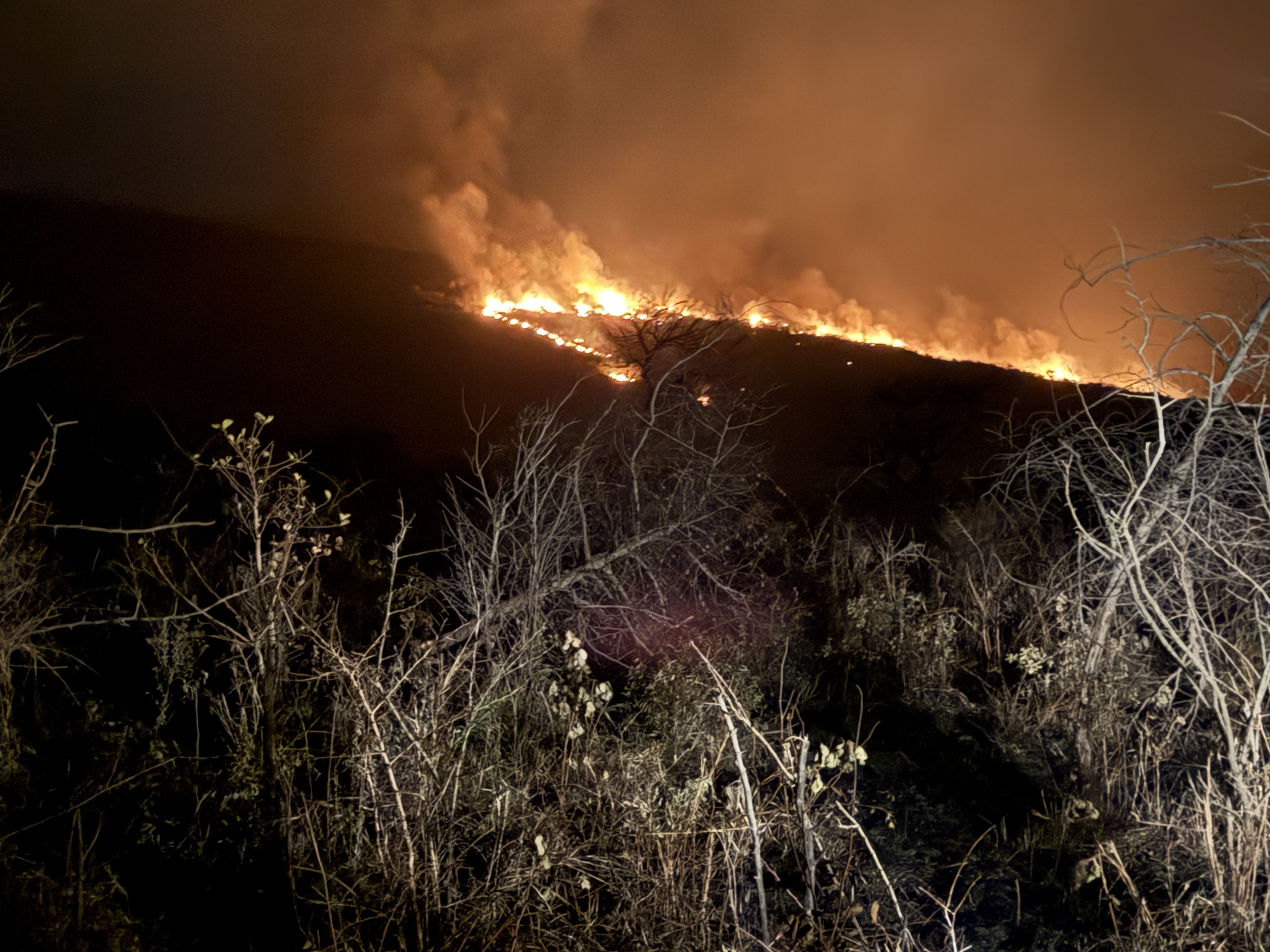
My first confrontation with the controlled burns in Kwazulu-Natal was as I entered Hluhlewe-Imofolzi the first time. The air was filled with smoke and many of the hillsides were ablaze. That day and the next, I drove through areas that were still on fire as the flames had apparently jumped from where they were supposed to be to other sections. Large swaths of the hillsides were burnt to a crisp and it was difficult to breathe. The temperature changes when driving near the already burnt areas were dramatic. From one minute to the next, I needed either a fleece or a light t-shirt. The guided game drives during the day were cancelled due to the fires and smoke. As I traveled around the province, I saw that the controlled burns weren’t just happening in H-I, but almost everywhere. The entire province is ablaze in September.


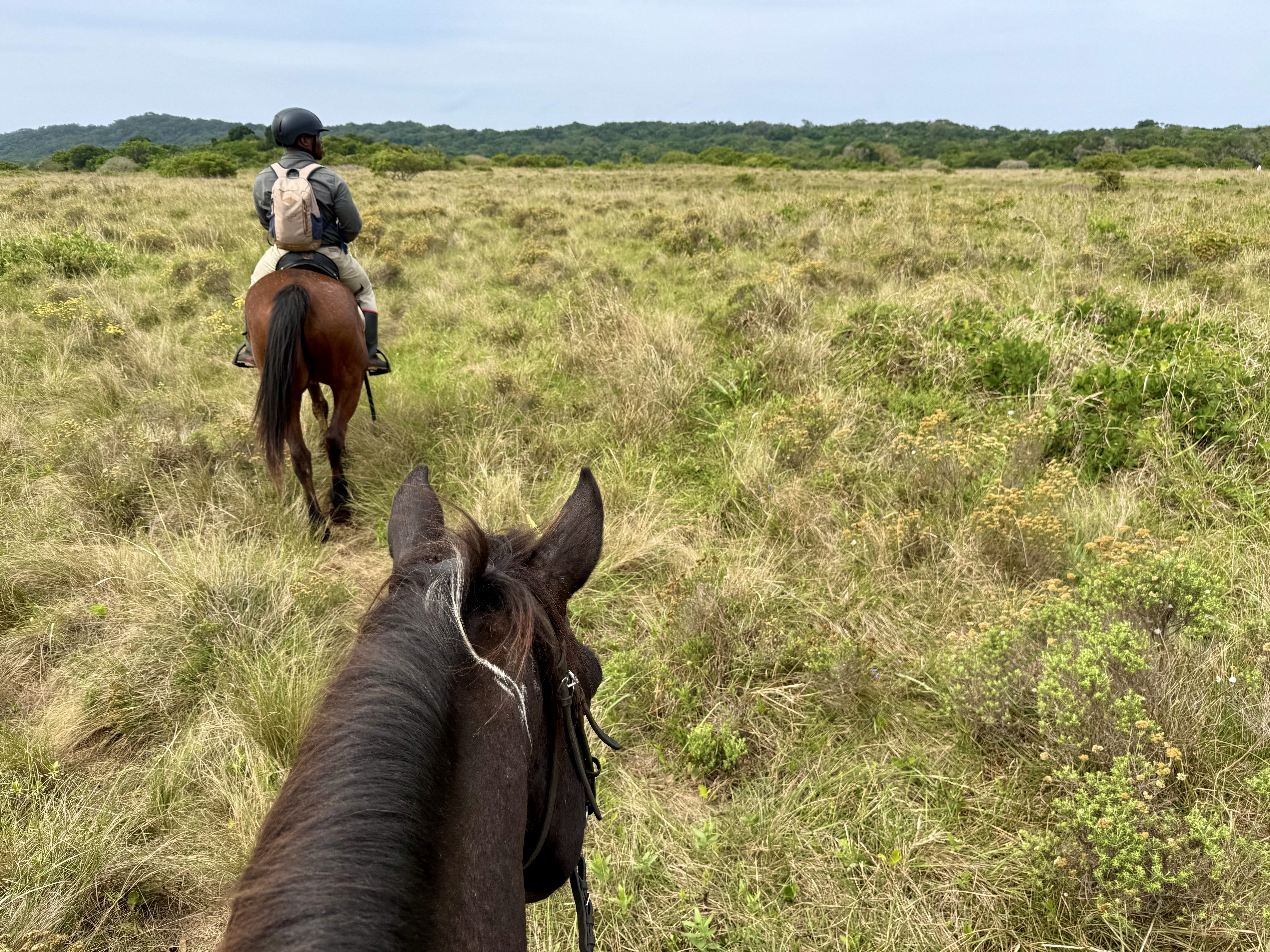
During the walk, I saw a sign by a road that mentioned a stable, so I detoured to find it. One of the staff there said that I could go on a one-hour ride at 1pm. I walked back to the B & B to get some money and returned in time for the ride. We basically went not too far from where I had walked, but it was good to learn about some of the flora in these wetlands, which were poisonous for the wildlife, and which could only grow with sufficient ground water. The horses were well taken care of and live on the wetlands. They are brought into the stables area only when they are saddled up. They are grain-fed once a day in addition to the grasses they eat while grazing. There are no foals, so the crocodiles and hyenas leave the horses alone. I counted about 15 horses near the stables, but there could well be more I didn’t see. On both the walk and ride, I saw warthogs, zebra, impala and bushbucks. On the ride, I also saw cape buffalo.
After the ride I headed down to Main Beach to see if I could spot a few whales. I did, but they were too far away for a photo. As I still needed to walk some more, I got out the local map with the designated official walking paths and proceeded to complete all the other ones. I finished, after getting a bit lost on one of them, in time for dinner. Once back at the St. Lucia Wetlands Guesthouse, the owner, Colin, arranged for an early morning whale watching tour. Colin and his wife Natalie were delightful hosts. Their guesthouse is beautiful in a parklike setting and the birdsong in the palmtrees in the morning simply fabulous. Natalie and Colin were very helpful and as with Erica27 in Dana Beach, I can heartily recommend this welcoming B&B to anyone visiting St. Lucia.
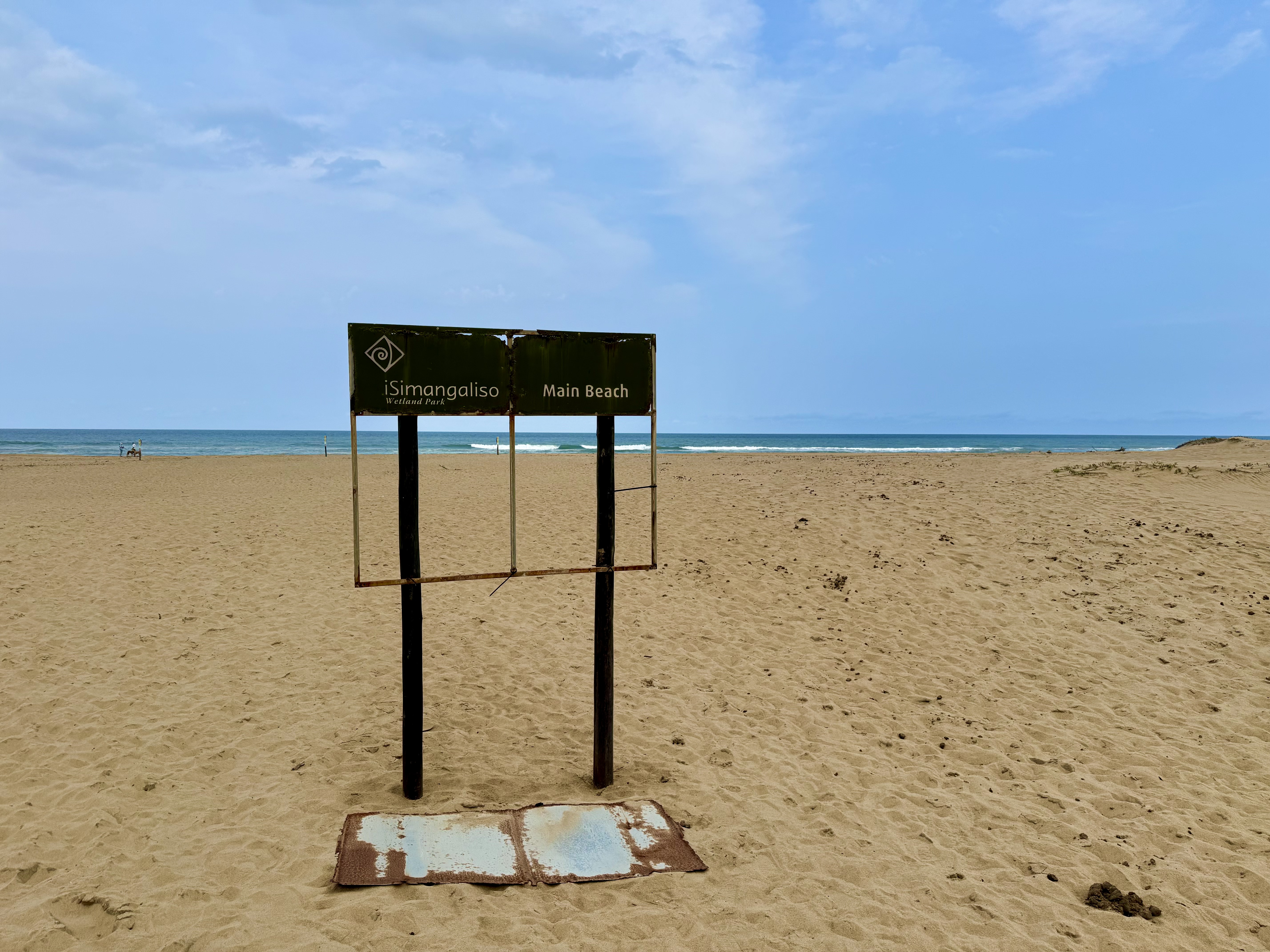
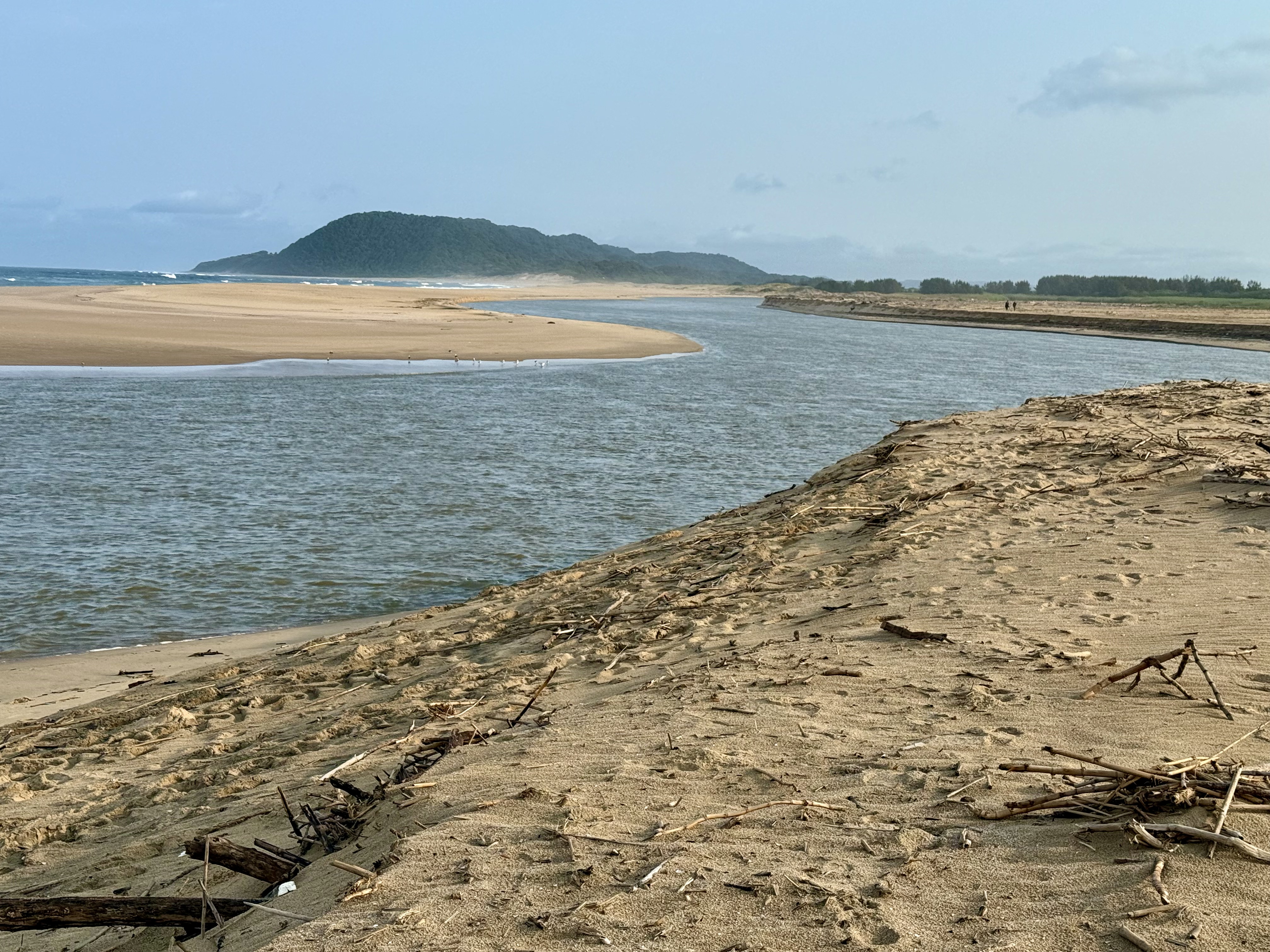
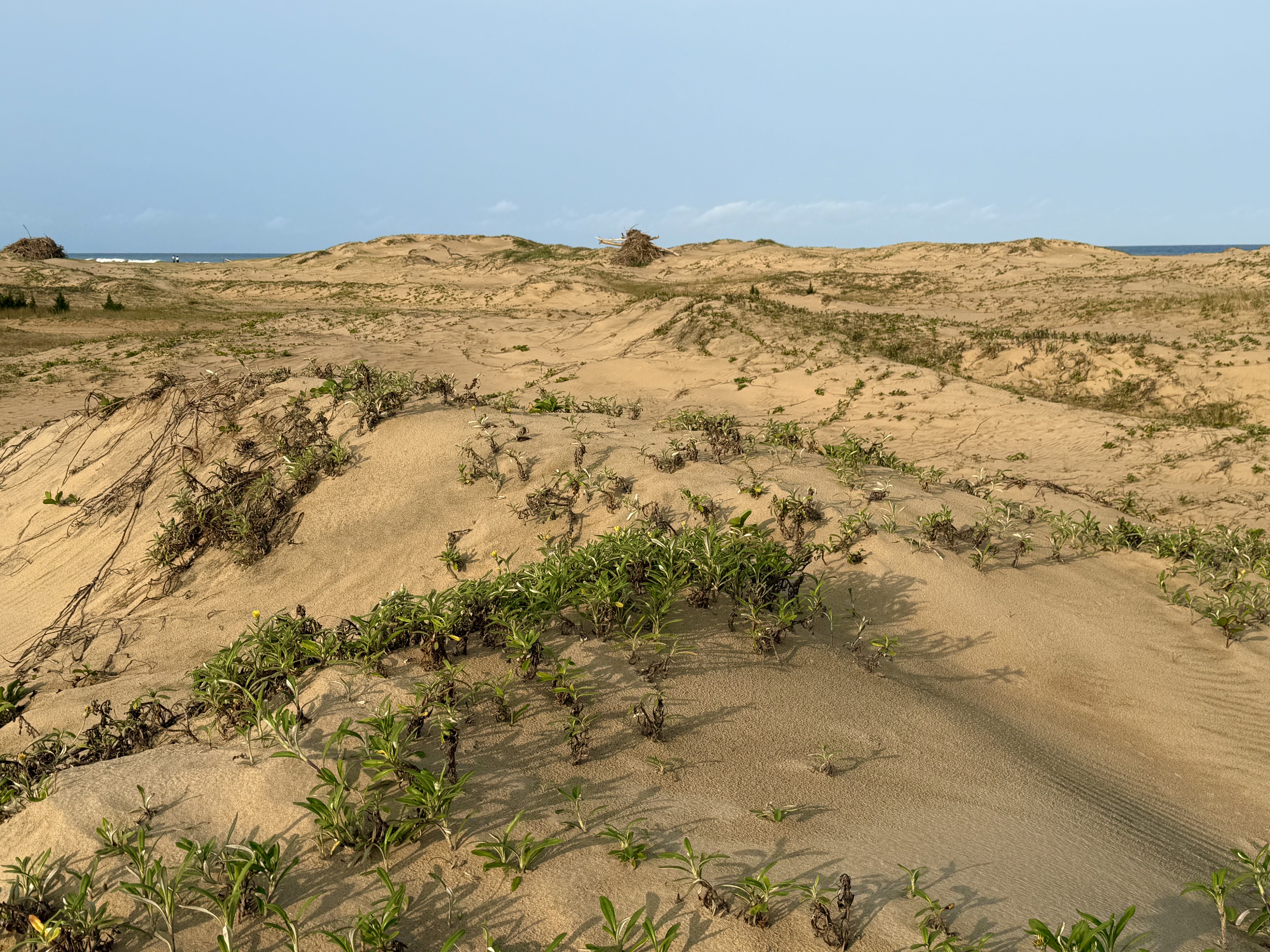
The boat, with whale-watchers safely on board, was pushed into the water from the sandy beach to crash through waves by the shore before it maneuvered further out into the Indian Ocean. During the two-hour tour, we were lucky to spot humpback whales spouting, gliding above the waterline and then gracefully return to the depths. The only breach we saw was as we were returning to shore, and it was too far away for anyone to get a photo. When I arrived back at the B & B, Colin and his wife Natalie, had prepared an amazing breakfast of yogurt, fruits, cheeses and various breads for me. I chose not to add to their work and skipped the eggs and hot breakfast options as I couldn’t possibly consume what was already in front of me.
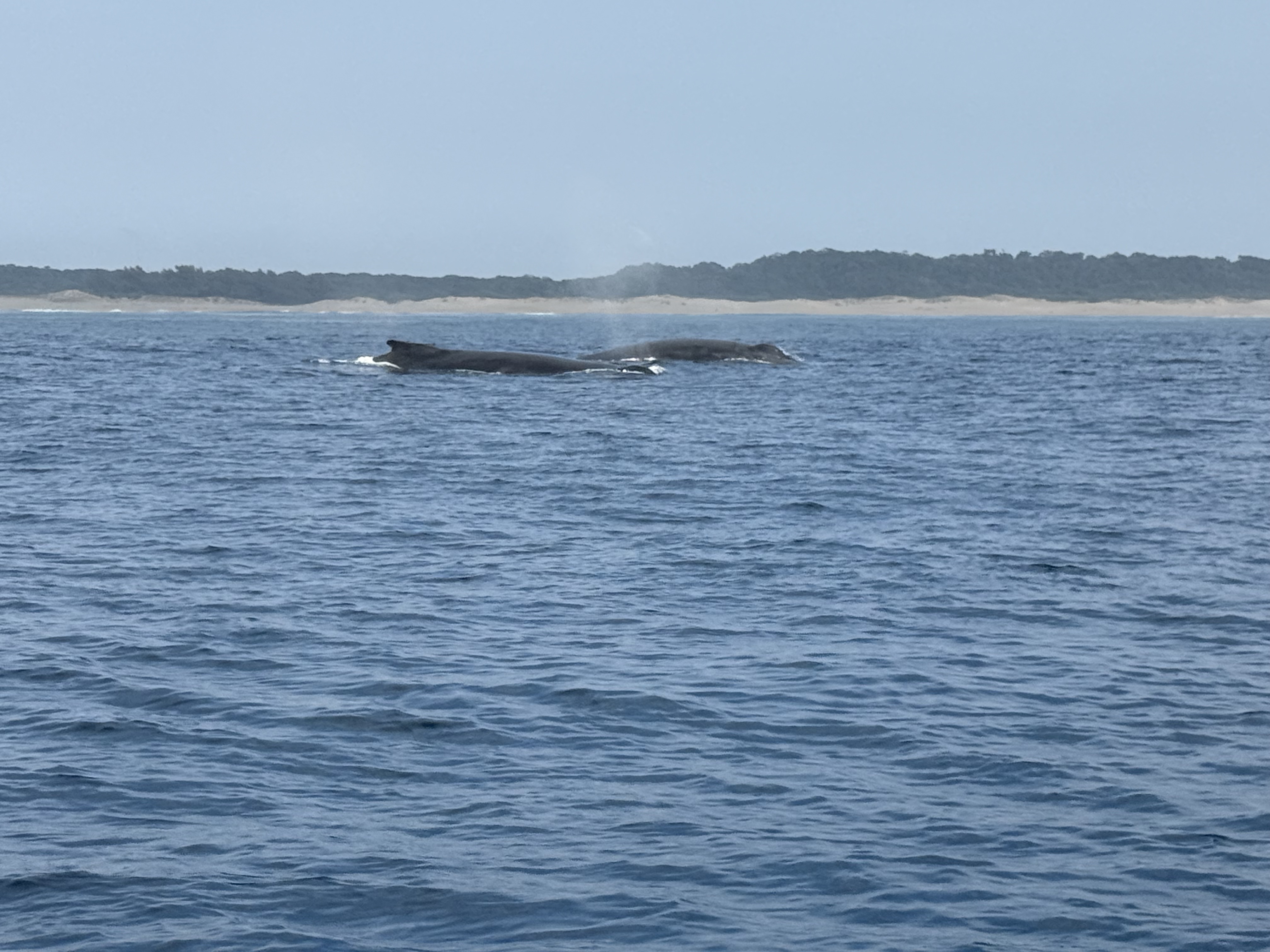
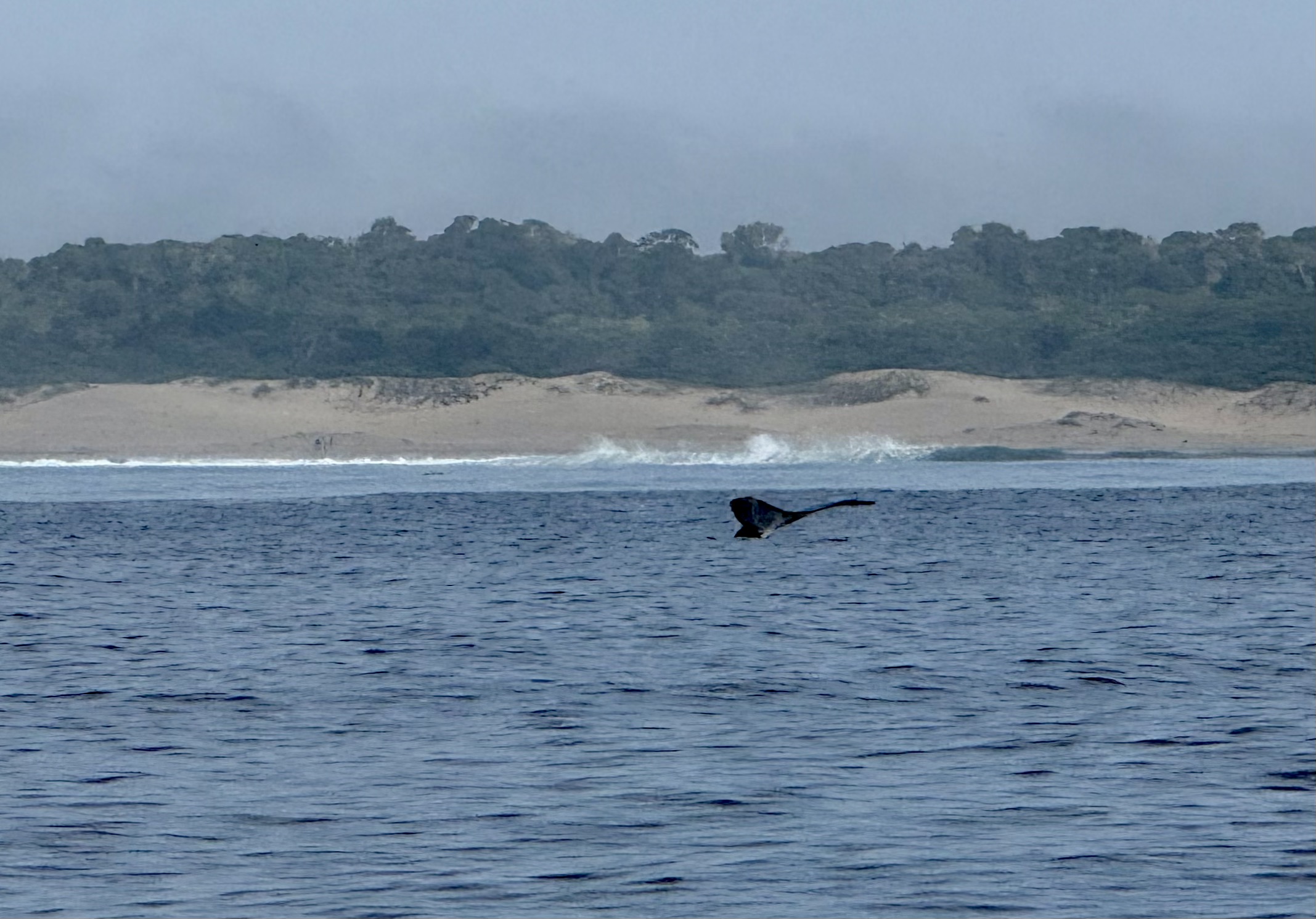
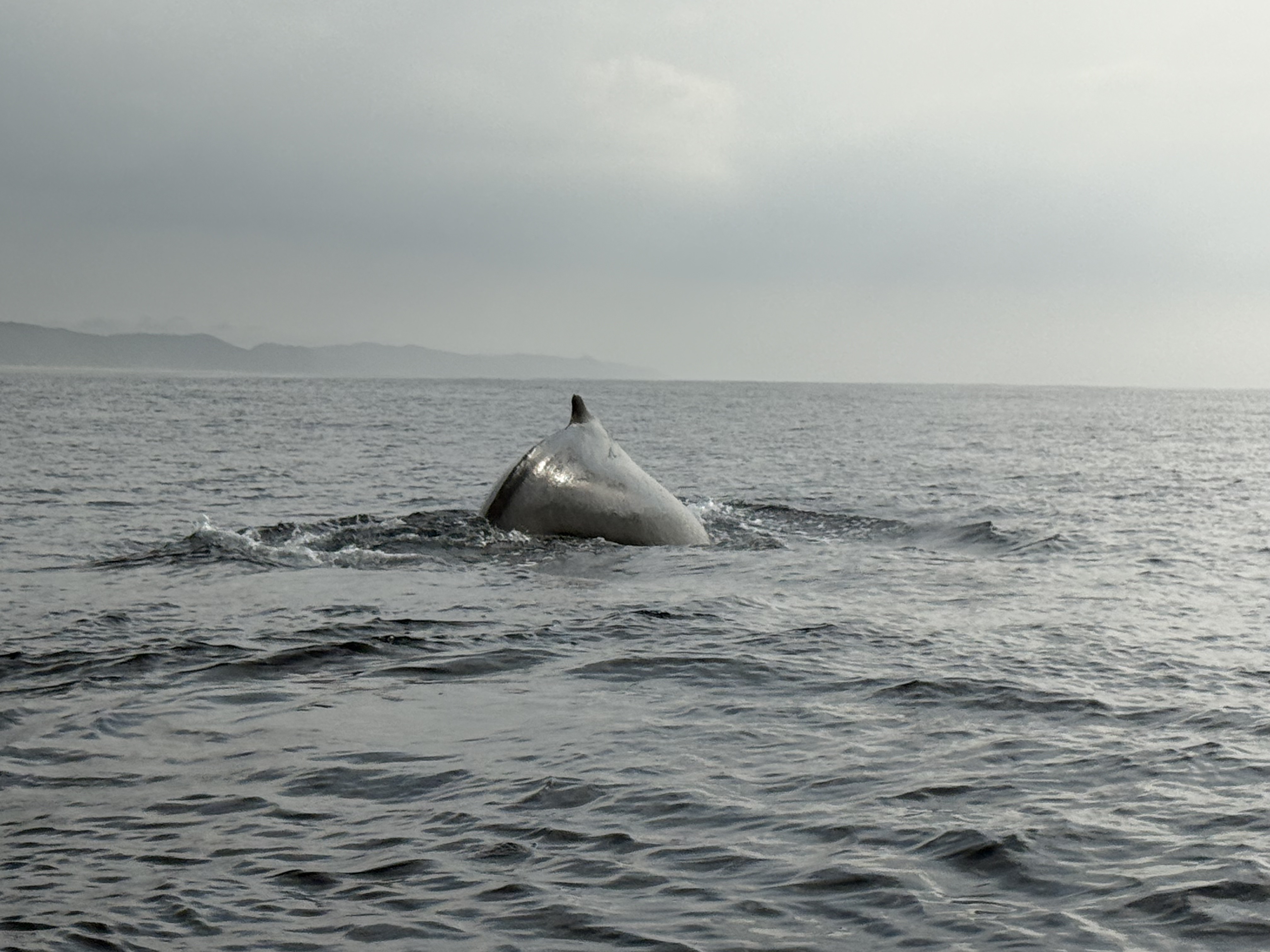
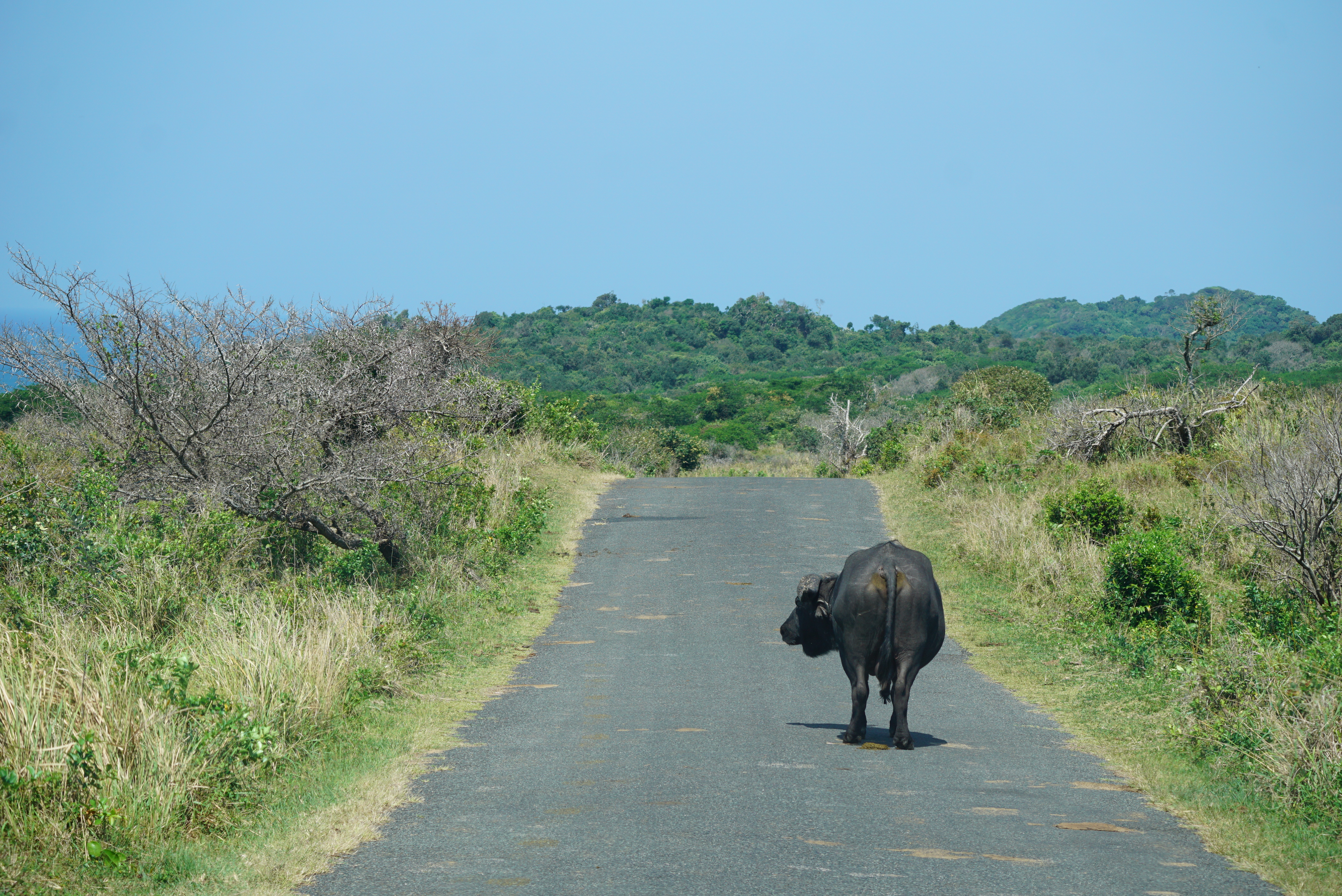
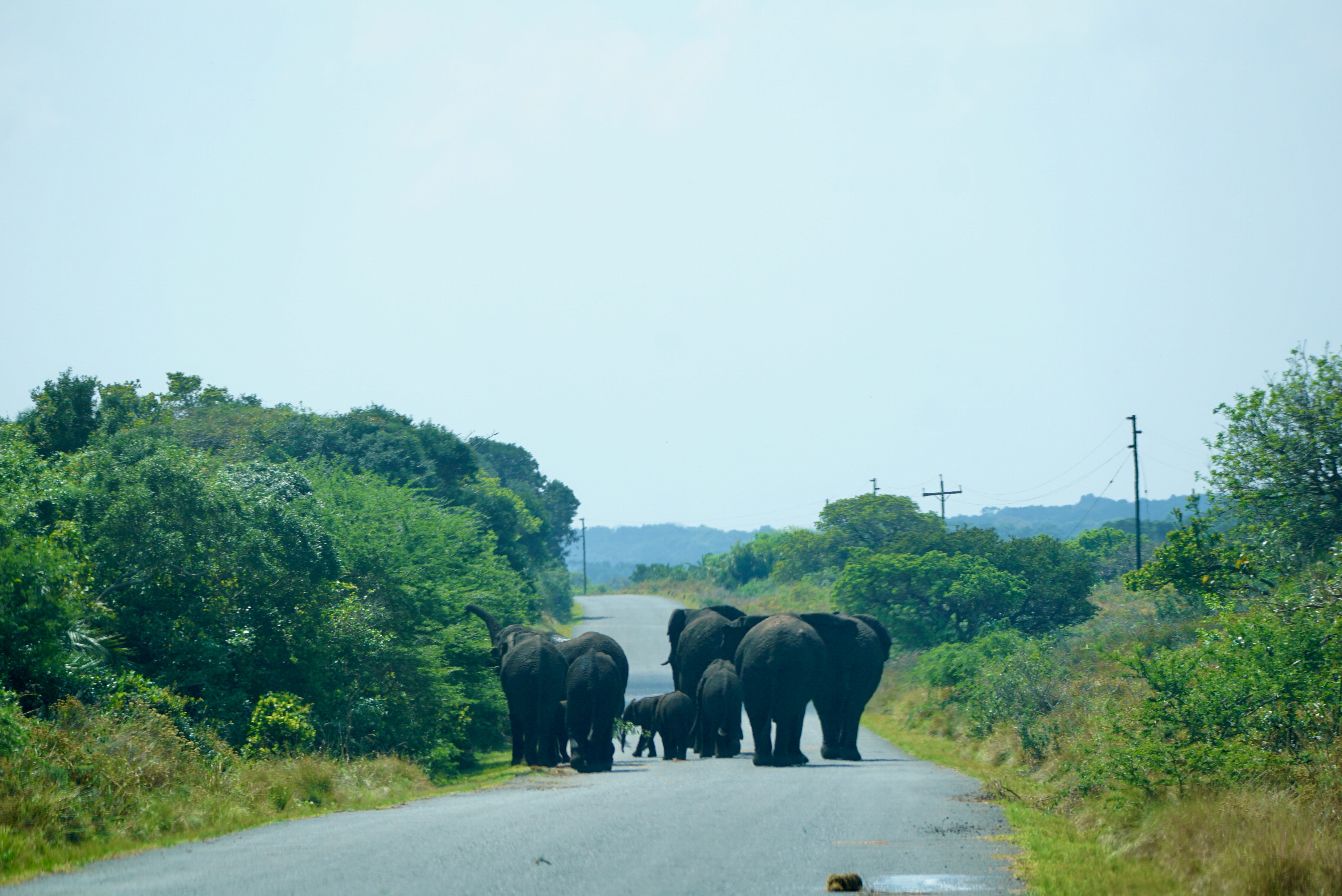
After breakfast I drove to Cape Vidal in the ISimangaliso Wetlands. On the way, I was held up by some unusual traffic jams. Elsewhere in South Africa, I have been held up by trucks, the ubiquitous construction projects, and accidents, and occasionally by sheep and cattle crossing the roads and even national highways, but here I was stopped by a cape buffalo that just wouldn’t move, zebra crossing, nyala jumping across, and finally a herd of elephants complete with babies that were using the tarred road as their path from south to north. The ca. 30 km drive took about two hours. The beach at Cape Vidal had a few people by the shoreline, but no one swimming. This was probably a good thing, as there were signs warning of riptides and sharks. From the shore, I could see more whales.

Colin had suggested that I do a gravel loop road on the way back that went through the wetlands. I was worried about scratching the brand-new rental car, but he said that it shouldn’t be an issue. Well, I think the vegetation has grown since he was there. The acacia needles came fairly close to the sides of the vehicle, but luckily no damage was incurred. This is a path where the ‘road’ goes between two large ponds/lakes; if it rains the path no longer exists. The road is very narrow in this section and there is a sign that says that there could be on-coming traffic for the following 2.6km and that one is not allowed to back up. (Not that I would have been able to anyway…) My panic button was on red for the next few kilometers until the watery areas were behind me and the golden savannah opened up. I clearly wasn’t able to get any photos of this section, which is unfortunate because it was beautiful, but I was too worried about driving to do much else other than keep my eyes peeled to the road.
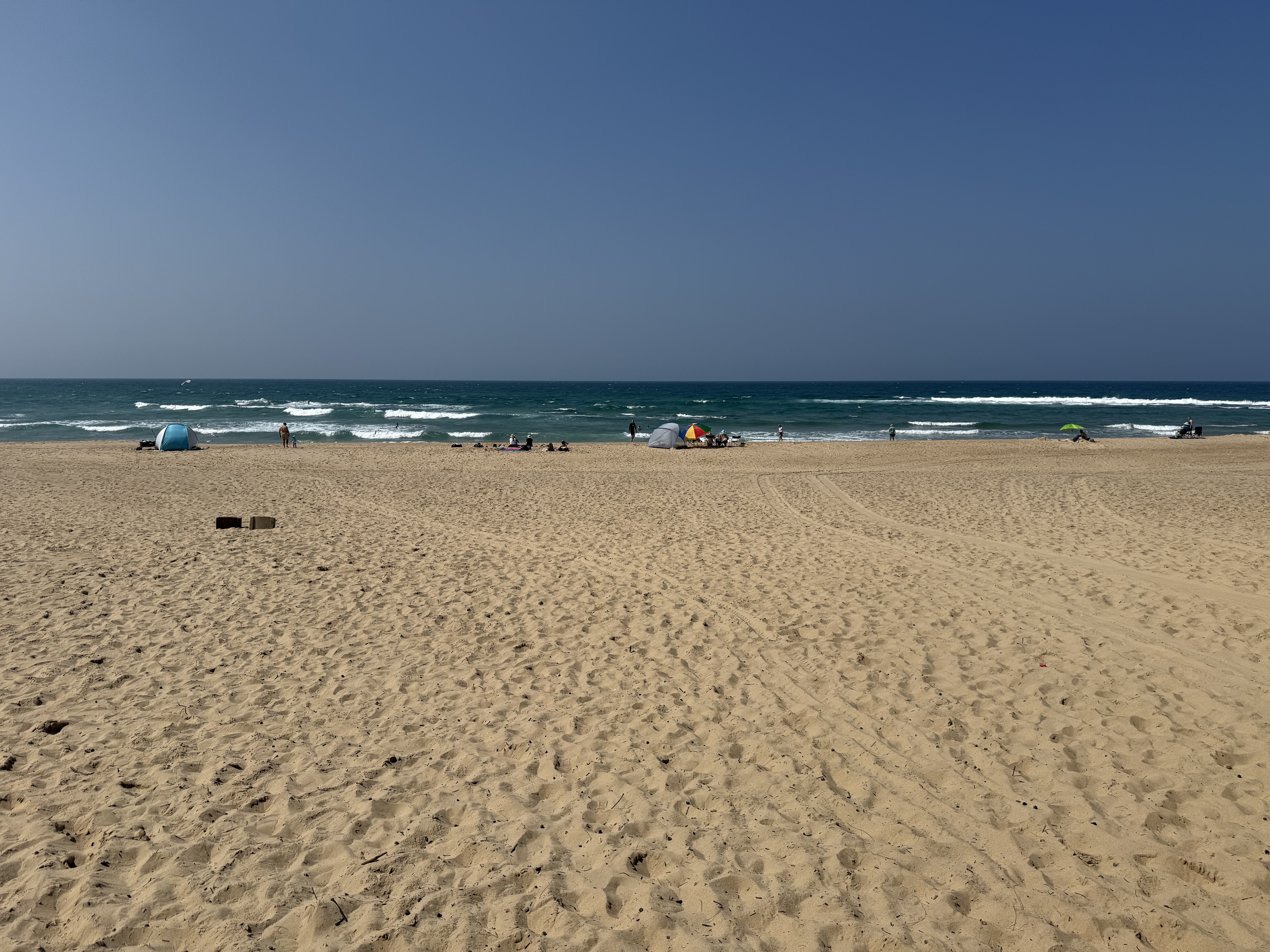

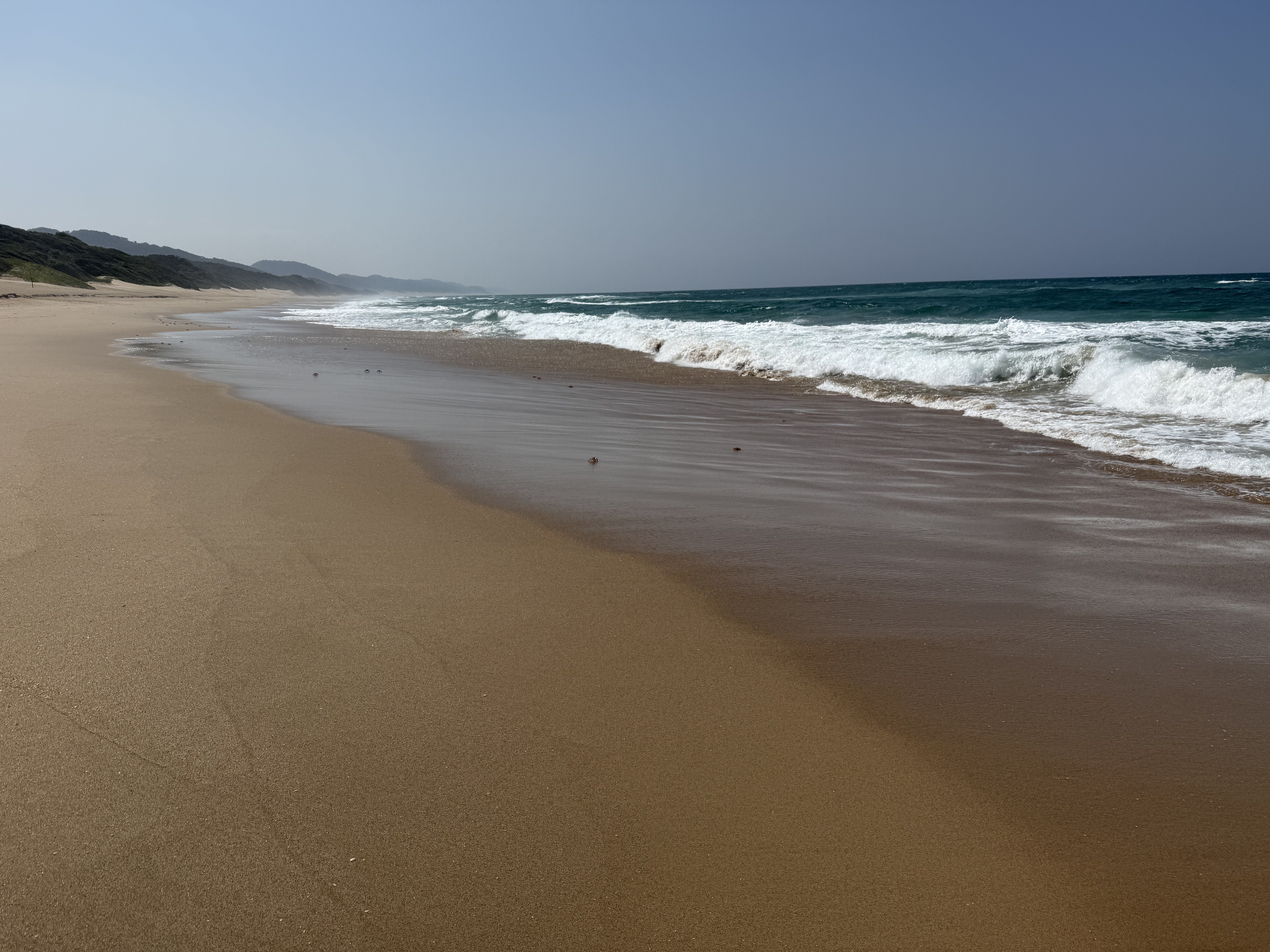
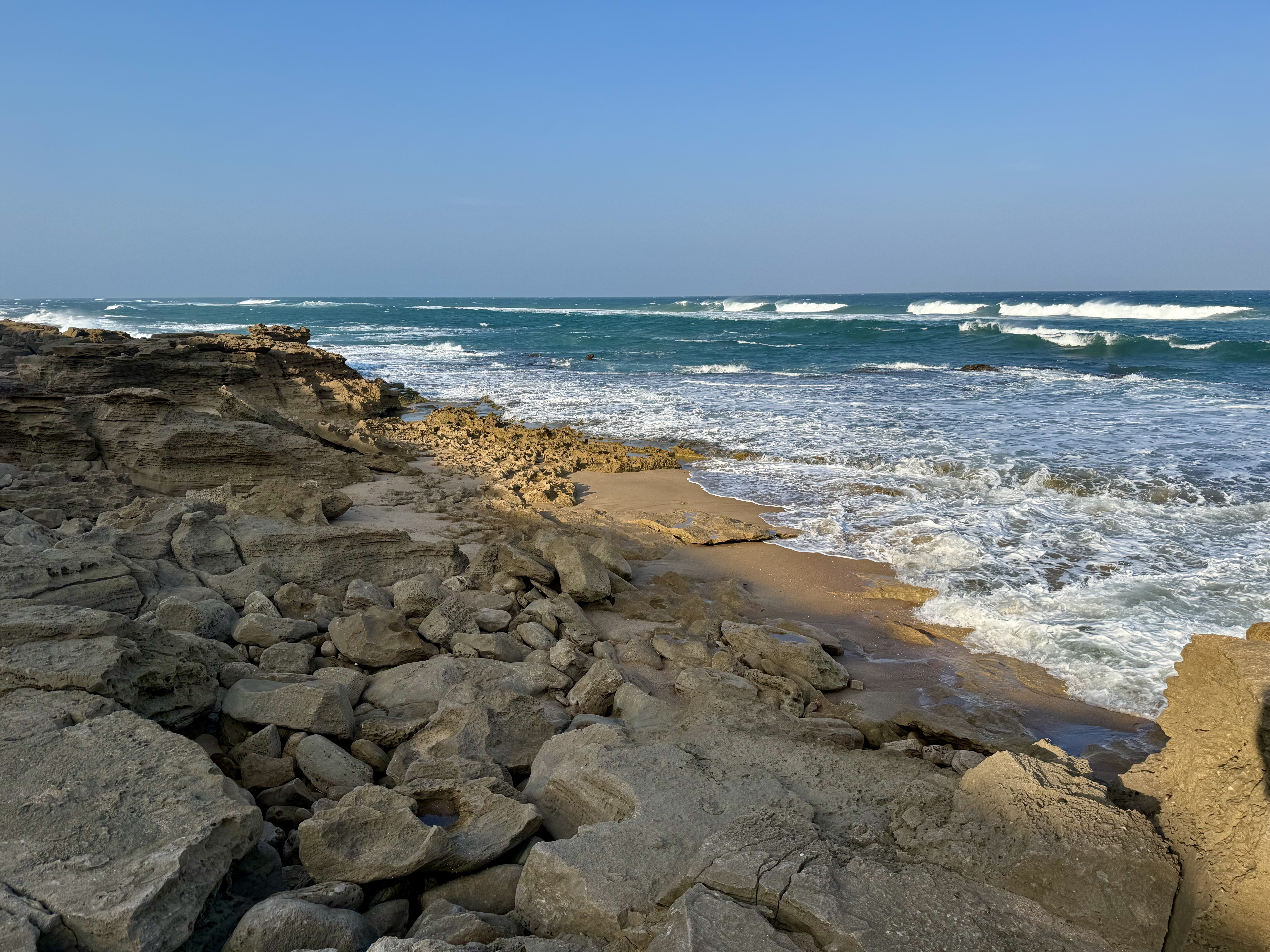

This section of Kwazulu-Natal is strikingly diverse, from rolling hillsides to wetlands, from estuary birdlife to ocean and savannah wildlife. It is a place to keep returning to.
 omegoodyssey