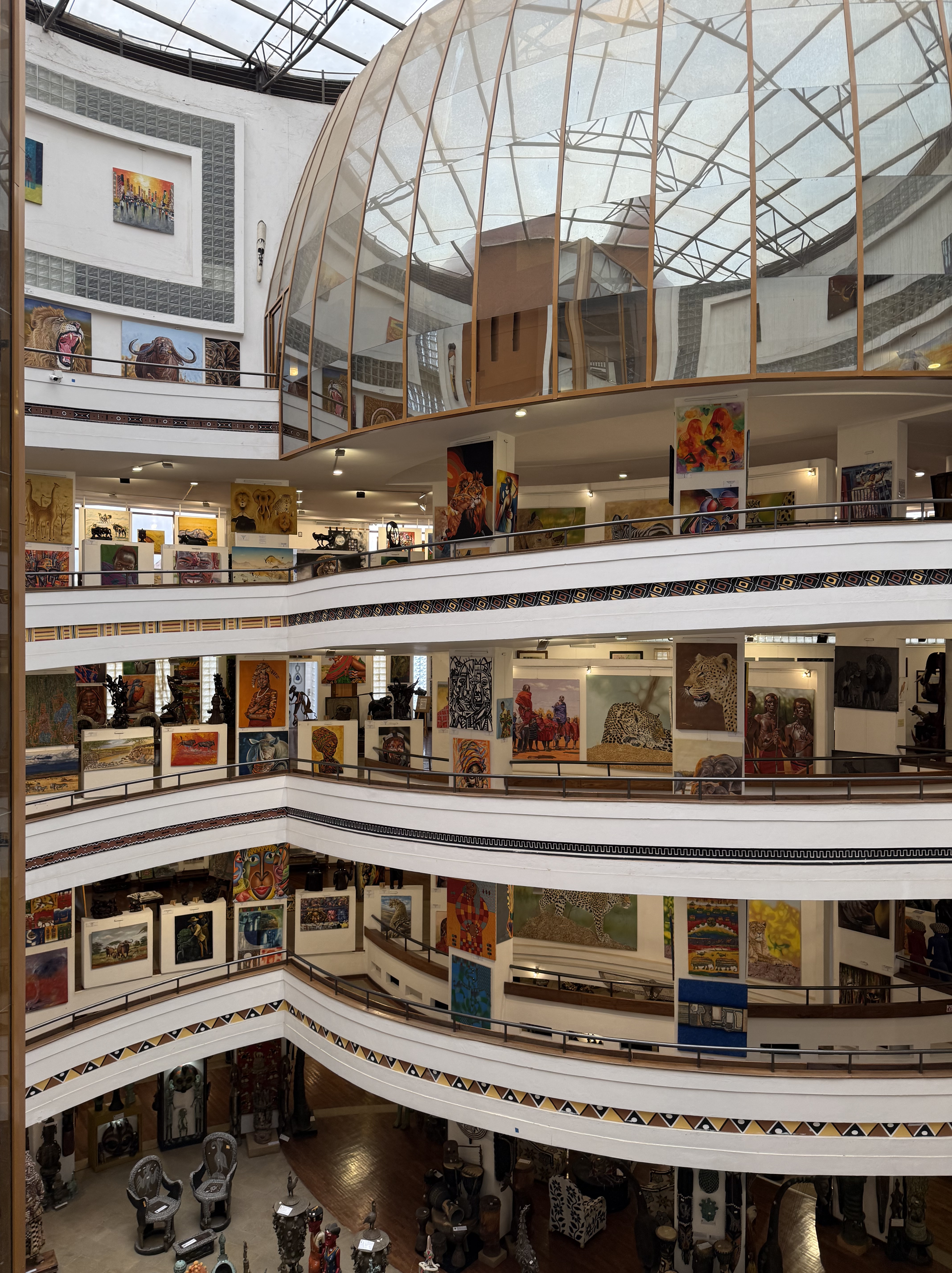
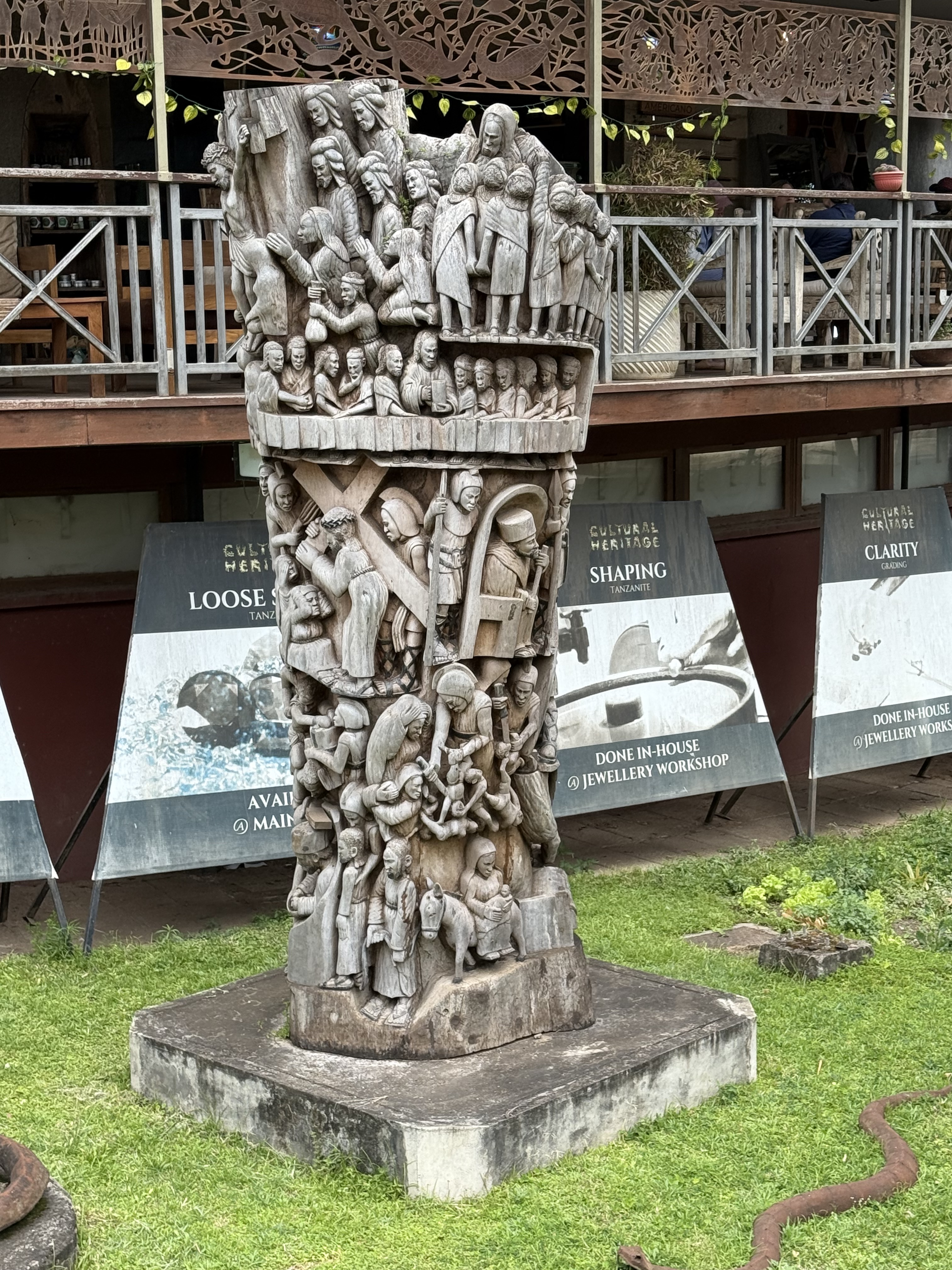
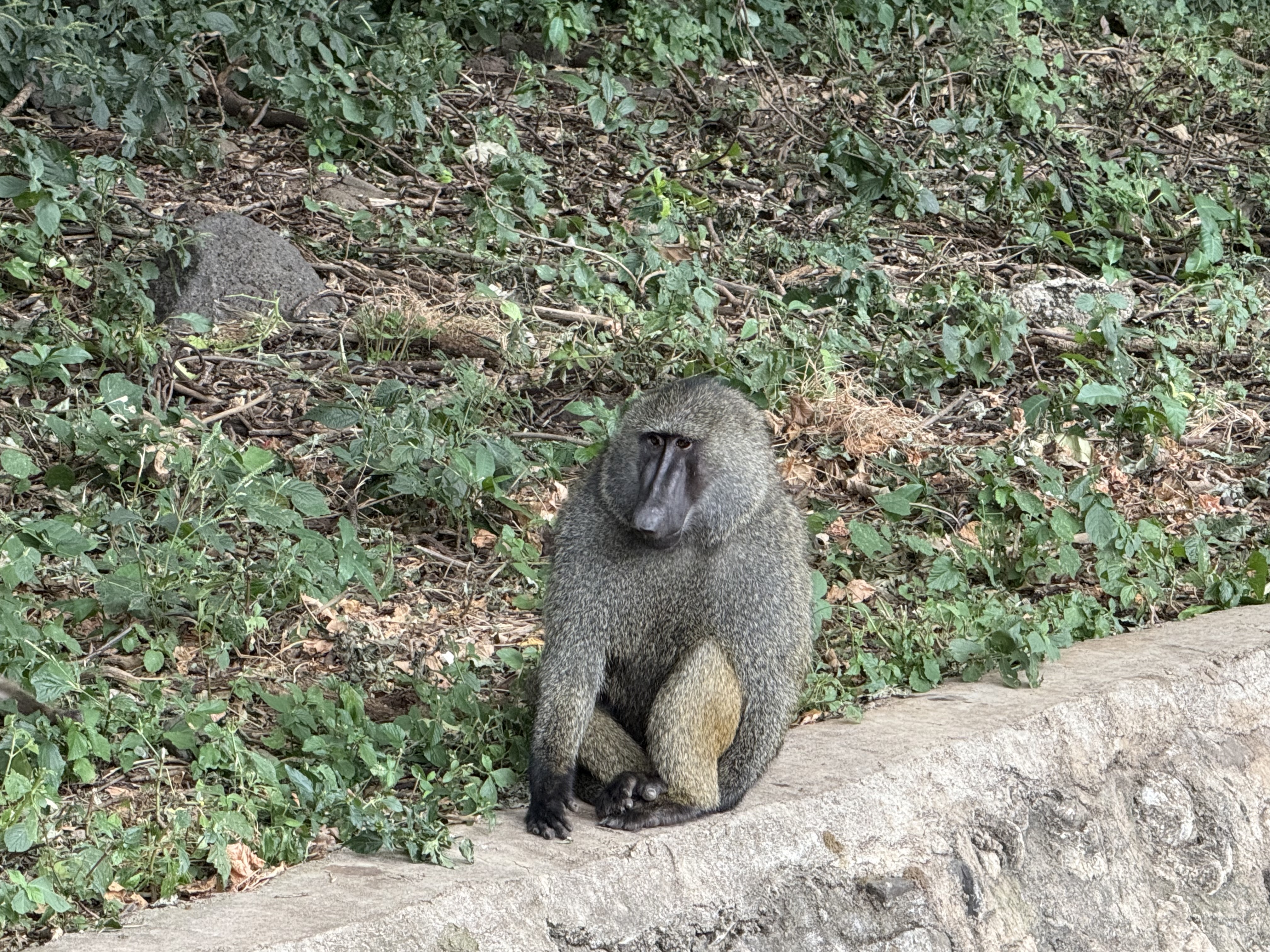
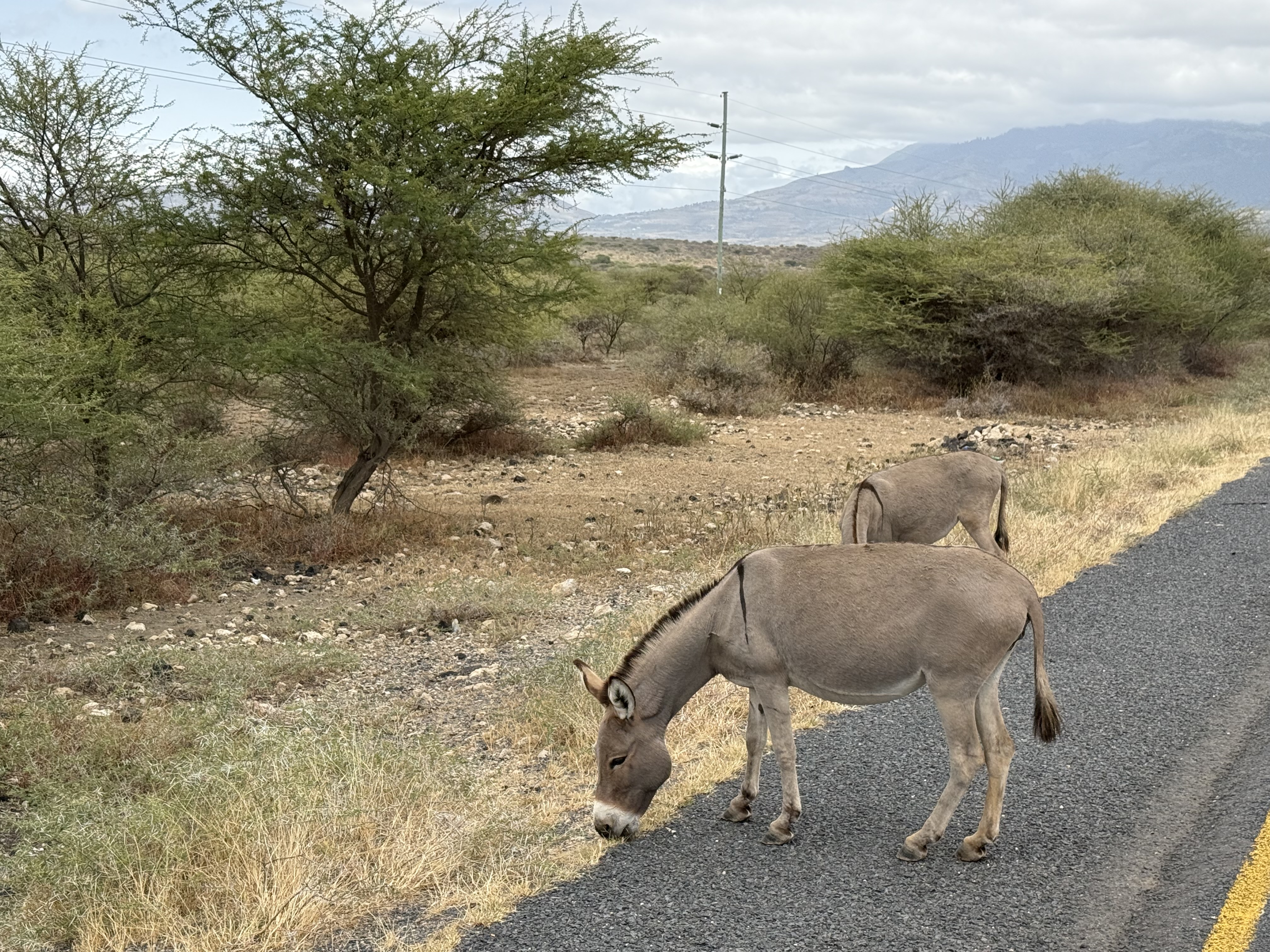
The border procedure between Kenya and Tanzania was pretty straightforward. There was a public health check to certify that one has a yellow fever vaccination, then there was the departure from Kenya line, before the visa check line and entry line to Tanzania. It took about a half hour as there were two large buses filled with Intrepid clients before me. Godlisten, my new guide, met me after the border checkpoint and we headed on to Karatu, where I spent the night. The drive was luckily uneventful, other than a short stop at the Heritage Center in Arusha and a giraffe and herd of Maasai donkey crossing the highway, as well as the ubiquitious baboons. The Heritage Center is in a beautiful series of buildings, one which is a tourist souvenir shop, and the large circular one with five levels of artist galleries. They include wood carvings, metal sculptures, textiles, paintings, and photography. It is a wonderful sampling of the arts and artists in the region.
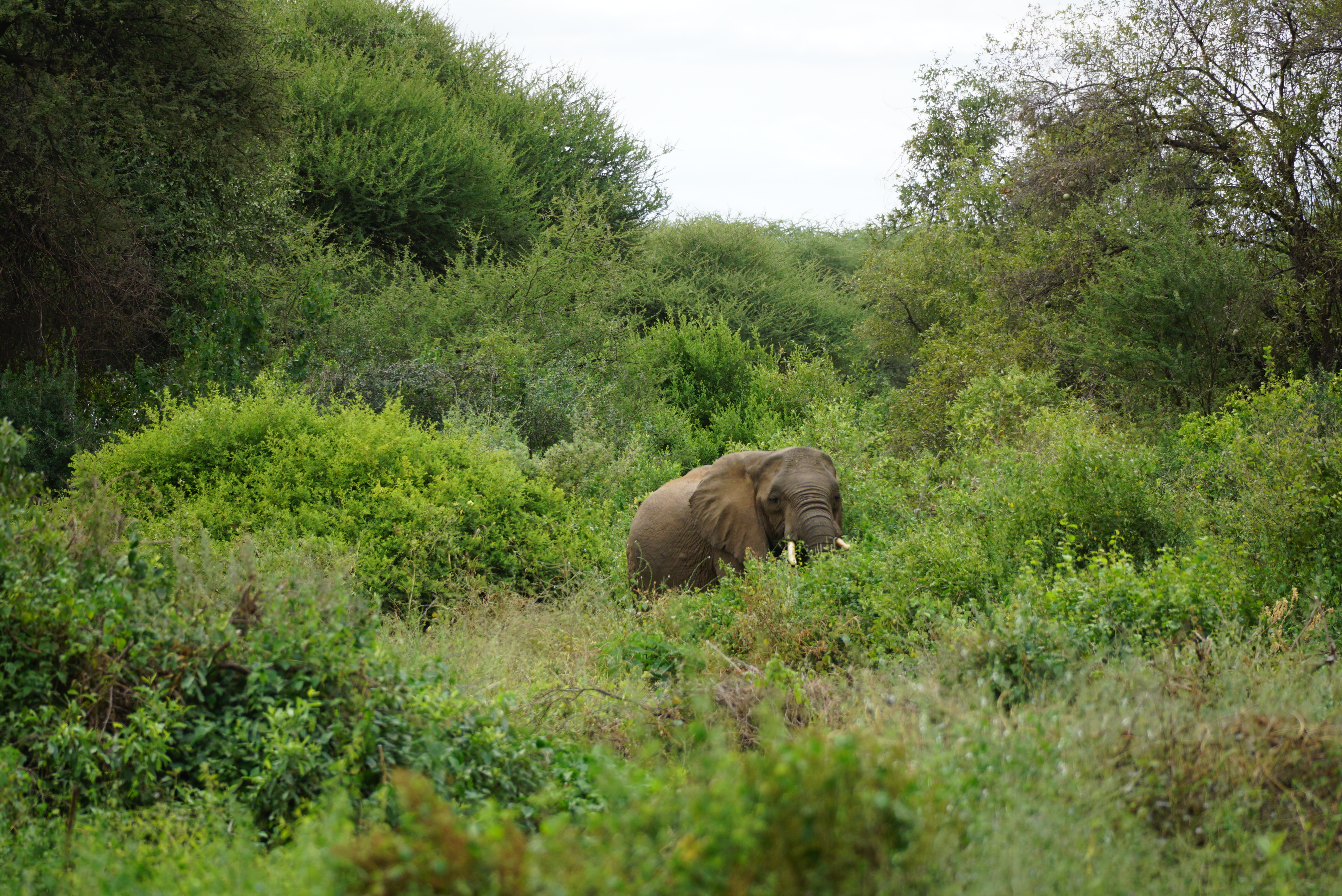
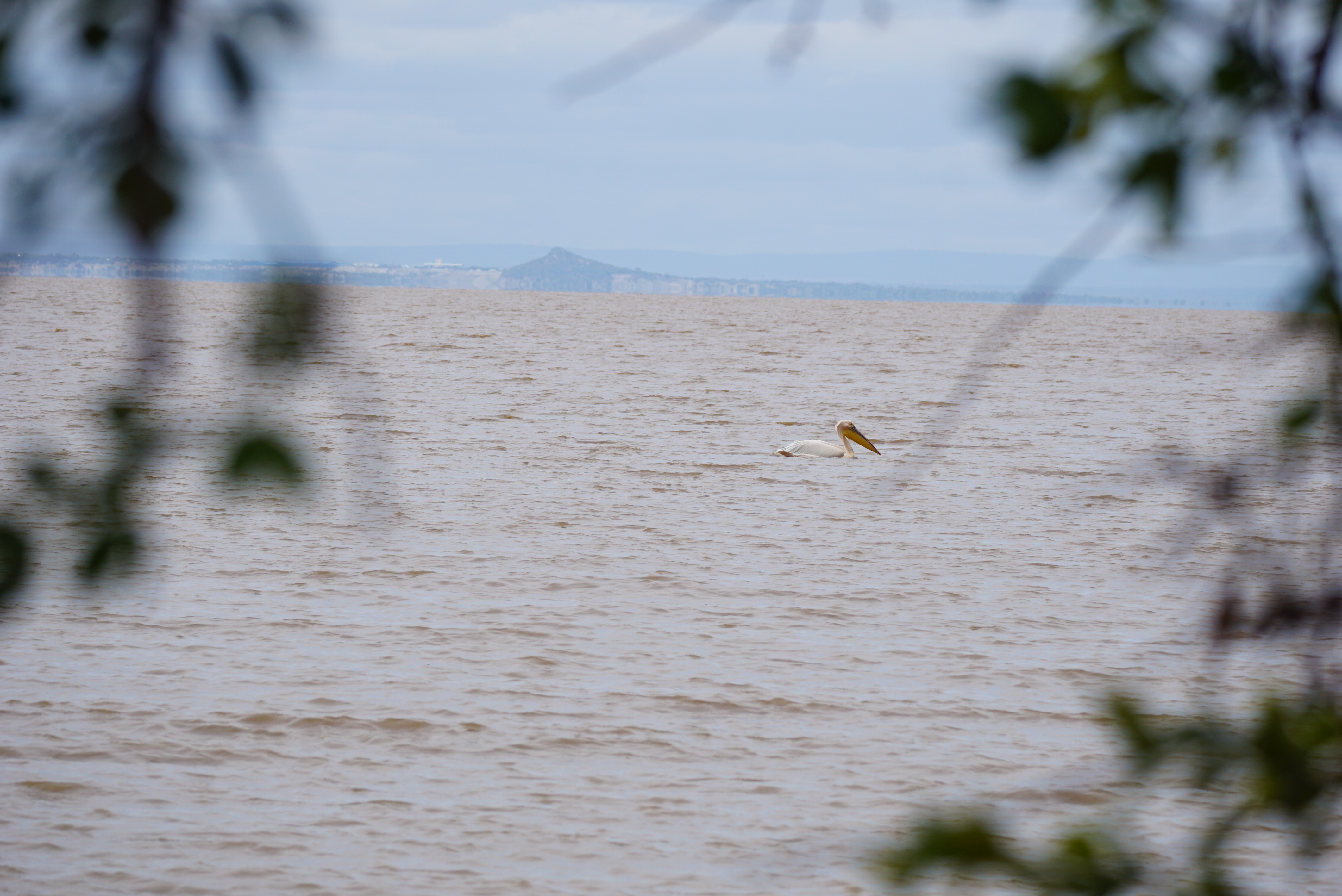
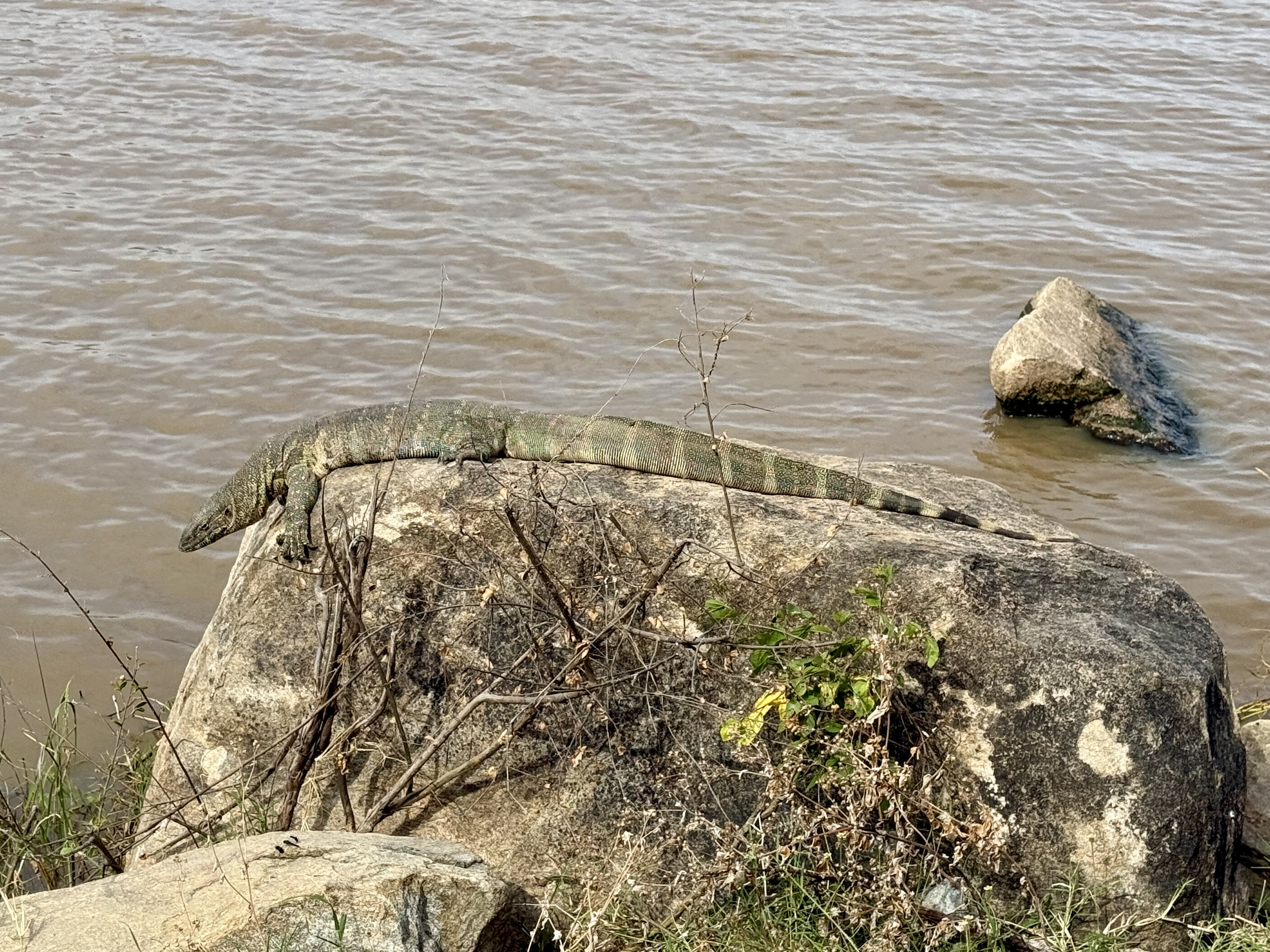
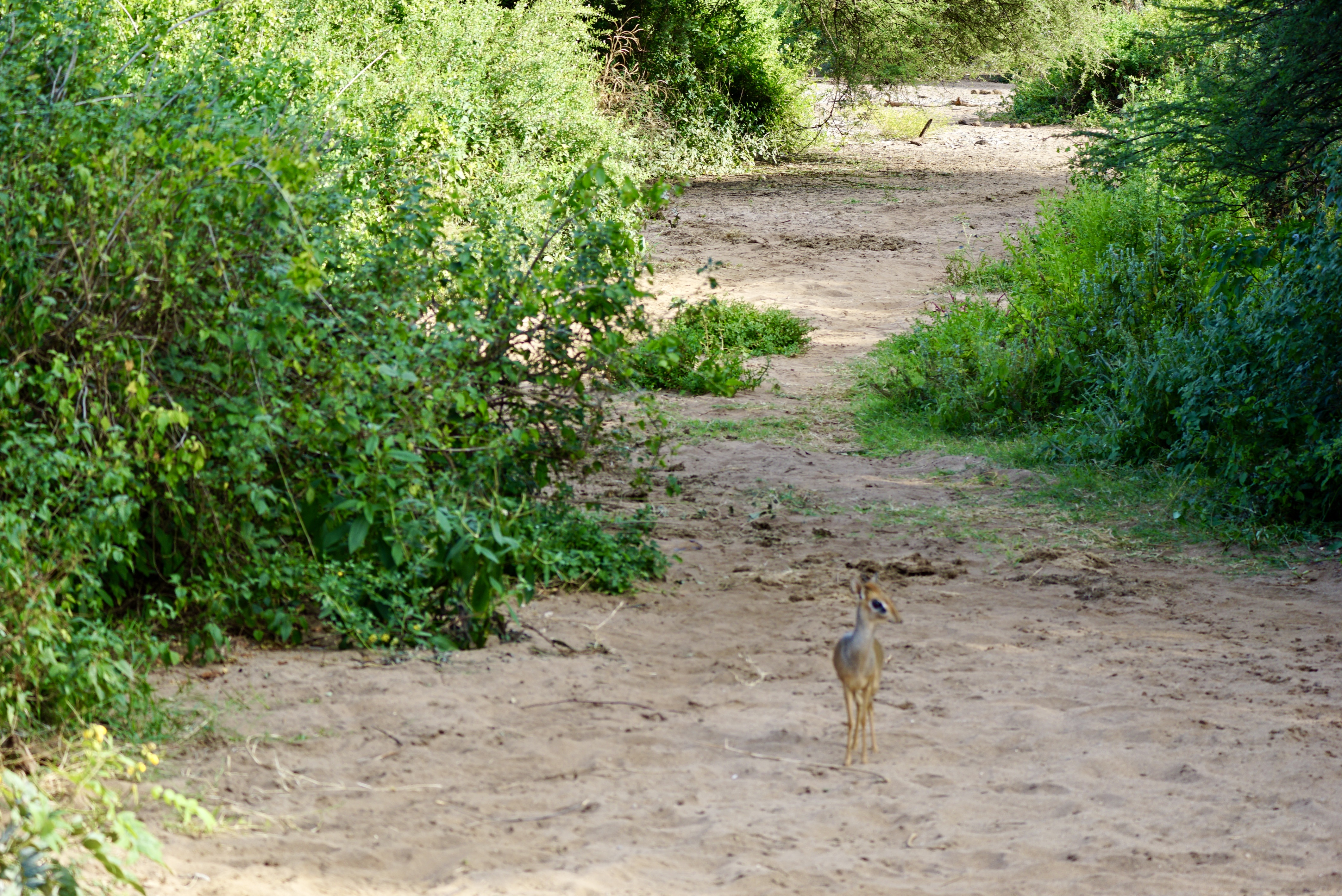
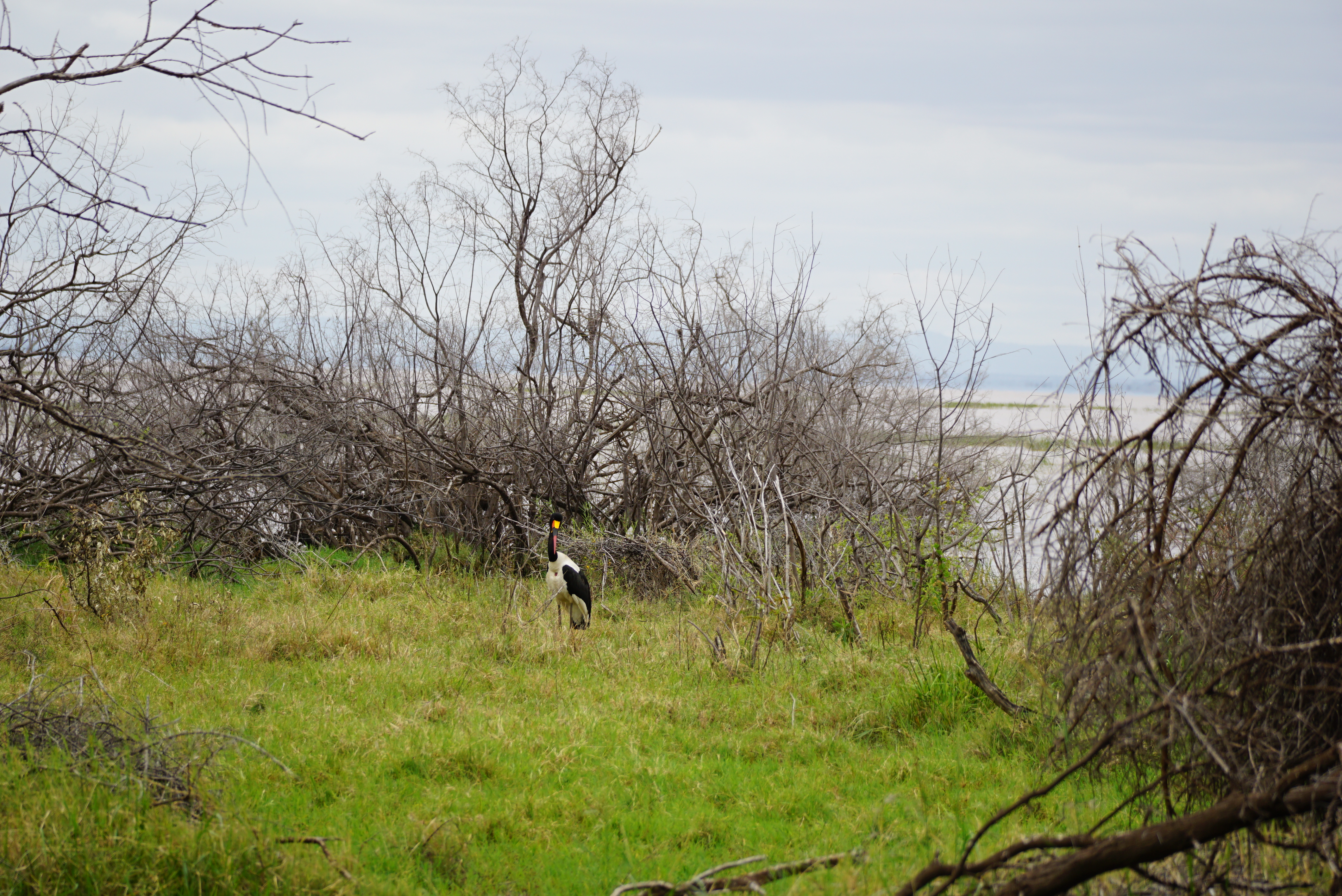
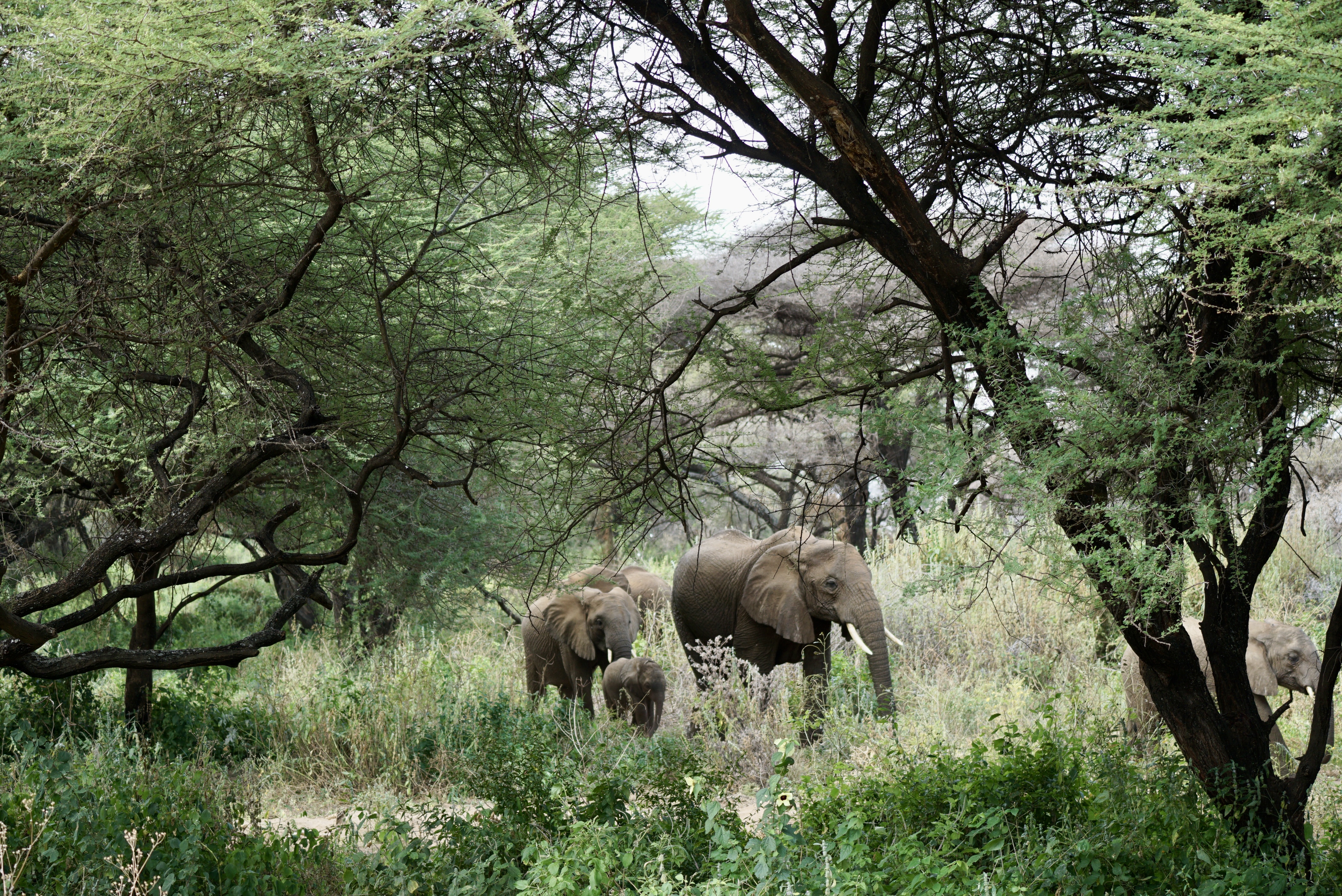
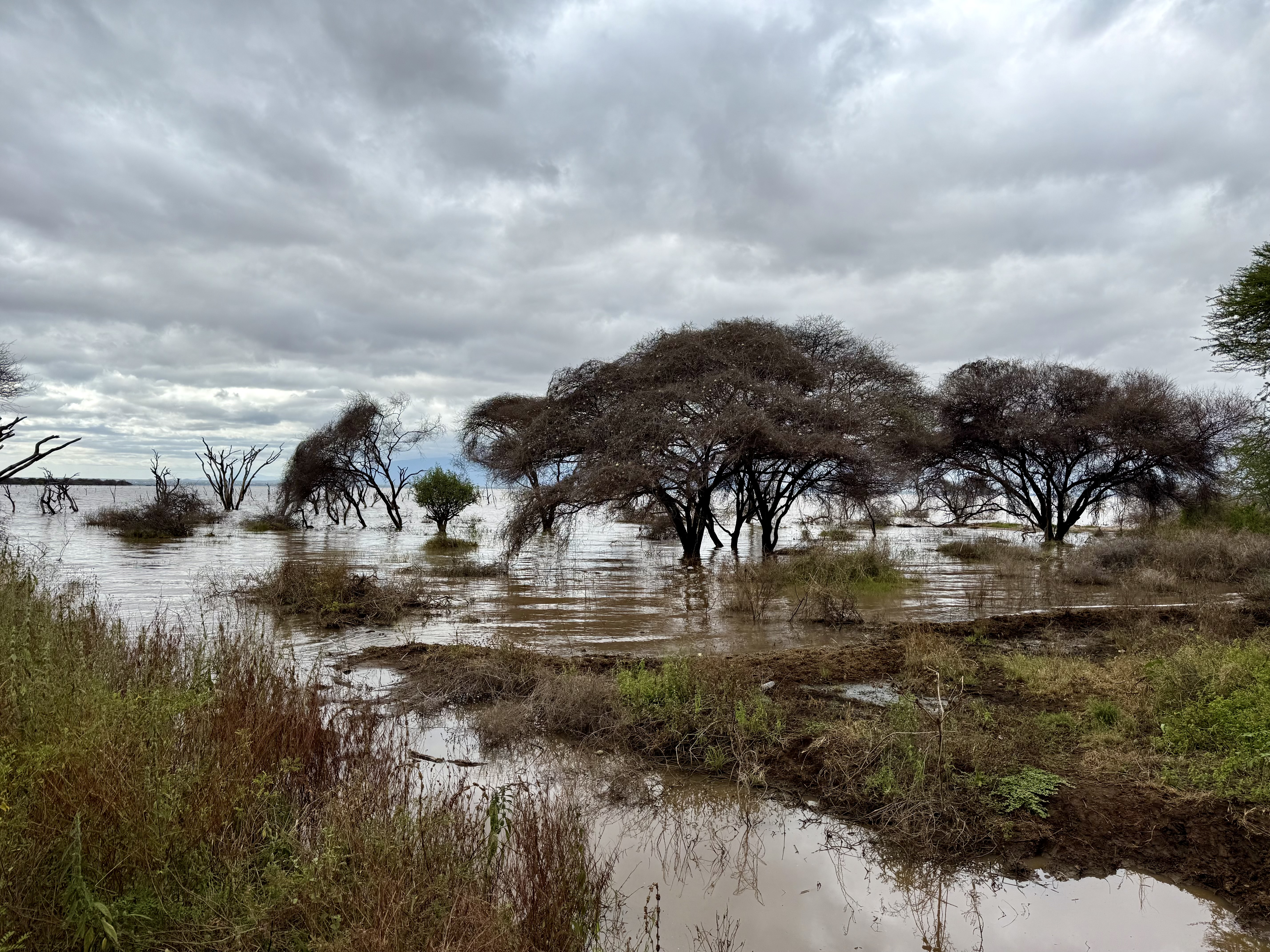
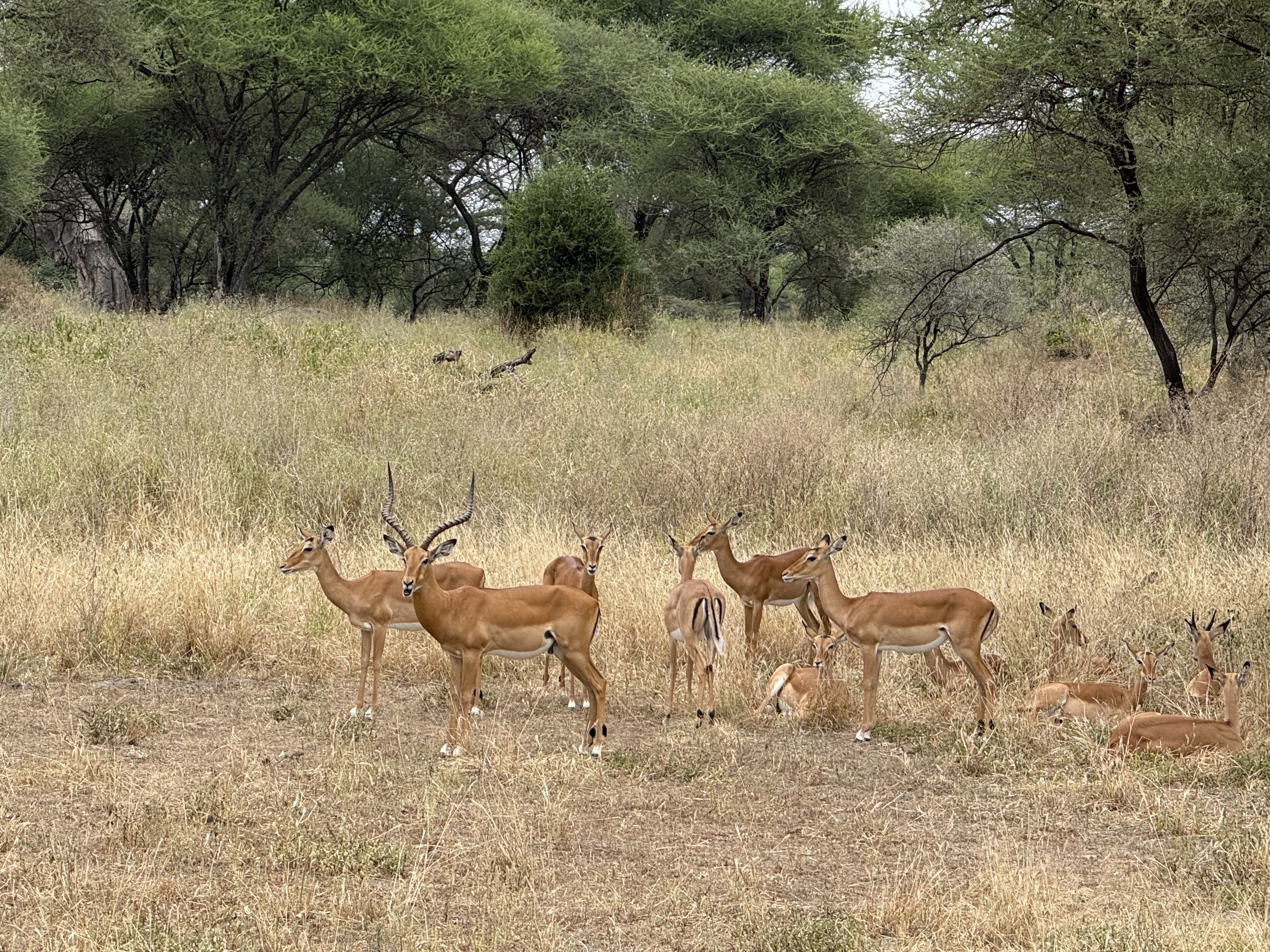
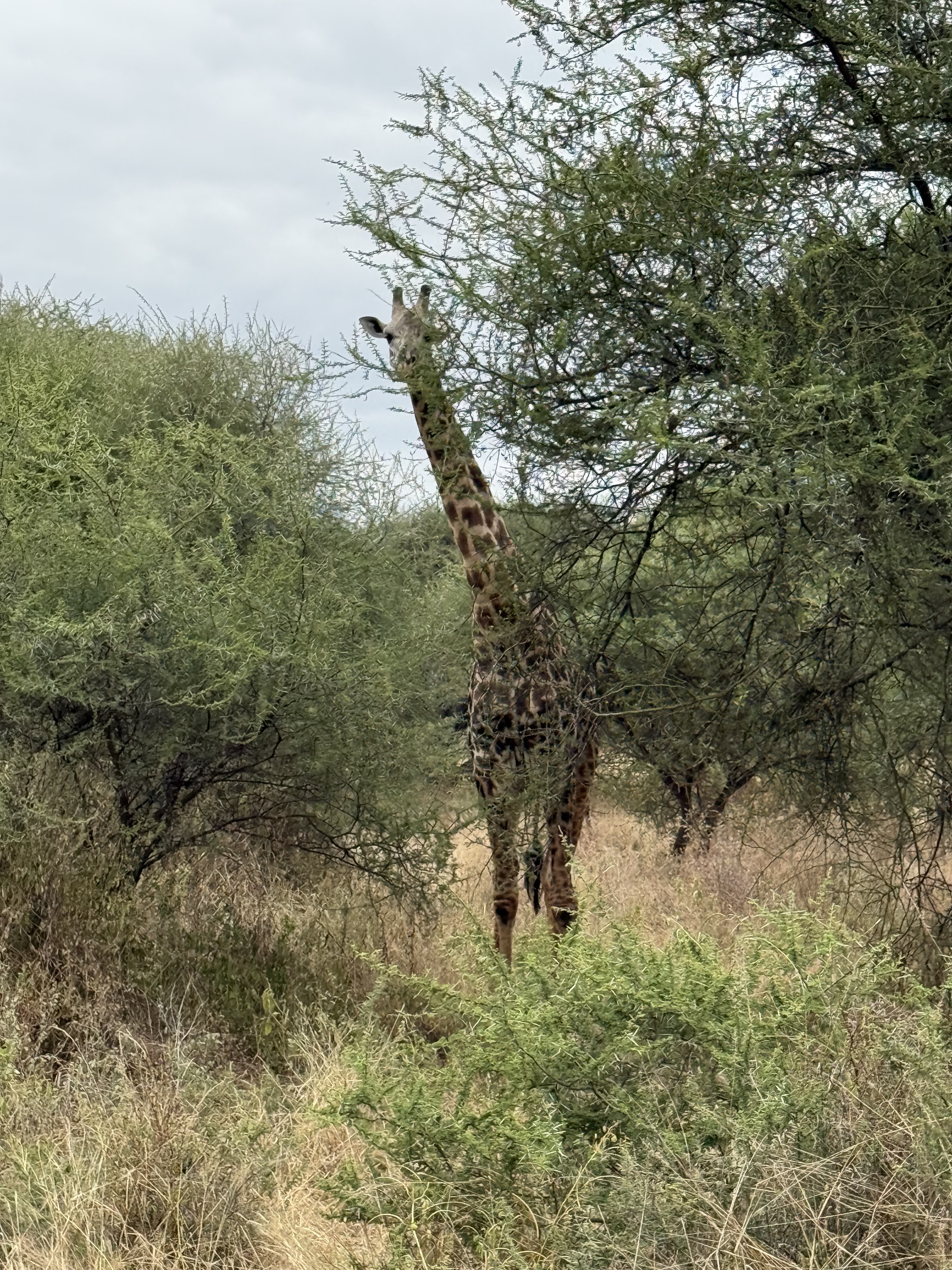
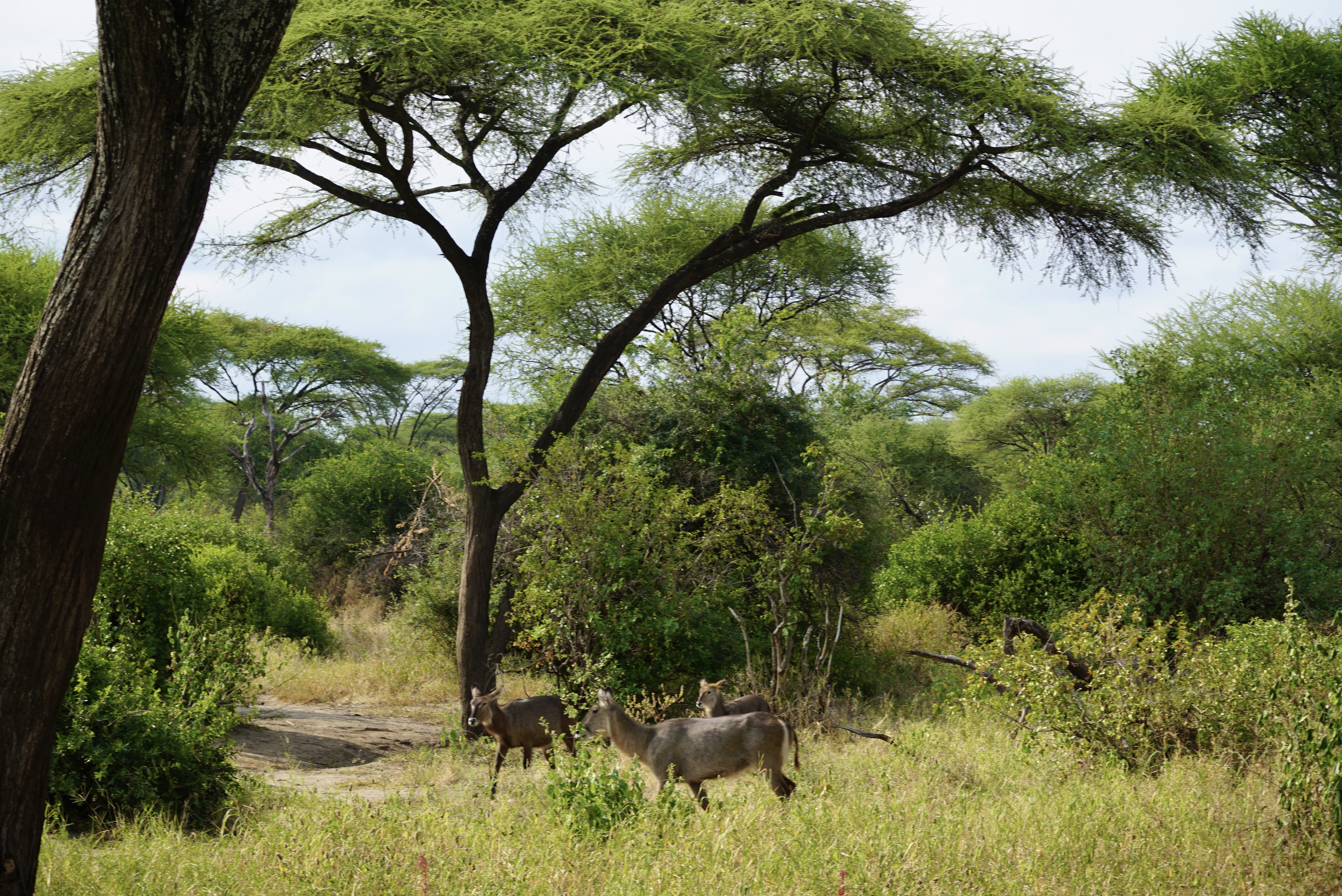
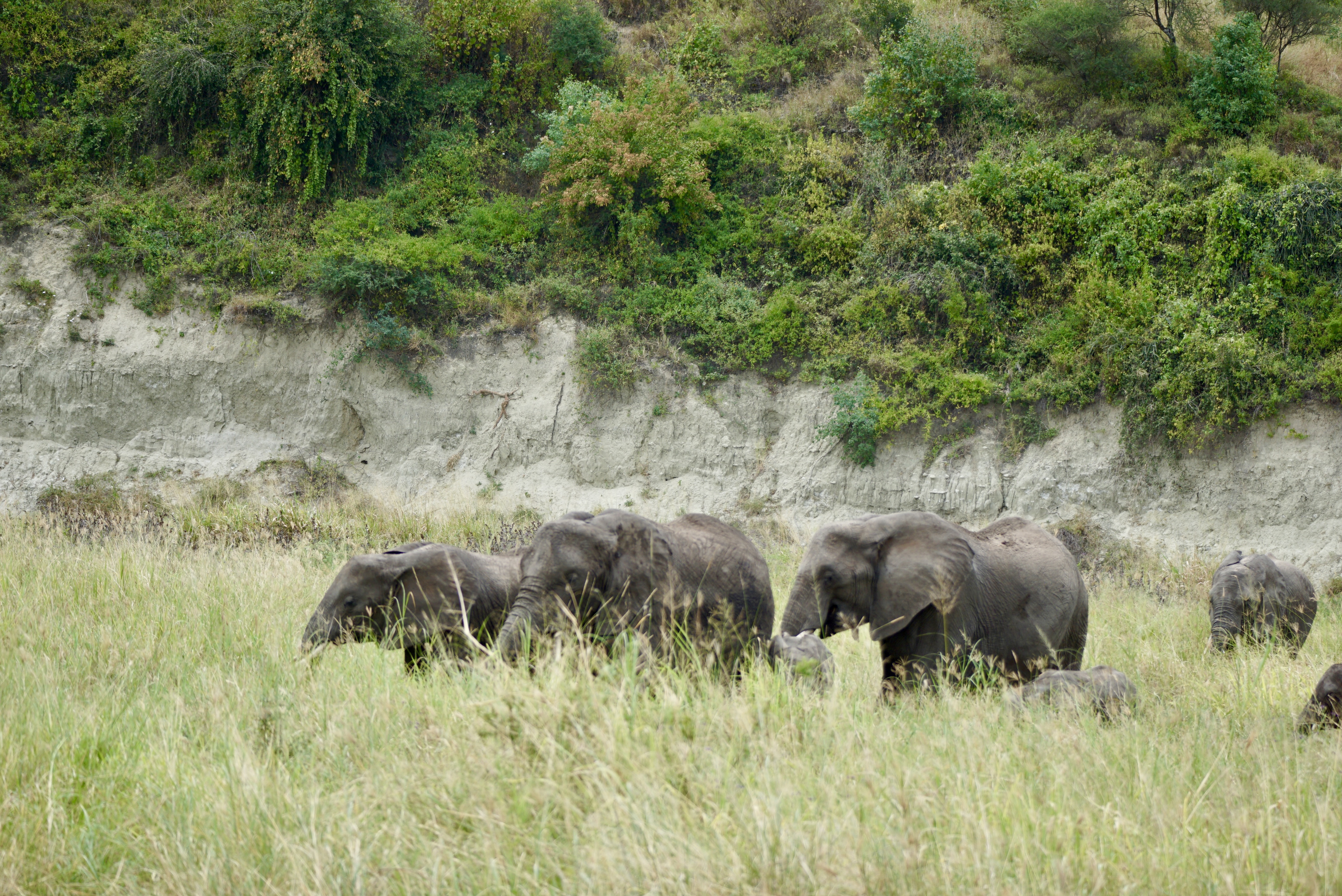
The next day, we backtracked for a little less than an hour from Karatu to Lake Manyana National Park. Lake Manyana is almost 400 sq km and is growing. Apparently, the rainy season has changed from about three months to almost five months, making the lake rise from the runoff from Ngorongoro and the highlands. The land mass of the National Park is therefore shrinking, and as we drove by the shoreline, the encroachment was evident. There were roads, trees, and grasses that were now underwater that were probably on dry land a year ago. The wildlife, however, was abundant! Elephants were everywhere in the thick green vegetation, giraffes played on the grasslands, zebras, impalas and a few water & bushbucks skirted through the brush, and a family of warthogs as well as some mongoose ran by quicker than I could take a photo. Large monitor lizards lay on the rocks in the sun while black and vervet monkeys, along with many baboon families, cavorted in the trees. As in Kenya, the bird life was amazing. It was hard to get decent photos from the moving vehicle, but I think a few stills did come out.
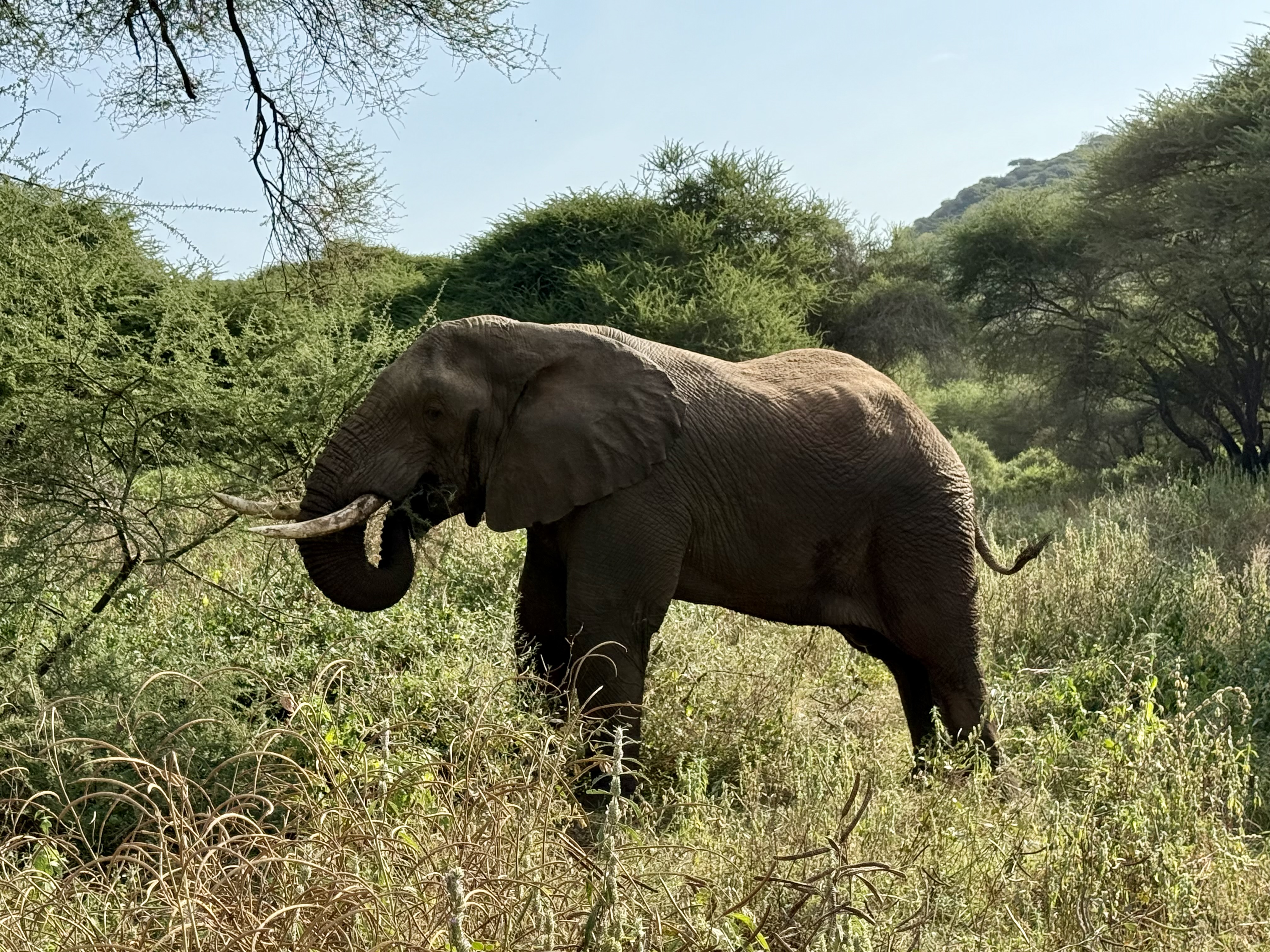
A few of the elephants in the park put on shows for us. One female came directly up to the Landcruiser and while looking me in the eye, decided I needed a spraying of dirt as she did. She does it to keep the bugs and sun away, and apparently she thought I needed a dose as well. It was pretty funny. She was accompanied by her family including a number of babies, a few of whom looked to be only a couple of months old. Further along the road, a big bull was pulling down a tree. Once the tree was down, he used his trunk to swirl around some of the branches and then put them in his mouth to eat. I watched as some of the rest of his family came over, including a couple of very little ones, who were trying to copy their elders.

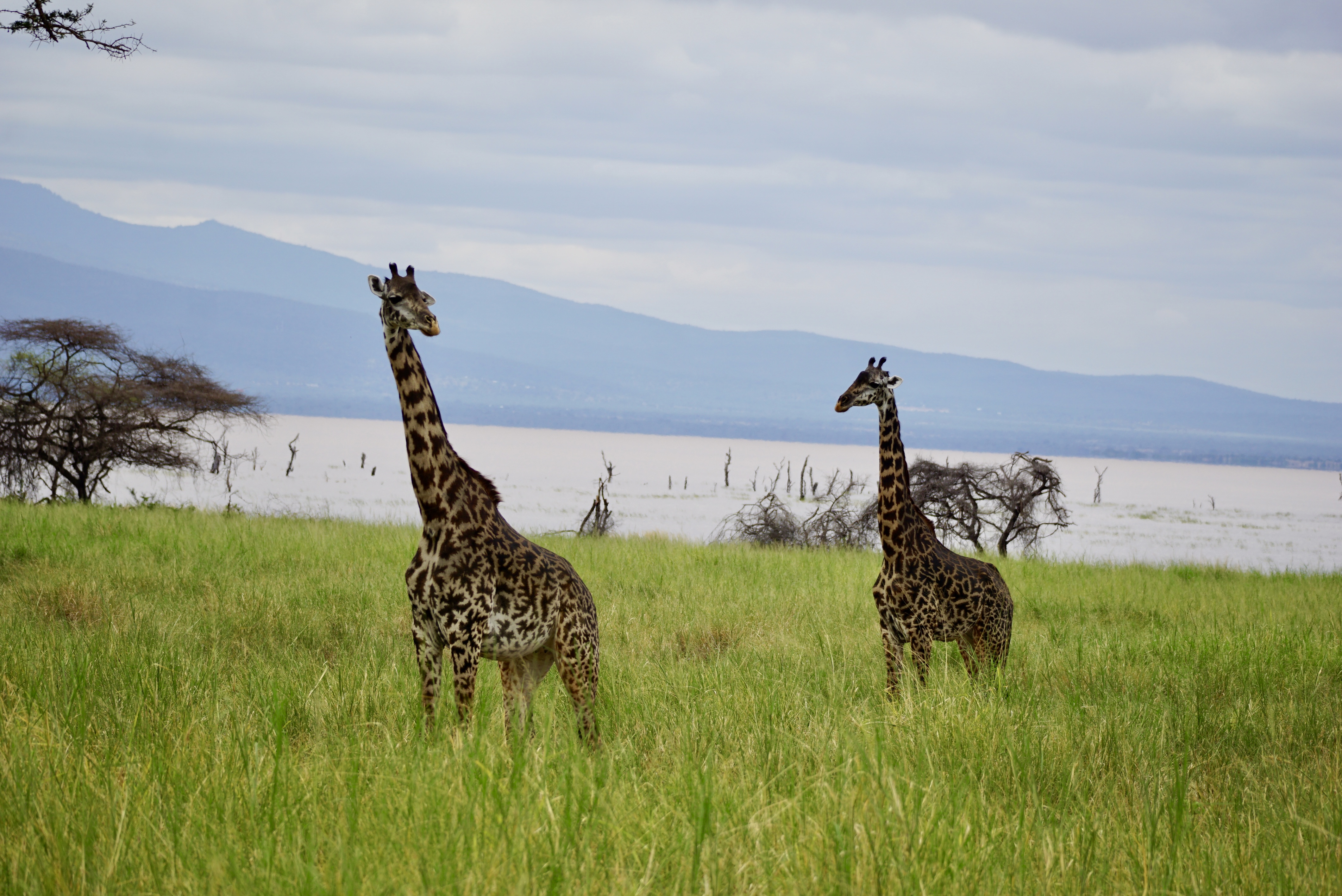
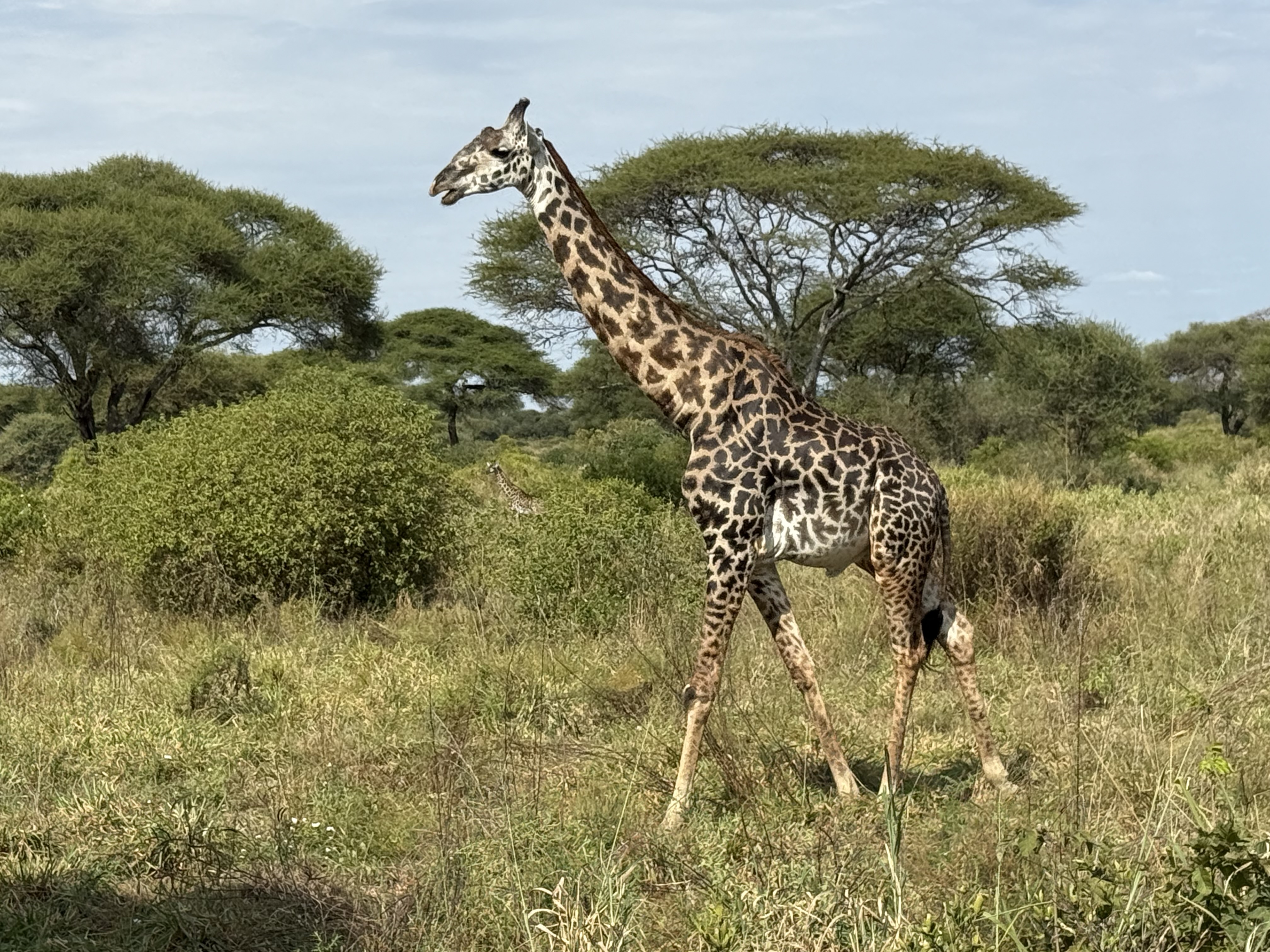
There were eight giraffes in the grassland area and two appeared to be best friends or lovers as they necked each other while making sure I was watching the entire time. A few of the others just stood and stared at me, as did the zebras who warily looked my way then meandered away into the scrub. Lake Manyana National Park is quite lush, with dense treed and scrub vegetation as well as some grassy areas and a changing sandy shoreline. The jeep tracks in the park are understandably rutted, dusty, and often partially washed out. They would be completely impassible in a standard car; I was glad we had the 4 wheel drive and that Godlisten was driving.

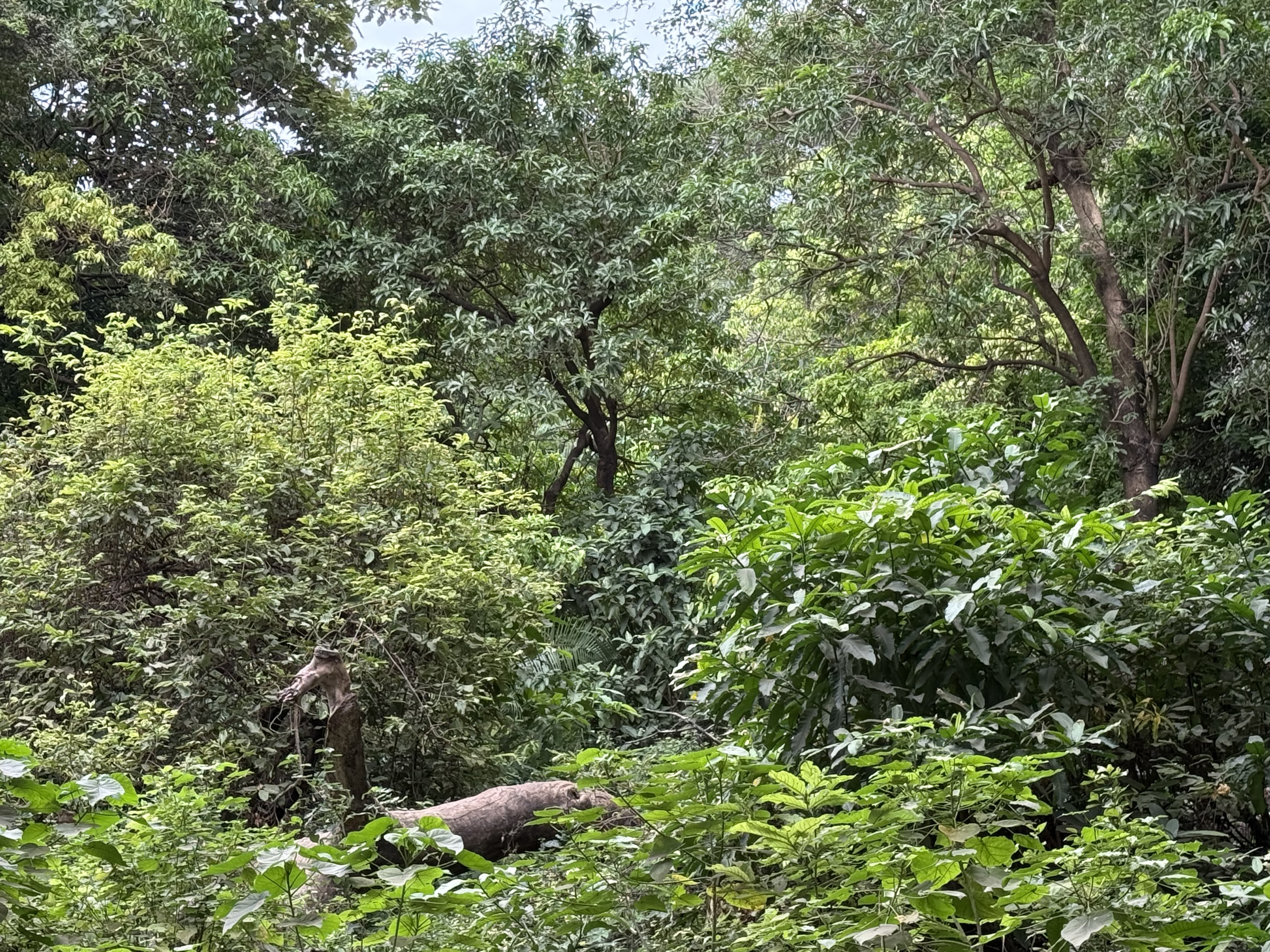
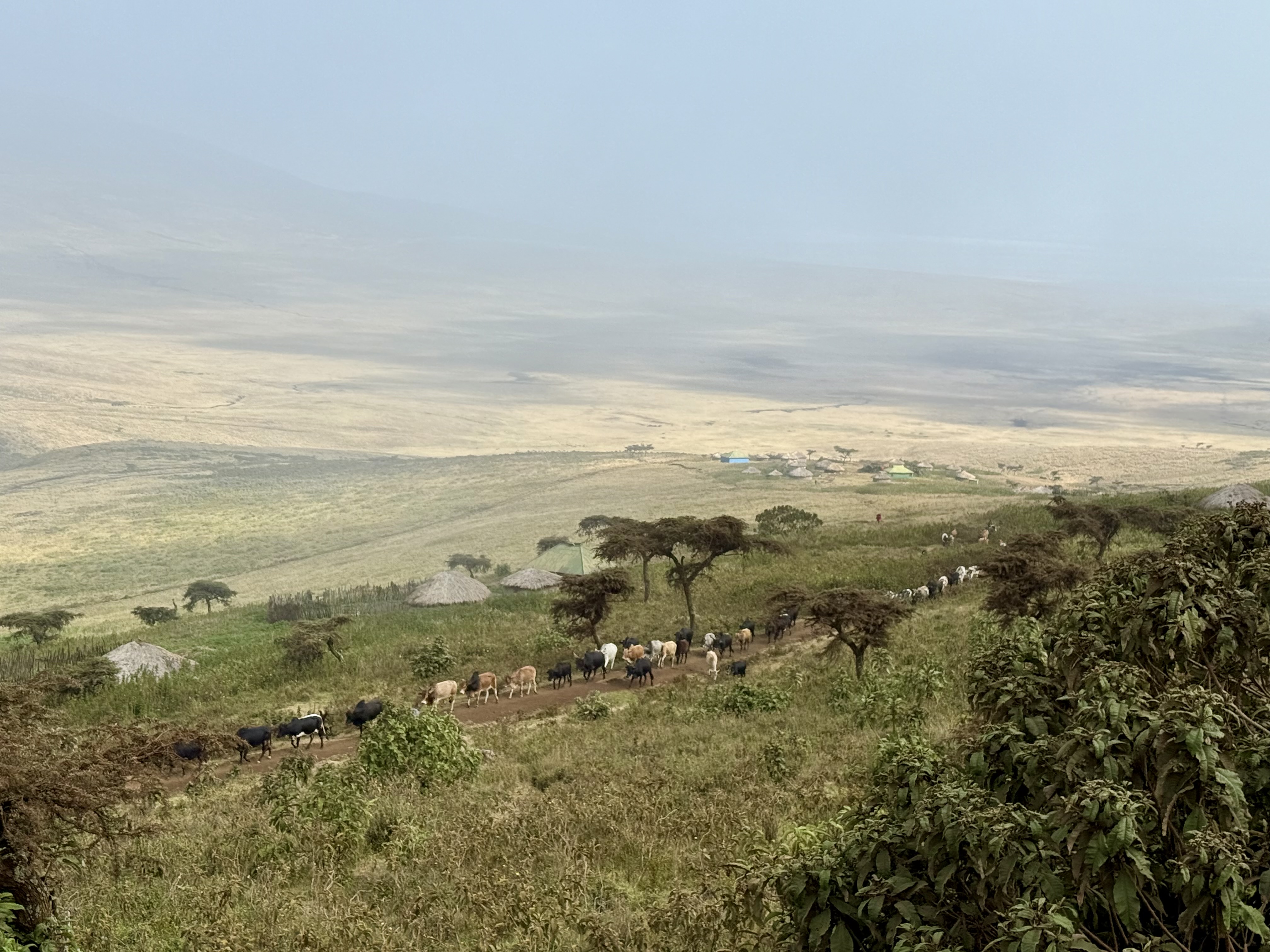
The following day we drove to the Ngorongoro Crater, which is only about 20 km from Karatu. The morning was misty, and a cloud hung over the entire area so that one couldn’t see more than a car length ahead. The road through the National Park is simultaneously the main road to the Serengeti, so there are a number of trucks on the fairly narrow red clay soiled road. The drive up to the crater rim goes through some very dense jungle with ferns draping over all the trees covering the deep green hillsides with white, yellow and blue morning glories. Cutting a path through this lushness would be difficult. Even with a machete, the vines would trip one up while trying to traverse the slope. There is an overlook near the top, but as we were in the middle of the cloud we didn’t stop but rather headed straight down into the crater after the various checkpoints. We passed by a few Maasai bomas scattered on a plateau, just before the final control. On the way down I noticed a herd of wildebeest rapidly moving across the savannah below. In Kenya the wildebeests appeared to be quite lazy as they were almost always lying down or simply standing somewhere. Now I realized they must be saving their energy for their various migrations. Once again, a momentary judgement can prove to be wrong.
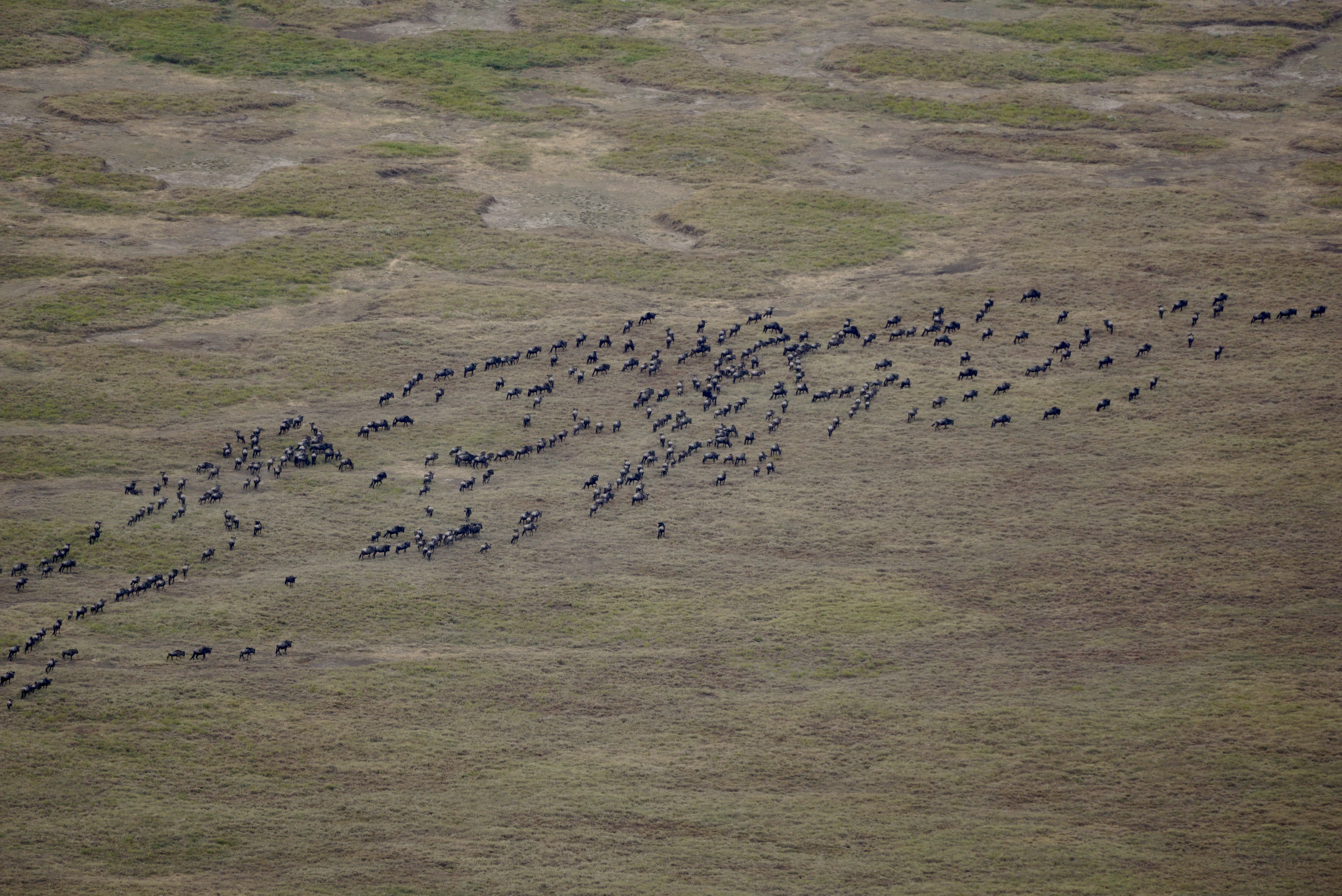
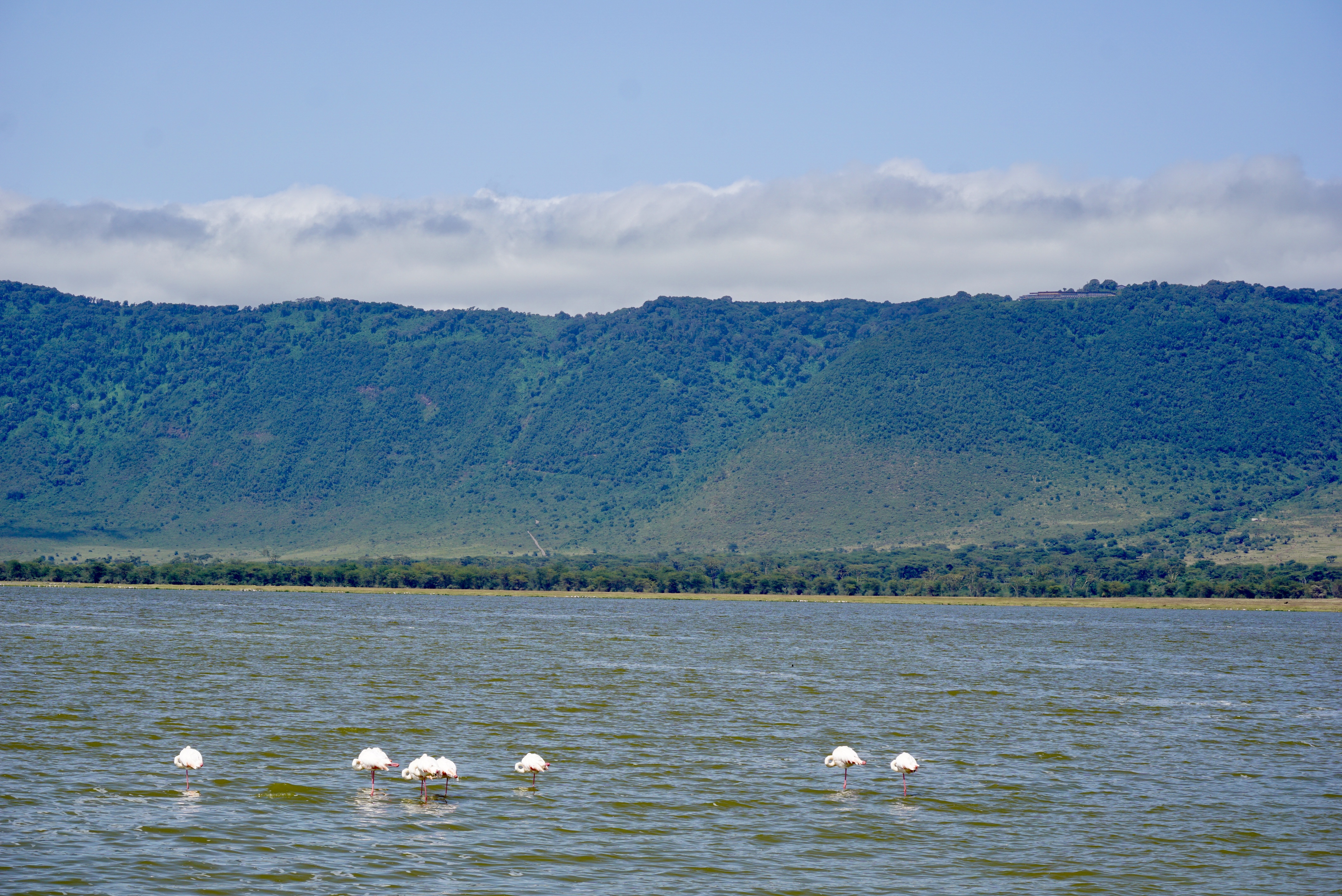
Our first stop in the crater was to watch a pride of lions lying in the tall golden grasses. A group of three were intently watching the hippos in the lake. There were a couple of different groups, and they were all fairly sedate, except for one female who marched over to where a herd of impalas were grazing. She sat down and spent the next hour or so just looking. A couple of warthogs and some zebra came by, but she held her spot. It was as if she were deciding whether or not she wanted impala steak for dinner or if it was worth the effort to get it. As far as I know, the impalas remained unharmed for the remainder of the day. Next up, were the hippos and flamingos, followed by the hippos and the hyenas. This was a real treat, as I never knew that hyenas enjoyed swimming and dunking each other in the water. They were having a marvelous time playing in the lake. The hippos, a mother, child and another one further out in the lake, just stared at the hyenas and they high tailed it away from the larger beasts. Not too far away, however, a hippo carcass floated in the water and was being played with by a different group of hyenas. They were pushing each other around to get to a good spot on the hide, and it was a sight to behold. Godlisten said that he had never seen such a thing before, and I certainly hadn’t. From the hyena show, we tracked the migrating wildebeest to the lakeshore. They arrived en masse, drank, and departed en masse. Once they were finished with their migration and were comfortably settled in the savannah, they split up and went their individual ways to lie down or stand alone somewhere. In the savannah they met their buddies, the zebras, with whom they like to hang out. Warthogs were plentiful, both near the lions and by the wildebeest and zebras. We also saw three rhinos passing in the distance, but they were almost too far for a photograph. There were a number of large birds, most I’d never seen before and could not identify without Godlisten’s information.
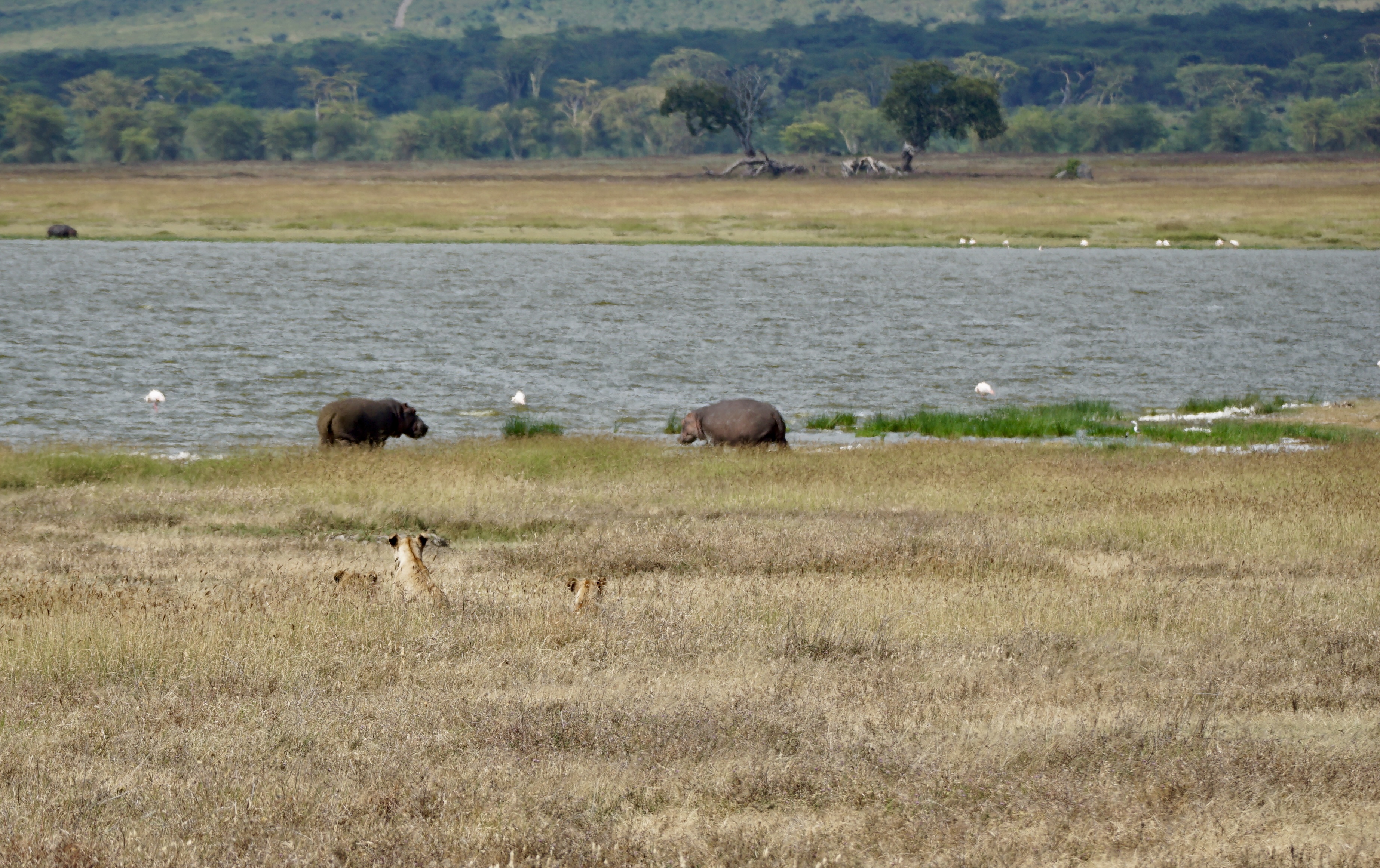
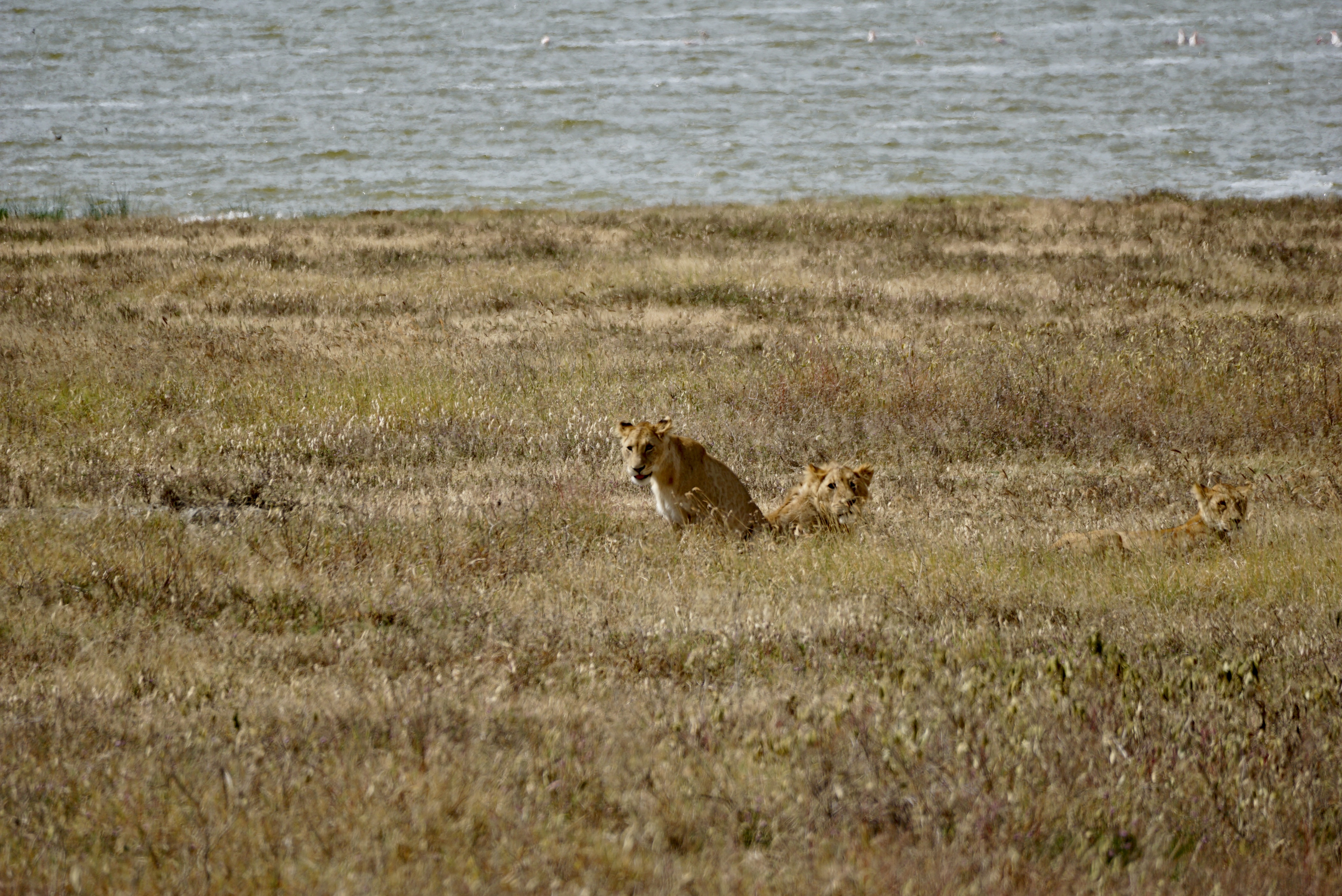
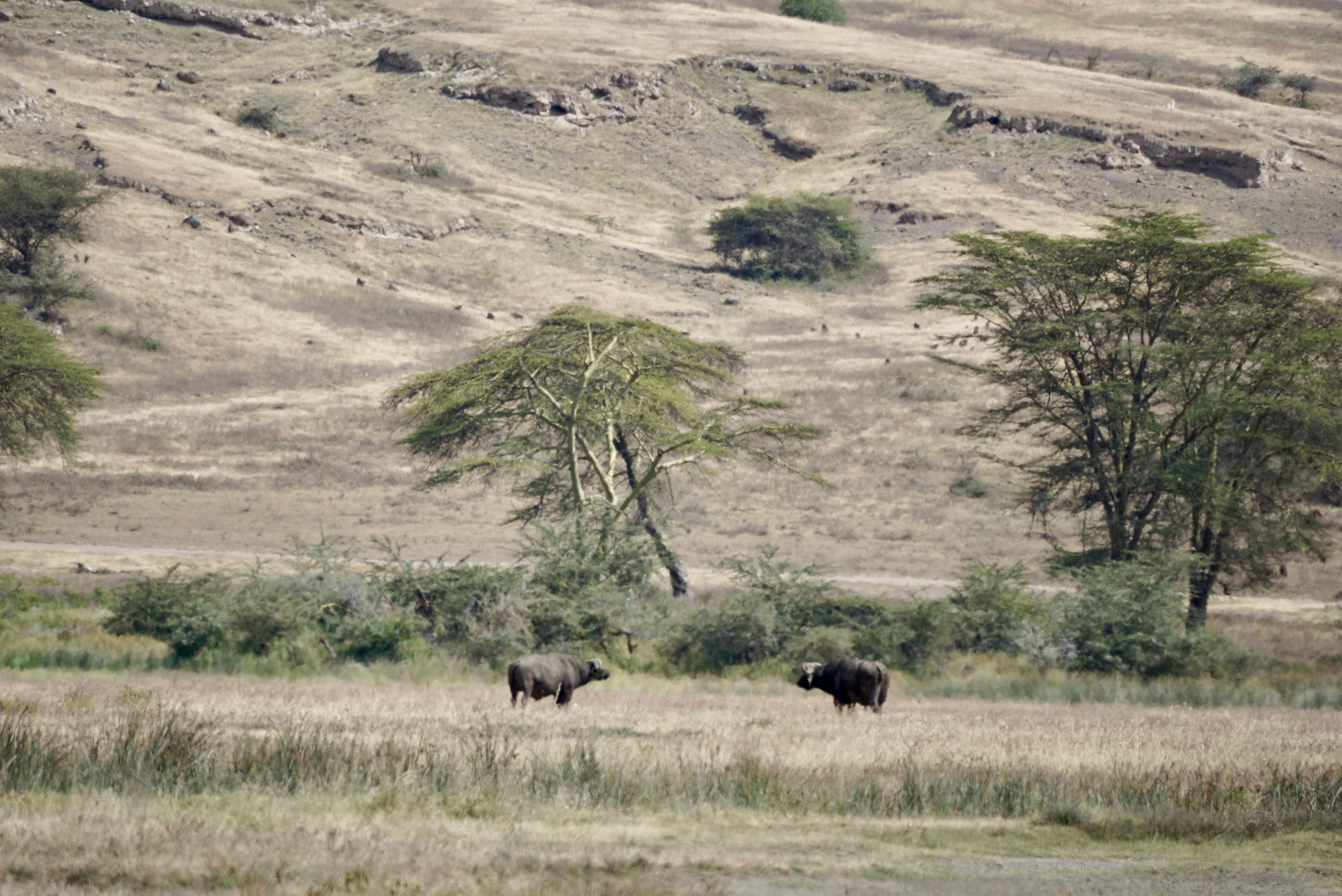
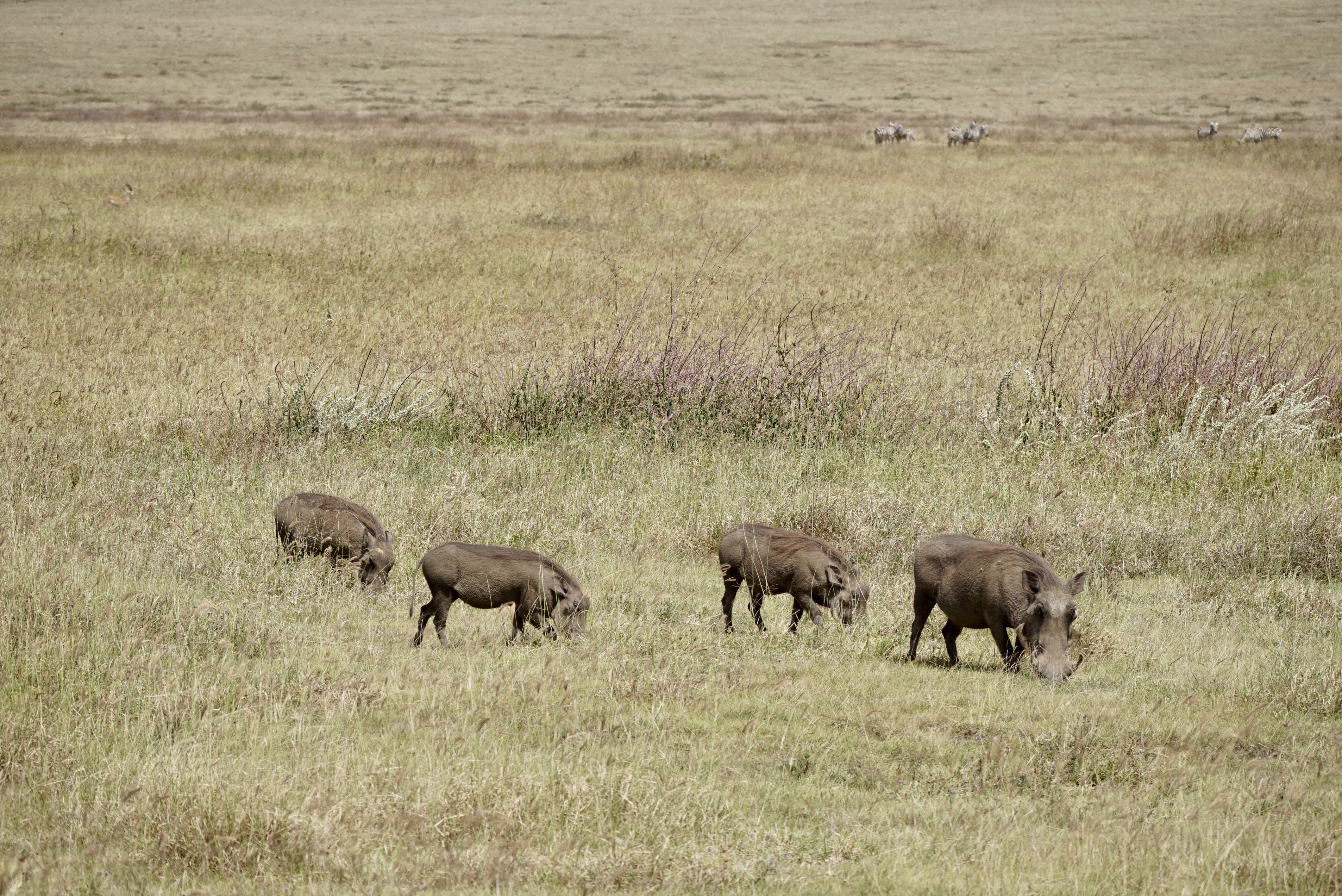
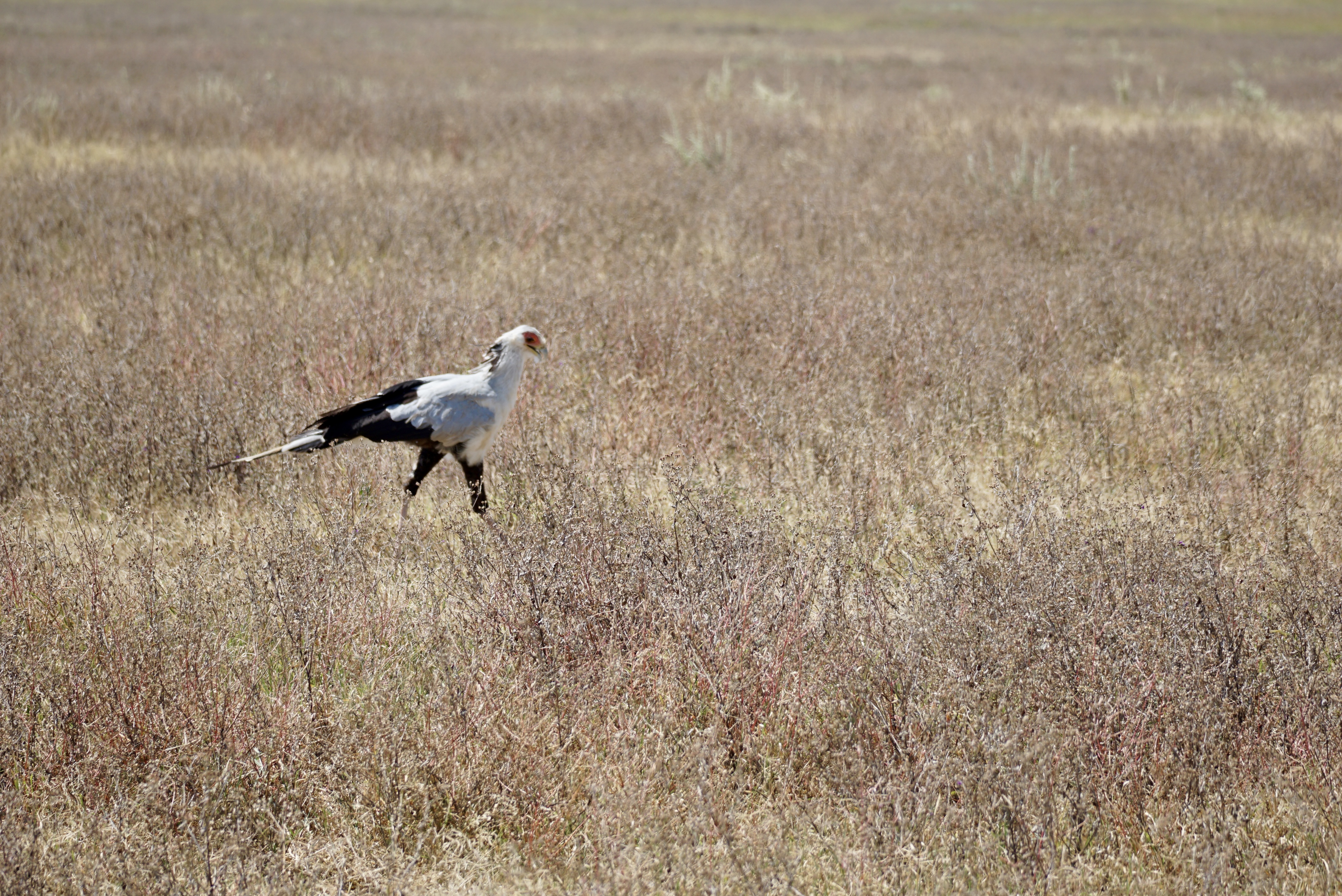
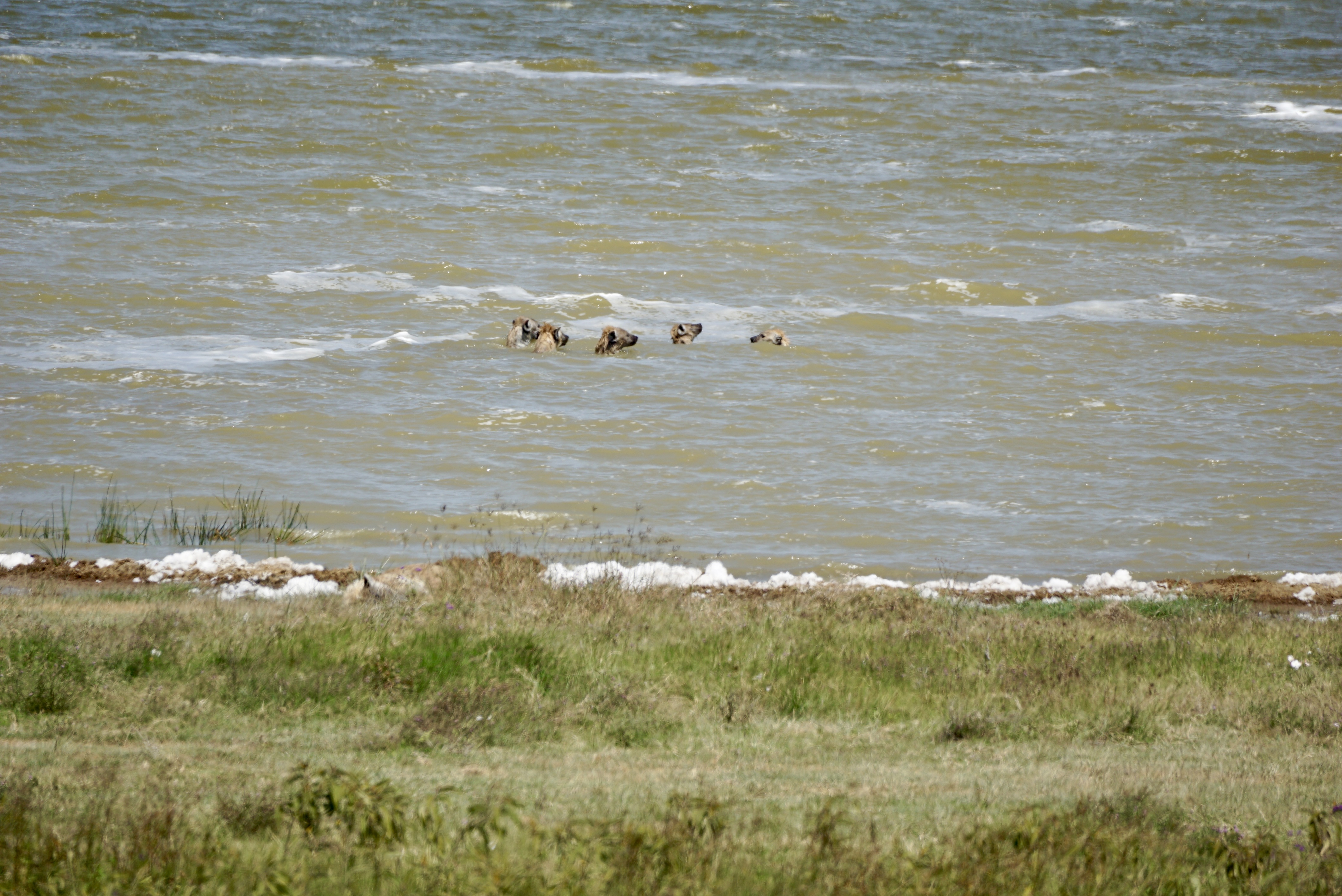
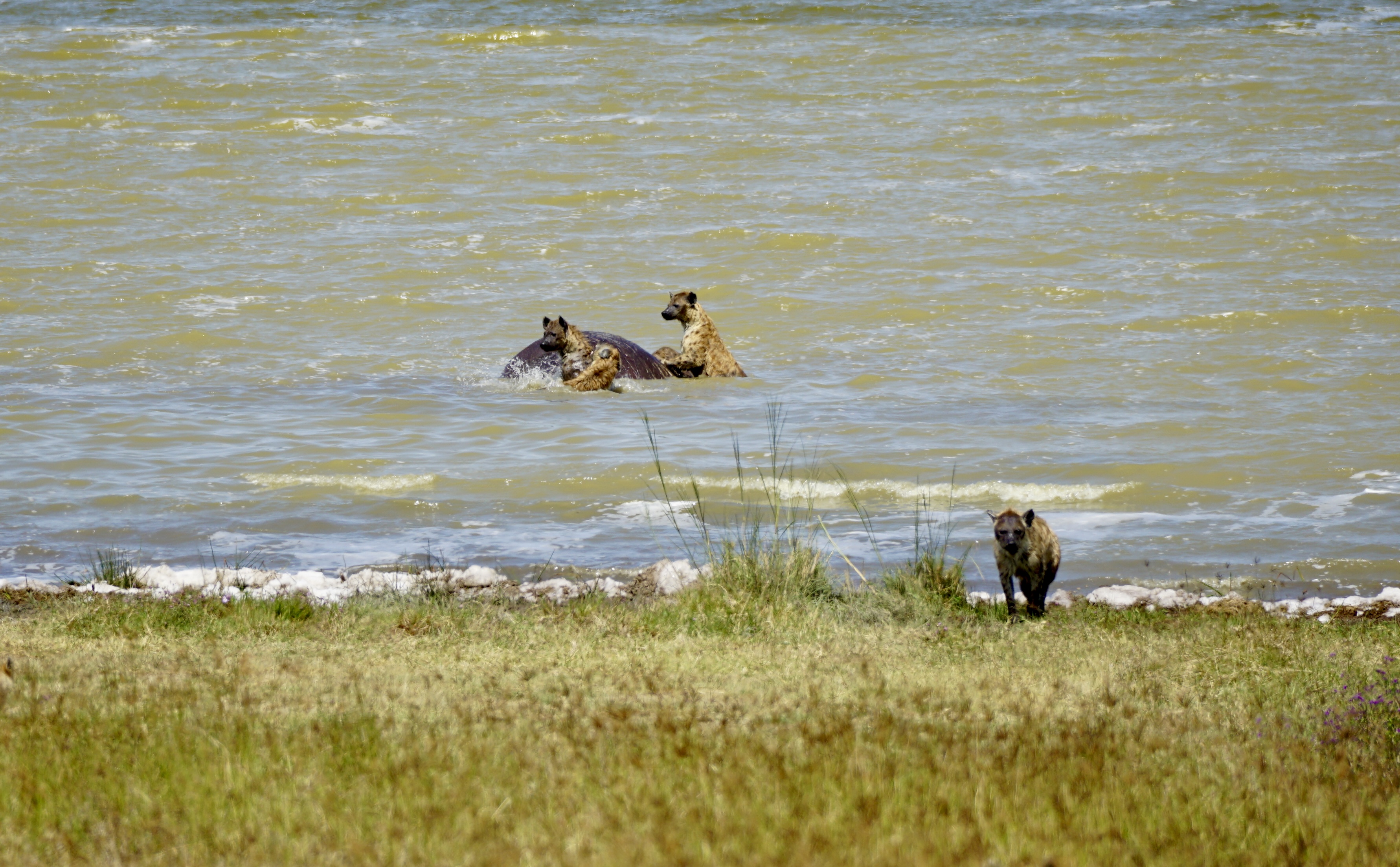
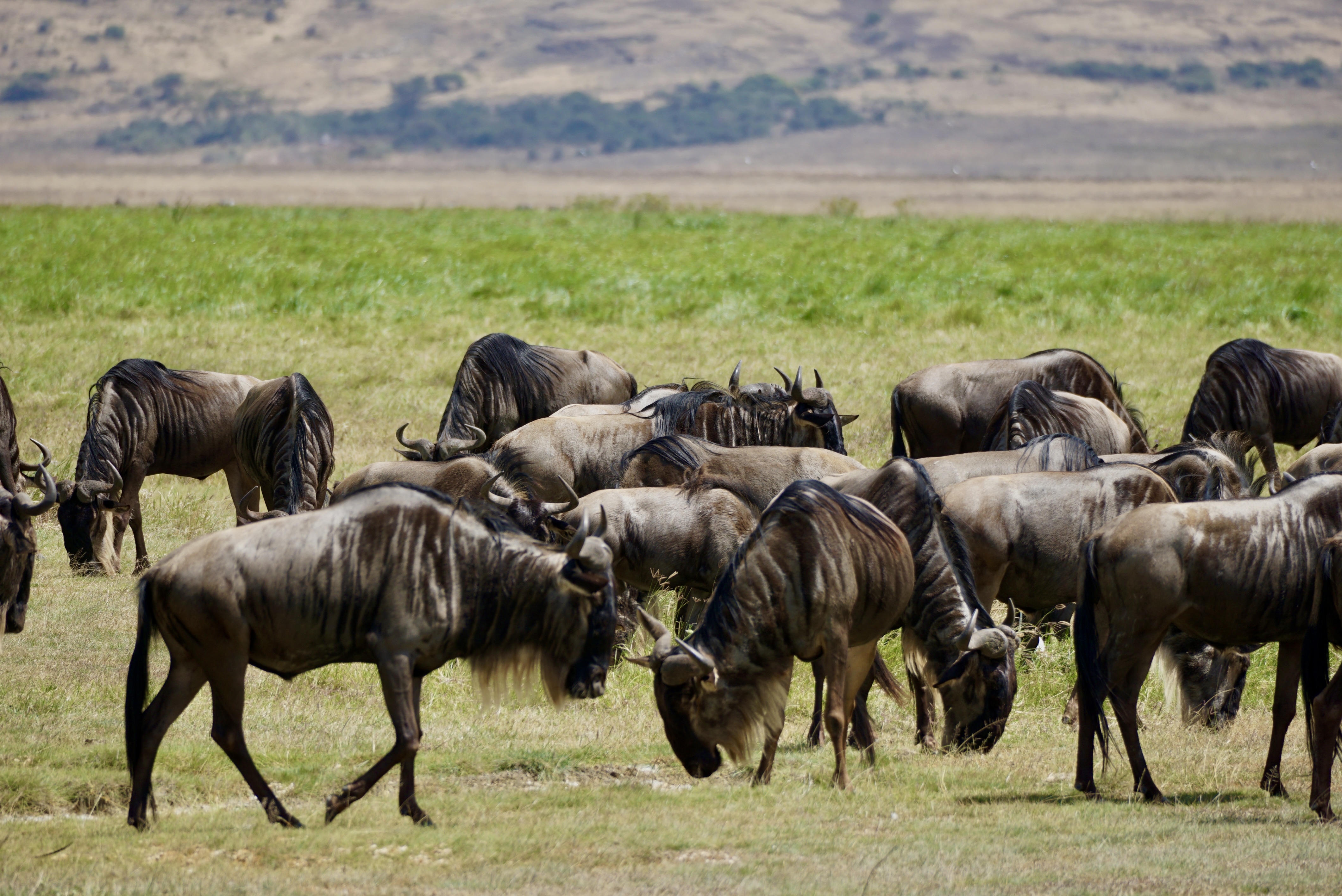
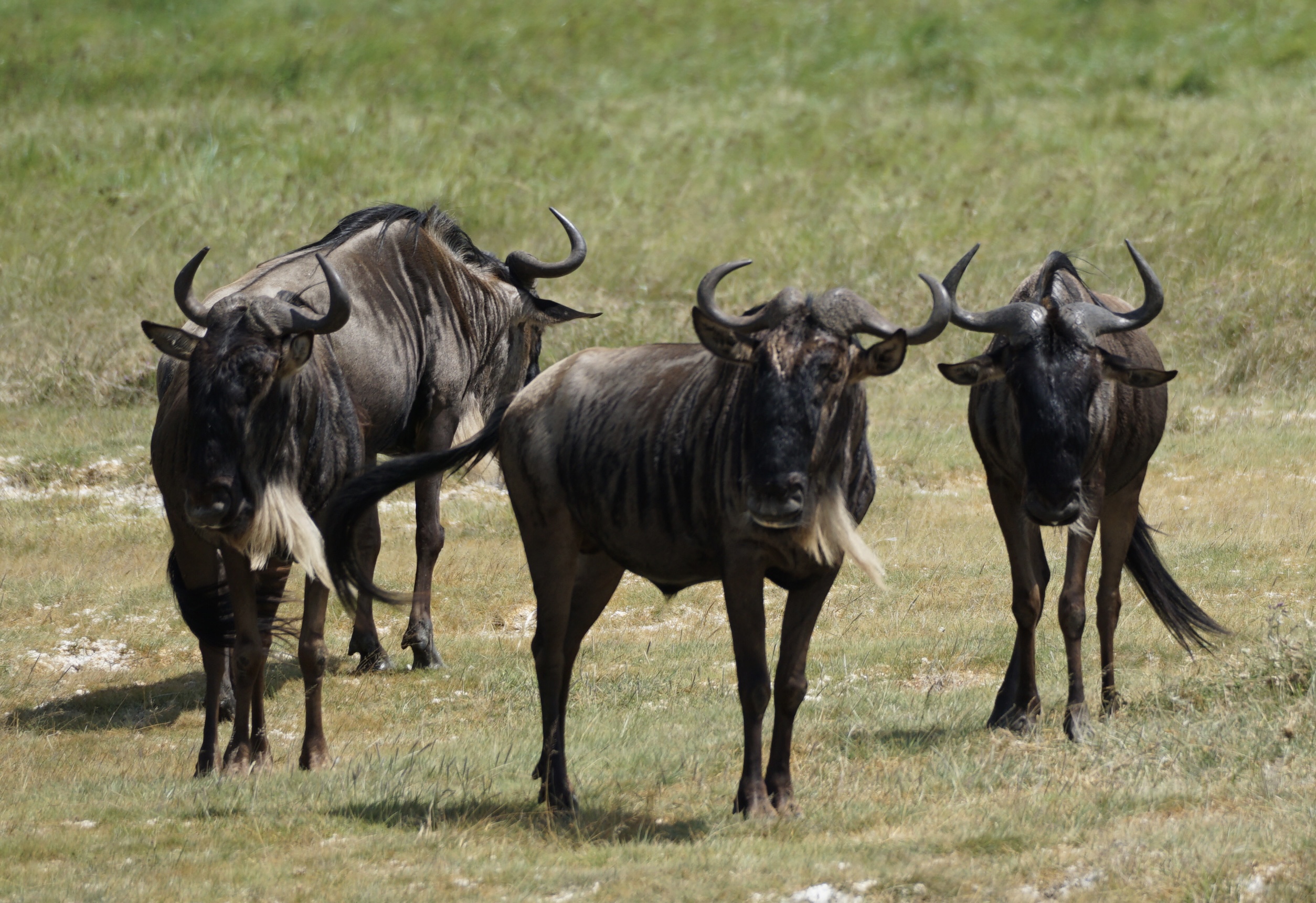
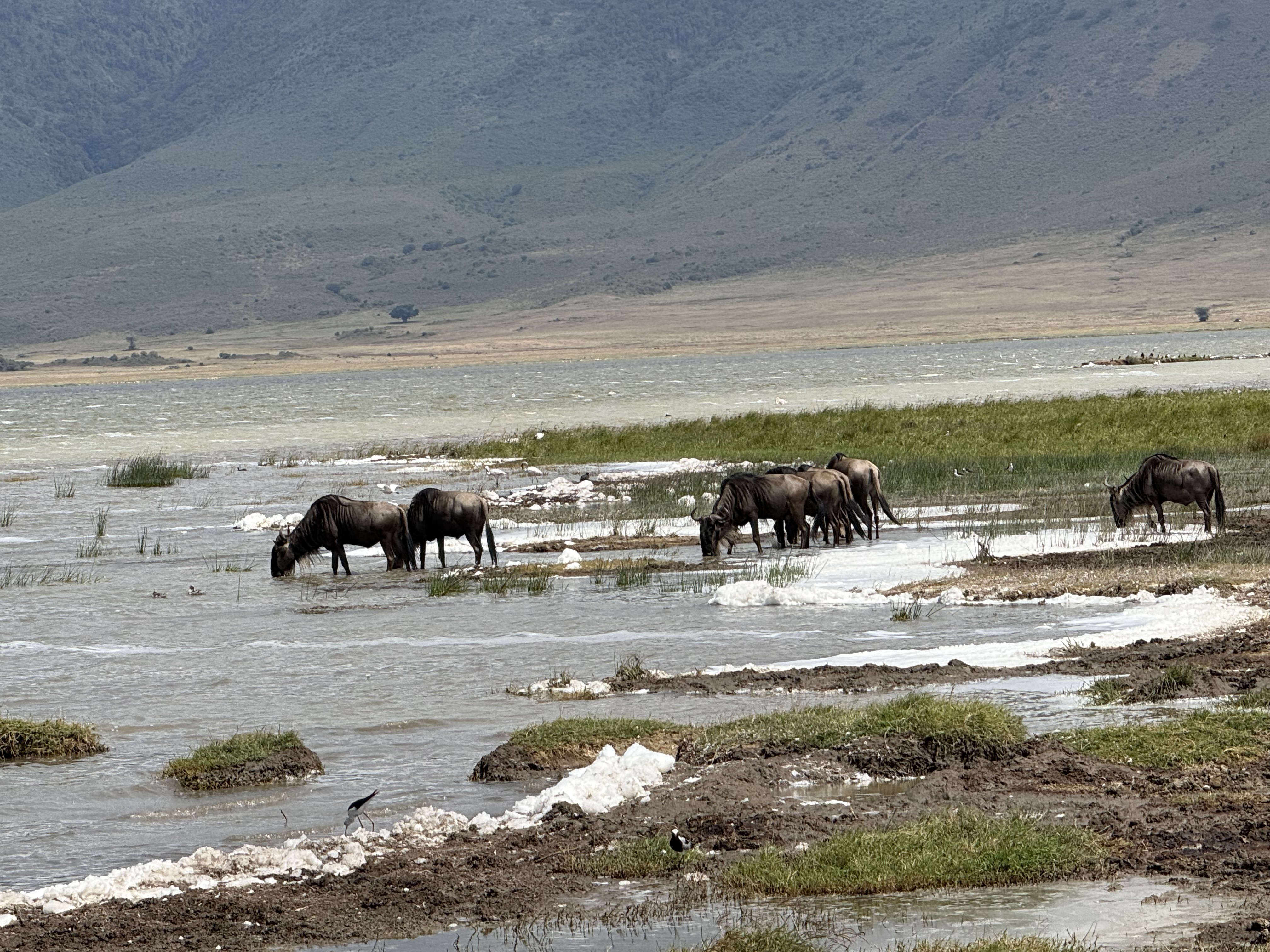
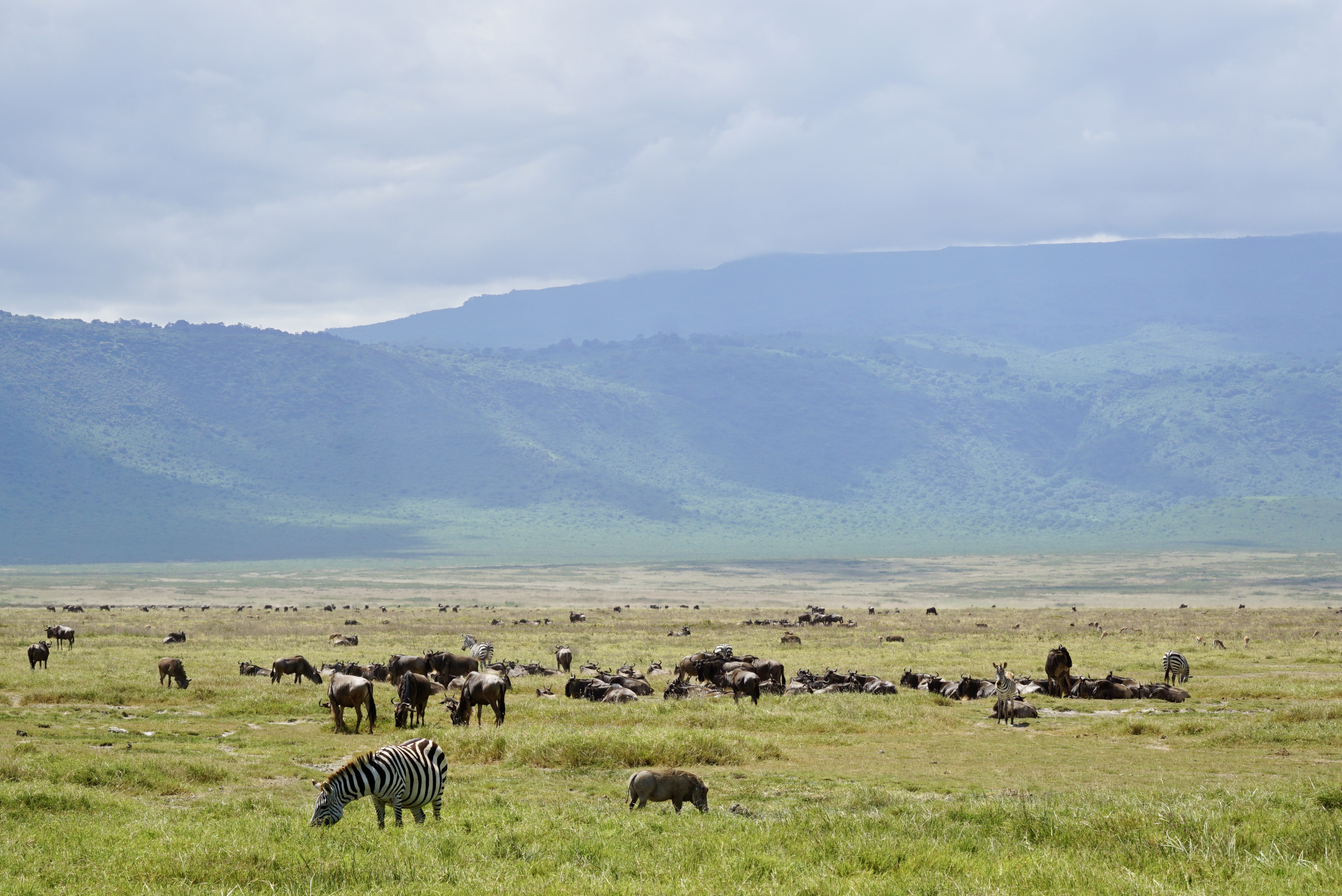

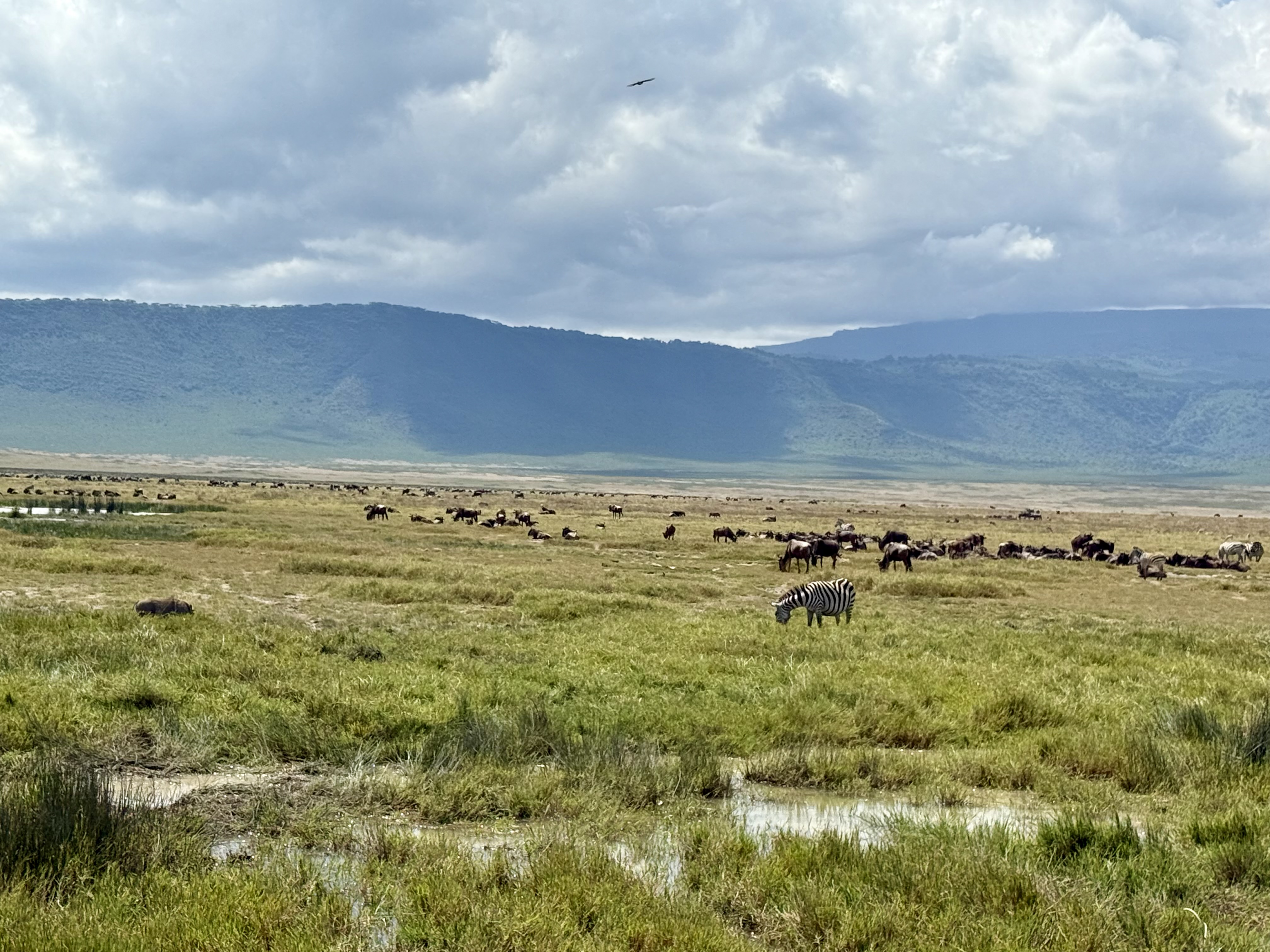
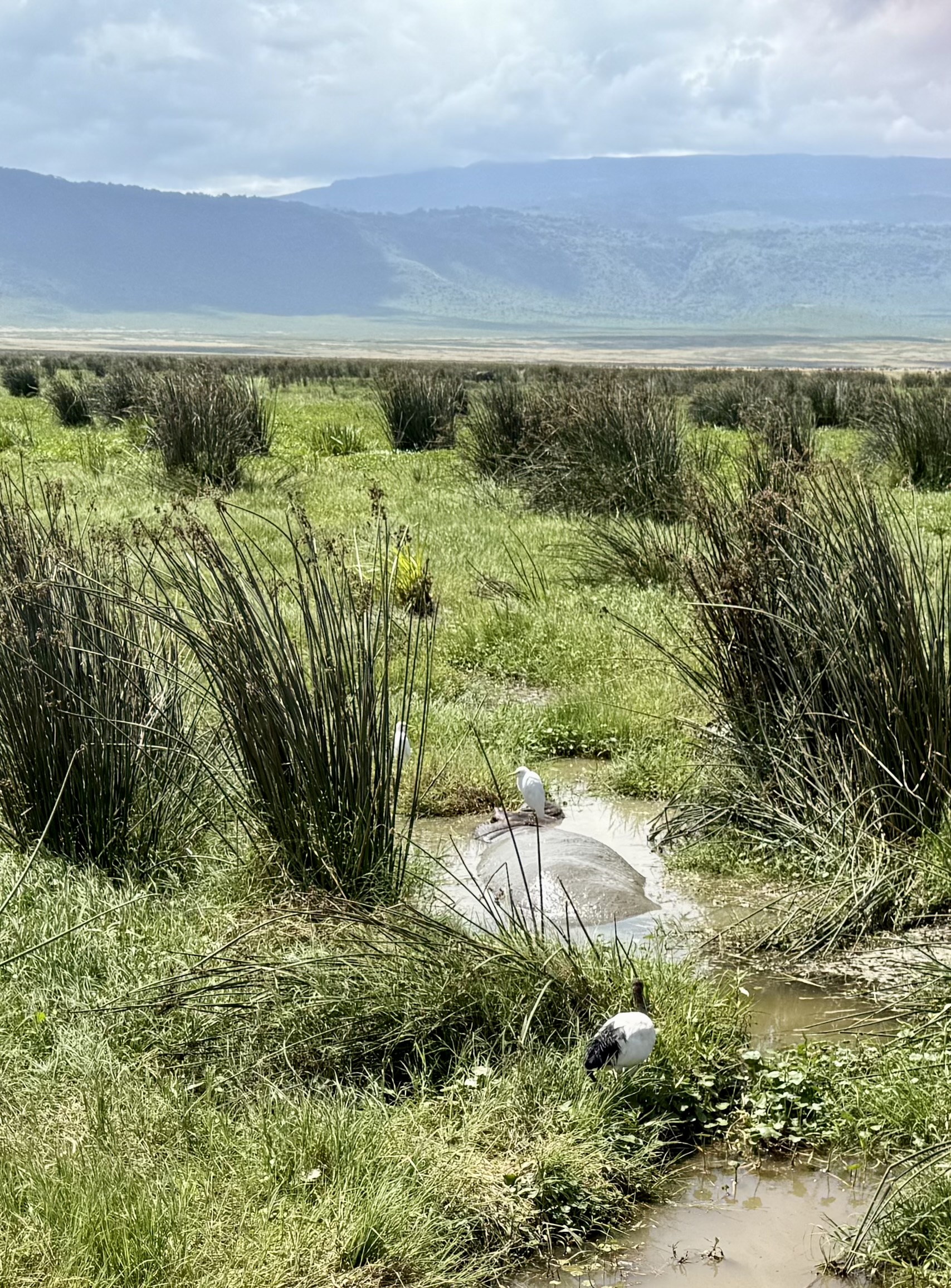
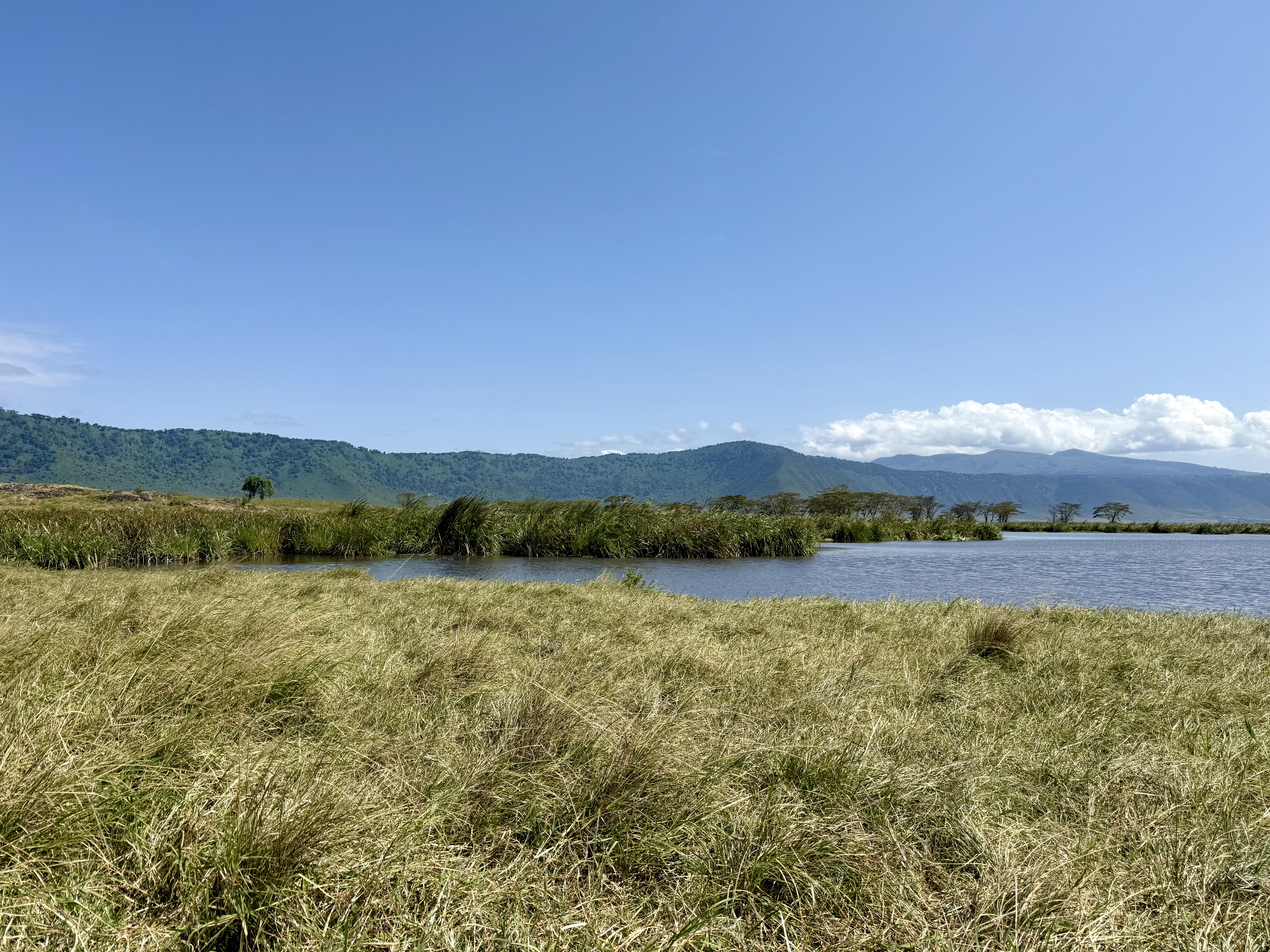
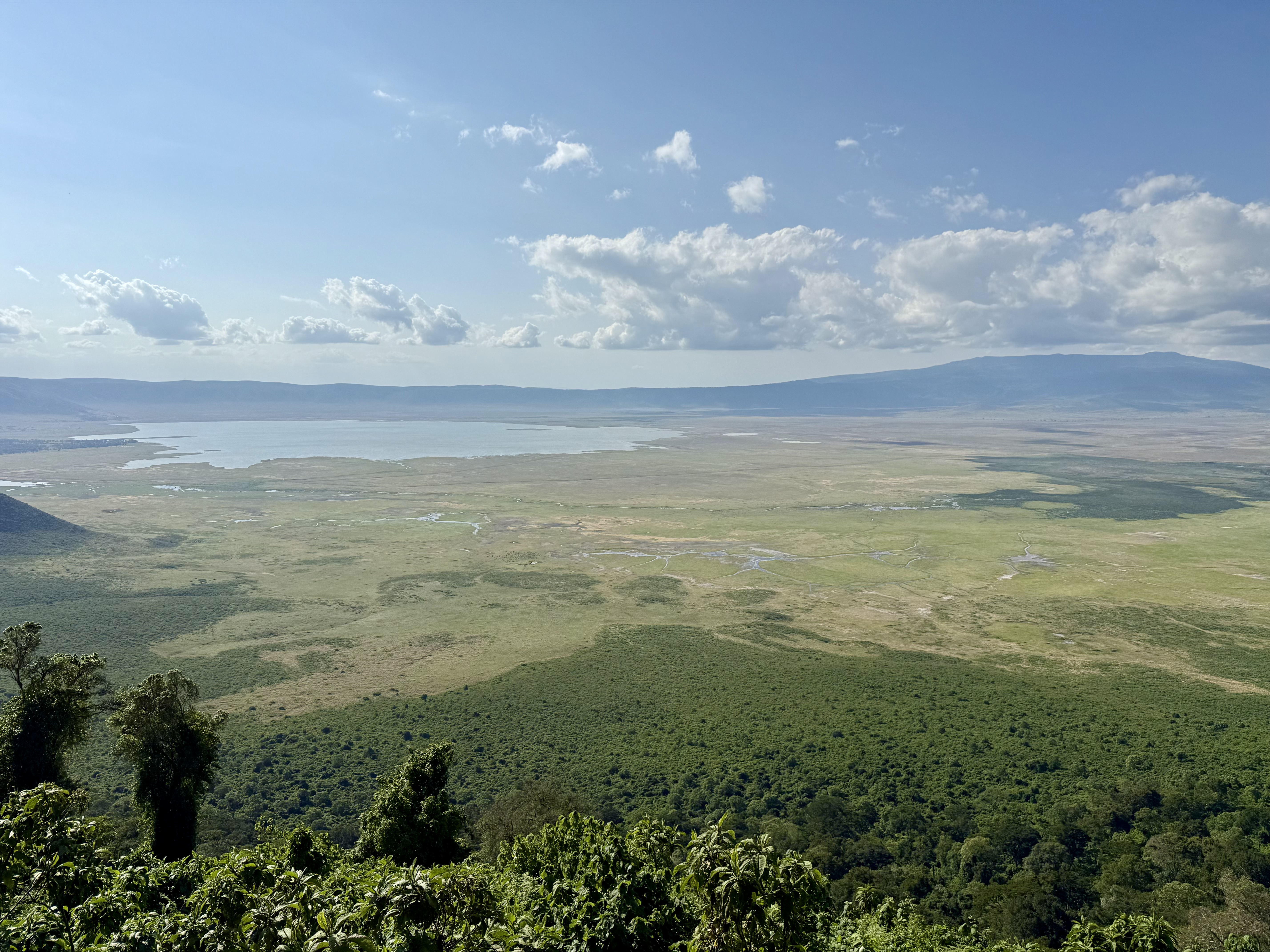
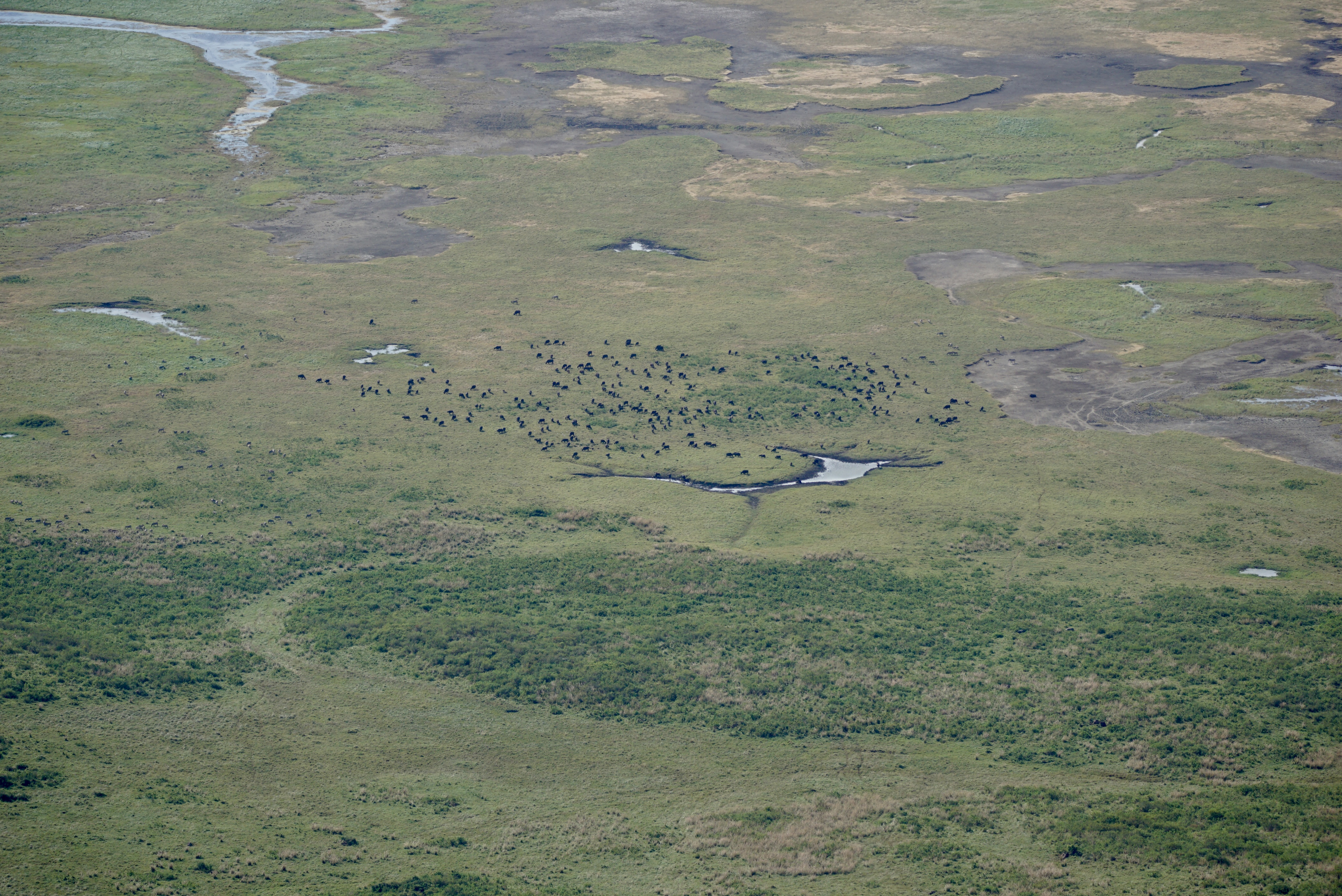
It was a fascinating day in the Ngorongoro Crater. The lions and hyenas were a special treat. On the way back to the hotel, we did stop at the overlook, which was now clear, and I could make out a large herd of buffalo that we hadn’t seen before. Earlier, we saw a couple of bulls in a stand off, but not a whole herd.
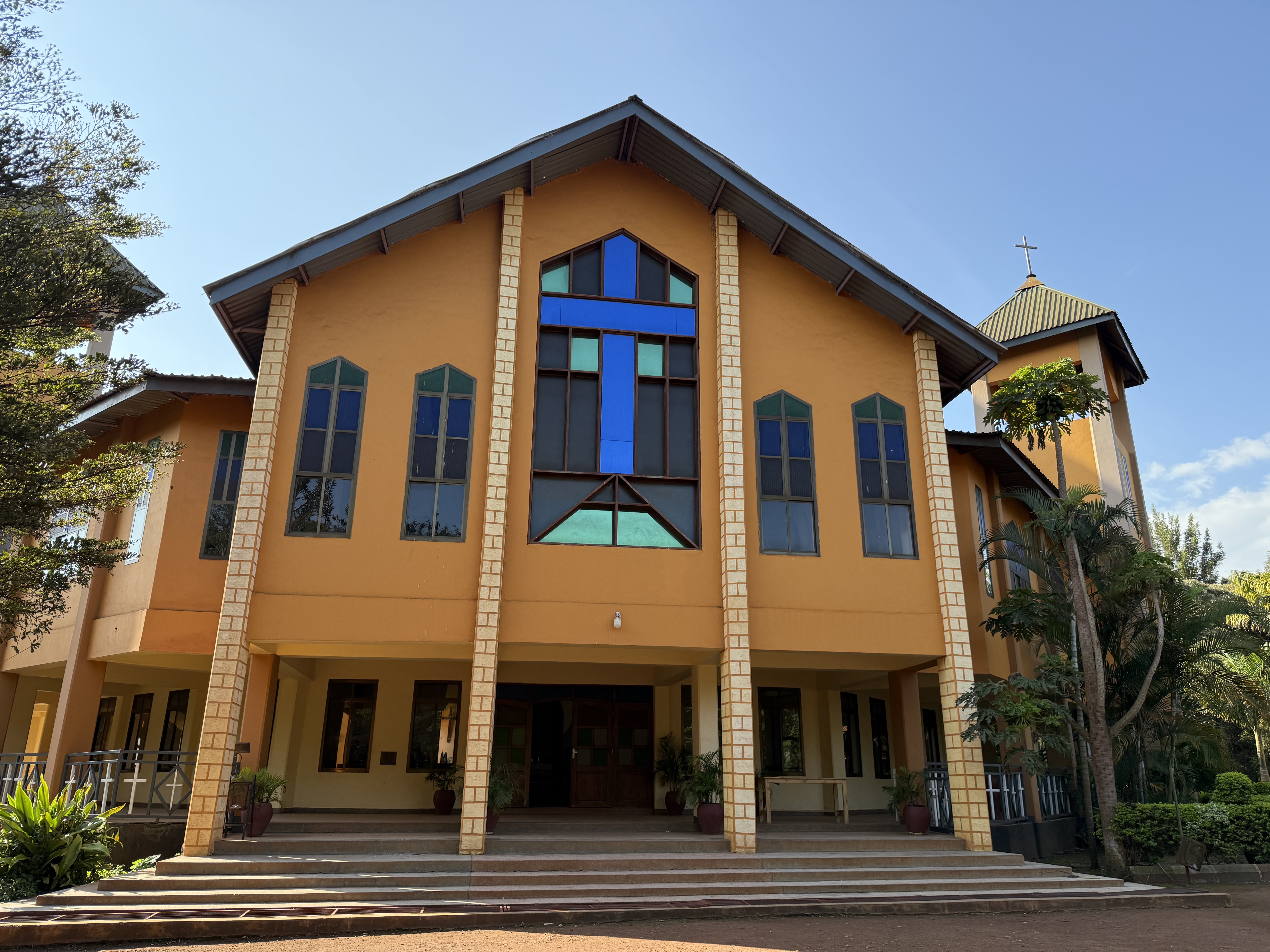
Once in town, I asked to stop at a church that I had seen on the way to the Crater. I was attracted by its architecture. It was a big building and one that was intended to fit the entire community. The minister came up and invited me to a prayer session, but I respectfully declined. On this note, I should mention that Godlisten’s name came from his mother. His parents had had two girls before he was born, so she went to church to pray for a boy. When he was born, she named him God Listen(s).
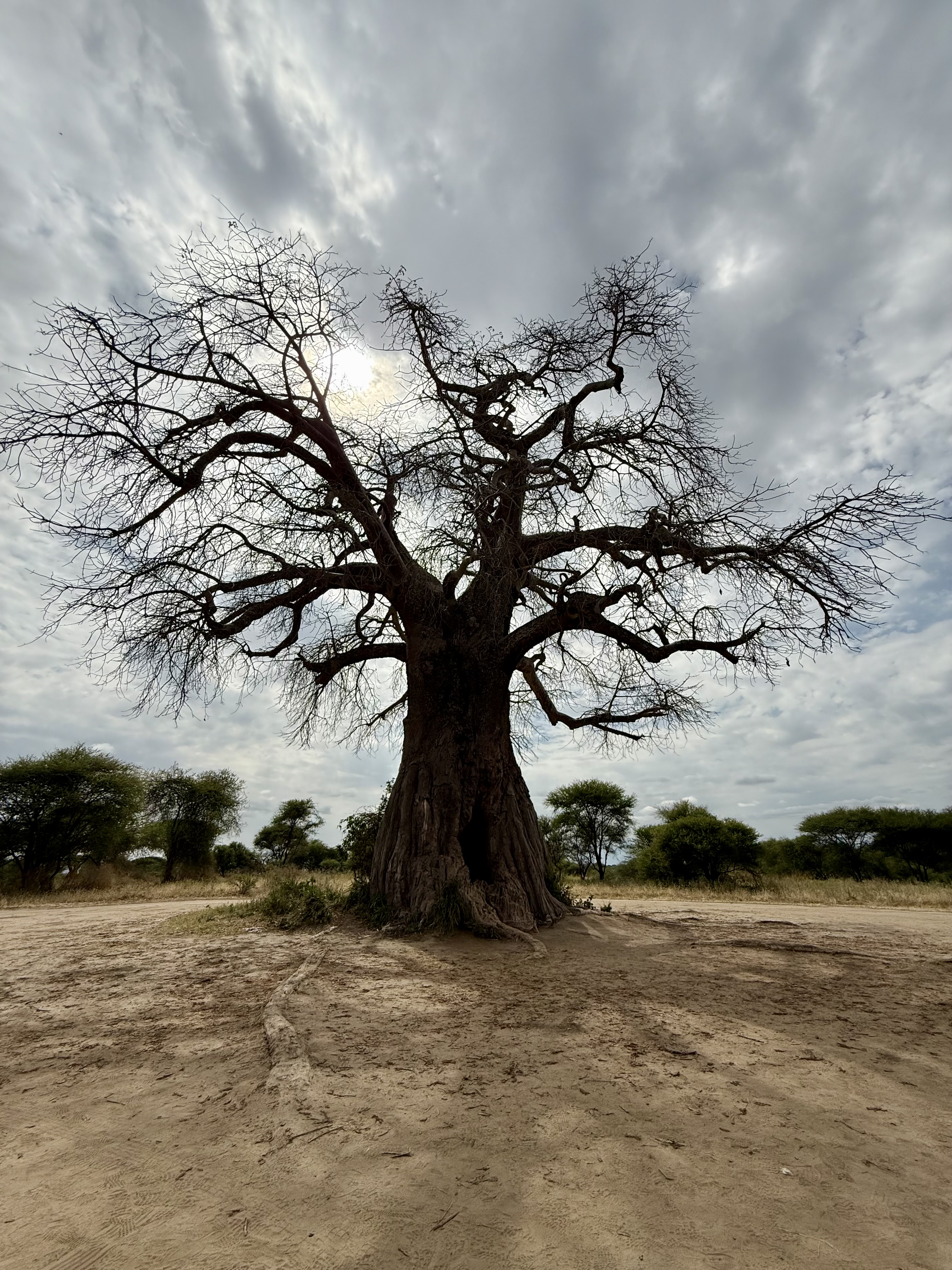
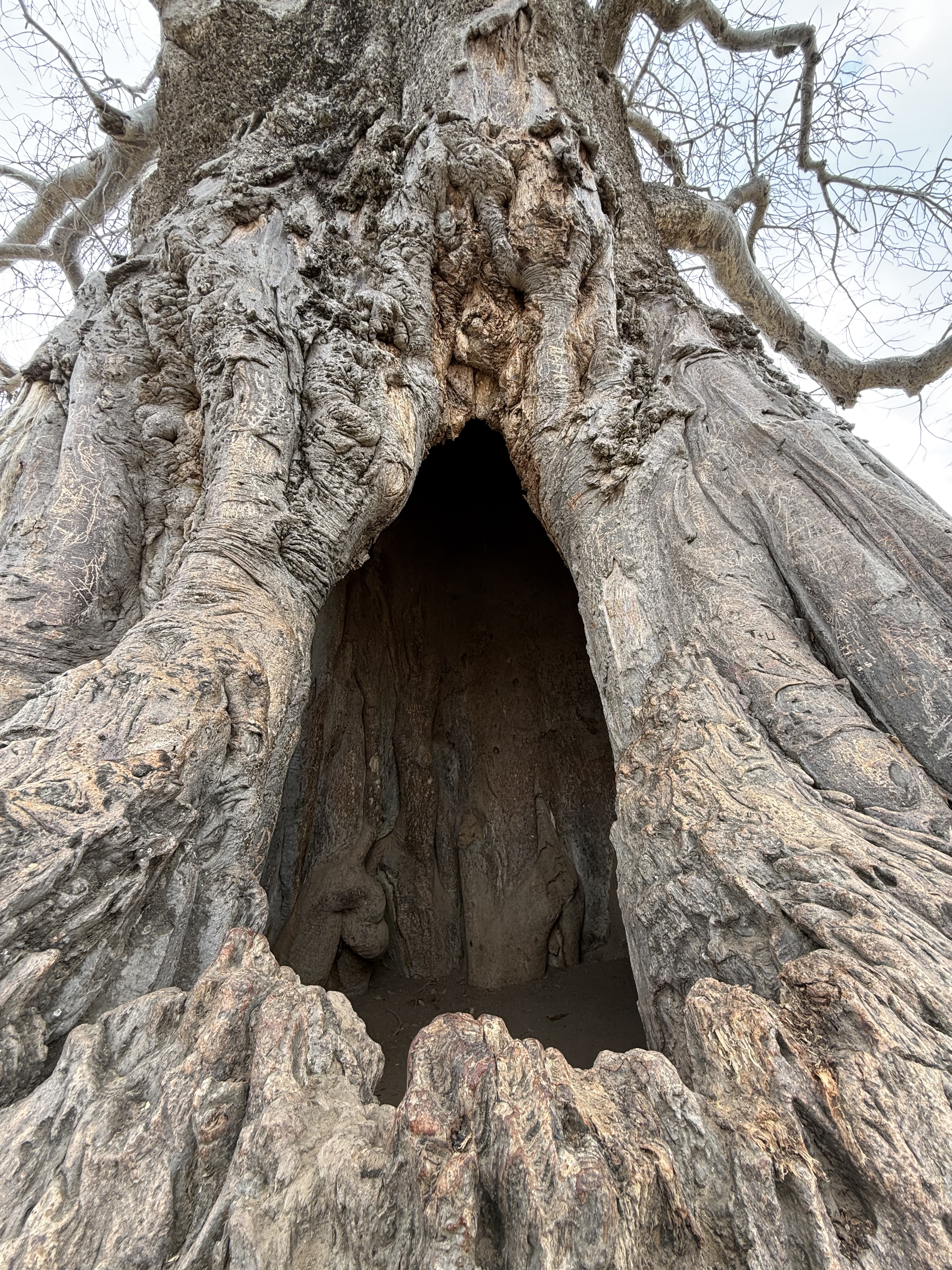
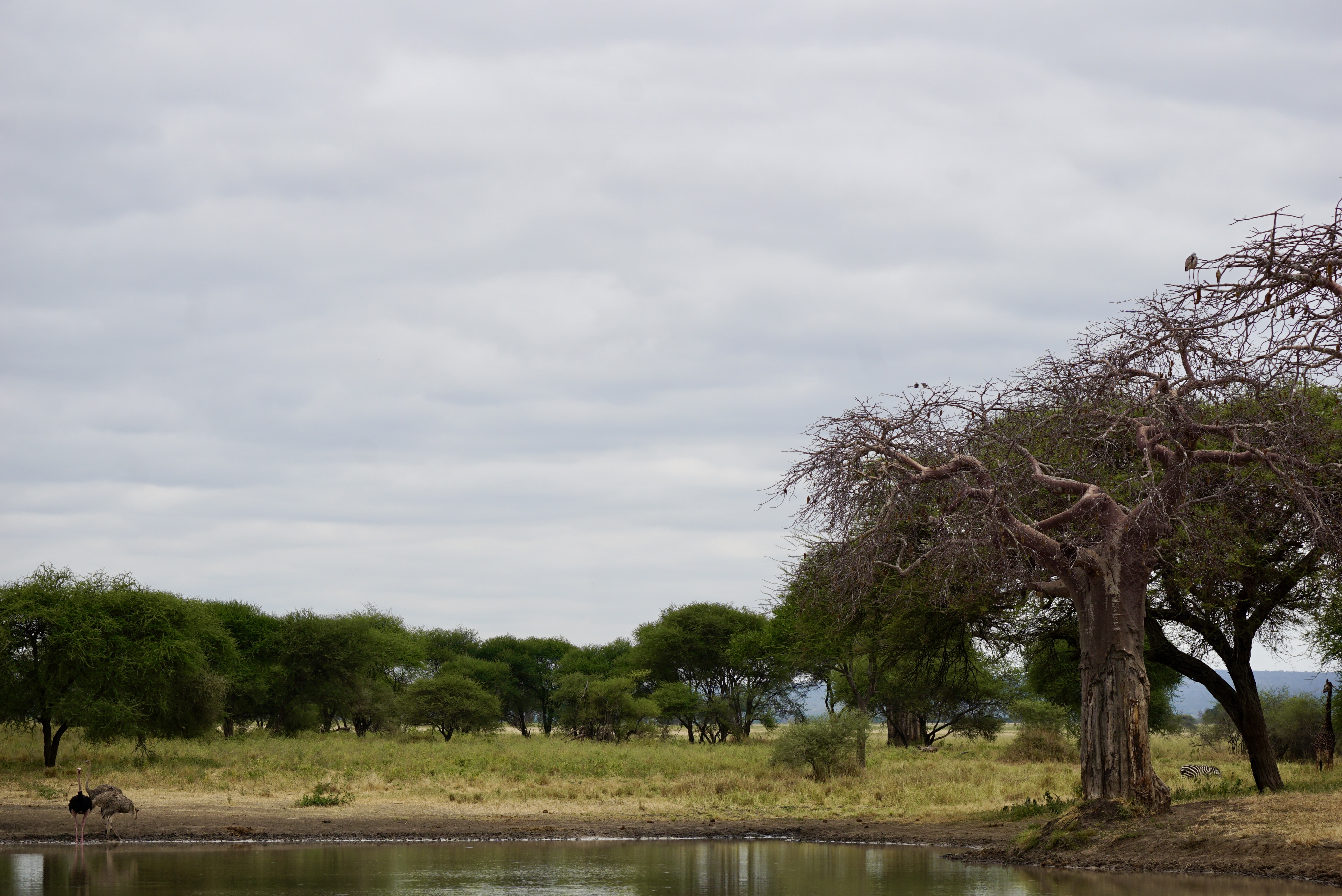
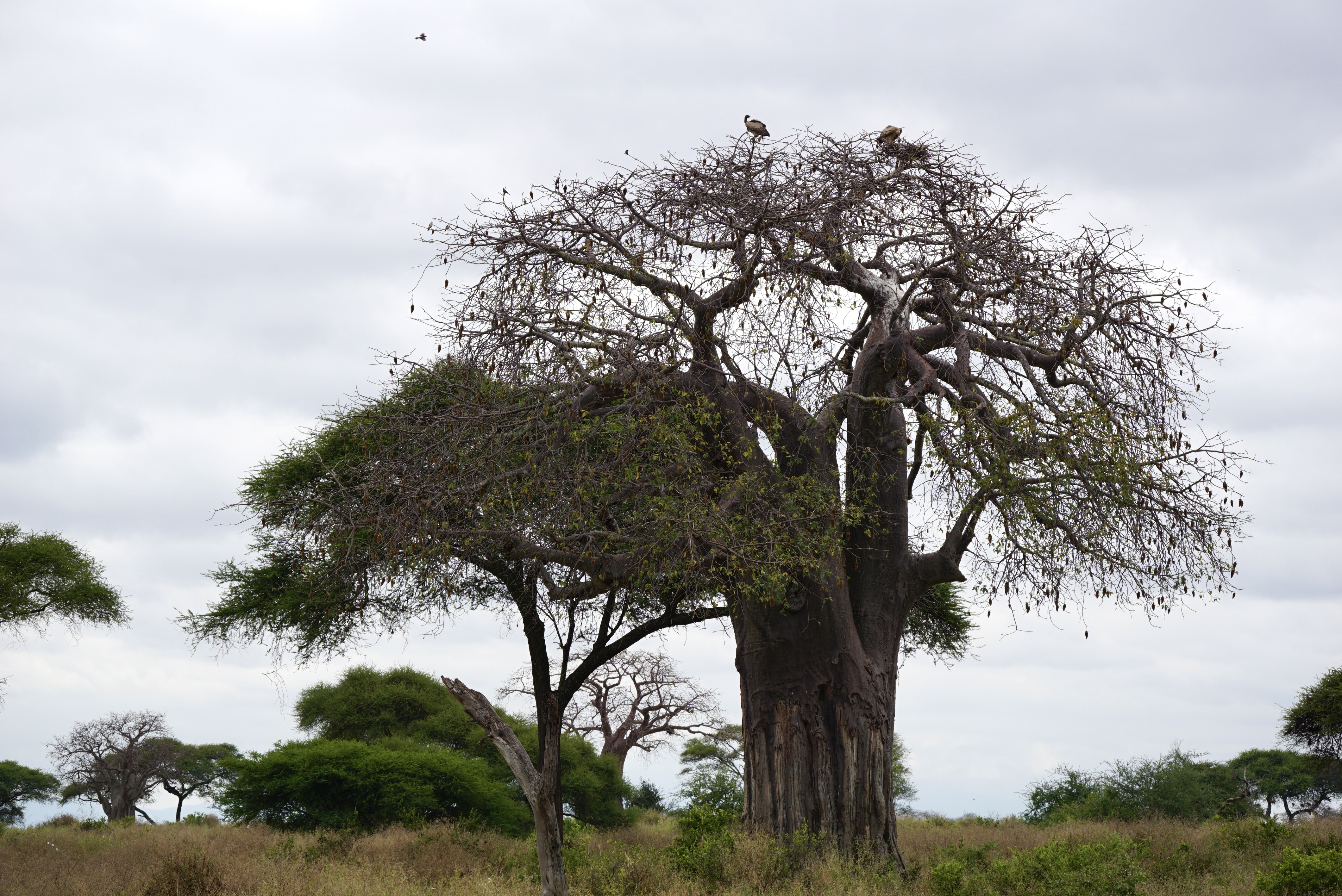
The last National Park I visited in Tanzania was Tarangire National Park. The name comes from two words in the local language, Tara which means water and Ngire which means warthog. There used to be quite a few warthogs in the region, but now there aren’t that many. There is water, though, and the baobab trees flourish throughout the park. They only grow when there is sufficient ground water, and their fruit is used to make a porridge-like food. I find these trees to be absolutely fascinating as their branches grow like limbs from imaginary creatures, and I fantasize they are like living elders guarding the critters and flora below while the birds make their nests on their tops. There is one ‘grandmother’ baobab in the center of the park that is hollow inside and is a destination spot for visitors. This tree has a special aura that radiates throughout the surroundings.
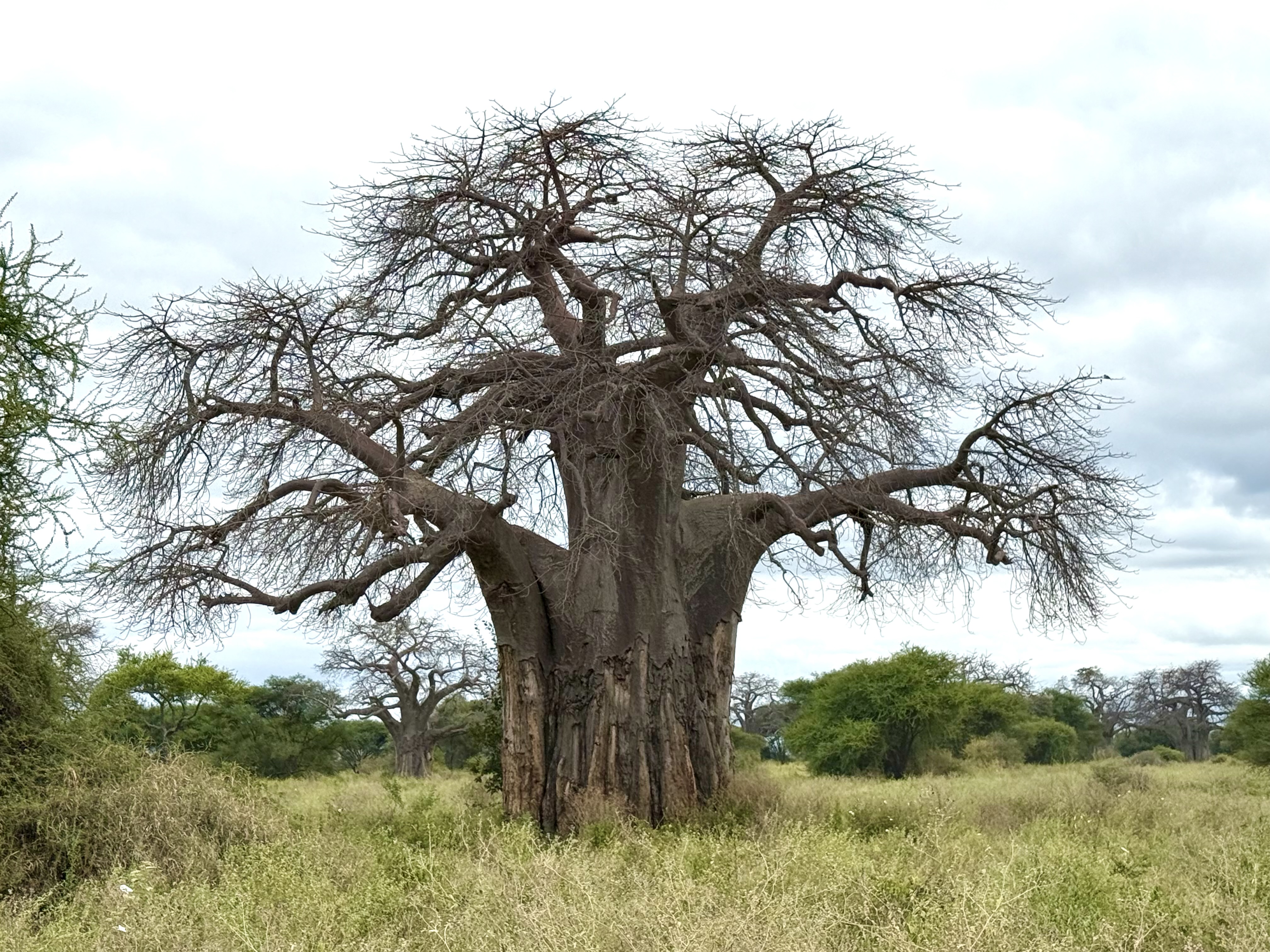
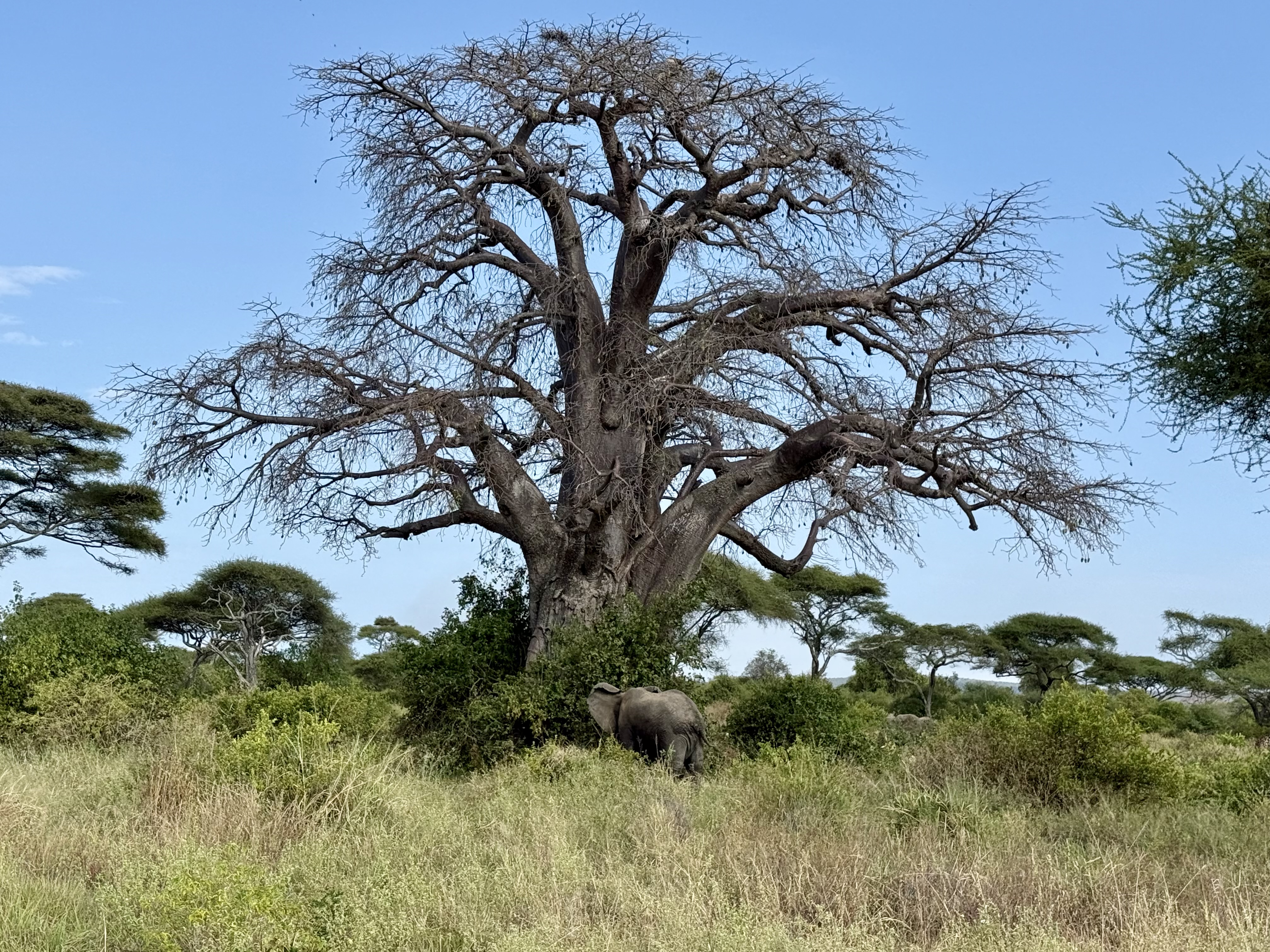
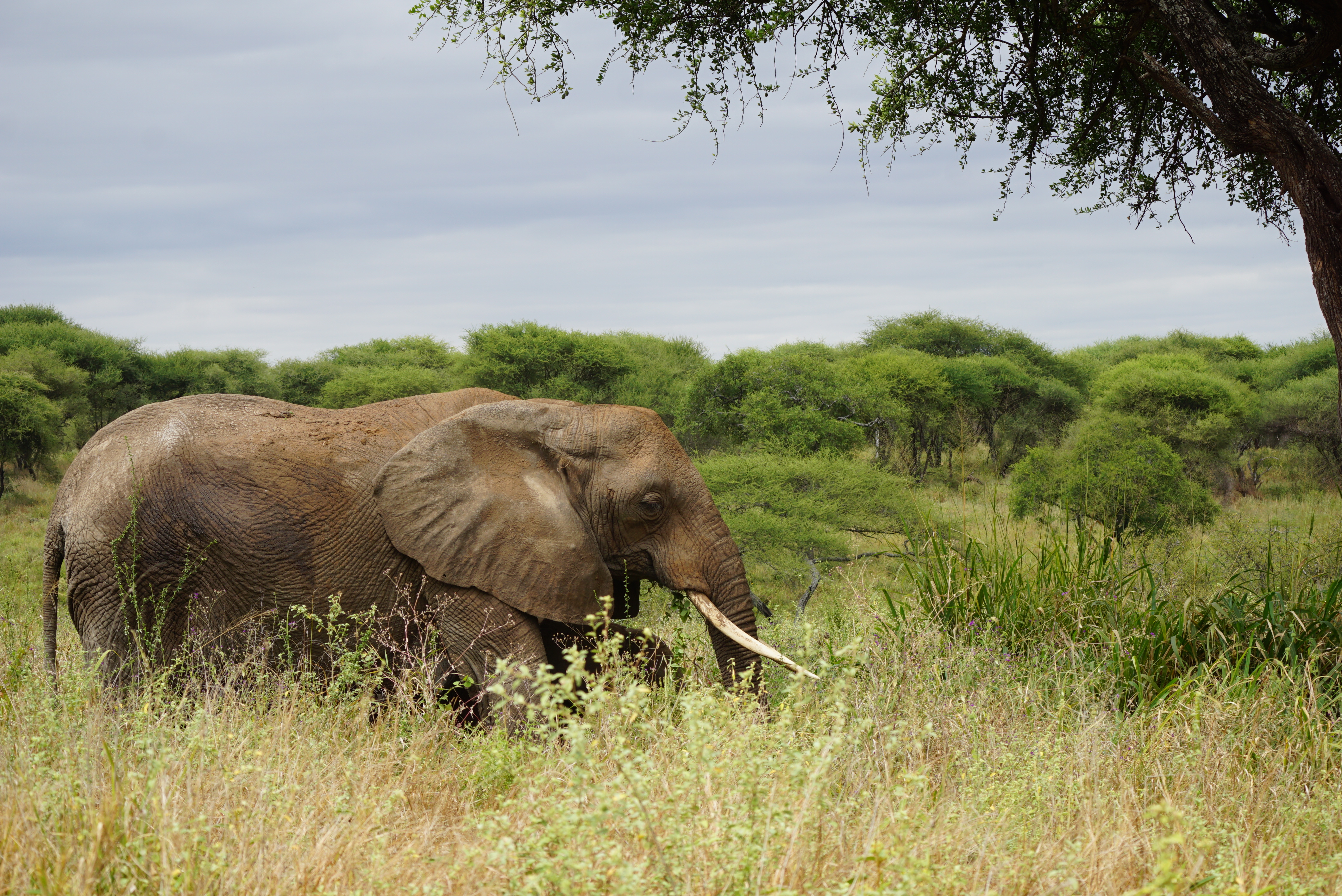
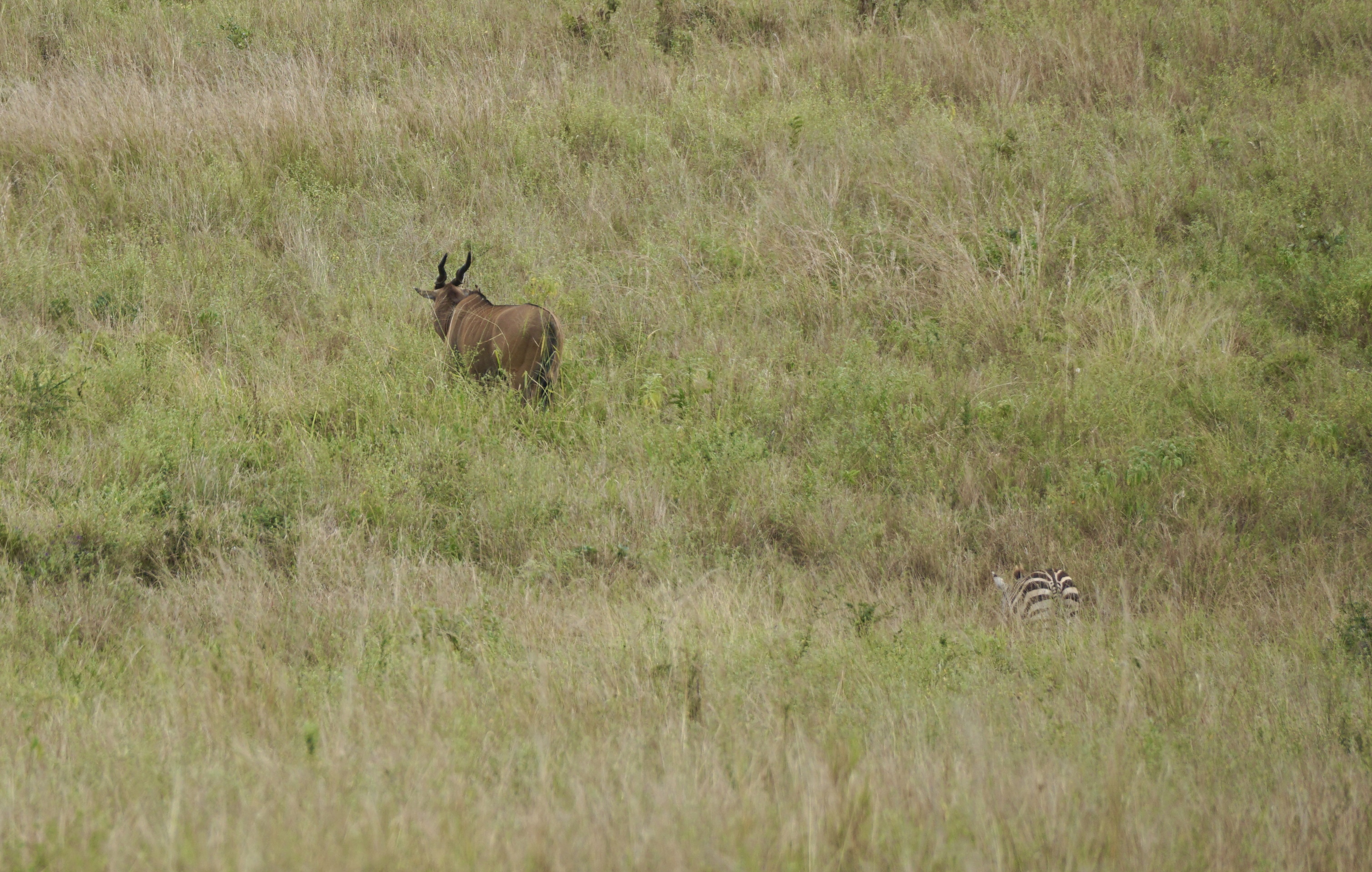
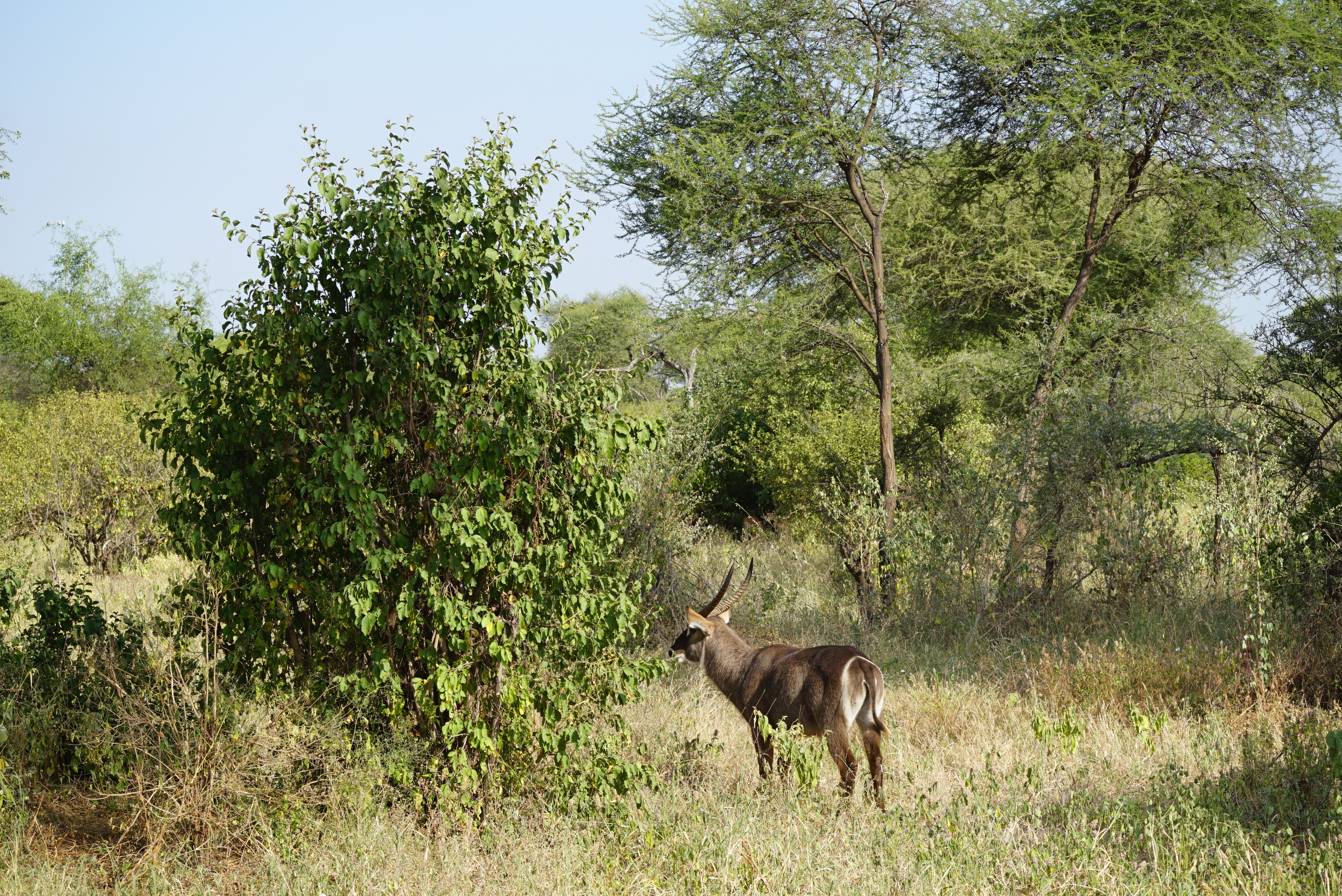
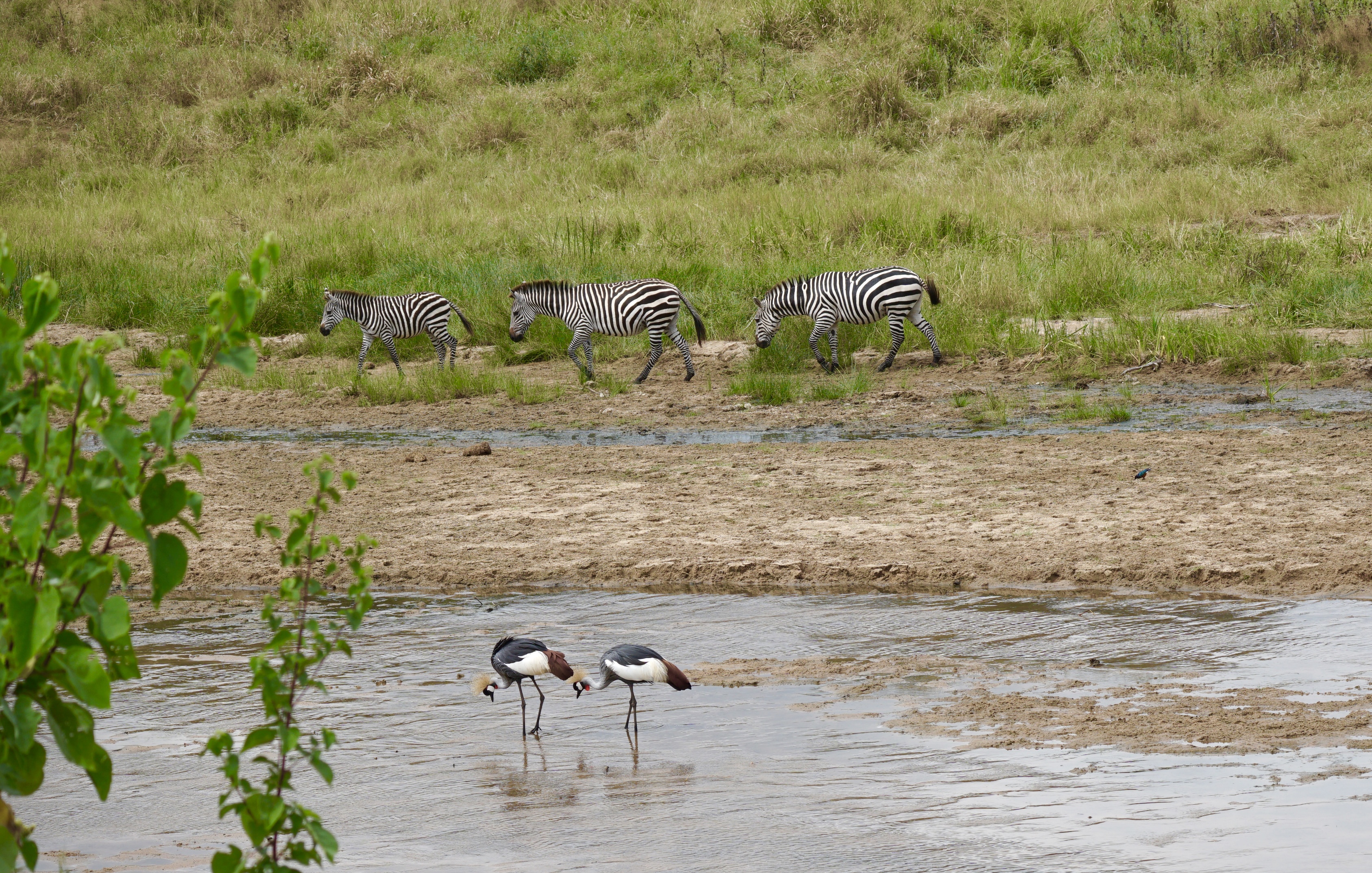
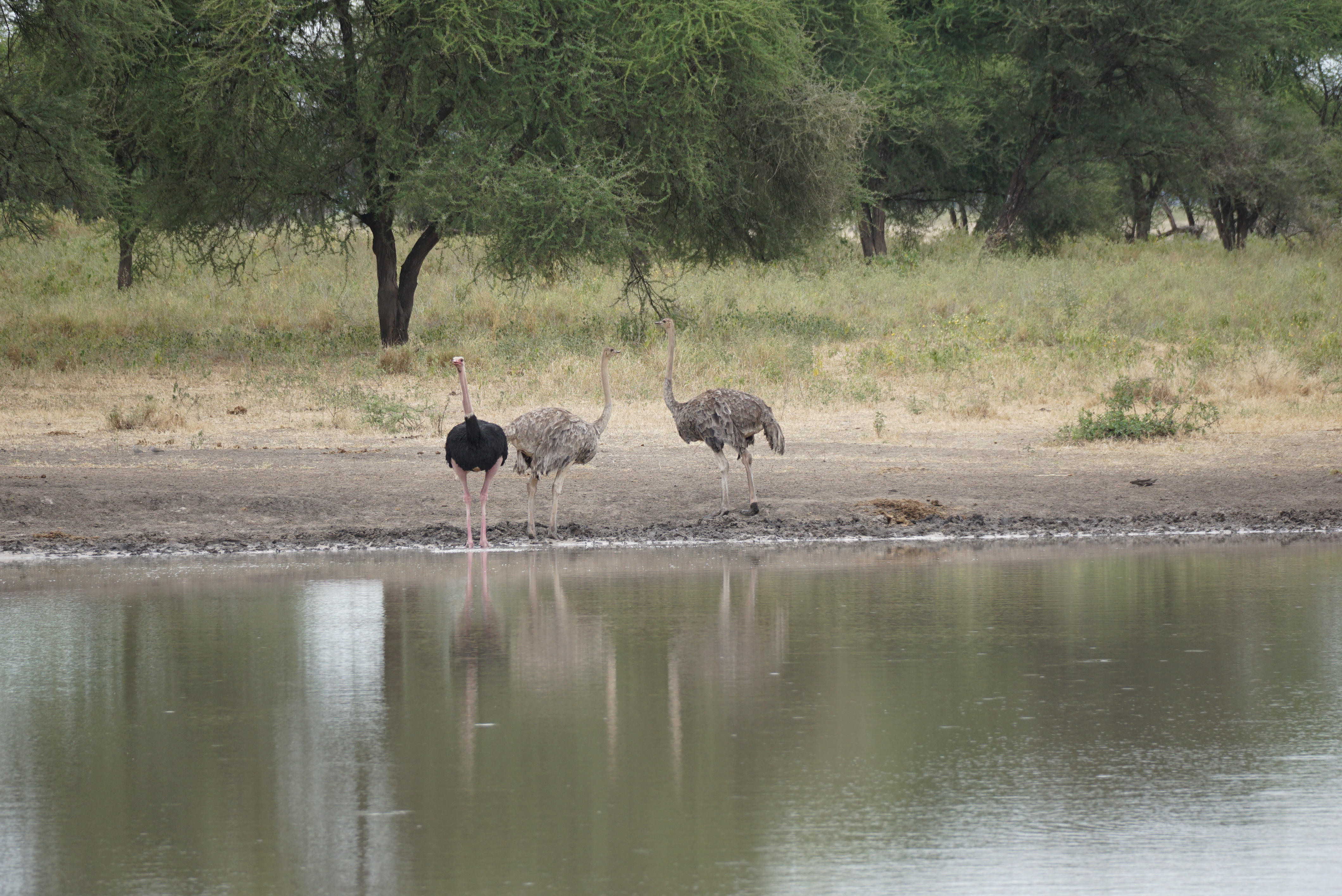
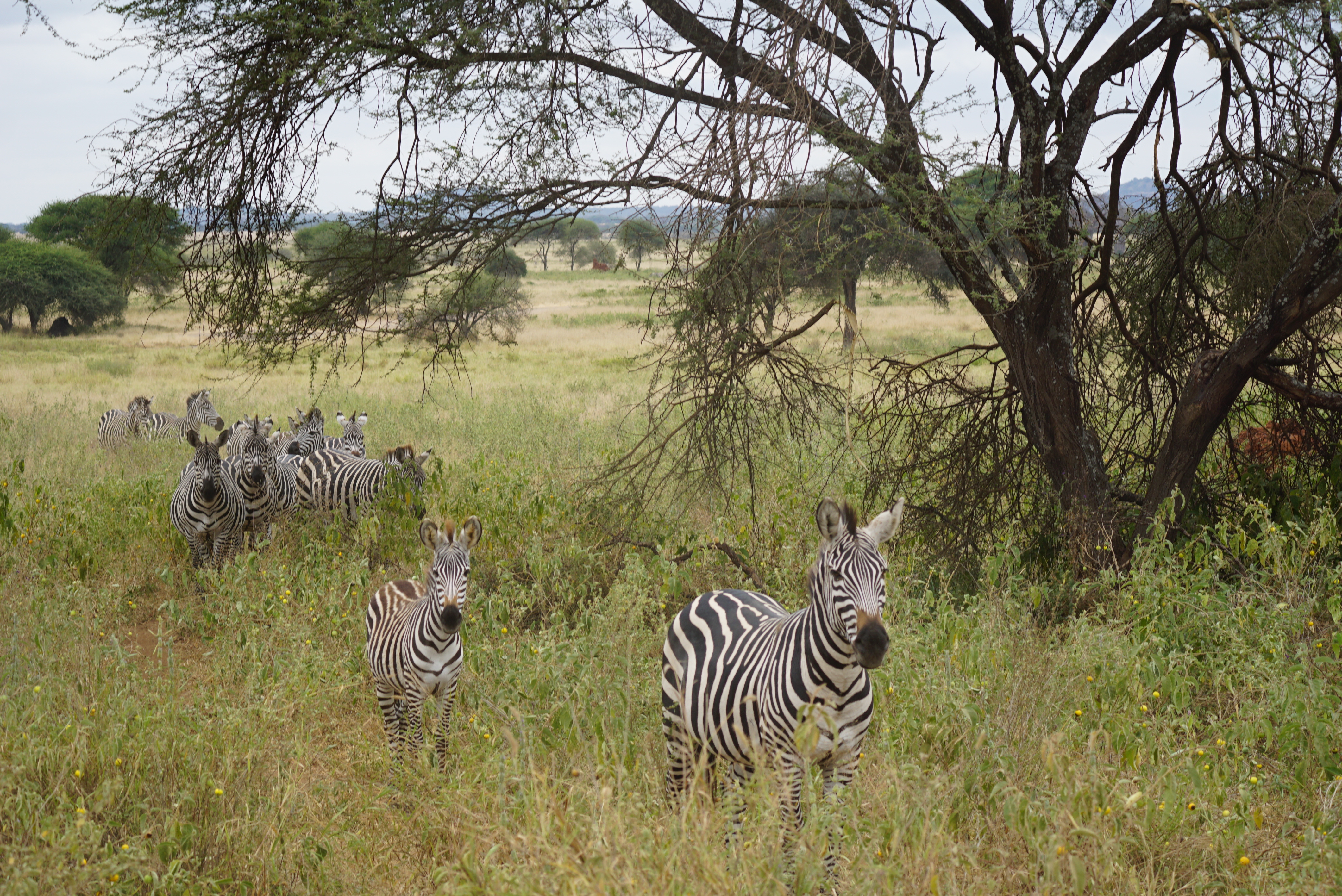
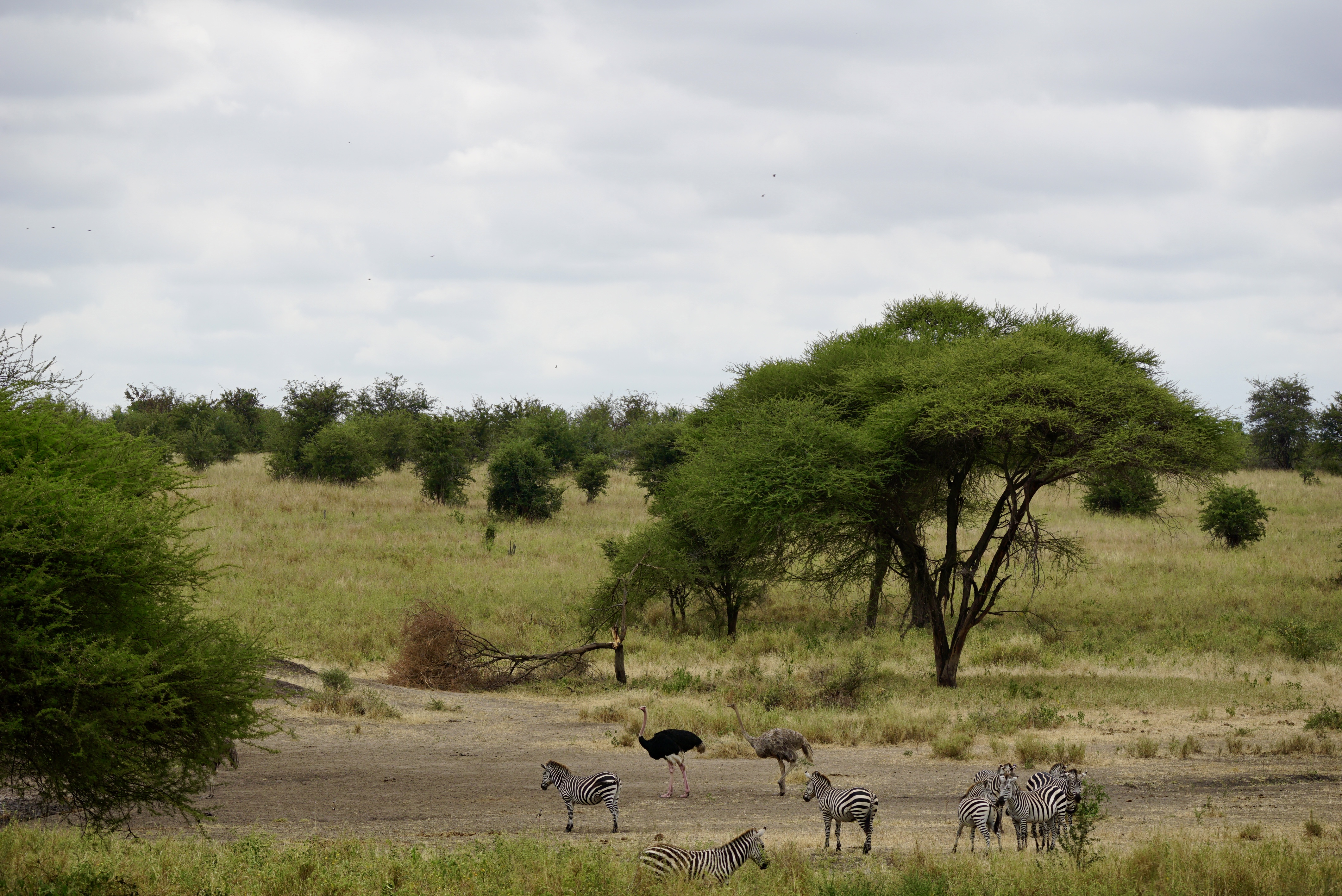
The park is known for the baobabs and for its elephant herds. While we saw lots of elephants, we also saw herds and herds and more herds of zebra, many of which were hidden in the tall grasses. Tarangire offers diverse habitats, but much of it includes tall grasses surrounded by trees which the giraffes love. The elephants seem to like to eat the smaller trees but also pull the bark from the baobabs. Elephant damage is noticeable on most of their very thick stems. Given the water in the park, there were more water bucks visible here than elsewhere, as well as elands. Common impalas mixed in with the zebra and water bucks, and an occasional wildebeest accompanied the zebras. Ostrich came down to the Tarangire River to drink at the same time zebras and a giraffe and a grey heron appeared.
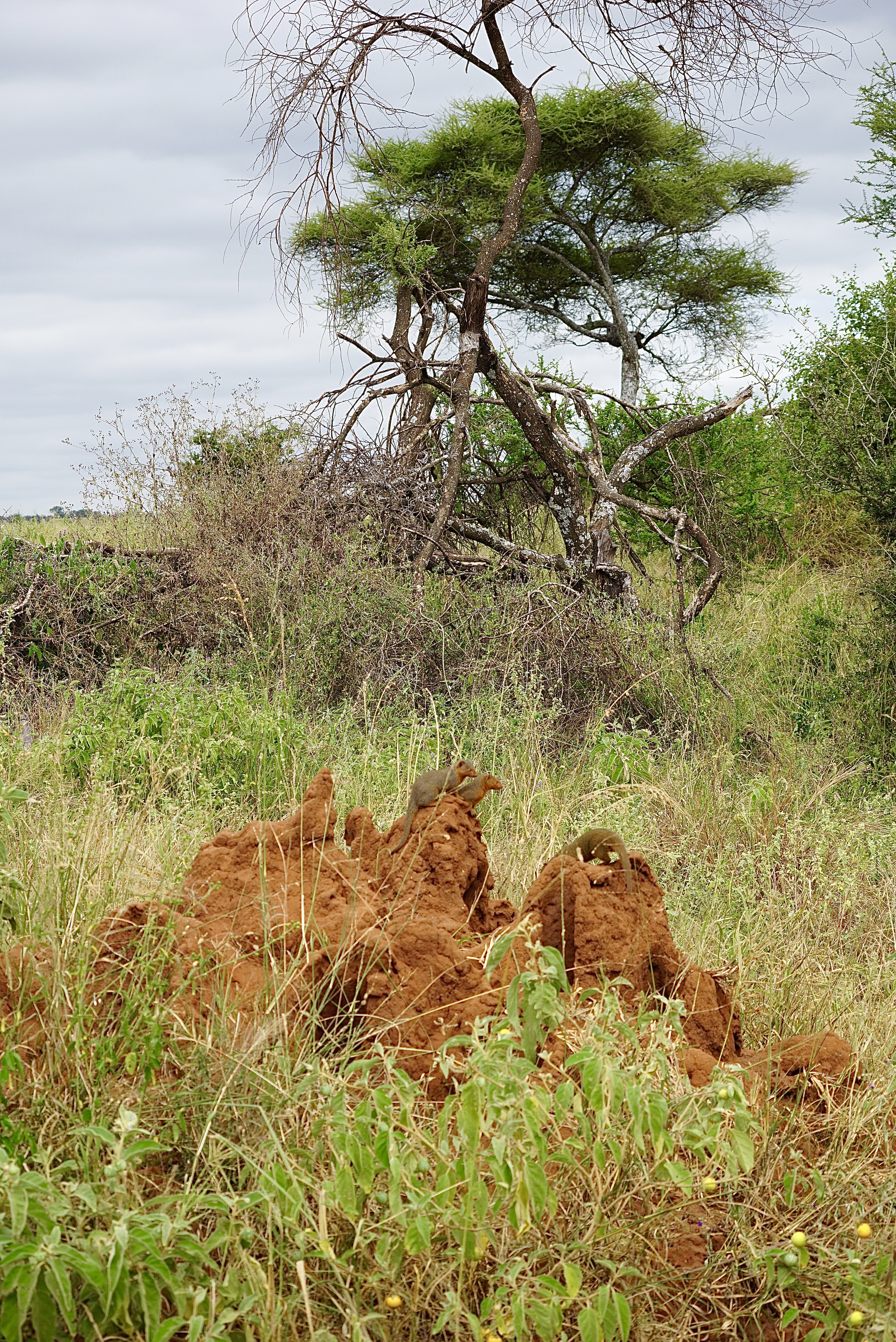
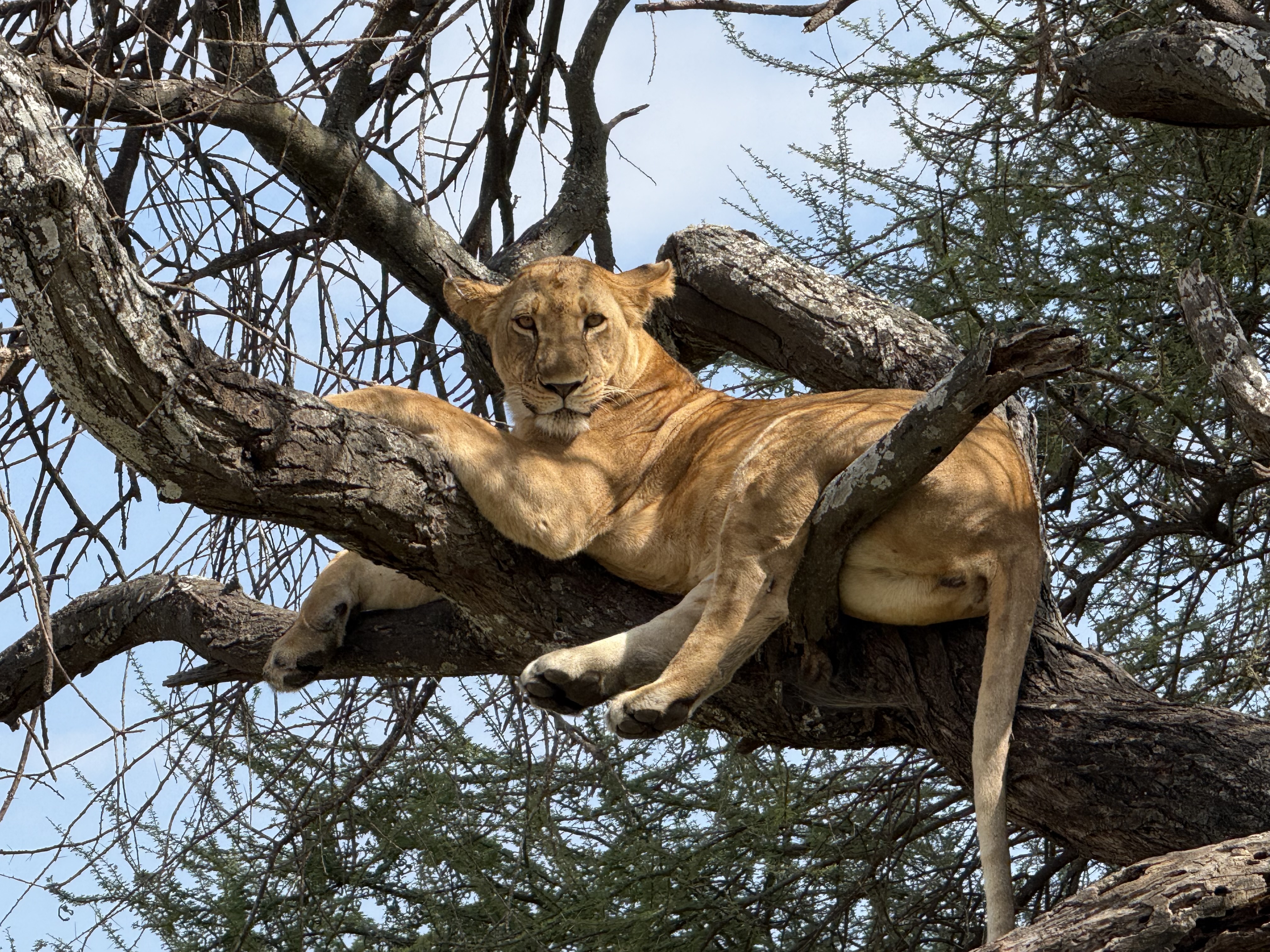
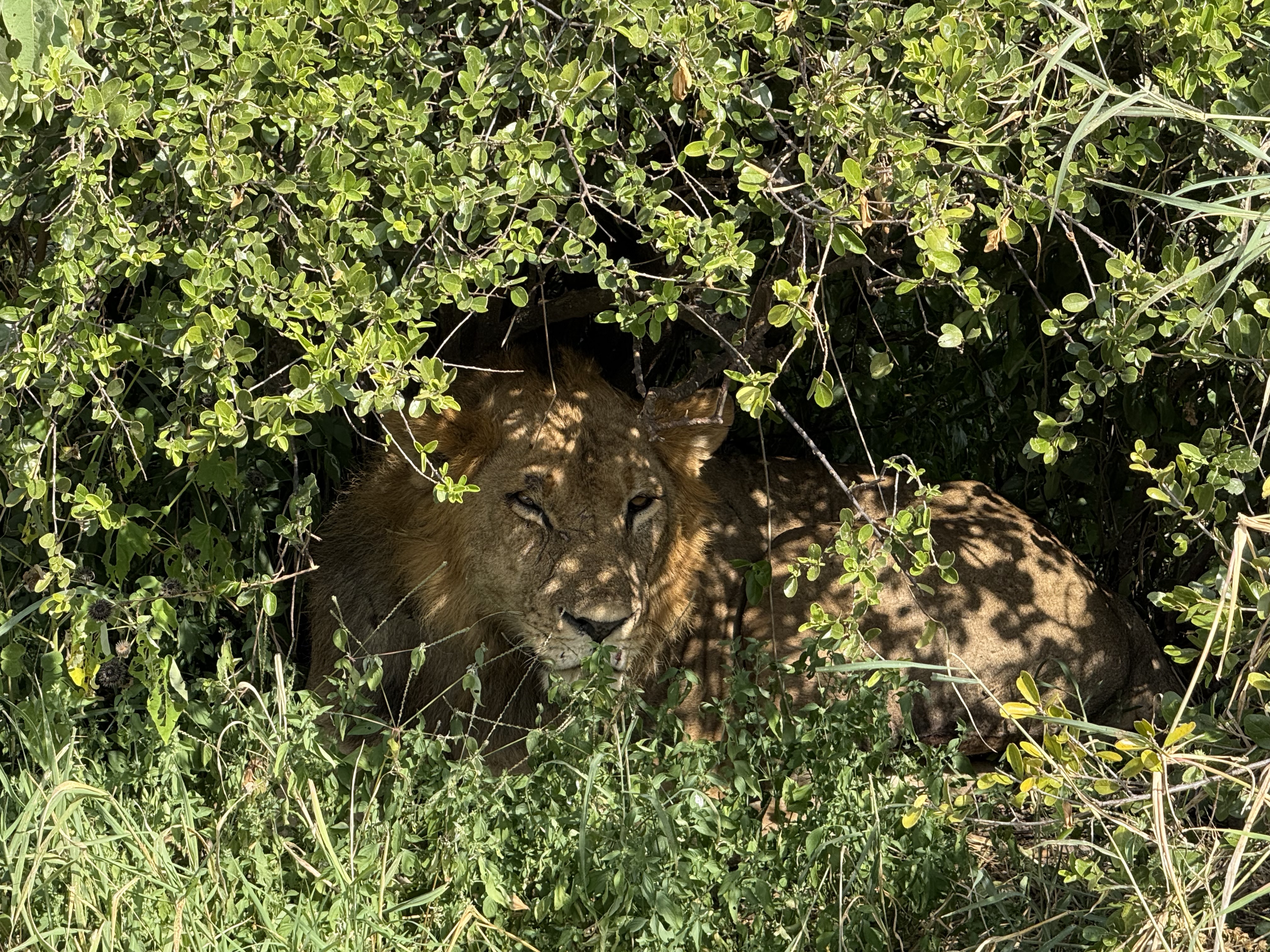
The most amazing sight in this park for me was the tree-climbing lioness hanging out on a large branch. Her mate was hidden under the shrubbery, but she was in glorious view. I’d seen lions in some of the other parks, but never one in the trees hanging out as if she were a leopard – which unfortunately, I never found. I did see some mongoose playing on termite mounds and a group of banded mongoose scurrying across the road, which I had not seen before.
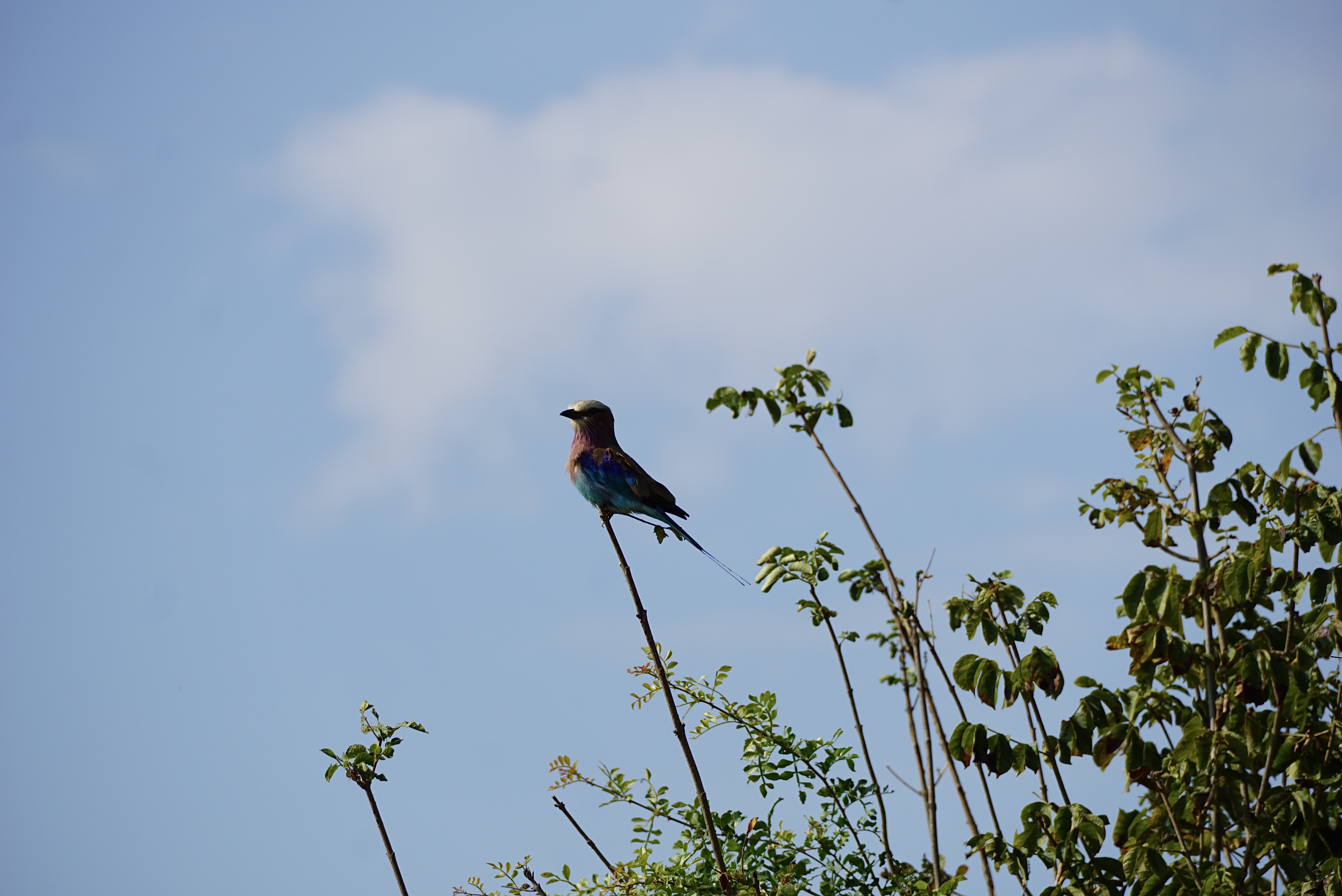
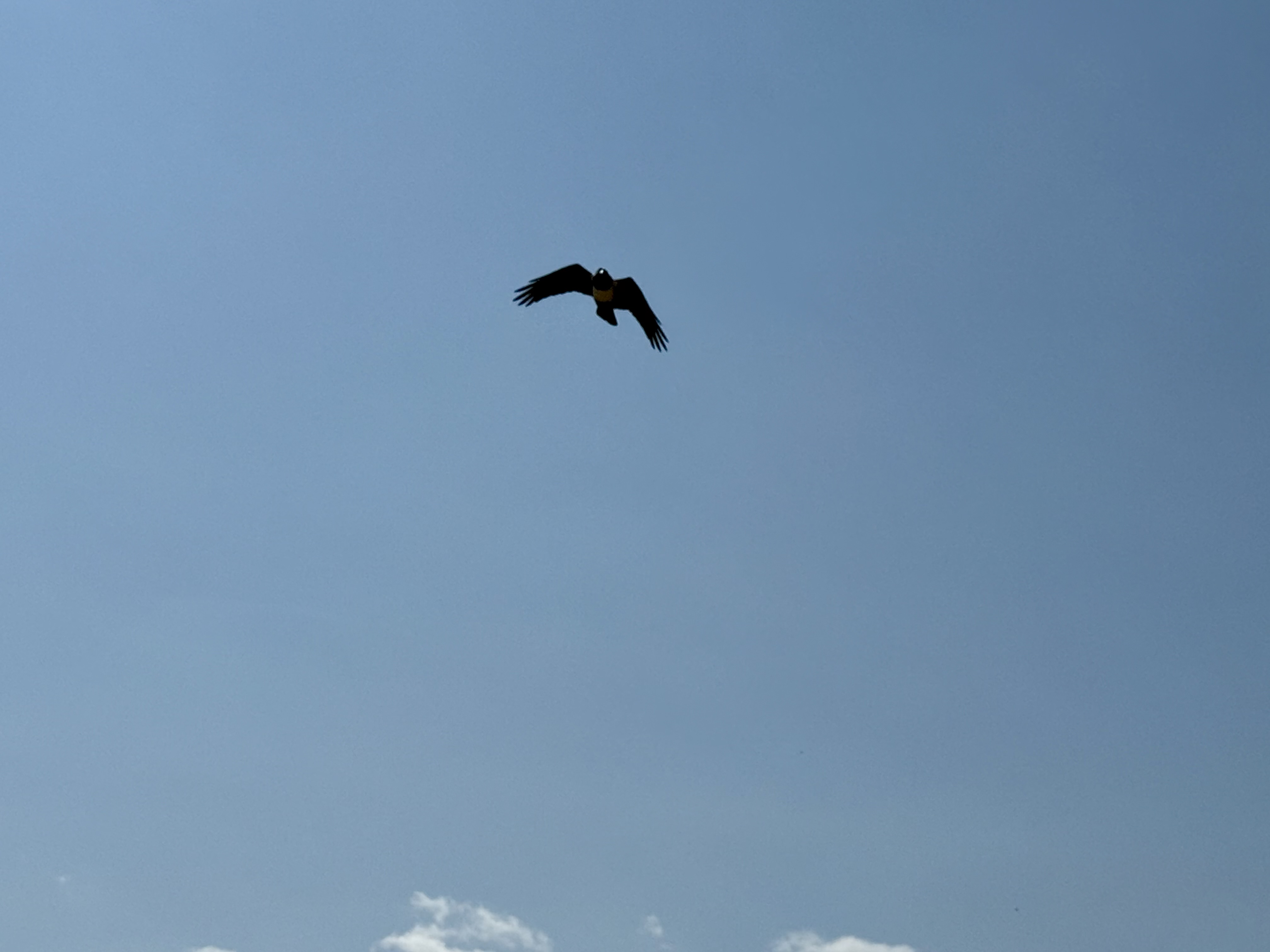
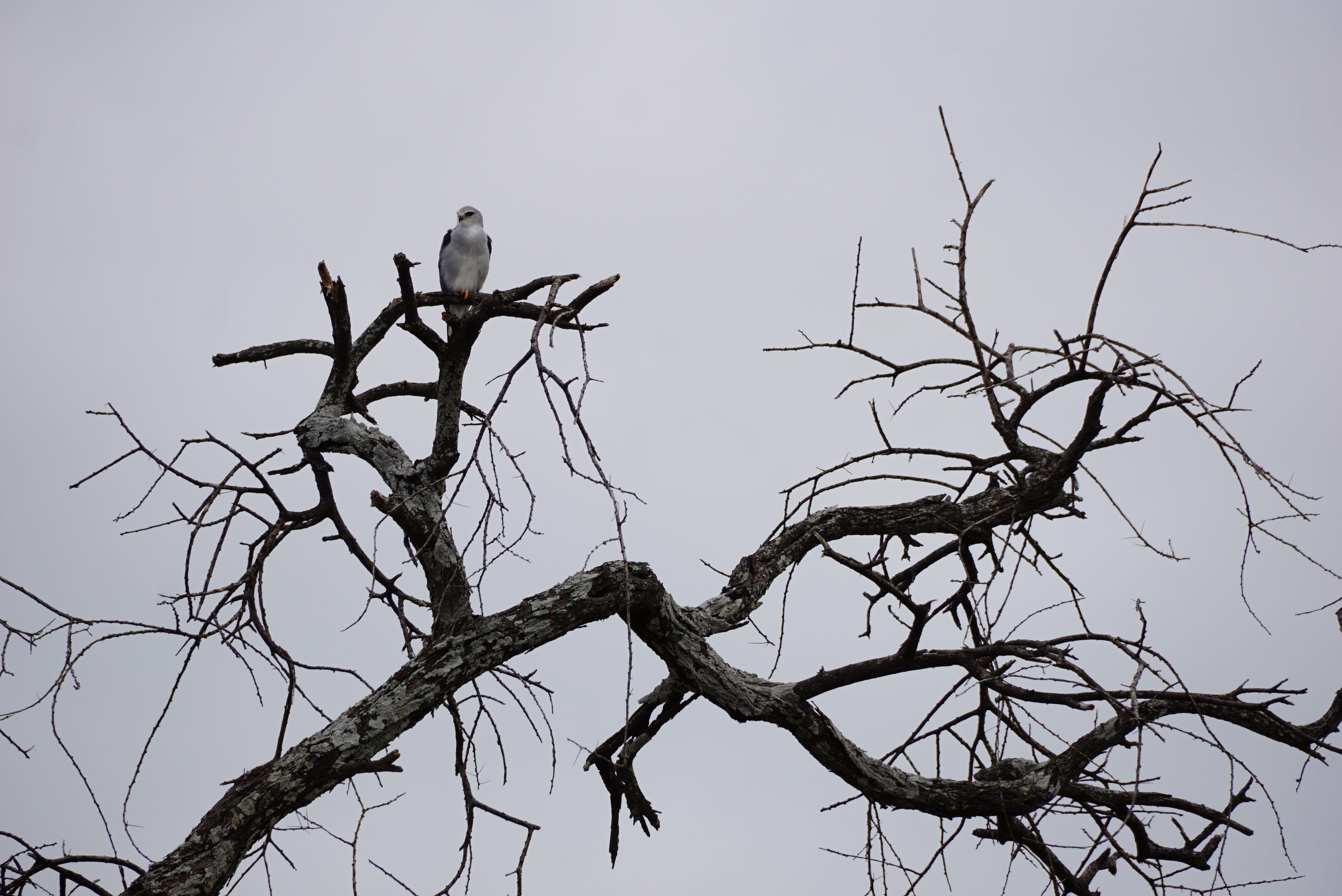
Tarangire, like the other parks I visited, is a birder’s delight. The exception here is that one can actually see them as they land on the branches of trees above the grasses. I’m not a birder, but I counted over 60 species that I could identify from Godlisten’s bird book and probably more than that that I couldn’t. I’m sure an enthusiast would have recognized more than 150 in one day. The park is home to over 250 different avian species.
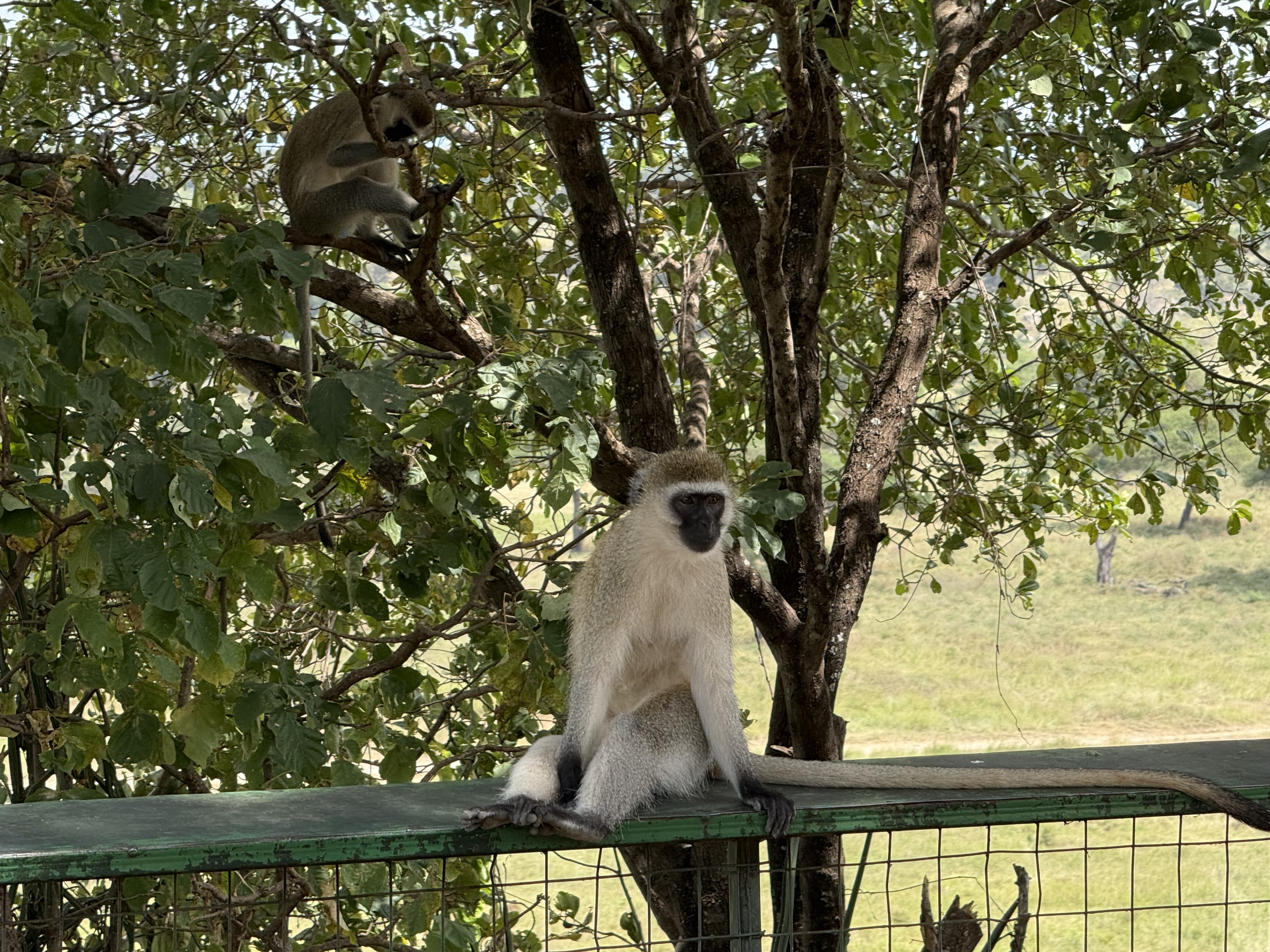
Antonio Safaris booked the hotels for me throughout the trip, and I couldn’t have been more pleased with all of them. The Karibuni Sana Sangaiwe Tented Cottages just outside the Tarangire gate, was a special treat. The view from the deck overlooked the entire park and the neighboring lake. It was spectacular. Vervet monkeys played on the deck in the morning while I awoke to the sounds of multiple kinds of birdsong.

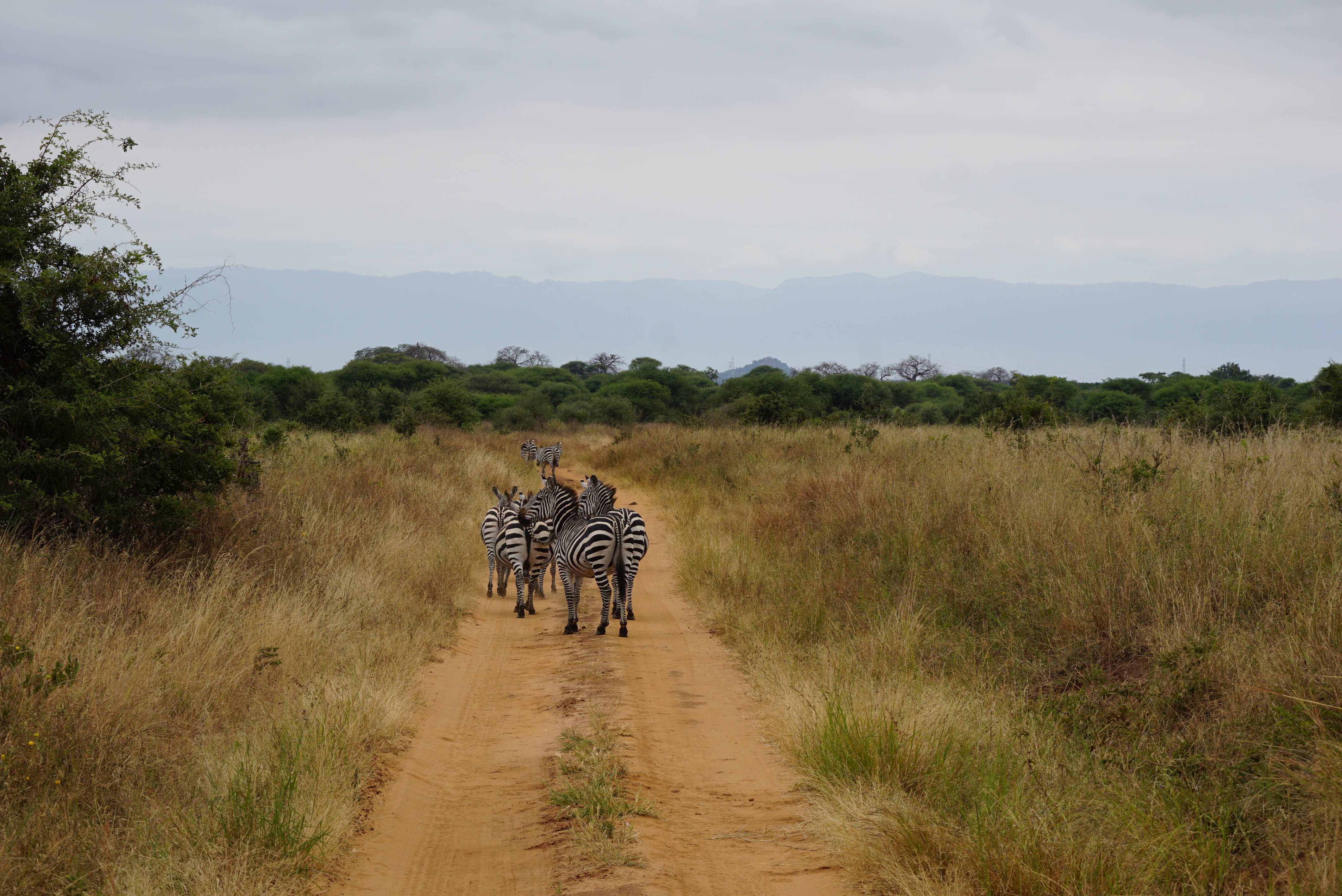
The last morning in Tanzania, we took a final drive through the park, and it seemed to me that all of the animals, with the exception of rhinoceros that no longer exists in this park due to poaching, appeared on the sides of the road to say goodbye. The zebras even tried to escort us for a way.
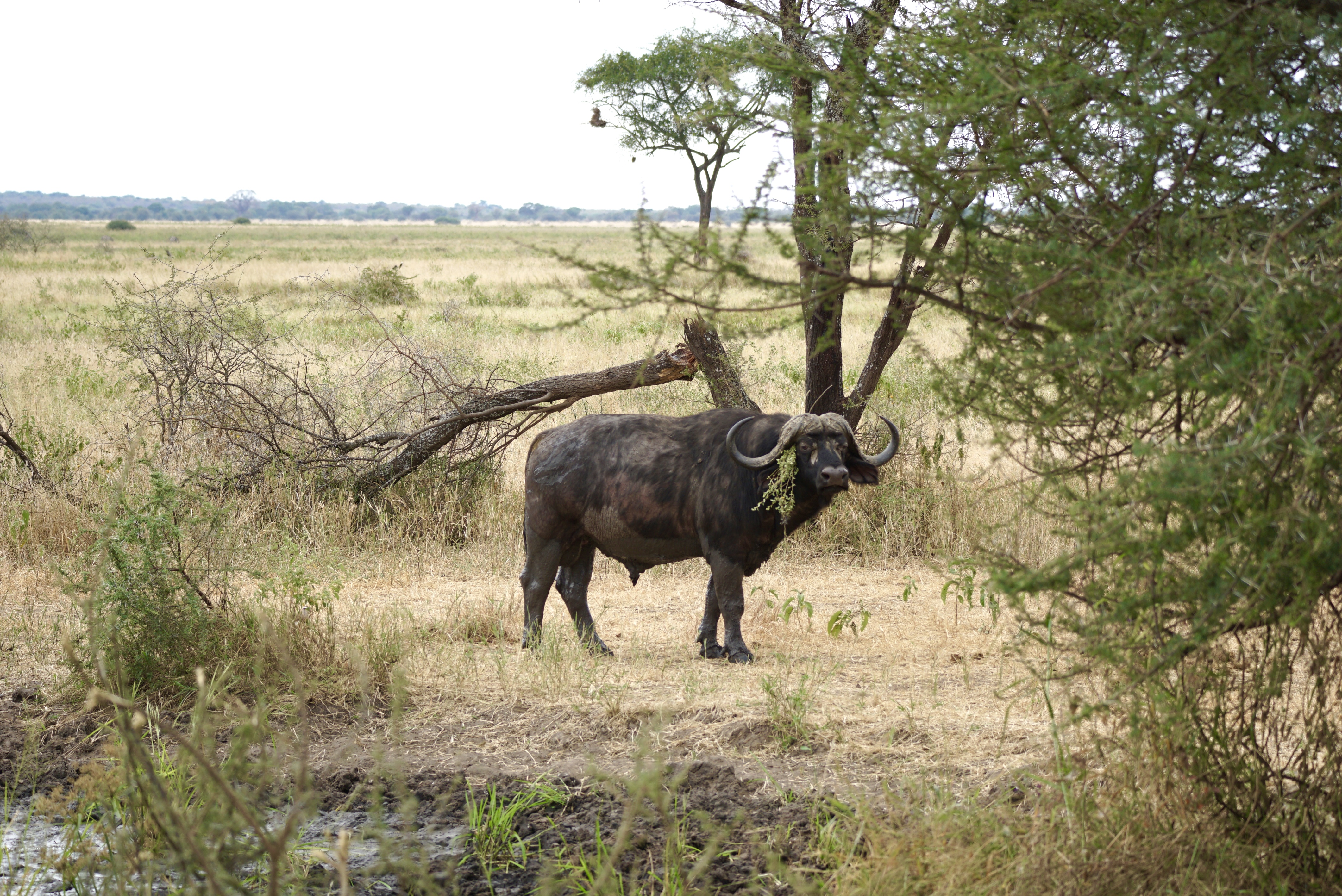
The trip through some of the national parks in Kenya and Tanzania was amazing. I was thrilled to realize that the wildlife in these parks is thriving. The wild animals, as well as the domestic cattle, sheep and goats in the surrounding communities, appear healthy and solidly growing in numbers. All of the major herds had young of various ages. The vultures and hyenas take care of the carcasses of the deceased, other than the one hippo in the lake at Ngorongoro and a dying one in a swampy area, so one doesn’t see much dead debris or bones anywhere. Life goes on, and it appears that both flora and fauna are doing well in these national parks. I am very grateful to all the animals, large and small, that came out of hiding to greet me and share their habitats with me. And I thank Antonio Safaris for a great trip that was done on a very limited budget considering what most East African safaris cost.
 omegoodyssey