(corresponding YouTube video links at the end of the blog)
After spending a few days with Asiatic Lions in Gir National Park in Gujarat, I flew from Ahmedabad to Nagpur, where I was picked up by the taxi and driven the two and half hours to Pench National Park to see tigers and hopefully a leopard. It had been a long day since I got up for a 5:30am safari in Gir, then had the seven-hour drive from there to the airport, where the flight was slightly delayed. By the time I got to the hotel, it was near midnight and the first Pench safari pick-up was again at 5:30am. I wasn’t sure what to expect from Pench, although I knew it was where Rudyard Kipling got the inspiration for his “The Jungle Book.”
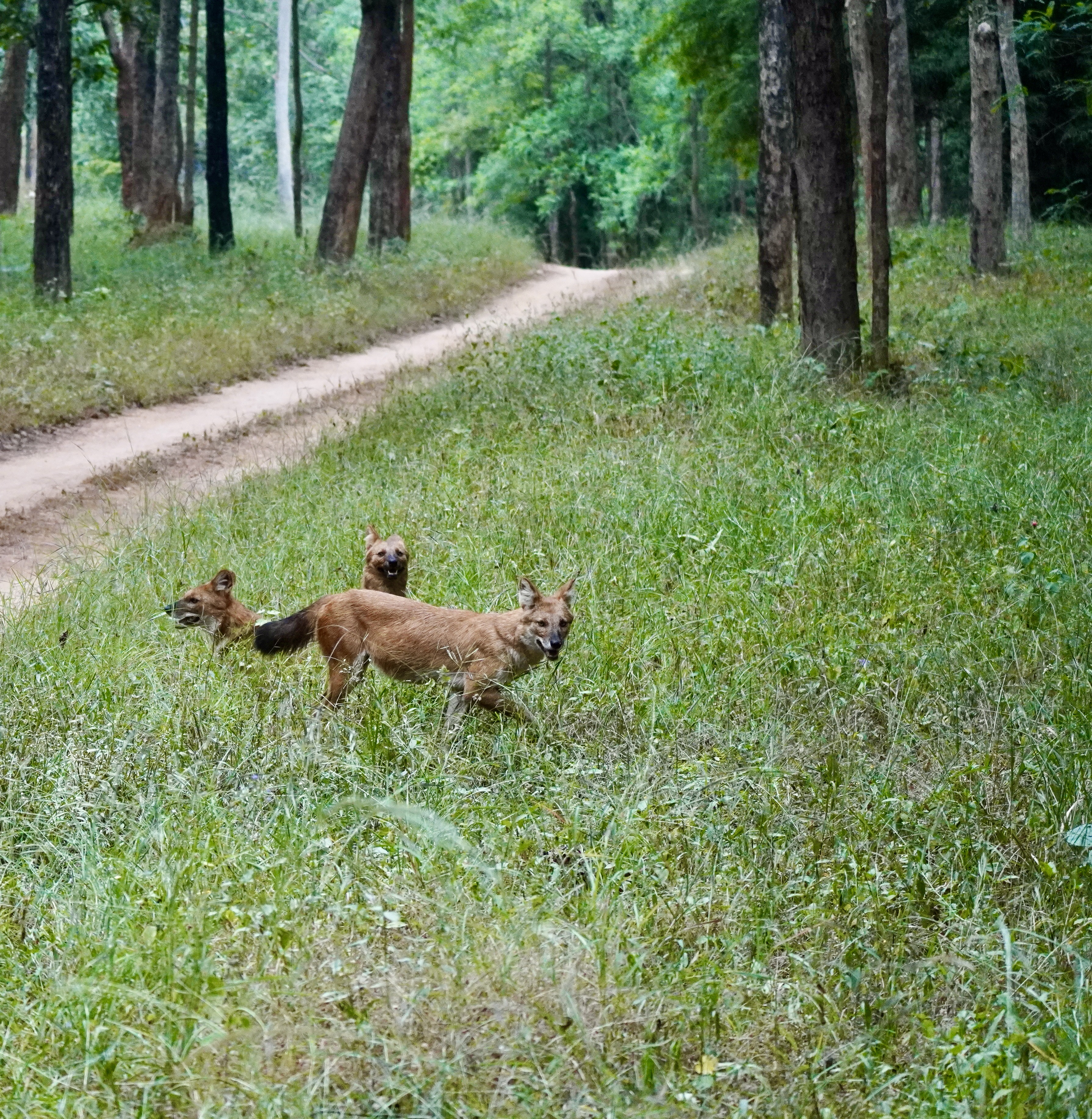
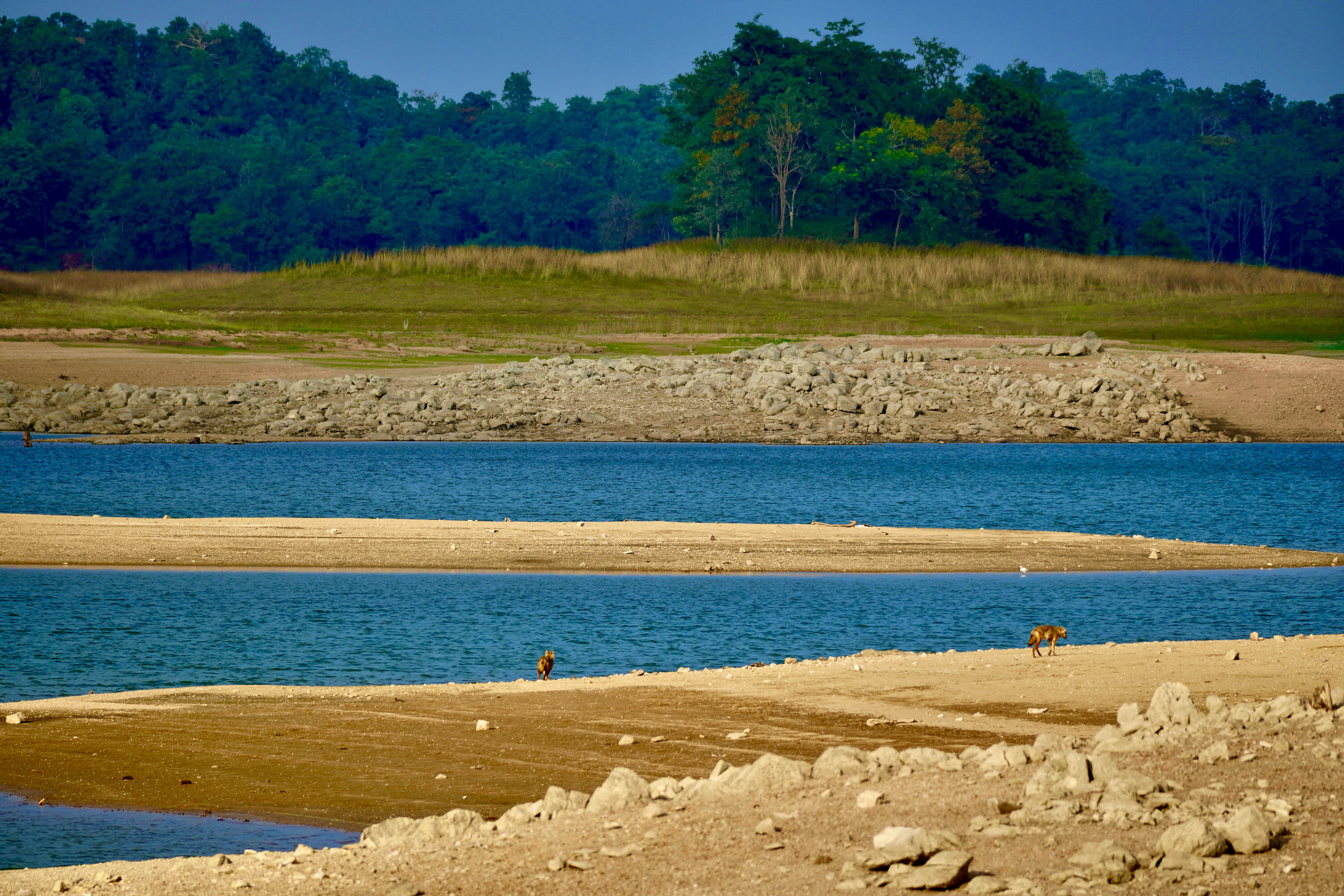
My first impressions in the early morning were from the buffer zone where I was greeted by three Indian wild dogs. The Indian Wild Dogs are different from the ones in Southern Africa; they have smaller ears and a rust brown coat with a bushy tail. They are quite pretty. Their home in Pench National Park covers territory in two provinces, Madhya Pradesh, where we spent the first couple of safaris and Maharashtra, where we went on the last few. The “we” is because my trip here was a group tour with two other ladies, Nithya from Bangalore, who started her own Math company for students, and Uma, who is originally from India, but is now a US citizen living in Seattle running non-profits from there for Indian agencies. Uma had been on a walking tour in Pench a few years ago, but it was the first time for both Nithya and me. I had a hard time understanding the guides and drivers as the conversations and explanations were primarily in Hindi, so my impressions of both Pench and Tadoba are colored by a lack of local understanding. That being said, I was able to discern that both national parks allow tourists in only about 20% of their core space, with the remaining 80% left for wildlife to live in peace with only forest service interference. Pench has a total territory of about 900 sq. km. It is named after the main river that runs through the park, the Pench. There are also reservoirs and dams within the buffer and core zones. In both parks, the buffer zone is home to villagers who have lived in the region for centuries. In Pench, there is an actual village within the park, and its locals are allowed to graze their cattle and goats in the grasslands. The dung is collected in pick-up trucks to be converted into fuel for heating.
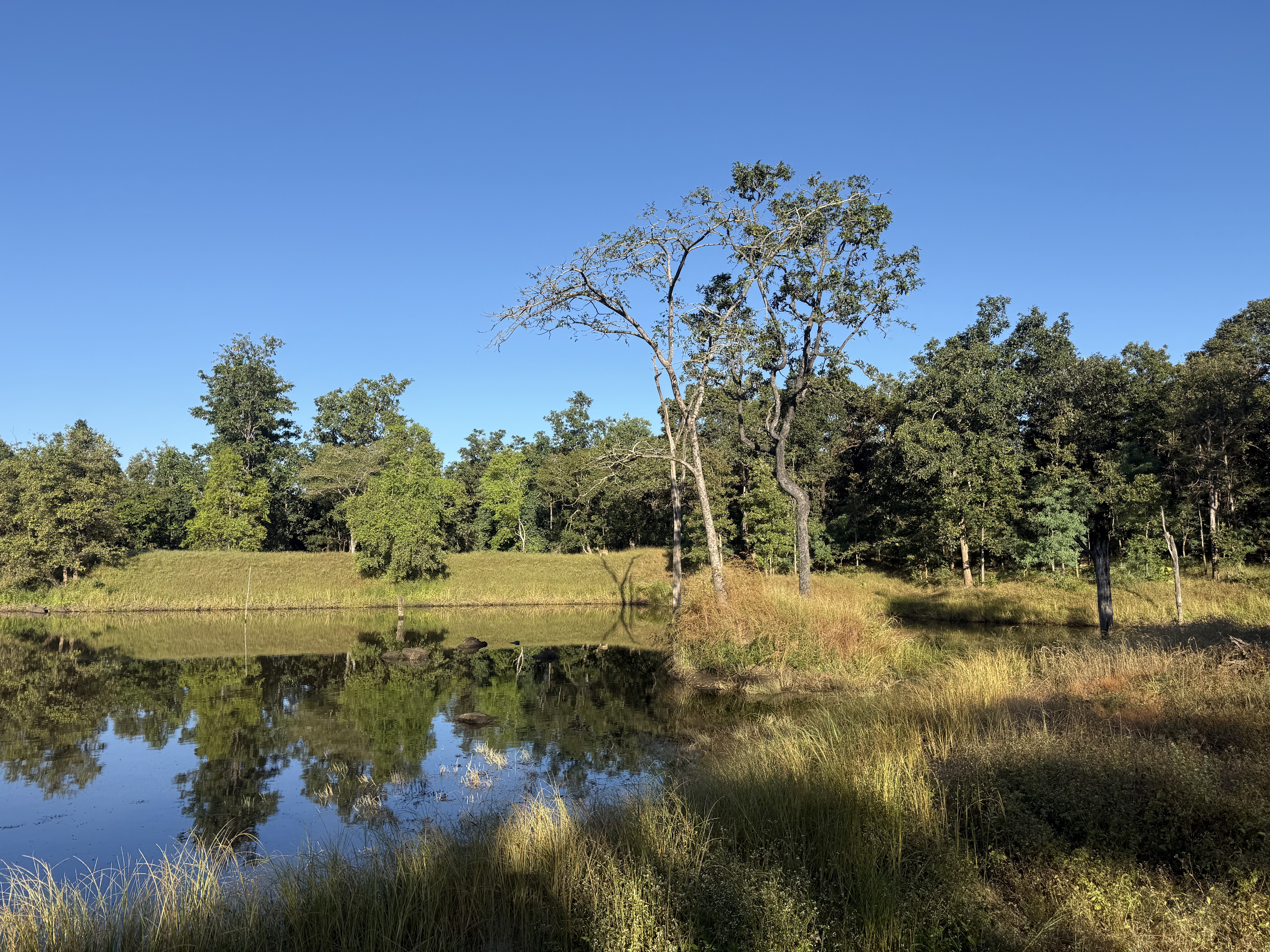
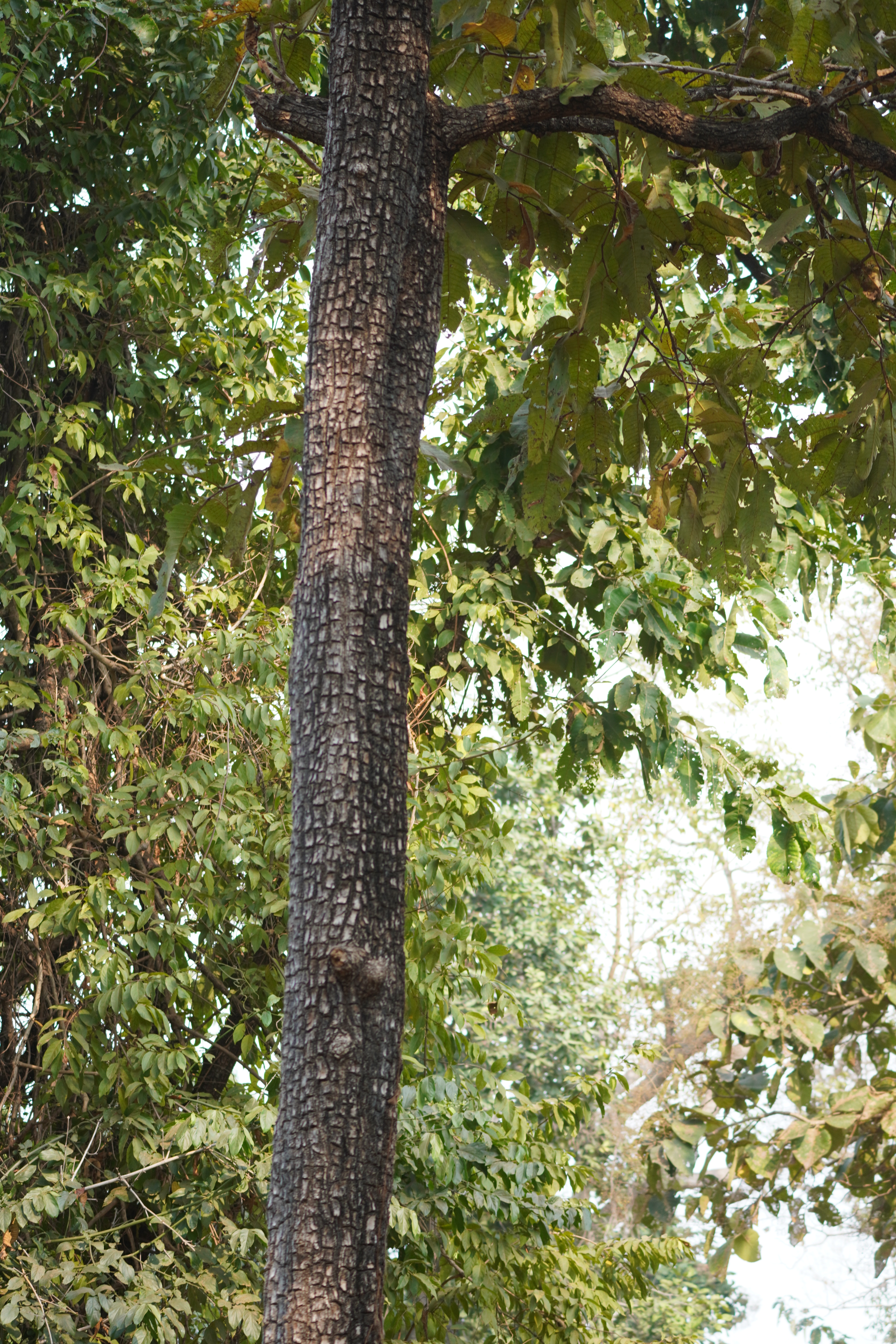
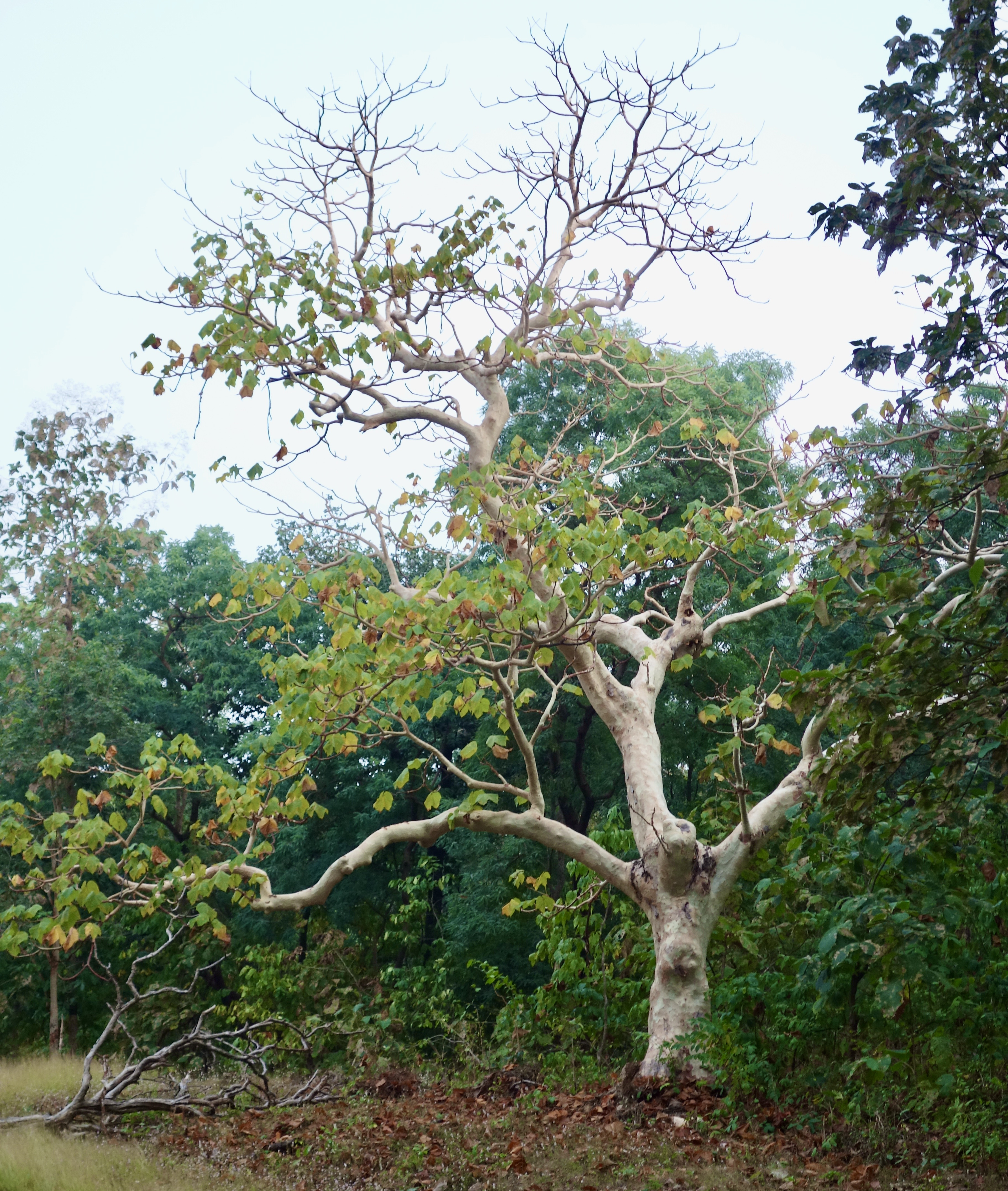
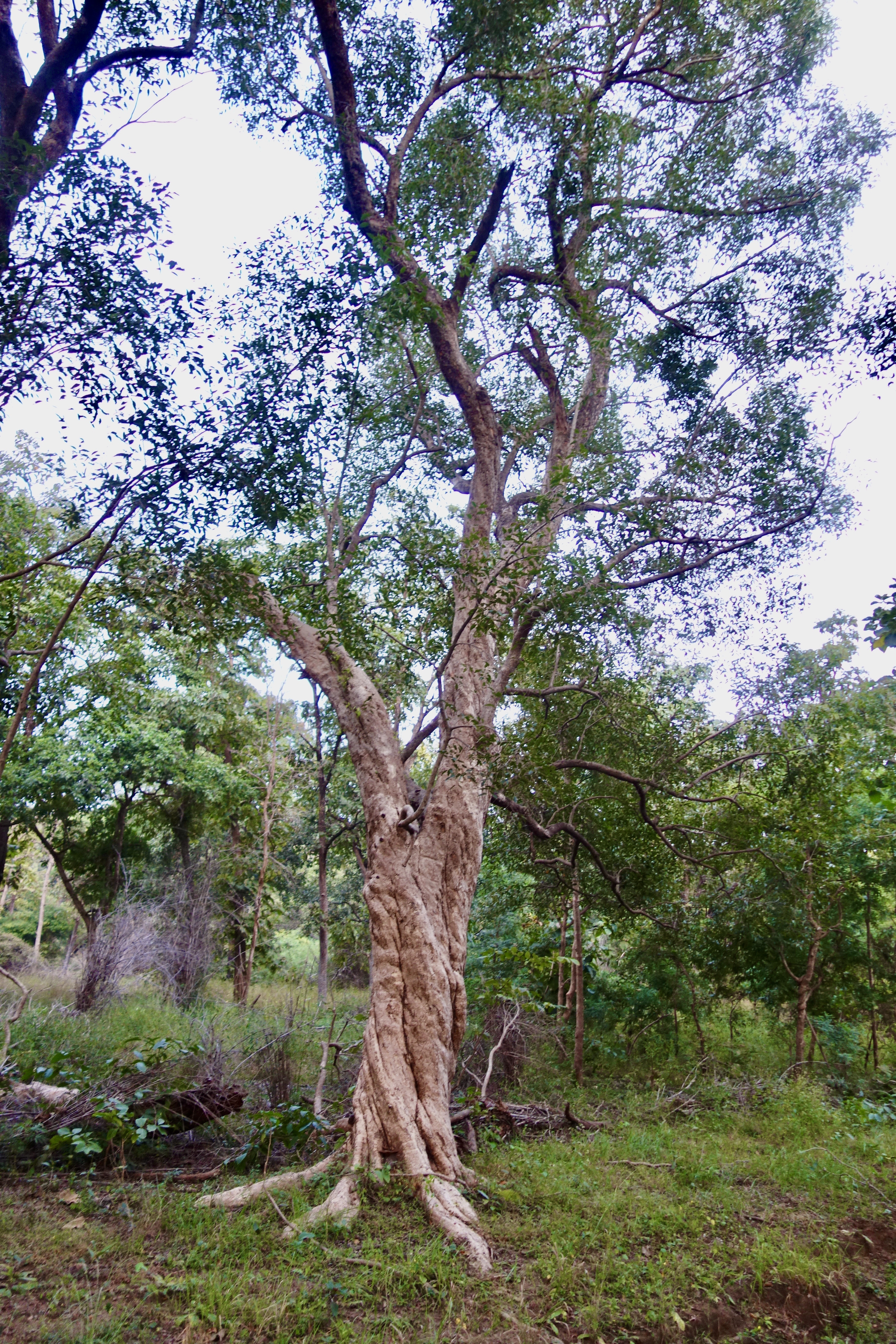
Tadoba is larger, with a total of about 1,700 sq.km. and is the oldest National Park in Maharashtra. It is named after a local diety, Tadoba or Taru. The official name of the Park is Taboda Andhari Tiger Reserve, and the Andhari is the main river that runs through the region. While Gir had only one main entrance, both Pench and Tadoba have multiple entry gates: Pench has eleven, with three main gates on the Madhya Pradesh side and 8 core and buffer gates on the Maharashtra side, while Tadoba has 22. Our tour took us through multiple regions in both parks so we could experience differing eco-systems and vegetation in each. The flora and topography in the two are slightly different. Pench has more small hills with primarily teak trees. The forest has areas where it is quite dense, but also large tracts where the trees are far enough apart to see into the backcountry. There are also large rocky outcrops that are perfect for leopards, although we didn’t see any when we were there. Tadoba has more bamboo along with the teak and a mixed arbol vegetation; the forest is much denser/thicker than in Pench. Both parks have crocodile trees, which are named after their bark that looks like a crocodile skin, and ghost trees that change color based on the season. The ghost trees are pinkish-reddish during the monsoons, white in the summer and light green in the winter. Tadoba also has a very bizarre looking twisted trunk tree, a Joon.
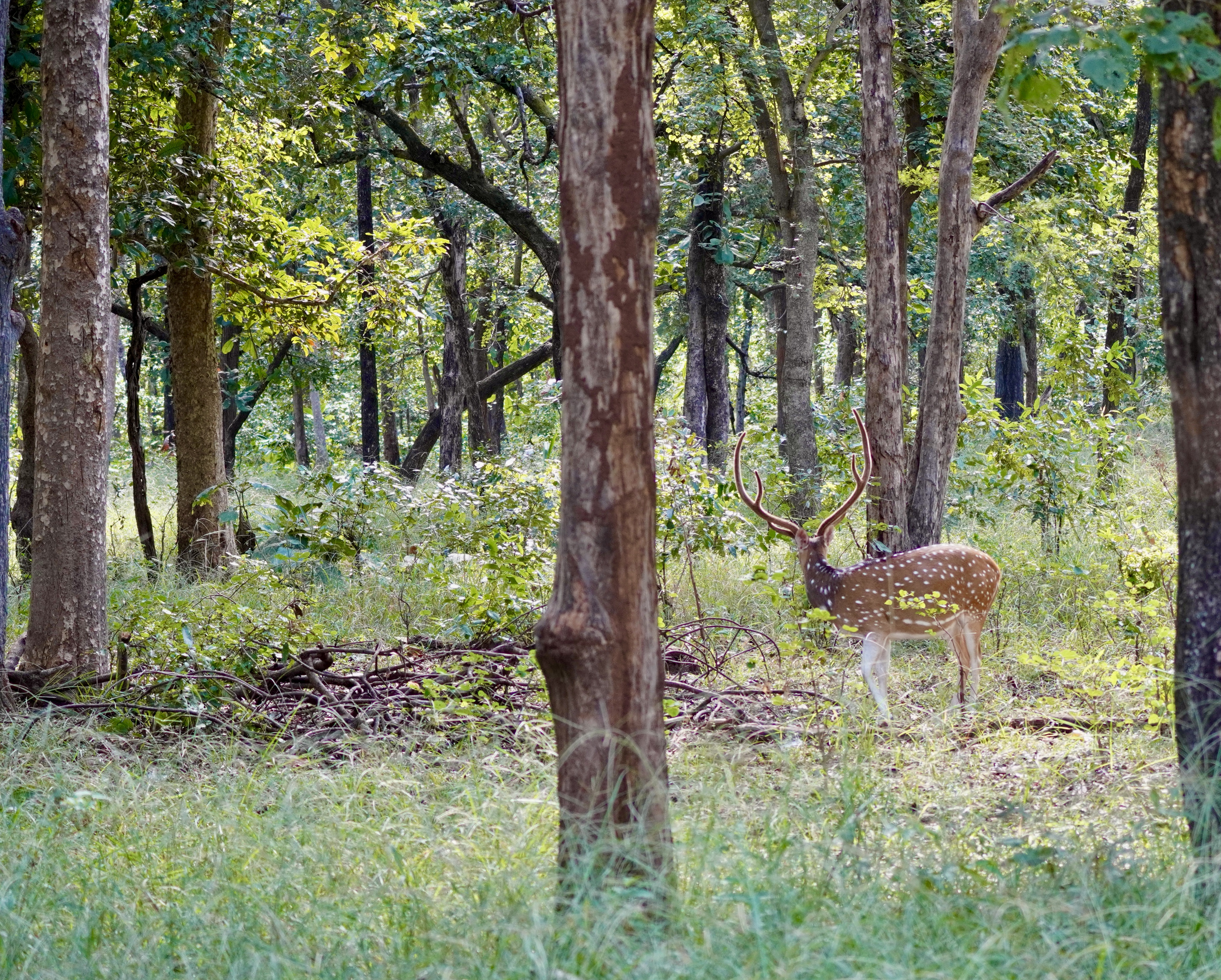
Topographically, Tadoba is flatter than Pench. As the underbrush is so thick in Tadoba, it is a bit more difficult to spot wildlife other than those walking along the paths. The paths cross through grasslands, and perfumed lemon grass as well as hanging branches that have spiderwebs with diameters over a meter and a half. The spinning spiders are larger than my hand. Both are home to the same kinds of wildlife, including tigers, leopards, sloth bears, sambar deer, chital, langur monkeys, wild dogs, jackals, mongoose, guar, pangolins and over 250 bird species. In Pench during our six safaris, we saw two tigers, sambar deer, blue bulls, chital, lots of langurs, wild dogs, jackals, a mongoose and a couple of herds of Indian Guar. We also saw a dead pangolin that had supposedly recently been killed by a tiger. I had hoped to see a live one but had to settle for a view of the deceased.
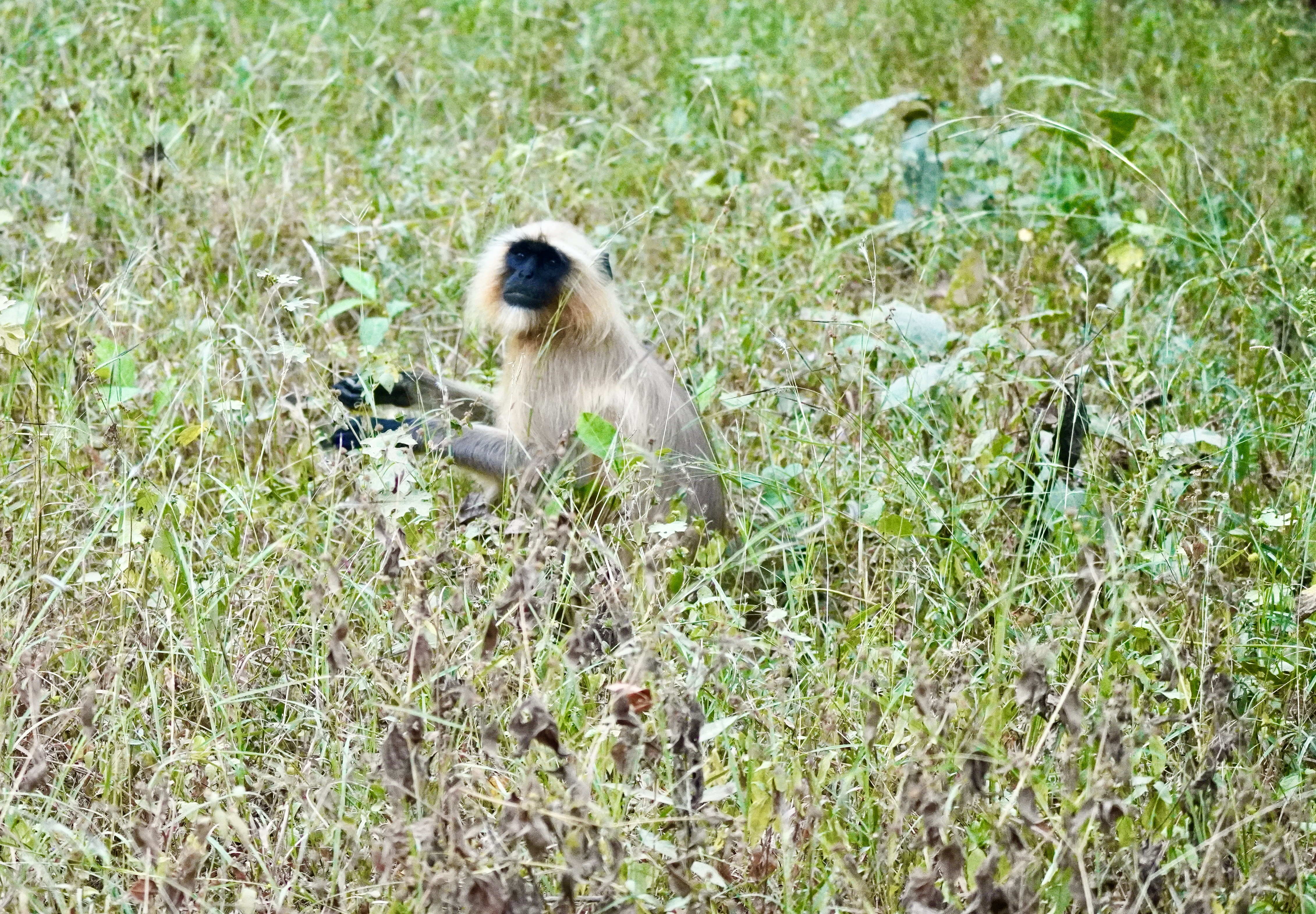
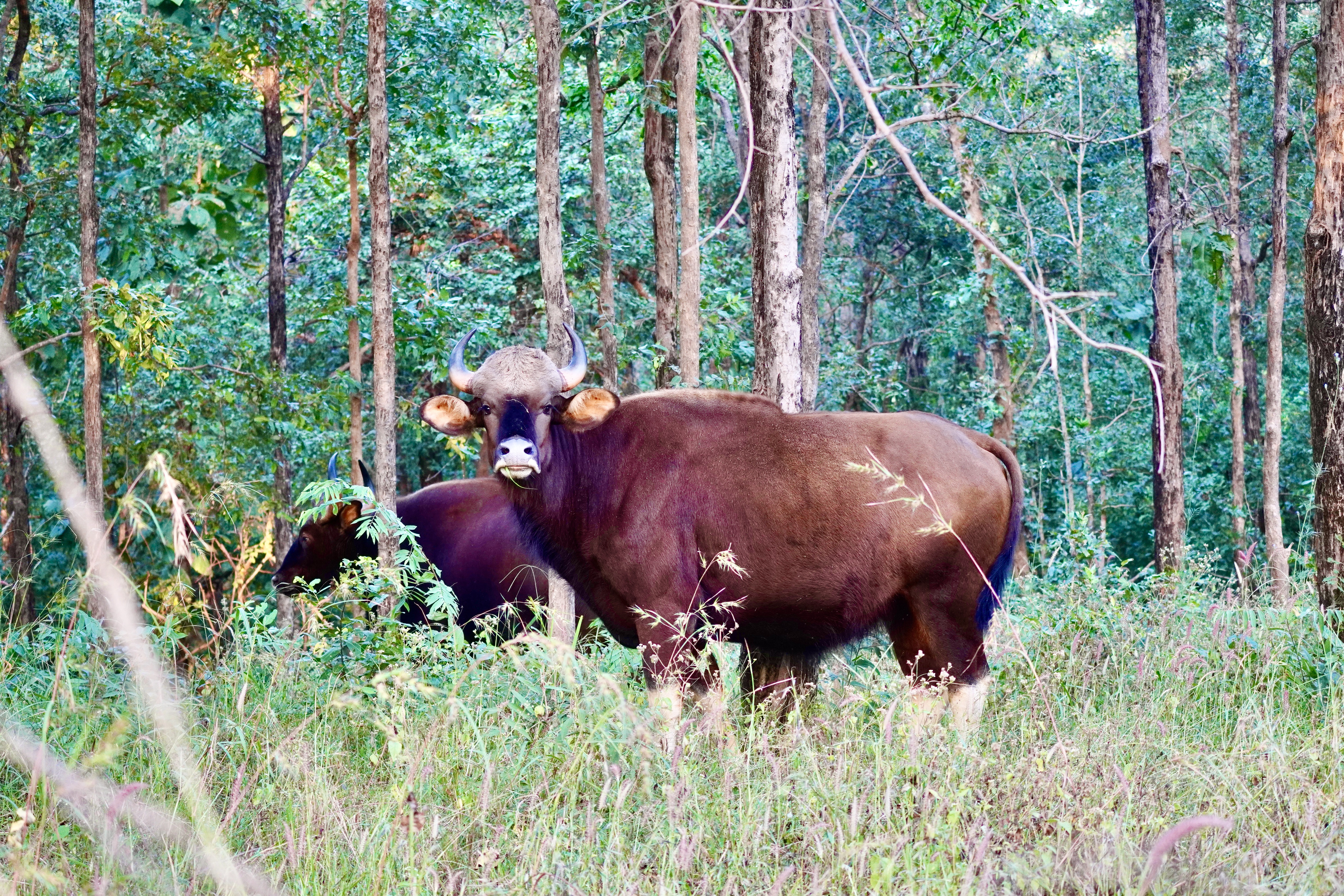
The jeep tracks in Pench are fairly rutted, and the drivers seem to want to go at breakneck speed. At times I thought my new hip would shatter from the banging up and down on the jeep seat. I’m not sure how the guides could locate wildlife on the sides of the paths at the speeds we were going, but they were in constant contact with one another via specially controlled and managed cell phones distributed just to them by the forest service. Otherwise, for visitors, cell phones are not permitted in these parks. Cameras are available for rent at the gates, for those who do not bring their own. The parks also regulate where people are allowed to go; each guide and driver has been given a particular route to follow. In Pench they are numbered; in Tadoba it is by gate. This is so that there aren’t hordes of jeeps at one spot, although with the tiger sightings, this planning goes out the window and the hordes descend. The guides and drivers are from the local villages, and they are assigned to a specific gate near their home. In Tadoba, once one is inside the park area, the jeeps are free to go on any of the paths; in Pench, they must stay in their designated region.
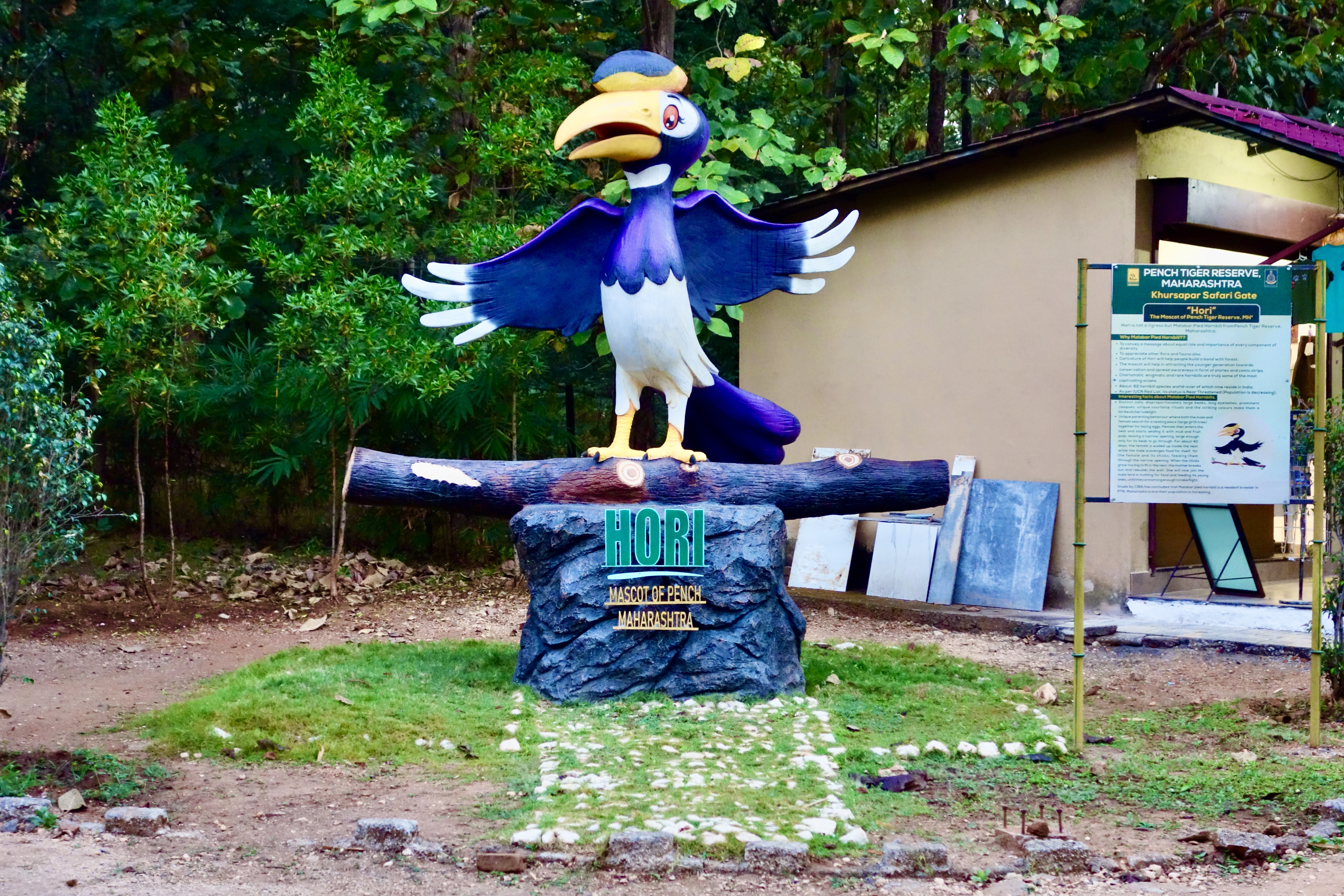
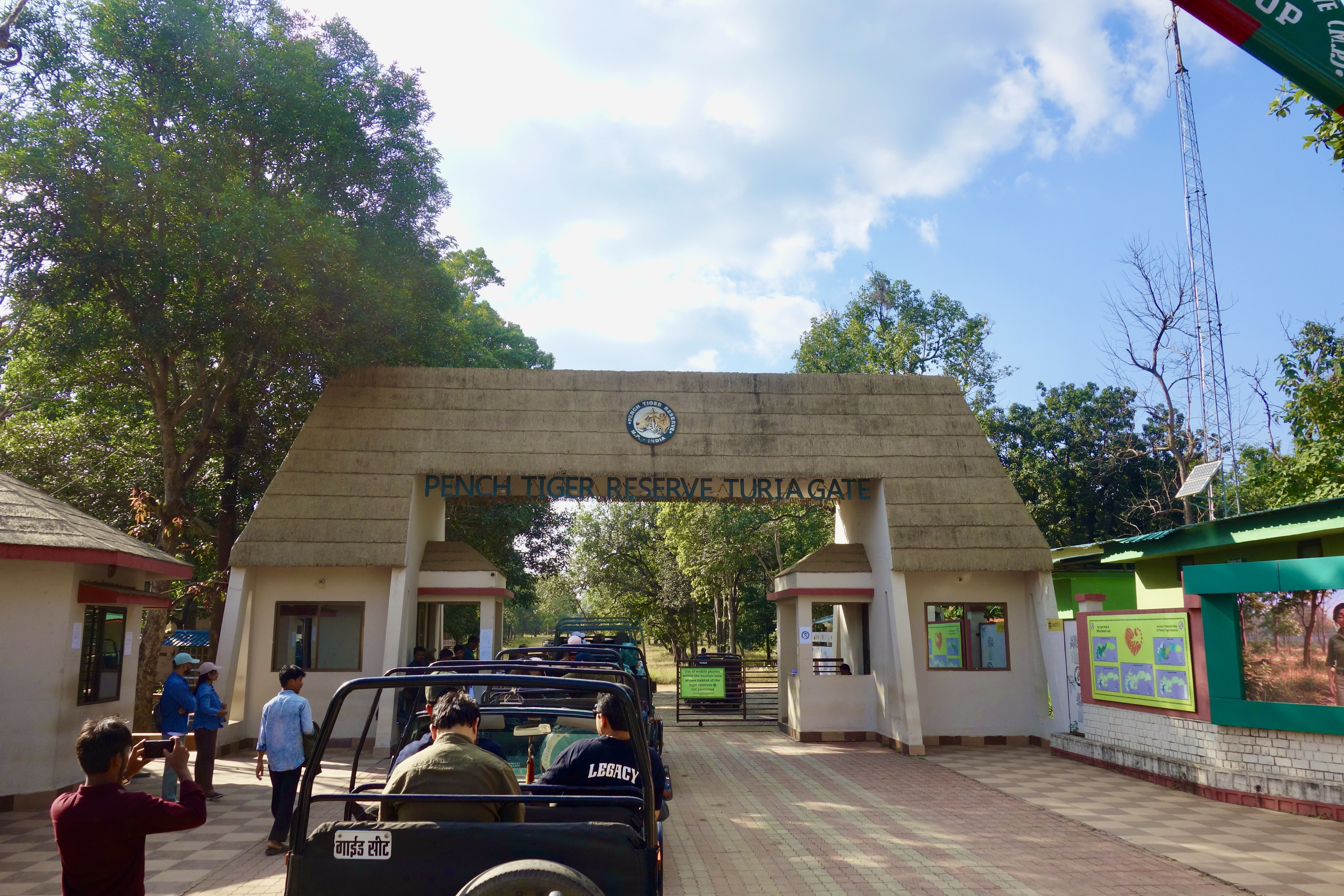
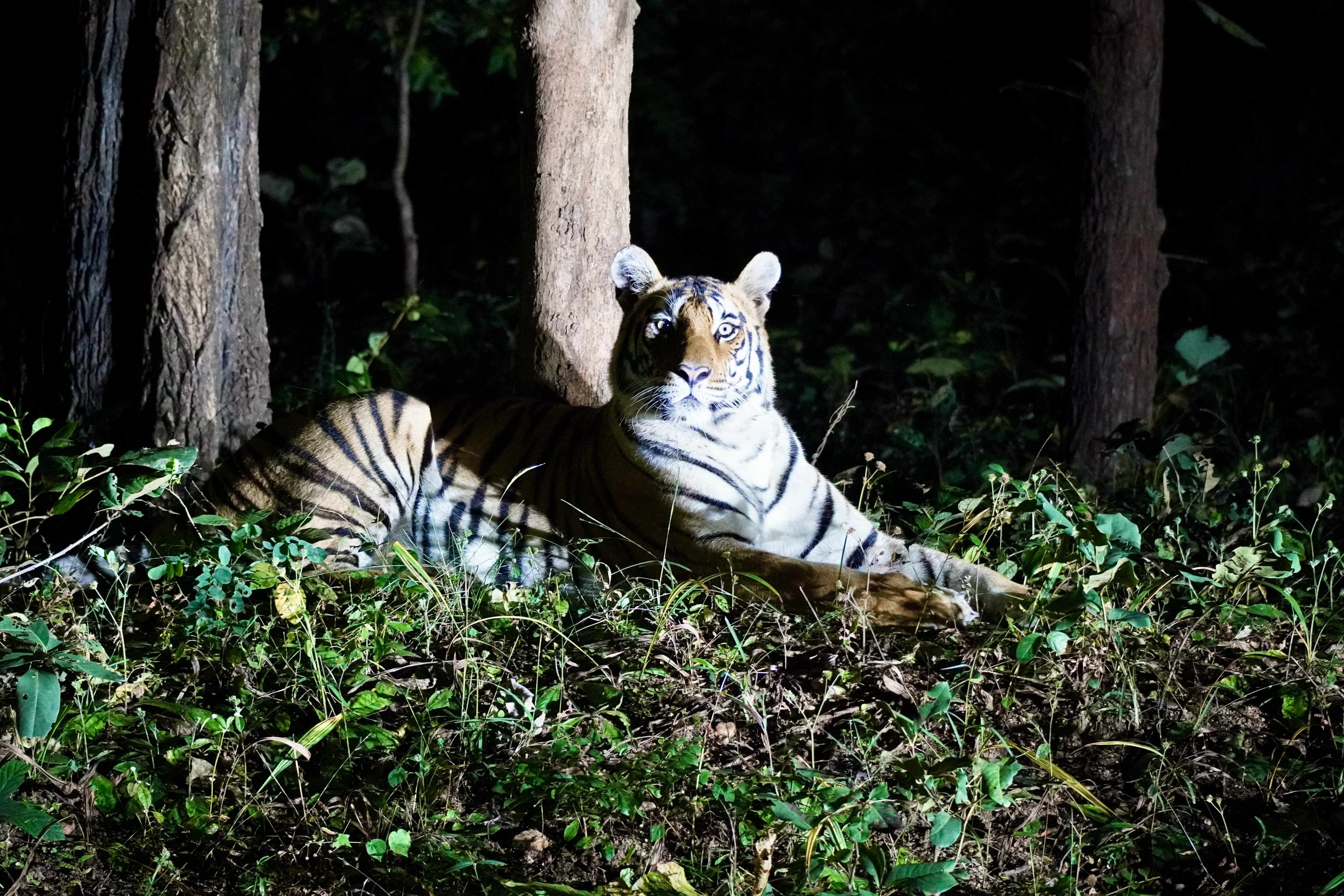
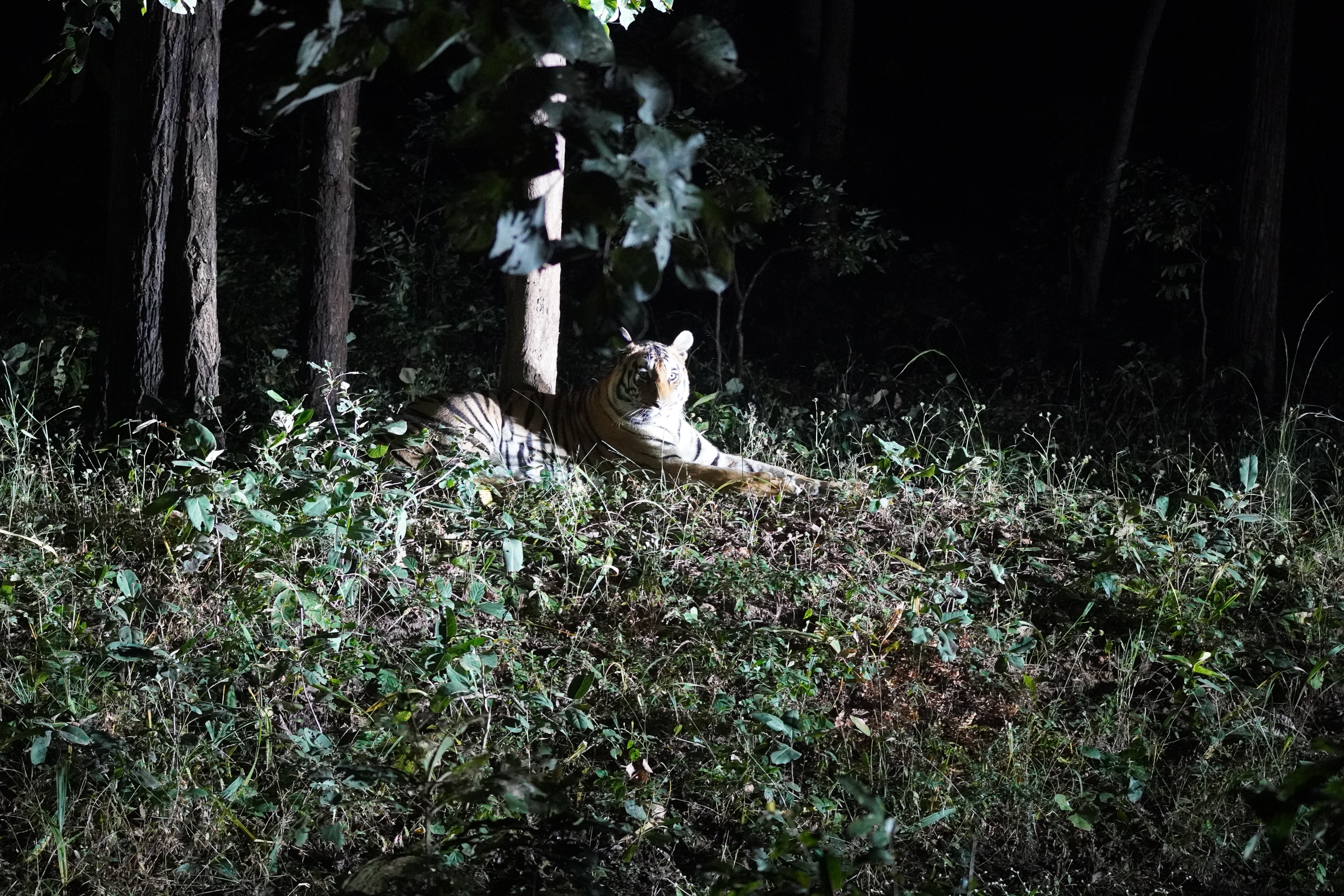
Pench was interesting and some of the guides appeared to be quite knowledgable, even though I couldn’t understand them. The best sighting happened, though, not in the park itself or on a safari, but rather on the way back to the hotel in the evening after the safari, when Nithya and I had the great good fortune to see a tiger directly in front of us. She looked straight at us for quite a while, and it was as if we were able to communicate telepathically with her. It was our first tiger sighting and a phenomenal experience for both of us.
The drive from Pench to Tadoba takes a bit over five hours and passes back by Nagpur. On the way just outside of Pench, we passed through a number of small villages with people working by the side of the road, cattle being herded on the road, old wooden ox-carts both empty and filled with items blocking the road, and one with large cotton bails being unloaded at a villager’s home to be spun into cloth. The road and the landscape filled with cotton and rice fields provided a glimpse into Central India’s rural life.
Out of our five four-hour and one five-hour safari in Pench there were only two where we saw predators. We did see lots of antelope, deer and langurs, but only the three wild dogs and the two tigers from the top carnivore list. In Tadoba, we weeere greeting with our missing leopard and then saw tigers on each of the five safaris, and a brief glimpse at a rarely seen sloth bear. The leopard andctigers we saw in Tadoba were wandering along the road, hiding in the grasses or other underbrush, or swimming in the streams. We had the great good fortune to see a female and male interacting and playing with each other as well as watch the female feast in the water on a recently killed sambar deer. (Unfortunately, the video of this event didn’t come out!) On our last morning, we saw a tiger cub in the distance, but I wasn’t able to get a good photo of it. The tigers either took no interest in their viewers or appeared to put on a show of their magnificence for us. They knew they were the stars of the show!
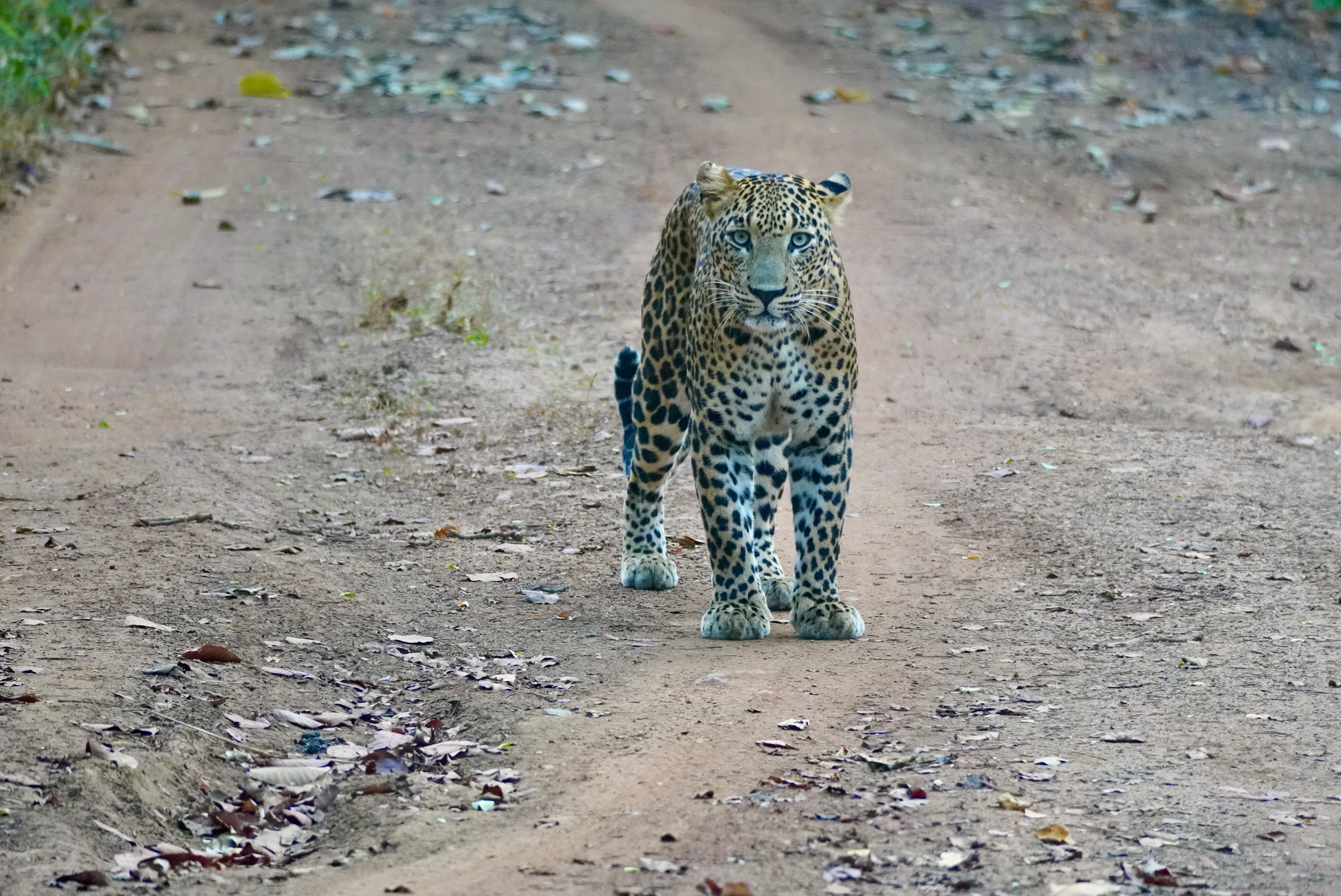
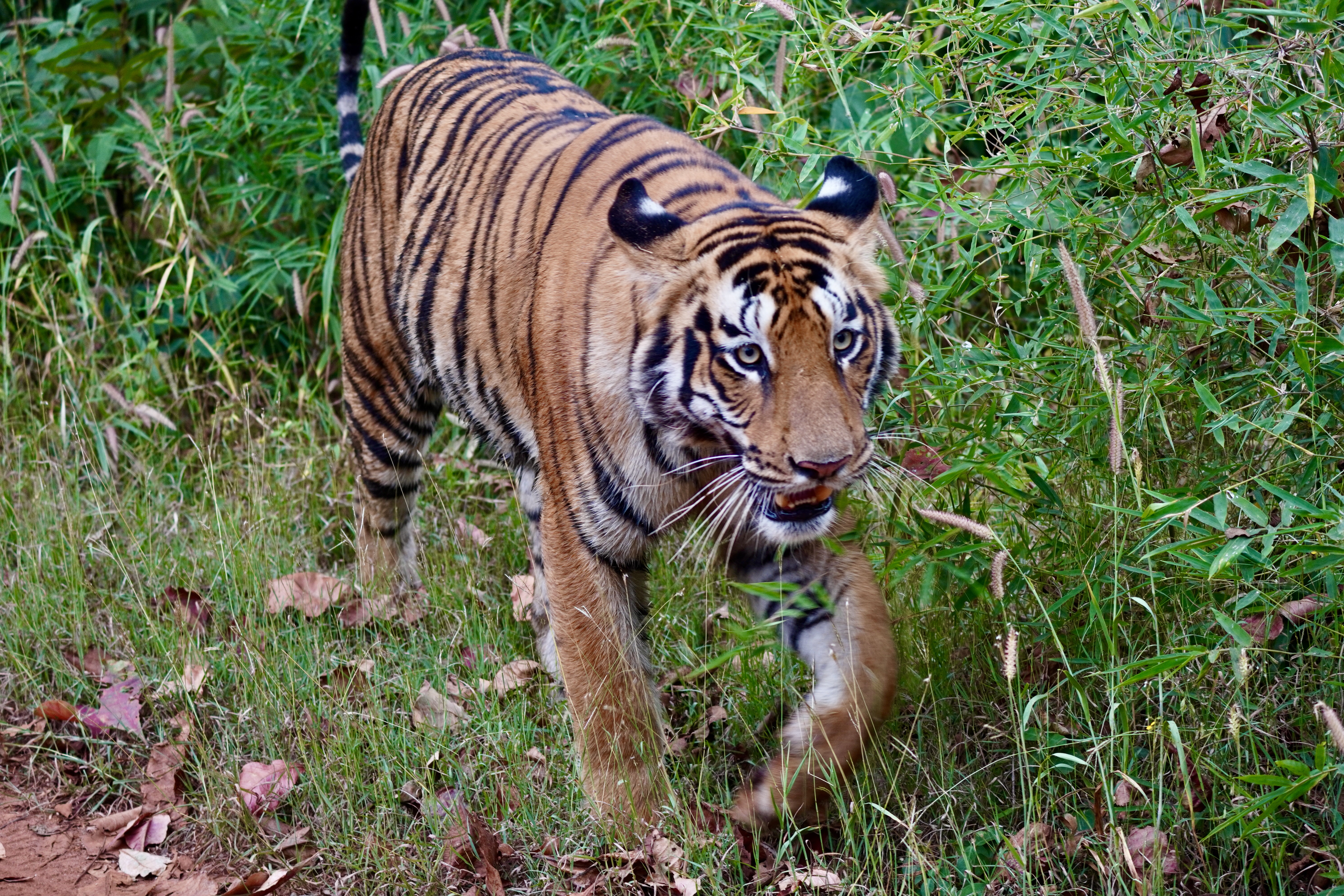
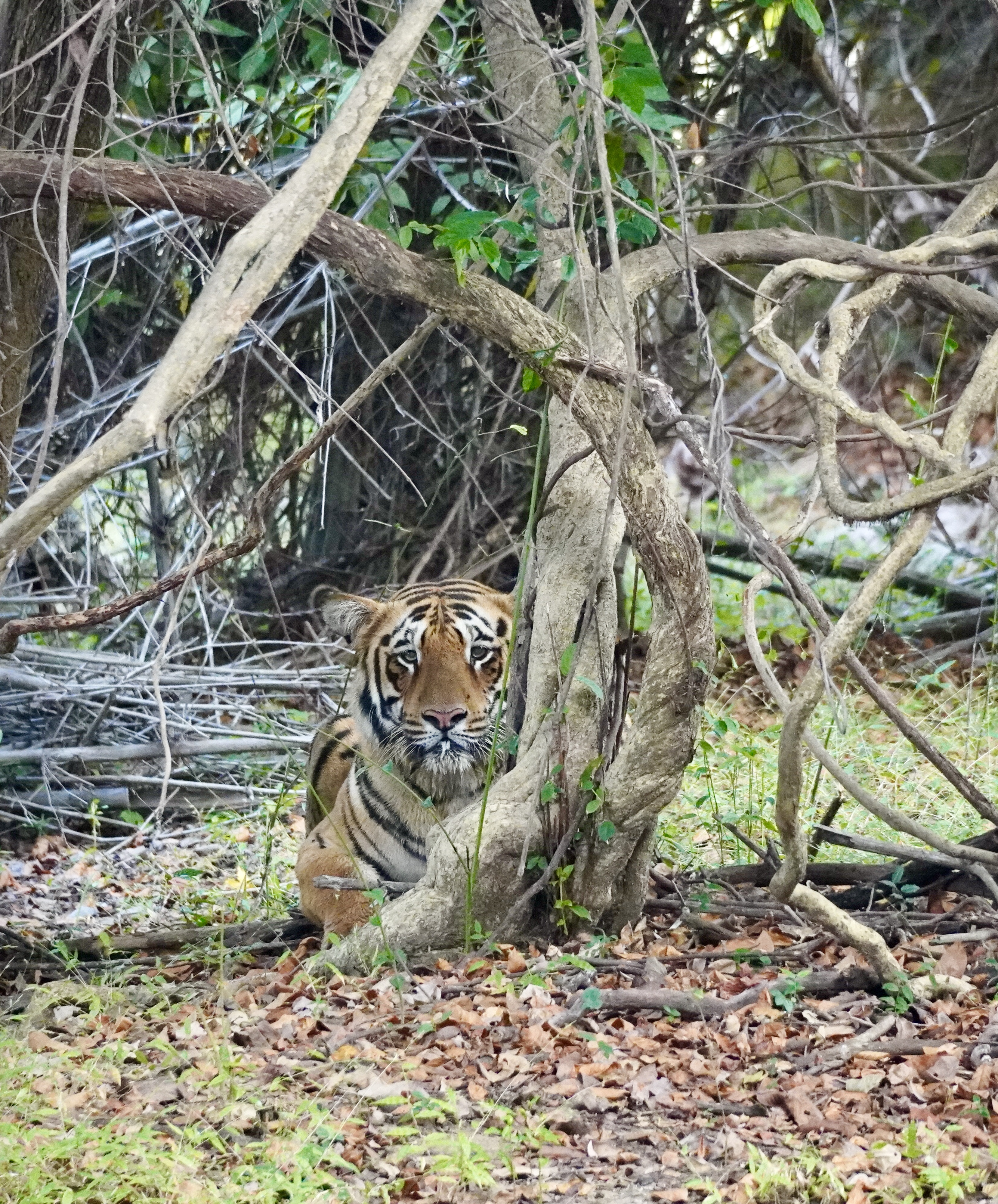
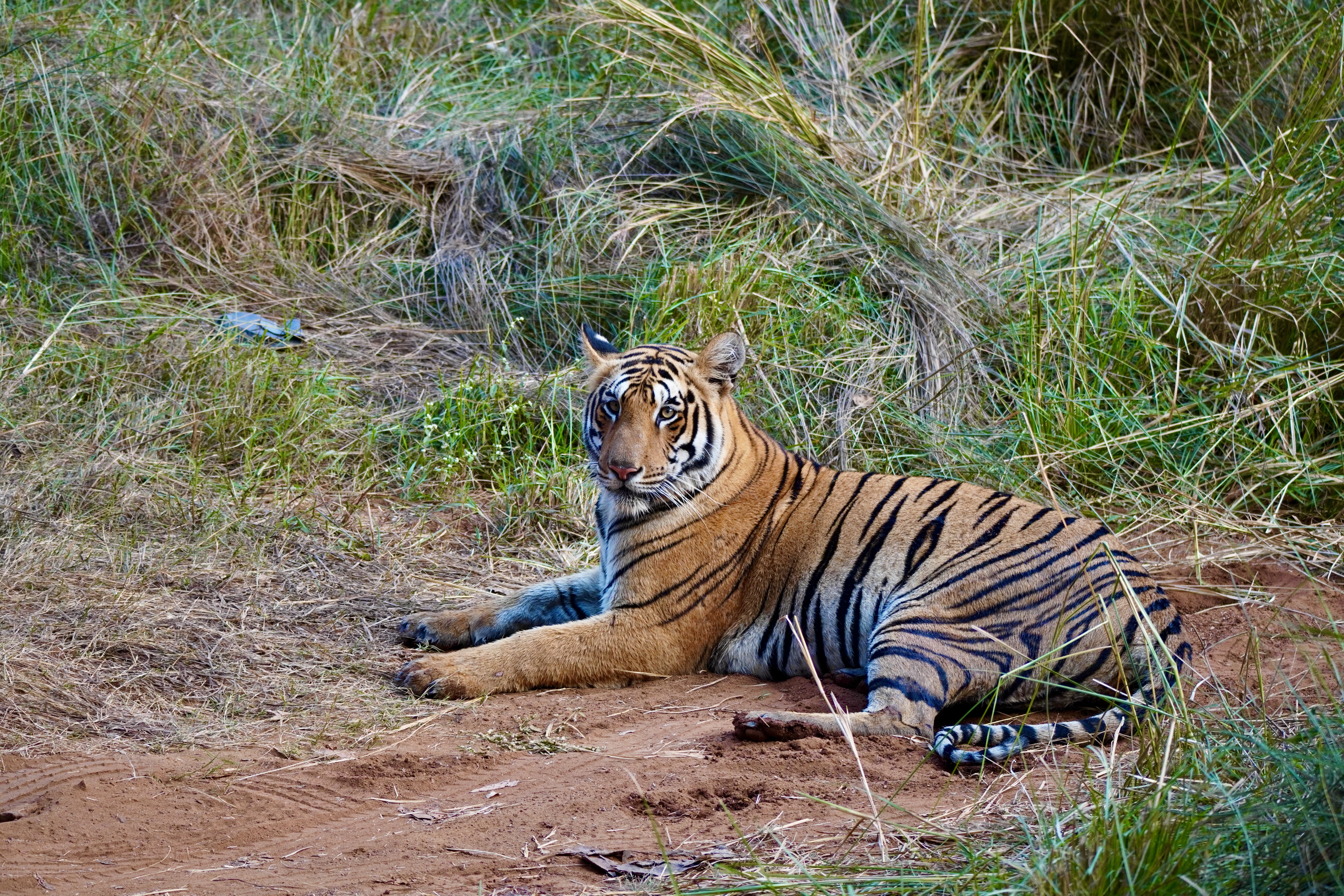
The two parks nicely complement each other. The tiger viewing was definitely better in Tadoba, but Pench’s teak forest provided a better view of a greater variety of wildlife. I was glad I was able to experience both. And the tigers in Central India are truly magnificent!
Corresponding Videos on YouTube:
Gir National Park October 2026
Pench National Park November 2026

